

South America
South America
Chilean Fjords Cruise Port Guide: Glaciers, Getting Around & Planning Tips
Fjords
Choose the Right Port Day
Best Overall
Pre-book a ship glacier tour or kayaking excursion. It's the only realistic way to experience what makes this port worth the stop.
Best Beach
Not relevant. This is a fjord and glacier region, not a beach port.
With Kids
Glacier viewing or light kayaking via ship excursion. Avoid independent wandering; the town offers little for families.
Only 3-4 Hours
Book a ship-offered glacier viewing or kayaking tour before arrival. Independent exploration will waste most of your window.
Cheapest Option
Skip paid tours entirely and walk the dock area + any nearby town footpath (free). Realistic savings: $0 vs. $80–200 per tour. Trade-off: you won't see glaciers or fjords up close.
What To Avoid
Don't expect a town to explore or restaurants to eat at. Many fjord ports are worker towns or wilderness landing points with minimal amenities. Shore time without a plan = wasted hours on the dock.
Top Things To Do
1
Glacier viewing or kayaking tour (ship-organized)
Zodiac cruise, kayak excursion, or hiking approach to tidewater glaciers. You'll see ice calving, fjord wildlife (seals, dolphins, occasional whales), and stunning mountain scenery. Tours vary from gentle water-based viewing to strenuous glacier hiking.
⚡ Popular — books out early. Reserve before you sail.
2
Wildlife spotting cruise (zodiac or small ship excursion)
Focus on marine life—seals, sea lions, dolphins, occasionally blue whales or Magellanic penguins. Less intensive than glacier tours but high reward for patient observers. Often paired with glacier viewing.
3
Local town walk and cafe (if port has town)
Short exploration of dock-adjacent settlement: tiny shops, a cafe or simple restaurant, harbor views. Provides local color and a break from ship-based options, but expect minimal commercial amenities.
Book with the ship, or on your own?
Booking independently
- Often noticeably cheaper than the ship’s version of the same tour.
- Smaller groups and local operators, with traveler reviews you can read before you pay.
- Free cancellation on most tours, usually up to 24 hours before.
When the ship’s excursion makes sense
- Short port calls or long transfers where the timing is tight.
- Tender-only stops where getting ashore can run late.
- The ship waits for its own delayed excursions — it won’t wait for independent ones, so leave a buffer before all-aboard.
We may earn a commission when you book through our links, at no extra cost to you — it’s how we keep these guides free.
Quick Take
- Port Type
- Remote wilderness expedition port
- Best For
- Glacier and fjord sightseeing; kayaking; nature photography; travelers who don't need city infrastructure.
- Avoid If
- You want restaurants, shops, nightlife, or cultural attractions. This is a scenic layover, not a destination port.
- Walkability
- Poor. Dock is isolated; town (if present) is small and spread out. You need transport or a tour to see anything worthwhile.
- Budget Fit
- Medium to high. Independent glacier access is limited; most activity requires paid tours or ship excursions.
- Good For Short Calls?
- Yes, if you book a focused glacier tour in advance. Otherwise, limited.
Port Overview
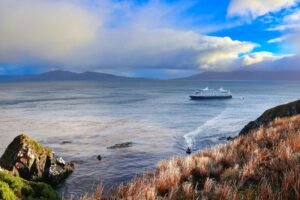
The Chilean Fjords—a string of remote, glacier-fed waterways in Patagonia—are a signature expedition cruise destination. Ships typically dock at small ports like Punta Arenas, Puerto Montt, or tender at locations such as Glacier Alley (near Magallanes or Aysen regions). There is no city-style port infrastructure here; instead, you're anchored in raw, pristine scenery: tidewater glaciers, steep fjord walls, and subantarctic wilderness.
Unlike traditional cruise ports, the Chilean Fjords exist for scenery, not commerce or tourism amenities. Most ports have minimal town presence and few independent activities. A successful port day depends entirely on booking tours in advance—typically through the cruise line or pre-arranged outfitters. Standalone wandering will leave you stranded with little to see or do.
Is It Safe?
The fjords themselves are safe for organized tours; this is an established cruise region with professional operators. Towns (when present) are generally safe for daytime walking in dock-adjacent areas. However, the region is remote and sparsely populated; emergency services response times are longer than at urban ports. Sudden weather is the primary hazard: temperatures drop fast, wind and rain appear without warning, and water conditions can shift. Always carry water, snacks, and warm, waterproof layers regardless of forecast. If you wander independently away from the dock, carry a charged phone and GPS; cell coverage is spotty. Stick to marked paths and dock-sanctioned areas.
Accessibility & Walkability
Accessibility is limited. Docks are often basic piers without infrastructure for wheelchairs. Tender boats can be steep, wet, and bumpy—challenging for mobility devices. Most excursion activities (kayaking, zodiac rides, glacier hikes) are not wheelchair-friendly. If you have mobility constraints, alert the cruise line before arrival and book only fully accessible excursions; don't assume shore activities will accommodate last-minute requests. Terrain around ports is usually uneven, muddy, or unpaved.
Outside the Terminal
Stepping off the dock, you face raw Patagonian wilderness: steep, forested mountains, grey sky, and often rain or wind. If there is a town, you'll see basic wooden or metal buildings, a few parked vehicles, and very few people. The air is cold and damp. There are no crowds, no touts, no street commerce. The vibe is frontier and quiet, not touristy. Within a few hundred meters, the dock fades into undeveloped land. This is not a place to wander casually; most cruisers head straight to a waiting tour or back to the ship.
Local Food & Drink
Food options depend heavily on which fjord port you visit. If there is a town (e.g., small settlements near Punta Arenas, Puerto Montt, or Aysen), you may find a basic cafe or restaurant serving Chilean staples: empanadas, fish, Chilean wine, and simple soups. Expect modest portions, slow service, and limited menus. Most cruisers eat aboard ship and treat a town meal as a cultural experience, not a culinary highlight. Bring cash; cards are often not accepted. Pre-cruise planning: ask your cruise line which ports have functioning restaurants and make reservations if possible.
Shopping
Shopping is minimal and uninspired. Dock areas may have a small kiosk selling snacks, water, or basic souvenirs (wool goods, local crafts). If a town exists, a small shop might stock groceries, handicrafts, or maps. Prices are high relative to quality. Most cruisers do not shop here; there is nothing you can't get aboard ship or at better value elsewhere. Bring what you need from the ship.
Money & Currency
- Currency
- Chilean Peso (CLP)
- USD Accepted?
- No
- Card Payments
- Low to none. Most small town businesses and tour operators require cash.
- ATMs
- Rare or absent. If available, only in small towns near major ports; confirm with cruise line before arrival.
- Tipping
- Not customary but appreciated (5–10% for tour guides and restaurant staff if card payment is possible). Cash is preferred.
- Notes
- Bring sufficient cash from your last major port or from ship ATM before arrival. Notify your bank of travel dates if using cards.
Weather & Best Time
- Best months
- December–February (Austral summer); Sept–Nov and March–April (shoulder seasons)
- Avoid
- June–August (Austral winter; extreme cold, short days, rough seas)
- Temperature
- 4–12°C (39–54°F) in summer; colder and windier in winter
- Notes
- Patagonia is notoriously unpredictable. Rain, wind, and sudden temperature drops are normal year-round. Dress in waterproof, layered clothing regardless of forecast. Morning rain often clears by afternoon.
Airport Information
- Airport
- Punta Arenas International Airport (PUQ) or Puerto Montt Airport (PMC) are common cruise gateways
- Distance
- Varies by fjord port; typically 30–90 km from cruise docks
- Getting there
- Cruise lines arrange airport transfers for embarkation/disembarkation; independent taxis or buses are available but require advance booking
- Notes
- Most cruises to the fjords are round-trip from these airports, not port-based. Confirm transfer logistics with your cruise line.
Getting Around from the Port
Ship-organized excursion (glacier tour, kayaking, zodiac cruise)
By far the best use of time. Tours depart directly from ship or nearby dock and access glaciers, fjord wildlife, and scenic areas inaccessible by foot.
Tender boat (if ship anchors offshore)
Small boat shuttle from ship to dock or landing zone. Often included with excursion booking; sometimes charged separately.
Book ferry ticketsTaxi or local van (if town exists)
Only viable if a small town is accessible from dock. Use for reaching a restaurant, viewpoint, or shop.
Book a transfer 5% off with code TPO5 at checkoutWalking from dock
Only realistic if you want to stay within 0.5 km of the pier. Useful for stretching legs but not for actual sightseeing.
Details last checked April 2026
Check The Port Traffic
Cruise Ships in Port
Once you have your shore plan, use the schedule to see how busy the harbour will be on your date, plus the ships, lines, and published call windows.
Sun
Mon
Tue
Wed
Thu
Fri
Sat
1
2
3
4
5
6
7
8
9
10
11
12
13
14
15
16
17
18
19
20
21
22
23
24
25
26
27
28
29
30
Quiet (1–2)
Busy (3–4)
Packed (5+)
0 scheduled calls
August 12, 2026
No scheduled cruise ship calls were found for this date selection. Pick a highlighted day on the calendar above, widen the range, or search for a different ship or line.
Practical Tips for Cruise Passengers
- Book excursions before embarkation or on day one. Top tours fill up fast on expedition itineraries, and independent activities are minimal.
- Pack warm, waterproof layers and bring rain gear even if forecast looks clear. Patagonian weather is unpredictable, and you'll be on water or exposed terrain.
- Bring cash in Chilean Pesos. ATMs are unreliable, and most local businesses do not accept cards. Plan your budget with ship ATM access in mind.
- If your ship anchors offshore requiring tender access, arrive early at tender queues; late arrivals risk being stranded aboard during excursion windows.
Frequently Asked Questions
Depends on your specific port. Some fjord stops (Punta Arenas, Puerto Montt) have small towns with shops and cafes. Others are wilderness landings with minimal infrastructure. Check your cruise itinerary; if it lists a town name, it's usually worth a brief walk. Otherwise, assume dock-only access and plan accordingly.
You cannot see glaciers independently from the dock. All worthwhile glacier viewing requires a paid tour (ship-organized or pre-booked outfitter). If you skip tours, you'll spend port time waiting on the dock or in a small town cafe.
Budget $100–250 USD per person for a glacier or wildlife tour (the main activity), plus $20–40 USD for lunch and snacks if town food is available. Skip shopping; there's nothing worth buying. Total: $150–300 USD per person for a full port day.
Find cruises to Chilean Fjords, Fjords
Compare sailings and book with no fees — best price guaranteed.
We may earn a commission when you book through our links, at no extra cost to you — it’s how we keep these guides free.
✉ Sailing to Chilean Fjords? Get your port-day plan
Tell us your sail date and we’ll email you a short Chilean Fjords plan about 60 days out — when the good excursions start selling out — plus a final checklist 2 weeks before. Two emails, then done. We’ll send one note to confirm it’s really you — unsubscribe anytime.
South America
View All
More South America Ports
South America

South America
South America
