Cruise Port Guide: Things to Do & Practical Tips
Search
Choose the Right Port Day
Top Things To Do
Local Market or Waterfront Walk
Explore the nearest open-air market or harbor-front area on foot. These reflect local life, offer affordable food and handicrafts, and require no planning.
⚡ Popular — books out early. Reserve before you sail.
Dock-Adjacent Café or Meal
Eat at a local café, street vendor, or casual restaurant within walking distance of the terminal. Local prices are typically 50–75% cheaper than cruise ship menus.
Short Guided Tour (if available)
Book a brief walking or minibus tour through the cruise line or a local operator. Covers main sights and saves decision-making time.
Book with the ship, or on your own?
Booking independently
- Often noticeably cheaper than the ship’s version of the same tour.
- Smaller groups and local operators, with traveler reviews you can read before you pay.
- Free cancellation on most tours, usually up to 24 hours before.
When the ship’s excursion makes sense
- Short port calls or long transfers where the timing is tight.
- Tender-only stops where getting ashore can run late.
- The ship waits for its own delayed excursions — it won’t wait for independent ones, so leave a buffer before all-aboard.
We may earn a commission when you book through our links, at no extra cost to you — it’s how we keep these guides free.
Quick Take
- Port Type
- General Cruise Port
- Best For
- Cruisers seeking straightforward port logistics and local exploration without specialty activities.
- Avoid If
- You need a full day of intensive sightseeing or pristine natural attractions.
- Walkability
- Depends on local dock infrastructure; assume 10–15 minutes to useful services.
- Budget Fit
- Wide range; budget options typically $10–40 USD per person per half-day.
- Good For Short Calls?
- Yes, if you plan transport and destination in advance.
Port Overview
This general cruise port accommodates major cruise lines year-round at a dedicated pier. Ships dock directly, making embarkation and disembarkation straightforward for turnaround and transit days.
The immediate port area typically includes basic services, small shops, and taxi stands. Most worthwhile exploration happens within a 15–30 minute walk or short taxi ride from the terminal. This is a practical port for short port days, not an immersive destination requiring half-day planning.
Best use: organize a single coherent plan (walk + meal, or one specific activity) rather than trying to cram multiple sites. The port works well as an embarkation/disembarkation hub or a relaxed stopping point between longer destinations.
Is It Safe?
Cruise ports are generally well-policed and monitored, especially in terminal zones. Petty theft (pickpocketing, bag snatching) is a common risk in crowded markets or poorly lit areas.
Stay aware of your surroundings, avoid displaying expensive items or cash, keep belongings close, and stay in populated areas during daylight. If venturing beyond the immediate port zone, use official transport and check with crew or port staff about current safety conditions.
Most cruisers have incident-free port days by using common sense and sticking to main routes.
Accessibility & Walkability
Cruise terminals are increasingly accessible, with level or ramp access from ship to port building. However, the surrounding dock and street infrastructure varies widely. Uneven paving, stairs, and lack of elevators in older buildings are common.
Wheelchair users should ask crew for accessibility information specific to this port and arrange transport through the cruise line if needed. Walking tours may not be feasible; prioritize taxi or shuttle access to single destinations.
Outside the Terminal
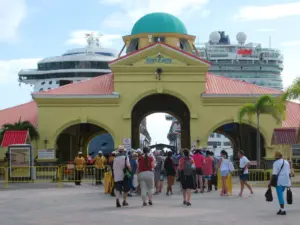
Exiting the terminal you will see a mix of port administration buildings, local taxi ranks, and small shops or cafés. Crowds are heaviest during the first and last hours of the port day. The immediate surroundings are typically safe and functional, though sometimes industrial or unremarkable. Within a 10-minute walk you should find the start of the town proper, local markets, or waterfront area.
Local Food & Drink
Local restaurants and street vendors near cruise ports offer authentic, affordable meals—typically $3–10 USD for a main course. Markets and casual eateries are the best bets for quick, cheap, and genuine food. Seafood, fresh vegetables, and regional specialties are usually available and reliable.
Avoid eating in cruise-line restaurants or tourist-targeted establishments within the port zone; markups are steep. Ask locals or crew for current recommendations rather than relying on outdated guides.
Shopping
Port gift shops and tourist markets near the terminal are expensive and sell generic items. If you want to shop, head to the local market or town center for authentic handicrafts, fresh produce, or regional goods at fair prices. Duty-free shops (if available) may offer reasonable deals on alcohol and tobacco, but comparison shopping is wise.
Money & Currency
- Currency
- Check locally for regional currency
- USD Accepted?
- No
- Card Payments
- Major cards widely accepted in urban ports; cash is safer in markets
- ATMs
- Usually available within 5–10 minutes walk of the terminal
- Tipping
- 10–15% in restaurants if a service charge is not included; not expected in markets or for taxi rides
- Notes
- Ask crew or terminal staff for local currency exchange rates and ATM locations before disembarking.
Weather & Best Time
- Best months
- Port-dependent; check your specific destination
- Avoid
- Port-dependent; hurricane/typhoon season varies by region
- Temperature
- Varies widely by location and season
- Notes
- Pack layers and sun protection. Ask crew for current local weather and any advisories.
Airport Information
- Airport
- Check locally for nearest airport
- Distance
- Varies
- Getting there
- Typically taxi, shuttle, or rental car; confirm with crew or port information
- Notes
- Airport transfers are usually available through the cruise line for pre- or post-cruise stays. Arrange in advance if needed.
Getting Around from the Port
The terminal and immediate dock district are pedestrian-accessible. Nearby shops, cafés, and markets are usually within 5–15 minutes on foot.
Taxis queue outside the terminal. Negotiate fare or ask terminal staff for typical costs before boarding.
Book a transfer 5% off with code TPO5 at checkoutCruise lines and independent operators run shuttles to nearby towns or attractions. Book on board or inquire at the terminal.
Book a transfer 5% off with code TPO5 at checkoutDetails last checked April 2026
Check The Port Traffic
Cruise Ships in Port
Once you have your shore plan, use the schedule to see how busy the harbour will be on your date, plus the ships, lines, and published call windows.
Practical Tips for Cruise Passengers
- Confirm your ship's all-aboard time with crew before disembarking; stay within a 30-minute round-trip of the terminal if you have fewer than 4 hours ashore.
- Ask terminal staff or crew for safe walking routes, current market hours, and typical taxi fares before leaving the ship.
- Carry only what you need: minimal cash, one credit card, ID, and phone. Leave valuables in your cabin.
- Return to the ship at least 30–45 minutes before all-aboard time to account for security lines and unexpected delays.
Frequently Asked Questions
Yes, if you stay in populated areas during daylight and avoid displaying valuables. Ask crew for recommended routes and avoid poorly lit or empty streets. Most cruisers have safe, uneventful port days using basic caution.
Walk the immediate port area and a nearby market or town center (1–2 hours), eat a local meal (45 minutes to 1 hour), and return to the ship with time to spare. This low-risk plan works for most cruisers.
Self-exploration is usually safe and cheaper if you stay near the terminal and use official taxis. Book an excursion only if you want structured access to distant sites or prefer organized transport.
Find cruises to Cruise Port Guide, Search
Compare sailings and book with no fees — best price guaranteed.
We may earn a commission when you book through our links, at no extra cost to you — it’s how we keep these guides free.
✉ Sailing to Cruise Port Guide: Things to Do & Practical Tips? Get your port-day plan
Tell us your sail date and we’ll email you a short Cruise Port Guide: Things to Do & Practical Tips plan about 60 days out — when the good excursions start selling out — plus a final checklist 2 weeks before. Two emails, then done. Unsubscribe anytime.