Koningsdam
Arrive 08:00 AM | Depart 05:00 PM
Itinerary: 35 Nights Hawaii Cruise (35 nights)
Ships anchor offshore; tender boats required to reach the small island.
The lagoon reef is the main draw. Coral formations, reef fish, and occasionally rays or small sharks are visible in 10–20 ft of water. Entry is easy from the beach; no boat required. Conditions are usually calm.
Fanning is home to frigatebirds, boobies, herons, and migratory seabirds. Inland coconut and pandanus forest offers birdwatching opportunities. A short walk (1–2 km) yields good sightings without a guide, or join a ship-organized tour for detailed identification.
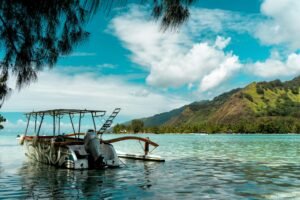
The shallow, warm lagoon is ideal for swimming, wading, and relaxing. No currents or rough surf; the water is calm and clear. Bring a towel and sit on the sand; this is a low-key, peaceful way to spend hours.
Book with the ship, or on your own?
Booking independently
When the ship’s excursion makes sense
We may earn a commission when you book through our links, at no extra cost to you — it’s how we keep these guides free.
Fanning Island (Tabuaeran) is a remote atoll in the central Pacific, part of Kiribati. Ships anchor in the lagoon; there is no pier or developed port infrastructure. This is an expedition destination, visited by small luxury and expedition cruisers (Lindblad, Silversea, Seabourn, Ponant, Windstar). The island has virtually no tourism infrastructure—no hotels, few restaurants, minimal shops—and is inhabited by a small local population. Why come ashore? Pristine snorkeling, calm lagoon swimming, authentic Pacific island solitude, and birdwatching. Why skip it? If you need services, shopping, or guaranteed accessibility, Fanning is not for you. Tender landings depend entirely on weather and sea state; rough conditions can cancel shore access altogether. Plan for 4–6 hours ashore; longer stays depend on organized island tours or repeat water activities.
Fanning Island is safe for tourists. Petty theft is rare; locals are accustomed to visitors. Crime is minimal. However, natural hazards are real: reef cuts, sea urchins, and coral injuries are possible when snorkeling or wading. Wear reef shoes or sturdy sandals. Sun exposure is intense; sunscreen and hats are essential. The atoll is remote; medical facilities are very limited—serious injuries require evacuation by ship or aircraft. Bring any needed medications onboard. Respect local customs: ask permission before photographing people or entering inhabited areas. Dress modestly outside the beach. Check weather conditions each morning; seas can change rapidly, and tender operations may be delayed or canceled.
Fanning Island is not wheelchair-accessible. The tender landing is a natural beach with a shallow wade-ashore; mobility aids won't help, and assistance will be limited. Terrain is flat sand and coral; walking is feasible for those with mobility, but there are no paths, ramps, or facilities. If you have reduced mobility, discuss shore options with ship staff before arrival. Those who can wade and walk short distances will manage; others may need to remain onboard.
You will land on a shallow lagoon beach via tender. The first impression is pristine tropical calm: clear shallow water, soft sand, sparse palms, and quiet. There are usually a few small buildings (a radio station, government office, or local meeting house) visible inland but no shops or crowds. The air smells of salt and vegetation. Locals may be present but are not aggressive or intrusive. There is no formal 'arrival' process—you simply step off the tender and are ashore. Bring everything you need: water, snacks, sun protection, and towels. Plan to spend most time in or near the water.
Shallow, calm water; soft sand; very shallow entry. Ideal for swimming, wading, and families. Clear water allows snorkeling within 10–20 m of shore. No facilities or shade; bring umbrella or towel for sun cover.
Longer walk (20–30 min) to a more remote beach with slightly deeper reef access. Fewer visitors; good for snorkelers seeking more challenge or solitude. More coral debris; wear reef shoes.
There are no restaurants on Fanning Island. Plan to eat all meals onboard. Some ships offer packed lunches if you request in advance; ask your concierge. Fresh water is available but limited; bring water from the ship. Locals may sell fresh coconuts or simple snacks informally; ask at the landing. Bring non-perishable snacks (energy bars, fruit, nuts) for your time ashore. Dining ashore is not an option; all food planning must happen on the ship.
There are no shops on Fanning Island. Do not expect to purchase souvenirs, gifts, supplies, or anything else. If you want a souvenir, bring items from the ship or ask locals directly—some may sell shells, carvings, or crafts informally at the landing. Prices are not fixed; negotiate respectfully. Plan all purchases before arrival. Cash (Australian dollars or US dollars) is more useful than cards, as there are no vendors with payment systems.
The ship anchors in the lagoon. Tenders ferry passengers to a shallow beach landing area. This is the only transport option; there is no dock, ferry service, or harbor infrastructure.
Book ferry ticketsFanning is small (about 34 sq km); most beach and snorkel access is within a 15–30 min walk from the main landing. No roads or vehicles; walking is informal and unguided.
Your ship may offer guided walks, birdwatching trips, or cultural visits led by locals. These are typically booked in advance or onboard.
Details last checked April 2026
Check The Port Traffic
Once you have your shore plan, use the schedule to see how busy the harbour will be on your date, plus the ships, lines, and published call windows.
Arrive 08:00 AM | Depart 05:00 PM
Itinerary: 35 Nights Hawaii Cruise (35 nights)
Planning a cruise here?
Lindblad Expeditions, Silversea, Seabourn & more sail to Fanning Island.
No restaurants or shops exist. Bring water and snacks from the ship. Some ships offer packed lunches if requested in advance. Locals rarely sell food; do not count on it.
You will remain onboard. Rough seas or high swell can cancel landings. Check with ship staff each morning; they will notify you by morning if shore access is unsafe. Have alternative onboard activities planned.
Lagoon snorkeling is safe for confident swimmers; water is calm and shallow. Coral cuts and sea urchins are hazards—wear reef shoes. Weaker swimmers should stay in shallow areas near shore. Reef diving (deeper areas) requires experience. Always snorkel with a buddy.
Find cruises to Fanning Island, Kiribati
Compare sailings and book with no fees — best price guaranteed.
We may earn a commission when you book through our links, at no extra cost to you — it’s how we keep these guides free.
Tell us your sail date and we’ll email you a short Fanning Island plan about 60 days out — when the good excursions start selling out — plus a final checklist 2 weeks before. Two emails, then done. Unsubscribe anytime.