Australia & Pacific
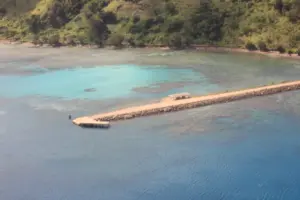
Small island port with tender boats required to reach the shore.
Choose the Right Port Day
Best Overall
Combine a guided village tour with reef snorkeling or a short nature walk. This balances cultural immersion and nature in a short port day.
Best Beach
Fulaga's lagoon and reef-adjacent beaches are the main attraction; ask crew on arrival for current best snorkeling access.
With Kids
Beach swimming and shallow reef exploration are safe and engaging; younger kids may tire on longer village walks.
Only 3-4 Hours
Land, walk through the small village to meet locals, swim or snorkel off the nearby beach, and return to the ship. Skip organized tours if time is tight.
Cheapest Option
Land for free, explore the village on foot (free), and swim off the public beach (free). Budget ~$0–20 USD unless you book a guide or water-sport rental.
What To Avoid
Do not expect restaurants, shops, or formal attractions. Do not assume reef access or snorkeling equipment is available; confirm with your cruise line before arrival.
Quick Take
- Port Type
- Expedition / Small Ship Port
- Best For
- Snorkeling, diving, village exploration, nature walks, tropical island immersion
- Avoid If
- You need shopping, dining variety, or significant developed infrastructure
- Walkability
- Limited; mostly village footpaths and beach access. No paved roads or formal transport within the island.
- Budget Fit
- Budget-friendly if you skip organized excursions; activities are largely natural and low-cost.
- Good For Short Calls?
- Good fit; 3–4 hours ashore is realistic for beach time and a village walk.
Port Overview
Fulaga is a remote outer island in Fiji's Lau Group, served by small-ship and expedition cruises (Windstar, Ponant, Lindblad, APT). Ships anchor offshore; a small village of fewer than 500 residents occupies the western shore. The island is known for pristine reef, tropical forest, and authentic village life—not infrastructure or commerce.
Ships tender passengers ashore to a basic landing point near the village. There are no cruise terminals, formal docks, taxis, or shopping districts. What you get is direct access to nature and a chance to interact with an isolated Fijian community on their terms.
Fulaga is not a destination for port-day tourism; it is a stop on an expedition itinerary. If your ship calls here, plan around snorkeling, village walks, and natural beauty rather than structured attractions or meals.
Top Things To Do
1
Reef snorkeling
Fulaga's lagoon reef is shallow, clear, and rich with coral and tropical fish. Access varies by tide and weather. Some ships organize group snorkeling; others allow independent exploration off the main beach.
2
Village walk and cultural exchange
Explore the small village on foot, meet residents, see traditional homes and plantations, and learn about daily life. There are no museums or formal tours, but the village chief or a local resident may offer informal guidance if approached politely.
3
Nature walk and bird watching
Forested trails lead to viewpoints and interior plantations. Tropical birds, coconut crabs, and native flora are common. Trails are not marked; a local guide is highly recommended.
Book with the ship, or on your own?
Booking independently
- Often noticeably cheaper than the ship’s version of the same tour.
- Smaller groups and local operators, with traveler reviews you can read before you pay.
- Free cancellation on most tours, usually up to 24 hours before.
When the ship’s excursion makes sense
- Short port calls or long transfers where the timing is tight.
- Tender-only stops where getting ashore can run late.
- The ship waits for its own delayed excursions — it won’t wait for independent ones, so leave a buffer before all-aboard.
We may earn a commission when you book through our links, at no extra cost to you — it’s how we keep these guides free.
Is It Safe?
Fulaga is safe and welcoming to cruise visitors. Petty theft is extremely rare; the village is small and crime is not a concern. Respect local customs: avoid photographing people without permission, and dress modestly when in the village.
Beach and water safety are the main considerations. Reef edges can be sharp; wear reef shoes and watch for sea urchins. Ask locals about current conditions before entering unfamiliar water. Sun exposure is intense; use high-SPF sunscreen and limit midday exposure.
The island has no police, hospital, or emergency services on-site. Any medical issue requires evacuation to a larger island. Your ship's medical team will advise. Do not venture into remote areas alone after dark.
Accessibility & Walkability
Fulaga is not accessible for travelers with mobility challenges. The landing is a basic beach with no formal dock or ramp. The village has no paved roads, curbs, or sidewalks—only sandy and dirt footpaths. Beaches are sandy and may be steep near the tide line.
Wheelchair users and those with limited mobility should not plan to go ashore. If you have moderate mobility concerns, consult with the cruise line before arrival; a crew member may be able to assist with tender boarding and a short beach visit, but village exploration is unrealistic.
Outside the Terminal
Upon landing on the beach, you will see a small village of traditional fale (open-sided huts) and simple houses set back from the shore. A few villagers may greet tender passengers; the atmosphere is calm and curious rather than touristy. There is no vendor area, no organized information desk, and no formal welcome structure.
The beach is clean and tropical. Coconut palms, pandanus, and tropical trees line the sand. The reef is visible in clear water offshore. The air is warm and humid, and the soundscape is quiet—mostly waves, birds, and distant voices. Expect no cars, no shops visible from the beach, and a very slow pace.
Beaches Near the Port
Fulaga main beach
The primary landing beach on the western shore, adjacent to the village. Sandy, palm-lined, and shallow at the tide line. Clear water and good snorkeling access off the reef edge.
Eastern and southern beaches
Quieter, less-visited beaches on the opposite side of the island. Accessible via village footpaths. Fewer people and good for exploration, though no facilities.
Local Food & Drink
Fulaga has no restaurants or food vendors. You will not find shops or cafes selling meals. Your ship's food and any provisions you bring are your only options.
If you are invited into a home or the village hosts a communal meal, politely decline unless your cruise line has arranged it. Do not expect to purchase food ashore.
Bring water, snacks, and sun protection. Eat a good breakfast on the ship before tendering ashore.
Shopping
There is no shopping on Fulaga. No craft stalls, no markets, no tourist shops. The village has a small copra (dried coconut) operation and basic subsistence agriculture, but nothing is for sale to visitors.
Do not count on buying souvenirs, gifts, or supplies here. Bring any items you need from the ship or a previous port.
Money & Currency
- Currency
- Fiji dollar (FJD)
- USD Accepted?
- Yes
- Card Payments
- No ATMs or card readers. Cash only if needed for a small village donation.
- ATMs
- None
- Tipping
- Not expected. A modest cash gift (FJD 10–20 or USD 5–10) to a guide or host is gracious.
- Notes
- Bring USD and coins from the ship. The village does not operate on tourism; money is rarely exchanged. Most interaction is cultural and non-transactional.
Weather & Best Time
- Best months
- May–October (dry season; cooler and calmer seas)
- Avoid
- November–April (cyclone season; high humidity and rough seas)
- Temperature
- 25–28 °C (77–82 °F) year-round; humidity always high
- Notes
- Fiji's outer islands are exposed to trade winds. Winter (May–Oct) is more stable for tender operations. Cyclone risk peaks January–March. Reef visibility is best in dry season.
Airport Information
- Airport
- Nausori International Airport (Suva) or Kadavu Airport (smaller regional hub)
- Distance
- 50–100 km by boat and road from Fulaga
- Getting there
- No direct air service to Fulaga. Cruise ships are the primary transport link. Regional ferries run from Suva or Kadavu to outlying islands, but are slow and infrequent.
- Notes
- Fulaga is reached exclusively by ship or chartered boat. There is no airport on the island. Do not plan independent pre- or post-cruise stays here.
Getting Around from the Port
Tender boat
Ships anchor offshore and tender passengers to a basic beach landing near the village.
Book ferry ticketsOn foot
Once ashore, the village is walkable. Footpaths lead to the beach, interior plantations, and outlying hamlets.
Organized excursions
Your cruise line or a local guide may offer reef snorkeling, village tours, or nature walks.
Details last checked August 2026
Check The Port Traffic
Cruise Ships in Port
Once you have your shore plan, use the schedule to see how busy the harbour will be on your date, plus the ships, lines, and published call windows.
Sun
Mon
Tue
Wed
Thu
Fri
Sat
1
2
3
4
5
6
7
8
9
10
11
12
13
14
15
16
17
18
19
20
21
22
23
24
25
26
27
28
29
30
Quiet (1–2)
Busy (3–4)
Packed (5+)
0 scheduled calls
August 26, 2026
No scheduled cruise ship calls were found for this date selection. Pick a highlighted day on the calendar above, widen the range, or search for a different ship or line.
Planning a cruise here?
Seabourn sail to Fulaga.
Practical Tips for Cruise Passengers
- Bring snorkeling gear if you own it; reef shoes are essential. Ask your ship what equipment is available; the village does not rent gear.
- Pack extra water, sun protection, and snacks. There is no food for sale, and sun exposure is intense.
- Respect the village's pace and privacy. Ask permission before photographing people or entering homes.
- Tender schedules depend on weather and village coordination. Do not plan a tight onboard timeline; be flexible if the landing is delayed or cancelled.
Frequently Asked Questions
It is typically a 3–5 hour stop. Ships tender passengers ashore for snorkeling, village exploration, or a nature walk, then depart. There are no overnight stays for cruise passengers.
No. There are no shops, restaurants, or vendors. Bring snacks and water from the ship, and plan meals on board.
The reef is shallow and gentle in the lagoon, suitable for beginners. Always ask locals about current conditions, wear reef shoes, and snorkel in groups. Rough seas may restrict access.
Find cruises to Fulaga, Fiji
Compare sailings and book with no fees — best price guaranteed.
We may earn a commission when you book through our links, at no extra cost to you — it’s how we keep these guides free.
✉ Sailing to Fulaga? Get your port-day plan
Tell us your sail date and we’ll email you a short Fulaga plan about 60 days out — when the good excursions start selling out — plus a final checklist 2 weeks before. Two emails, then done. We’ll send one note to confirm it’s really you — unsubscribe anytime.
Same itinerary network
View All
Ports Often Paired With Fulaga

Australia & Pacific

Australia & Pacific

Australia & Pacific