

Australia & Pacific
Ships anchor offshore; passengers tender to Funafuti wharf via small boats.
Top Things To Do
1
Snorkeling boat day trip (outer reefs or Nukulaelae atoll)
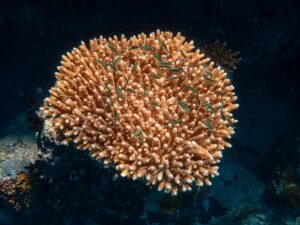
Funafuti's main draw. Water is clear, reefs are pristine, and marine life is abundant. Local guides know good sites. This is the singular reason to spend a full day here.
⚡ Popular — books out early. Reserve before you sail.
2
Funafuti town walk and cultural immersion
Explore the capital on foot: Government Building, small market, local shops, wharf, school campus, church. Visit Tuvalu National University or ask locals about daily life. No formal museum, but the island itself is the experience.
3
Funafuti Beach and lagoon swim
The main public beach is calm, shallow, and suitable for wading. Water is warm year-round but can be murky. No facilities, no vendors. Good for cooling off; limited for snorkeling.
4
Visit a local school or community project (by invitation)
Some cruise lines arrange informal visits to schools or community initiatives. This offers genuine cultural exchange and supports locals directly. Always coordinate through your ship.
Book with the ship, or on your own?
Booking independently
- Often noticeably cheaper than the ship’s version of the same tour.
- Smaller groups and local operators, with traveler reviews you can read before you pay.
- Free cancellation on most tours, usually up to 24 hours before.
When the ship’s excursion makes sense
- Short port calls or long transfers where the timing is tight.
- Tender-only stops where getting ashore can run late.
- The ship waits for its own delayed excursions — it won’t wait for independent ones, so leave a buffer before all-aboard.
We may earn a commission when you book through our links, at no extra cost to you — it’s how we keep these guides free.
Quick Take
- Port Type
- Expedition / Remote Pacific Atoll
- Best For
- Expedition cruisers, culture enthusiasts, snorkelers willing to organize own gear; not for activity-packed itineraries.
- Avoid If
- You want infrastructure, restaurants, shopping, or lots of scheduled activities—this is a subsistence island with minimal tourism setup.
- Walkability
- Very limited. Funafuti town is compact (can walk in 30 min), but attractions and snorkel sites require boats or infrequent transport.
- Budget Fit
- Budget-friendly for basics (local meals ~$3–6 USD), expensive for organized activities; many require private boat hire ($150–300+ USD).
- Good For Short Calls?
- Realistic. Walk town, visit one cultural site, grab lunch. Snorkeling requires full day and advance planning.
Port Overview
Funafuti is the capital of Tuvalu, a tiny coral atoll nation in the central Pacific. Ships anchor offshore; passengers tender to a simple concrete wharf in the center of Funafuti town, a low-density settlement of government buildings, shops, and residential areas. The port is genuinely remote—do not expect infrastructure, crowds, or commercial tourism trappings. This is a working island where locals fish, farm coconuts, and live without heavy tourist traffic. The appeal is raw Pacific culture, pristine reef snorkeling (if you organize it), and the rarity of the destination itself.
Is It Safe?
Funafuti is generally safe for visitors, but this is a developing nation with minimal tourism infrastructure. Petty theft from unattended bags is possible; keep valuables with you. Medical facilities are extremely limited (basic clinic only; serious emergencies may require evacuation to Fiji). The atoll has cyclone risk during November–April. Tap water quality is questionable; drink bottled water. Walking at night is not recommended. Respect local customs: dress modestly, ask permission before photographing people, and avoid areas that feel unwelcoming. The island has no police presence in many areas; use common sense.
Accessibility & Walkability
Accessibility is poor. Terrain is sandy and uneven; no curbs, ramps, or disabled facilities. The tender to shore is a basic skiff with ladder or ramp—wheelchair users will struggle. Shops and buildings are not ADA-compliant. If you have mobility concerns, strongly coordinate with your ship's accessibility officer before arrival.
Outside the Terminal
The wharf is utilitarian: simple concrete structure, no shops or facilities directly at the dock. After clearing the tender, you emerge onto a sandy/dusty area with small local shops, a few parked motorcycles, and people going about daily life. There are no tourist hustlers or aggressive vendors—this is refreshingly low-key. Within 5 minutes, you can reach the main road and town buildings. Expect a quiet, undeveloped tropical environment.
Beaches Near the Port
Funafuti Public Beach (Funafuti Beach)
Main accessible beach, calm lagoon water, shallow, sandy. No shade, no amenities. Suitable for wading and photography; snorkeling is limited due to murky water near shore.
Outer reef and atoll snorkel sites (via boat)
Pristine reefs and clear water; true snorkeling happens here, not at town beach. Various named sites like Funafuti South Reef, Nukulaelae. Requires private or shared boat charter.
Local Food & Drink
Dining is minimal and casual. There are a few small shops and eateries in Funafuti town selling simple meals: rice, fish, coconut curry, fresh fruit, and occasional noodles. Prices are low (~$3–6 USD per meal) but hygiene standards may not match developed-country expectations. Your best bet is to eat at a local shop near the market or wharf, or pack snacks from the ship. Do not expect restaurants in the Western sense; this is subsistence-level eating. Some cruise ship menus may offer Tuvaluan specialties. Vegetarian options are limited. Drinks include coconut water and local sodas.
Shopping
Shopping is extremely basic. The main market near the wharf has fresh produce, coconuts, and local crafts (shell necklaces, woven items). Shops sell essentials—snacks, drinks, basic supplies—but few souvenirs or consumer goods. Prices are not cheap despite the low-income island (limited supply drives costs up). Do not expect malls, boutiques, or tourism-grade gift shops. Most cruisers buy a few shell items or fresh coconuts as keepsakes rather than serious purchases.
Money & Currency
- Currency
- Tuvaluan Dollar (TVD); USD also widely accepted
- USD Accepted?
- Yes
- Card Payments
- Very limited. ATM at National Bank of Tuvalu (near wharf) may not always function; withdraw cash before arrival or rely on USD.
- ATMs
- One ATM near the wharf; often non-functional or out of cash. Do not rely on it.
- Tipping
- Not customary, but small tips (USD $1–2) for guides, boat operators, or service are appreciated.
- Notes
- Bring sufficient USD cash. Credit cards rarely accepted. ATM is unreliable—this is a cash-only environment.
Weather & Best Time
- Best months
- May–October (dry season, cooler, lower cyclone risk)
- Avoid
- November–April (hot, humid, cyclone risk)
- Temperature
- Expedition cruises typically visit May–October; daytime temps 28–30°C (82–86°F), humidity high year-round
- Notes
- Tropical climate; always bring sunscreen, hat, light rain jacket. Cyclone season is real; ship itineraries avoid Nov–Apr.
Airport Information
- Airport
- Funafuti International Airport (FUN)
- Distance
- ~3 km (2 miles)
- Getting there
- Taxi (rare, arrange via hotel/contact); walking is not practical due to heat and road conditions; ship may arrange transfer.
- Notes
- Limited flights; mostly regional service via Fiji. Not a typical pre-cruise embarkation point. Few tourists arrive by air.
Getting Around from the Port
Walking
Funafuti town is walkable and compact; you can cover the main streets in 30–45 minutes. No sidewalks; roads are narrow and unpaved in places.
Taxi
Taxis exist but are infrequent and not meter-based. Pre-arrange through your ship or hotel contact if needed.
Book a transfer 5% off with code TPO5 at checkoutPrivate boat charter
Essential for snorkeling, reef visits, and outer-island exploration. Book through your cruise line's shore excursion desk or via guides known to your ship.
Book a transfer 5% off with code TPO5 at checkoutDetails last checked April 2026
Check The Port Traffic
Cruise Ships in Port
Once you have your shore plan, use the schedule to see how busy the harbour will be on your date, plus the ships, lines, and published call windows.
Sun
Mon
Tue
Wed
Thu
Fri
Sat
1
2
3
4
5
6
7
8
9
10
11
12
13
14
15
16
17
18
19
20
21
22
23
24
25
26
27
28
29
30
31
Quiet (1–2)
Busy (3–4)
Packed (5+)
0 scheduled calls
July 7, 2026
No scheduled cruise ship calls were found for this date selection. Pick a highlighted day on the calendar above, widen the range, or search for a different ship or line.
Planning a cruise here?
Ponant, Lindblad Expeditions, Hurtigruten & more sail to Funafuti.
Practical Tips for Cruise Passengers
- Book snorkeling boat trips in advance through your cruise line's shore excursion desk—do not wait until arrival, as local availability is unpredictable.
- Bring reef-safe sunscreen, a wide-brimmed hat, and sturdy water shoes; there are no vendors selling these on the island.
- Carry sufficient USD cash; the ATM is unreliable and cards are almost never accepted.
- Ask permission before photographing people or homes; locals are welcoming but deserve respect and privacy.
- Expect minimal English outside government and tourism contacts; a few key phrases in local Tuvaluan or Samoan are appreciated.
Frequently Asked Questions
Yes, if you book a snorkeling boat trip; the reefs are pristine and the destination is genuinely rare. If you skip snorkeling, a 3–4 hour town walk and beach swim are interesting but not exceptional. This is an expedition-style port, not a resort port.
The town beach water is murky and lacks good reef access. Real snorkeling requires a boat to outer reefs or nearby atolls (15–45 min away). Book a charter through your ship.
Bring $50–100 USD per person for lunch, snacks, and small purchases. ATM is unreliable; don't count on it. If taking a private boat tour, cash is typically required.
Find cruises to Funafuti, Tuvalu
Compare sailings and book with no fees — best price guaranteed.
We may earn a commission when you book through our links, at no extra cost to you — it’s how we keep these guides free.
✉ Sailing to Funafuti? Get your port-day plan
Tell us your sail date and we’ll email you a short Funafuti plan about 60 days out — when the good excursions start selling out — plus a final checklist 2 weeks before. Two emails, then done. Unsubscribe anytime.
Australia & Pacific
View All
More Australia & Pacific Ports
Australia & Pacific

Solomon Islands
Florida Islands Cruise Port Guide: Things to Do & Practical Tips
Australia & Pacific

Papua New Guinea
Kiriwina Island Cruise Port Guide: Things to Do & Practical Tips
Australia & Pacific
