Position via AIS — updated periodically, not real-time.
About MS Spitsbergen
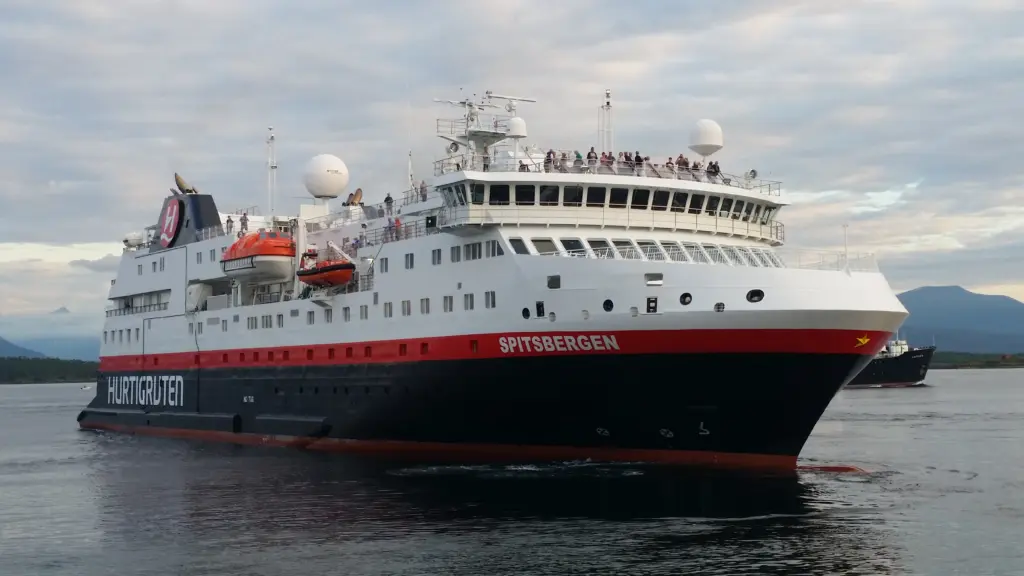
MS Spitsbergen is a compact, ice-strengthened expedition ship operated by HX Expeditions. Originally built as the ferry Atlântida, she was converted and comprehensively rebuilt before joining the Hurtigruten expedition fleet in 2016. Her small scale supports a relaxed onboard atmosphere and access to destinations that are unsuitable for larger cruise ships. The ship combines Scandinavian-inspired interiors with expedition facilities designed for wildlife viewing, lectures, shore landings and scientific engagement.
Ship at a Glance
Operator
HX Expeditions
Builder / shipyard
Estaleiro Navais de Viana do Castelo, Portugal
Registry / flag
Norway
IMO number
9434060
MMSI
310871000
Draft
5.2 m
Previous names
Atlântida; Norway Explorer
Onboard Experience
Signature highlights
The ship features an onboard Expedition Team, panoramic Explorer Lounge, observation areas and a Science Center with lecture, library, workshop and citizen-science facilities. Its compact design is intended to support close access to remote polar destinations.
Dining
Dining includes a main restaurant and the Brygga Bistro, which provides casual snacks and lighter dishes between expedition activities.
Entertainment
Programming centers on daily lectures, multimedia presentations, destination interpretation and evening gatherings led by the Expedition Team rather than large-scale theatrical entertainment.
Staterooms & suites
The ship offers 94 passenger cabins, including expedition suites and selected suites with balconies. Cabins use a modern Scandinavian design and range from interior rooms to accommodations with wide windows.
Pools, spa & wellness
Wellness facilities include a sauna and a passenger gym.
Accessibility
HX has incorporated accessibility improvements into the ship's modernization, and the vessel includes elevators and accessible public areas; cabin-specific accessibility should be confirmed before booking.
Environmental features
The Science Center supports educational programming and citizen-science activity, while the expedition model emphasizes small-ship access and interpretation of sensitive polar environments.