

South America
South America
Isla Pan de Azúcar Cruise Port Guide: Desert & Wildlife Viewing in Chile
Chile
Ships anchor offshore; tenders required to reach the island.
Choose the Right Port Day
Best Overall
Ship-organized Humboldt penguin and sea-lion wildlife viewing via tender with a naturalist guide. This is why the port exists, and the ship's logistics are safest and most reliable.
Best Beach
Not a beach destination. The island is rocky, with minimal sandy shore. Swimming is not typical; focus is wildlife and geology.
With Kids
Younger children (6+) can join wildlife-viewing excursions, but the boat ride is rough and time ashore is limited. Confirm with the line before booking.
Only 3-4 Hours
Join the ship's organized Humboldt penguin & sea-lion wildlife viewing tender tour (usually 2–3 hours) with a naturalist guide. It's the most efficient use of brief time and requires no independent logistics.
Cheapest Option
Ship-included naturalist briefing and deck observation of wildlife from the ship while at anchor; no tender needed. Otherwise, most organized tours are USD $80–150 per person.
What To Avoid
Do not attempt independent exploration or rowboat hiring without ship liaison; conditions are harsh, currents are unpredictable, and the island is protected. Avoid high-season crowds (Nov–Feb) if you want solitude.
Top Things To Do
1
Humboldt Penguin & Sea-Lion Wildlife Viewing
The primary reason to visit. A naturalist guides small groups via tender around the island, pointing out Humboldt penguins (a species under threat), sea lions, otters, and endemic seabirds. Sightings are usually reliable but never guaranteed. Binoculars and camera equipment are essential.
⚡ Popular — books out early. Reserve before you sail.
2
Guided Desert & Geology Walk
A 1–2 hour naturalist-led walk across rocky terrain, exploring the island's geology, sparse desert vegetation, and guano deposits. Naturalists explain the ecosystem, geology, and conservation status of the reserve.
3
Deck-Based Wildlife Observation from Ship
If tender landings are canceled due to weather, the ship often remains at anchor long enough for passengers to observe wildlife from the deck with binoculars and telescopes. Ship naturalists provide live commentary.
Book with the ship, or on your own?
Booking independently
- Often noticeably cheaper than the ship’s version of the same tour.
- Smaller groups and local operators, with traveler reviews you can read before you pay.
- Free cancellation on most tours, usually up to 24 hours before.
When the ship’s excursion makes sense
- Short port calls or long transfers where the timing is tight.
- Tender-only stops where getting ashore can run late.
- The ship waits for its own delayed excursions — it won’t wait for independent ones, so leave a buffer before all-aboard.
We may earn a commission when you book through our links, at no extra cost to you — it’s how we keep these guides free.
Quick Take
- Port Type
- Remote expedition port
- Best For
- Wildlife enthusiasts, desert landscape photographers, expedition-cruise passengers accustomed to small-group, naturalist-led activities.
- Avoid If
- You want shopping, dining, nightlife, or comfort amenities. This is a land-excursion port with minimal shore infrastructure.
- Walkability
- Not applicable. Access is by organized tender and guide only; no independent exploration.
- Budget Fit
- Most activities are ship-organized or part of expedition packages. Private guides or boat rentals are limited.
- Good For Short Calls?
- Yes. Most outings (2–4 hours ashore) cover wildlife viewing or a guided desert walk.
Port Overview
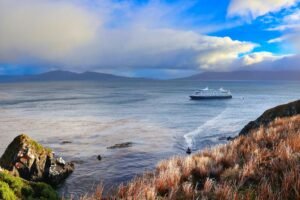
Isla Pan de Azúcar lies off Chile's far-northern Atacama Desert coast, accessible only by tender. Ships anchor offshore; no dock or terminal exists. The island is a protected nature reserve, home to Humboldt penguins, sea lions, otters, and numerous seabirds. Visits are almost always guided and organized by the ship, with naturalists leading wildlife observation and brief desert walks.
This is a specialist port, not a leisure destination. There are no shops, restaurants, or tourist infrastructure ashore. All activity is structured, and independent wandering is prohibited. The appeal is raw desert ecology and wildlife—not comfort or choice. Conditions can be windy and rough, and the port is weather-dependent; cancellations are common.
Expedition and luxury small-ship cruises (Seabourn, Ponant, Lindblad, Hurtigruten, Silversea, Regent, Azamara, Celebrity, Oceania) include this port as a signature highlight. A typical port day runs 3–5 hours, often combined with other nearby Atacama ports.
Is It Safe?
Isla Pan de Azúcar is a protected reserve under Chilean law. Independent exploration is forbidden; all visits must be with a ship guide or authorized naturalist. Penalty fines are steep, and rescue is difficult and slow.
Sea conditions can turn suddenly. Tender operations may be canceled or delayed without notice, especially in afternoon or if wind increases. Have a backup plan (ship time, reading, other deck activities) if your excursion is postponed. The island itself is safe when supervised; wildlife is habituated and generally unafraid, but do not approach penguins or sea lions directly.
There are no medical facilities on the island. Serious injury requires evacuation by ship; ensure you have travel insurance that covers remote-area rescue.
Accessibility & Walkability
The island has no accessible infrastructure. Tender boarding involves climbing in and out of small boats, often in choppy sea. The landing beach is rocky and uneven; pathways are unmarked and steep in places. Wheelchair users cannot be accommodated. Visitors with limited mobility should consult the expedition team before booking; alternative ship-based observation may be offered.
Outside the Terminal
There is no terminal. Passengers disembark via tender to a small, rocky landing area. Expect minimal shore infrastructure—no benches, shelter, restrooms, or services. The island feels raw and uninhabited by design. Naturalists meet tenders and begin briefings immediately. Bring water and sun protection; there is nowhere to buy supplies.
Beaches Near the Port
Rocky Landing Cove (Isla Pan de Azúcar)
Not a swimming beach. Rocky, wave-exposed cove where tenders land. Seals and penguins inhabit nearby rocks. The focus is wildlife observation, not bathing.
Local Food & Drink
There are no restaurants, cafés, or food vendors on Isla Pan de Azúcar. All food and beverages must be sourced from the ship before tendering ashore. Bring water (at least 1–2 liters), snacks, and sun protection. The port day is short, so most cruisers eat lunch aboard before or after the excursion. No picnicking is permitted on the island.
Shopping
No shops or gift stands exist on the island. All souvenir and supply shopping must be done aboard the ship. Some expedition cruises offer naturalist-authored books, regional field guides, and photography prints in the ship's shop; these are relevant to Atacama and wildlife themes.
Money & Currency
- Currency
- Chilean Peso (CLP)
- USD Accepted?
- No
- Card Payments
- Not applicable; no vendors on the island.
- ATMs
- None on the island. Nearest ATMs are in Antofagasta or Caldera (port cities, 1–3 hours away by ship).
- Tipping
- Tipping ship naturalists and guides is customary (USD $10–20 per person for a full excursion). Tip in USD or note on your shipboard account.
- Notes
- Carry no cash or valuables ashore; there is nowhere to spend it and nowhere secure to store it.
Weather & Best Time
- Best months
- September–November (spring) and March–May (autumn). Clear skies, moderate temperatures (15–22°C / 59–72°F), calmer seas.
- Avoid
- June–August can be cool and rough (winter); December–February are warm but increasingly crowded (austral summer).
- Temperature
- Daytime 12–20°C (54–68°F) year-round. Nights can drop to 8–12°C. Wind is constant; bring a windproof layer.
- Notes
- The Atacama is one of Earth's driest regions; rain is rare. Sun exposure is intense despite cool temps. Wear SPF 50+ sunscreen and a hat. Afternoon sea conditions often worsen; morning excursions are safer.
Airport Information
- Airport
- Aeropuerto Internacional Andrés Sabella Gálvez (ANF, Antofagasta)
- Distance
- Approximately 110 km south of Isla Pan de Azúcar (measured from the ship's likely position). Typical transit via port city is 2–3 hours by car.
- Getting there
- Ship may coordinate pre-cruise transfers to Antofagasta (1–2 hours by car), where car-rental and domestic flight connections are available. International flights connect to Santiago or other Chilean hubs.
- Notes
- Most cruisers embark or disembark at Antofagasta or the neighboring port of Caldera. Arrange transfers well ahead through the cruise line or a local operator.
Getting Around from the Port
Ship-organized tender (zodiac or small boat)
Only means of reaching the island. The ship coordinates all landings and manages passenger groups by naturalist guide.
Book ferry ticketsGuided walking excursion (ship-led)
Naturalist-led walks across the island, typically 1–2 hours, covering geology, flora, and wildlife habitat.
Details last checked April 2026
Check The Port Traffic
Cruise Ships in Port
Once you have your shore plan, use the schedule to see how busy the harbour will be on your date, plus the ships, lines, and published call windows.
Sun
Mon
Tue
Wed
Thu
Fri
Sat
1
2
3
4
5
6
7
8
9
10
11
12
13
14
15
16
17
18
19
20
21
22
23
24
25
26
27
28
29
30
31
Quiet (1–2)
Busy (3–4)
Packed (5+)
0 scheduled calls
July 30, 2026
No scheduled cruise ship calls were found for this date selection. Pick a highlighted day on the calendar above, widen the range, or search for a different ship or line.
Planning a cruise here?
Seabourn, Ponant, Lindblad Expeditions & more sail to Isla Pan de Azúcar.
Practical Tips for Cruise Passengers
- Book the wildlife excursion at the mandatory muster or info meeting on day 1; slots may be limited, especially on expeditions that sail at partial capacity.
- Bring strong binoculars, a waterproof camera bag, and at least 1–2 liters of water. Sun, wind, and sea spray are harsh; protective clothing and sunscreen are non-negotiable.
- If the tender is canceled due to weather, the ship may reposition to another nearby Atacama port (e.g., Caldera, Puerto Antofagasta). Check the daily program for contingency plans.
- Dress in layers. Morning temperatures are cool and windy; afternoons can feel deceptively warmer until you're on the water. A waterproof outer shell is essential for tender transit.
Frequently Asked Questions
No. The island is a protected reserve; swimming is prohibited. Waters are cold (12–16°C), currents are strong, and wildlife disturbance is not tolerated. The focus is observation only.
The ship will likely remain at anchor for deck-based wildlife observation, or reposition to another Atacama port offering similar excursions (Caldera, Puerto Antofagasta). Check the daily program. Refunds or alternative excursions are typically offered by the line.
Sturdy, waterproof hiking boots are essential; the terrain is rocky and uneven. Moderate fitness is sufficient—pace is slow and guides are experienced with varied abilities. Notify the ship if you have mobility concerns before the excursion.
Find cruises to Isla Pan de Azúcar, Chile
Compare sailings and book with no fees — best price guaranteed.
We may earn a commission when you book through our links, at no extra cost to you — it’s how we keep these guides free.
✉ Sailing to Isla Pan de Azúcar? Get your port-day plan
Tell us your sail date and we’ll email you a short Isla Pan de Azúcar plan about 60 days out — when the good excursions start selling out — plus a final checklist 2 weeks before. Two emails, then done. Unsubscribe anytime.
South America
View All
More South America Ports

South America

South America
South America
