Northern Europe
Northern Europe
Isle of Staffa Cruise Port Guide: Things to Do, Getting Around & Planning Tips
Scotland
Small island with no pier; all passengers tendered ashore to rocky landing.
Choose the Right Port Day
Best Overall
Book a licensed guide or short boat tour of Fingal's Cave (£20–30 per person, 90 min total). The cave is Staffa's singular draw; solo wandering rarely justifies a tender stop.
Best Beach
Not relevant. Staffa has no beaches—rocky cliffs and stone platforms only. Strong tidal currents make swimming dangerous.
With Kids
Older children (8+) may enjoy the boat ride and puffin spotting in summer (May–Aug). Younger kids risk boredom on a walk-only visit; rough boat conditions can trigger seasickness.
Only 3-4 Hours
Take the tender ashore (30–45 min), join a guided island walk to Fingal's Cave (1–1.5 hrs), return via tender. Skip independent wandering; guides know safe paths and prevent getting stranded.
Cheapest Option
If tendering is included in your cruise, cost is £0. Forego paid excursions and walk the obvious paths independently (Fingal's Cave approach is well-marked). Bring waterproofs and sturdy shoes.
What To Avoid
Do not rely on independent exploration without a map; paths are unmarked and terrain is treacherous. Weather can close the island to tenders without warning—confirm status on the morning of your tender window. Overstaying ashore risks missing your ship.
Top Things To Do
1
Fingal's Cave
The island's primary attraction—a sea cave formed by hexagonal basalt columns (formed ~60 million years ago by lava flows). The cave is about 70 m long, 20 m high, and accessible from the landing stage via a coastal path. The basalt geometry is stunning and unique in the UK. In good light, photography is exceptional.
⚡ Popular — books out early. Reserve before you sail.
2
Puffin spotting and seabird watching
Summer months (May–Aug) bring breeding colonies of Atlantic puffins, razorbills, guillemots, and great black-backed gulls. Staffa's cliffs are nesting habitat. Binoculars are essential. Birdwatchers find Staffa rewarding; casual visitors may see only distant birds.
3
Geology walk and basalt columnar formations
Beyond Fingal's Cave, the island's northwest cliffs (Bhasmol Head) expose more basalt columns, though less dramatically. A longer walk (2.5–3 km) circumnavigates the island's eastern and northern shores. This is for serious hikers or geology students, not casual strollers.
Book with the ship, or on your own?
Booking independently
- Often noticeably cheaper than the ship’s version of the same tour.
- Smaller groups and local operators, with traveler reviews you can read before you pay.
- Free cancellation on most tours, usually up to 24 hours before.
When the ship’s excursion makes sense
- Short port calls or long transfers where the timing is tight.
- Tender-only stops where getting ashore can run late.
- The ship waits for its own delayed excursions — it won’t wait for independent ones, so leave a buffer before all-aboard.
We may earn a commission when you book through our links, at no extra cost to you — it’s how we keep these guides free.
Quick Take
- Port Type
- Scenic expedition tender stop, no permanent settlement.
- Best For
- Nature lovers, photographers, geology enthusiasts, and cruisers comfortable with open-boat conditions.
- Avoid If
- You are mobility-limited, prone to seasickness, or expect shops, cafes, or traditional shore facilities.
- Walkability
- N/A—rocky terrain, coastal paths, no village. Expect uneven ground and wind.
- Budget Fit
- Low cost if tendering only ($0 if included). Paid excursions (boat tours, island walks) cost £15–40 GBP.
- Good For Short Calls?
- Ideal. Most meaningful time ashore is 2–3 hours; tender round-trip consumes 30–60 minutes.
Port Overview
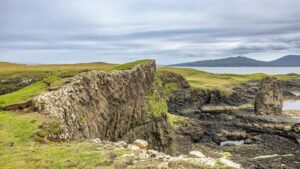
Isle of Staffa is a small, uninhabited island in the Inner Hebrides, 8 miles west of Mull, Scotland. No pier exists; all access is by tender boat, which typically ferries 40–60 cruisers at a time. The island is geologically famous for its hexagonal basalt columns, best seen at Fingal's Cave on the eastern shore—a dramatic sea cave formed by cooled lava flows.
Staffa has no amenities: no shop, no cafe, no toilet facilities, no accommodation. It is a pure nature stop, ideal only for those genuinely interested in geology, seabirds (especially puffins in summer), or dramatic landscape photography. Most cruise itineraries allocate 3–4 hours; tender logistics alone consume 30–60 minutes, leaving 2–3 hours to explore the 1.5-mile-long island.
Why go ashore? Fingal's Cave is worth seeing for its sheer geological drama, and summer puffin colonies attract serious birdwatchers. Why skip it? If you're not interested in rocks, birds, or walking on uneven terrain in wind and spray, or if your mobility is limited, Staffa offers nothing else. Be ready for rapid weather changes and possible tender cancellations due to swell or wind.
Is It Safe?
Staffa is a natural, uninhabited island with no emergency services, no medical facilities, and no rescue infrastructure on the island itself. The main hazards are terrain, weather, and sea conditions.
Terrain: Paths are rocky, uneven, and can be slippery when wet or iced. Edges of cliffs are unstable. Do not wander off marked routes. Wear sturdy, waterproof hiking boots with good grip. Falls can result in serious injury and helicopter evacuation (expensive and dangerous in poor visibility).
Weather and sea: The Hebrides are exposed to Atlantic swell and wind. Tenders can be cancelled suddenly. Hypothermia is a real risk if you fall into the sea; the water is cold year-round (8–12°C). Do not attempt swimming. Respect all warning signs and lifeguard advice if present.
Crime is not a concern on Staffa. Personal security risks are minimal if you follow marked paths and return to the tender on time.
Accessibility & Walkability
Staffa is not suitable for visitors with mobility limitations, wheelchair users, or those with balance issues. The landing stage is a simple stone platform; swells can make disembarking awkward even for able-bodied passengers. The island is entirely rocky terrain with no paved paths, railings, or handholds. Ascents and descents are steep and unforgiving. Visitors with breathing difficulties, vertigo, or arthritis should carefully consider whether a tender visit is worth the physical demands. There are no accessible toilets or rest facilities on the island.
Outside the Terminal
There is no terminal. Ships anchor 1–2 km offshore. Tenders depart from the ship's side (gangway or davit-launched boats) and take 30–45 minutes to reach Staffa's eastern landing stage. Once ashore, you step onto a stone platform or jetty into wind and spray; the area is open, treeless, and exposed. You will immediately feel the remoteness and lack of civilization. A small information board and cairn mark the landing area; beyond that, only rocky ground, grass tussocks, and steep paths lead inland. The wind is always noticeable; expect to brace yourself. If weather is marginal, the tender may depart immediately after landing to remain on schedule, leaving you no buffer time.
Local Food & Drink
There are no cafes, restaurants, or food vendors on Staffa. Bring your own supplies: water, snacks, and a packed lunch if spending more than 2 hours ashore. The island is fully exposed; there is no shelter from wind or rain. Return to the ship for all meals. Some cruise lines offer a packed lunch service if you book an excursion; ask your shore excursion desk in advance.
Shopping
There is no shop on Staffa. No souvenirs, supplies, or provisions are available. If you need last-minute items (sunscreen, insect repellent, waterproof jacket, extra snacks), purchase them on your ship or at a port of call earlier in your itinerary. The island is entirely unmercial; expect to see only natural landscape and other cruise passengers.
Money & Currency
- Currency
- GBP (British Pound Sterling).
- USD Accepted?
- No
- Card Payments
- N/A—no shops or services on the island. If booking a private guide or boat tour, payment is typically arranged via the ship's excursion desk (charged to your cabin account in USD/EUR and converted) or paid directly in GBP if using a local operator.
- ATMs
- None on Staffa. Nearest ATM is on the Isle of Mull (Tobermory village, ~45 min by ferry from Mull's main pier).
- Tipping
- Not expected on Staffa. If hiring a private guide, a small tip (5–10% of the guide fee) is appreciated if service is exceptional.
- Notes
- Most payments for Staffa excursions are handled through the ship. Bring no cash unless you've pre-arranged payment with a local guide. Your ship's credit systems will function offshore for onboard charges.
Weather & Best Time
- Best months
- May–September (warmest, longest daylight, puffins present, lowest fog). June–July are peak for seabird activity and visibility.
- Avoid
- November–February (short daylight, frequent storms, high swell, tenders often cancelled, water is coldest, and birds have migrated).
- Temperature
- Summer cruises (June–Aug): 12–16°C (54–61°F), often feeling colder due to wind and spray. Spring/autumn (May, Sept): 8–12°C (46–54°F). Winter: 3–7°C (37–45°F), rarely visited by cruise ships to Staffa.
- Notes
- Staffa is one of the UK's windiest and wettest locations. Rain and mist are common even in summer. The Hebridean seas are rough; tender swells are frequent. Pack layers: windproof outer layer, fleece, and waterproof trousers. Expect to be damp and cold, even in mid-summer.
Airport Information
- Airport
- Glasgow International Airport (GLA) is the nearest major hub.
- Distance
- ~180 km (110 miles) from Staffa. ~120 km from Oban (typical embarkation point for Hebridean cruises).
- Getting there
- Fly into Glasgow, then coach or rental car to Oban (~2.5 hrs), where you board your cruise ship. Some cruise lines offer pre-cruise hotel packages in Oban. Ferry from Glasgow airport to Oban is not an option; road transport is standard.
- Notes
- Staffa is not an embarkation port; it is a tender stop visited mid-itinerary. Your cruise will embark from a larger port such as Oban (Scotland), Dublin, or Belfast. Plan accordingly for airport transfers.
Getting Around from the Port
Tender boat (ship-organized)
Ships anchor offshore; crew operate shuttle tenders to a basic landing stage on the east coast (weather permitting). Expect 30–45 min transit each way and potential queuing.
Book ferry ticketsWalking (on-island)
No vehicles or roads. All exploration is on foot via marked and unmarked paths over rocky terrain. Main route: landing stage → Fingal's Cave (1.5 km, ~40 min return).
Guided walk or boat tour (commercial excursions)
Shore excursion operators offer guided island walks (£15–25 GBP, 2–3 hrs) or boat-based tours of Fingal's Cave (£20–40 GBP, 1.5–2 hrs). These are pre-booked via your cruise line or local operators.
Book ferry ticketsDetails last checked April 2026
Check The Port Traffic
Cruise Ships in Port
Once you have your shore plan, use the schedule to see how busy the harbour will be on your date, plus the ships, lines, and published call windows.
Sun
Mon
Tue
Wed
Thu
Fri
Sat
1
2
3
4
5
6
7
8
9
10
11
12
13
14
15
16
17
18
19
20
21
22
23
24
25
26
27
28
29
30
31
Quiet (1–2)
Busy (3–4)
Packed (5+)
0 scheduled calls
August 10, 2026
No scheduled cruise ship calls were found for this date selection. Pick a highlighted day on the calendar above, widen the range, or search for a different ship or line.
Planning a cruise here?
Saga Cruises, Hurtigruten, Ponant & more sail to Isle of Staffa.
Practical Tips for Cruise Passengers
- Confirm tender access on the morning of your port day. Staffa is exposed to Atlantic swell and weather changes rapidly. If the tender is cancelled, you forfeit your visit; no refund. Have a backup plan (rest on the ship, visit the library, enjoy the spa).
- Wear seasickness medication 30 minutes before boarding the tender if you're prone to motion sickness. The ride to Staffa can be rough, especially in the open Atlantic approach.
- Bring at least 2 liters of water, a packed lunch or heavy snacks, a fully charged camera, binoculars (for puffins), a detailed map or GPS device, and a waterproof bag for electronics. Do not rely on mobile signal; it is unreliable.
- If walking independently, stay on marked paths and do not approach cliff edges. The terrain is unstable, and there is no rescue infrastructure. If you slip or get lost, you risk missing your tender departure and stranding yourself.
- Book a guided walk or naturalist tour in advance if you want meaningful geological or ornithological context. Independent wandering often feels aimless without interpretation.
Frequently Asked Questions
No. Water temperature is 8–12°C year-round, currents are strong, and tides are dangerous. Swimming is prohibited and lifeguard-patrolled areas do not exist. Hypothermia is rapid in cold water.
Staffa tenders are frequently cancelled due to swell, wind, or poor visibility, especially outside June–August. There is no refund; you simply do not visit. Plan alternative activities on the ship or prepare for disappointment. Weather decisions are made early each morning by the captain.
Not really. The terrain is rocky and steep, there is no shelter or bathroom, and the tender ride can be rough. Younger children bore easily; elderly or less mobile passengers will struggle with the uneven ground and lack of resting facilities. If you have concerns, contact the ship's purser before the port day.
Find cruises to Isle of Staffa, Scotland
Compare sailings and book with no fees — best price guaranteed.
We may earn a commission when you book through our links, at no extra cost to you — it’s how we keep these guides free.
✉ Sailing to Isle of Staffa? Get your port-day plan
Tell us your sail date and we’ll email you a short Isle of Staffa plan about 60 days out — when the good excursions start selling out — plus a final checklist 2 weeks before. Two emails, then done. We’ll send one note to confirm it’s really you — unsubscribe anytime.
Northern Europe
View All
More Northern Europe Ports

Northern Europe

Northern Europe

Northern Europe