
Asia
Asia
Kumano Cruise Port Guide: Tender Tips, Things to Do & What to Expect
Japan
Ships anchor offshore; tender boats transport passengers to the small pier in this remote coastal town.
Choose the Right Port Day
Best Overall
Hire a taxi to Kumano Hongu Taisha or Kumano Nachi Taisha, spend 1–1.5 hours at one shrine, return to tender. Avoid rushing the Kumano Kodo multi-day trails in a port window.
Best Beach
Not relevant. Kumano is mountain shrine country, not beach. Nearby coast exists but not practical in a port call.
With Kids
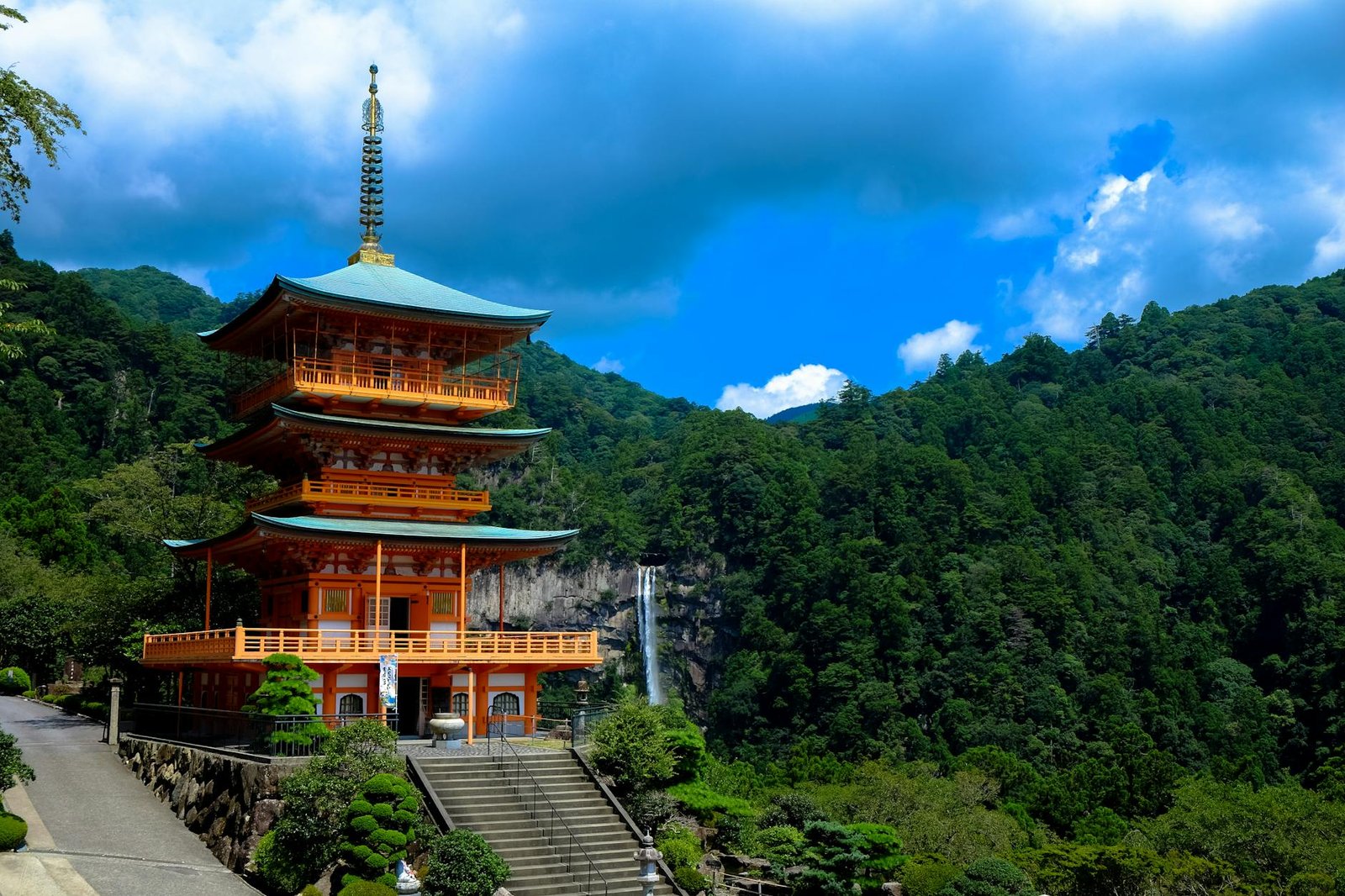
Walk to Kumano Nachi Taisha shrine (20–30 min uphill from village, short family-friendly hike) and see the famous red pagoda overlooking the coast. Skip multi-hour backcountry trails.
Only 3-4 Hours
Skip the port altogether if tenders are delayed. If you have solid time: take taxi/shuttle to Kumano Hongu Taisha (30–45 min), visit shrine (45 min), return to tender. Forget hiking trails.
Cheapest Option
Walk from tender dock to local shrines or village; explore on foot free. Coin-op buses run locally but unreliable for tourists. Budget ¥0–2,000 ($0–15 USD) if hiking only.
What To Avoid
Do not attempt the full Kumano Kodo hikes (require 4–8 hours minimum and mountain logistics). Do not expect English signage, restaurants, or shops near the tender dock. Many cruise lines offer mediocre local excursions; walking + taxi is often better.
Quick Take
- Port Type
- Scenic Tender Port (Japan)
- Best For
- Pilgrimage tourists, light hikers, cultural travelers; NOT beach or city explorers.
- Avoid If
- You need reliable crowds, restaurants, shops, or beach time. Expect rural Japan, limited English, minimal commercial infrastructure.
- Walkability
- Poor. Tender dock leads to small village. Hiking trails are the main draw; town itself is tiny.
- Budget Fit
- Low-cost if hiking only; higher if using taxis or guides to distant shrines.
- Good For Short Calls?
- Fair. Tender delays eat 1–1.5 hours. Realistic: short shrine visit + 1–2 hour walk, or one shrine hike only.
Port Overview
Kumano is a tender port on Japan's Kii Peninsula, one of the country's most sacred pilgrimage destinations. Ships anchor offshore; tenders ferry passengers to a small dock in a quiet village. The port is 100% about the Kumano Sanzan (Three Grand Shrines) and the legendary Kumano Kodo hiking trails, which link sacred sites over mountain terrain. There is no city, no beach district, no shopping mall. This is rural, spiritual Japan. Most cruisers either hike part of the Kumano Kodo network or visit one of the three main shrines (Hongu, Nachi, or Hayatama) by taxi. A port call here works only if you arrive with a concrete plan and realistic time expectations; tenders often cause 30–60 minute delays, which easily eat into a half-day.
Top Things To Do
1
Kumano Hongu Taisha
The grandest of the three shrines, set in a valley surrounded by forest. A massive vermillion torii gate marks the entrance. The main building requires climbing 200+ stone steps. Most revered pilgrimage destination in the region. Visited by millions over centuries.
⚡ Popular — books out early. Reserve before you sail.
2
Kumano Nachi Taisha + Nachi Falls
A smaller shrine complex with a stunning red pagoda (Seiganto-ji) overlooking the coast and forest. Nearby Nachi Falls is Japan's tallest single-drop waterfall (133 m). Shorter walking access than Hongu; feel of pilgrimage without extreme exertion.
3
Partial Kumano Kodo Hike (Kogumotori to Chikatsuyu Section)
A moderate 3–4 hour walking section of Japan's most famous pilgrimage trail network. Passes through old-growth forest, stone shrines, and mountain streams. Beautiful and meditative but requires fitness and proper footwear. Cannot be rushed.
Show 1 more thing to do in Kumano
4
Local Village Walk + Shrine Village Exploration
A self-guided walk from the tender dock through quiet village streets, local shrine, convenience store, and surrounding forest paths. Meditative and low-pressure. Best for time-constrained or non-hiking cruisers.
Book with the ship, or on your own?
Booking independently
- Often noticeably cheaper than the ship’s version of the same tour.
- Smaller groups and local operators, with traveler reviews you can read before you pay.
- Free cancellation on most tours, usually up to 24 hours before.
When the ship’s excursion makes sense
- Short port calls or long transfers where the timing is tight.
- Tender-only stops where getting ashore can run late.
- The ship waits for its own delayed excursions — it won’t wait for independent ones, so leave a buffer before all-aboard.
We may earn a commission when you book through our links, at no extra cost to you — it’s how we keep these guides free.
Is It Safe?
Kumano is extremely safe. Crime is virtually nonexistent. The main hazards are natural: mountain weather (sudden rain, mist), rough sea conditions affecting tender service, and physical exertion on steep trails. English is rare; carry a translation app or written directions. Hikers should use offline maps; cell service is patchy in the mountains. If you hike, tell someone your route and expected return time. There are no lifeguards, emergency services are slow in remote areas, and rescue can be costly. Stick to marked trails and well-established shrines.
Accessibility & Walkability
Kumano is not wheelchair-friendly. The tender dock is basic; boarding requires some agility on a moving platform. Main shrines have steps and steep terrain. Kumano Hongu Taisha involves climbing 200+ steps. Kumano Nachi Taisha is set on a mountainside with uneven stone paths. Walking trails are unpaved, rooted, and often muddy. Mobility aids are impractical. If you have reduced mobility, focus on a brief shrine visit via taxi and a flat walk near the shrine perimeter; do not attempt the Kumano Kodo.
Outside the Terminal
When you disembark from the tender, you'll find a small, quiet dock with a basic shelter and a hand-drawn map. A few taxis or shuttle vans typically wait. Beyond the immediate dock area is a sleepy village with one or two convenience stores (Lawson, FamilyMart) and a handful of closed-looking shops. The scenery is beautiful—forested hills, mist, silence. You'll hear birds, not traffic. The mood is serene and slightly isolated. There is no obvious cruise terminal, no vendors, no hustle. It feels like stepping into rural 1980s Japan, which is precisely why people come.
Local Food & Drink
Dining options near the tender dock are extremely limited. A couple of small restaurants serve local noodles, rice bowls, and fish, but menus are Japanese-only and staff speak no English. Convenience stores (Lawson, FamilyMart) stock onigiri, bento, instant noodles, and drinks—safe bets for a quick meal. If you hire a taxi to a shrine, the driver can drop you near a restaurant, but reservations are not standard and waits are common. Plan to eat before or after your excursion if you're fussy about cuisine. Bring snacks and a full water bottle if hiking.
Shopping
Shopping here is essentially nonexistent. The small village has a couple of convenience stores and possibly one or two souvenir shops selling omamori (small shrine talismans) or local manju cakes. Serious shopping is not why cruisers visit. If you want Japanese crafts, shrine talismans, or local snacks, buy them in your ship or in a larger Japanese port.
Money & Currency
- Currency
- Japanese Yen (JPY)
- USD Accepted?
- No
- Card Payments
- Cards accepted at convenience stores and some restaurants; many small shrines and rural businesses are cash-only.
- ATMs
- One ATM (7-Eleven or post office) in the village; not guaranteed to accept foreign cards. Withdraw yen on board your ship or in a larger port before arriving.
- Tipping
- Not customary in Japan. No tipping at shrines, restaurants, or taxis.
- Notes
- Yen only. Bring cash (¥10,000–20,000 / $70–140 USD) for taxi, meals, and shrine donations. Cards are unreliable; rely on cash.
Weather & Best Time
- Best months
- April–May (spring, mild, clear) and September–October (autumn, stable, lower humidity).
- Avoid
- June–July (humid, rainy, typhoon risk) and January–February (cold, occasional snow at elevation).
- Temperature
- Spring 15–20°C (59–68°F); Autumn 18–24°C (64–75°F).
- Notes
- Kumano is mountainous and prone to rapid weather changes. Morning mist is common. Afternoon rain is frequent. Wear layers and waterproof jacket. Sturdy hiking shoes or waterproof sneakers are essential if you hike.
Airport Information
- Airport
- Kansai International Airport (KIX)
- Distance
- ~120 km / 2.5–3.5 hours by car or train.
- Getting there
- Car rental with driver; airport bus to Kii-Nagashima Station, then local train or bus. Limited direct public transit.
- Notes
- Kumano is not a common embarkation port. Most cruisers fly into Kobe or Osaka and transfer by train/car. Do not plan a pre-cruise stay in Kumano; it has minimal hotels. Stay in Kobe, Osaka, or Kyoto and drive/train to the port on cruise day.
Getting Around from the Port
Tender
Ships anchor 1–2 km offshore. Tender service runs continuously but can queue 30–60 min during peak hours. Small open boats; expect wetness in rough weather.
Taxi / Private Car
Taxis wait at the tender dock. No Uber. Drivers rarely speak English; have shrine names written in Japanese or use a translation app. Round trip to Hongu (~45 min each way) costs ¥8,000–12,000 ($55–85 USD) for a shared ride or full cab.
Book a transfer 5% off with code TPO5 at checkoutWalking / Hiking
From the tender dock, short shrine trails are walkable (20–40 min to nearby shrines). Full Kumano Kodo sections require 4–8 hours and mountain navigation.
Ship-Organized Excursions
Most cruise lines offer shrine visits, partial Kumano Kodo walks, or multi-shrine tours. Quality and pacing vary widely.
Details last checked April 2026
Check The Port Traffic
Cruise Ships in Port
Once you have your shore plan, use the schedule to see how busy the harbour will be on your date, plus the ships, lines, and published call windows.
Sun
Mon
Tue
Wed
Thu
Fri
Sat
1
2
3
4
5
6
7
8
9
10
11
12
13
14
15
16
17
18
19
20
21
22
23
24
25
26
27
28
29
30
31
Quiet (1–2)
Busy (3–4)
Packed (5+)
0 scheduled calls
August 18, 2026
No scheduled cruise ship calls were found for this date selection. Pick a highlighted day on the calendar above, widen the range, or search for a different ship or line.
Planning a cruise here?
Princess Cruises sail to Kumano.
Practical Tips for Cruise Passengers
- Tender delays are the norm; expect 30–60 min queues. Never plan a tight shore excursion if your ship doesn't tender frequently at other ports. Arrive at tender desk 15 min early.
- Bring a translation app (Google Translate, Papago) and offline maps (Google Maps or MAPS.ME downloaded before arrival). English signage is nearly zero; taxi drivers will struggle without written directions in Japanese.
- Do not underestimate Kumano Kodo hikes. They are steep, muddy, rooted, and can exceed expected time. A 3-hour hike can become 4.5 hours. Bring water, snacks, and a headlamp if you hike.
- Wear waterproof shoes or gaiters if hiking. The forest is wet, and trails are often muddy even in 'dry' seasons. Cotton jeans will leave you cold and miserable.
Frequently Asked Questions
No. The famous 2–3 day pilgrimage walk is incompatible with cruise schedules. A single section (3–4 hours) is possible if you have 6+ hours ashore, but tender delays often shrink this. Book a shrine visit + short walk instead of attempting a trail section.
Expect 30–60 min queues, especially mid-morning. Seas are often rough; cancellations happen 2–3 times per season. If you have a tight connection or only a half-day port time, consider staying aboard and exploring a neighboring port instead.
Trails are marked but mostly in Japanese and symbols are subtle. Download offline maps and use a GPS app (Maps.ME works well). Hiring a licensed guide (¥10,000–20,000 / $70–140 USD per small group) is safer and adds cultural context; worth it if you have time.
Find cruises to Kumano, Japan
Compare sailings and book with no fees — best price guaranteed.
We may earn a commission when you book through our links, at no extra cost to you — it’s how we keep these guides free.
✉ Sailing to Kumano? Get your port-day plan
Tell us your sail date and we’ll email you a short Kumano plan about 60 days out — when the good excursions start selling out — plus a final checklist 2 weeks before. Two emails, then done. We’ll send one note to confirm it’s really you — unsubscribe anytime.
Same itinerary network
View All


