MS Midnatsol
Times not published
Itinerary: Hamburg – Honningsvåg – Hamburg (14 nights)
Norway
Ships dock directly at the cruise terminal in Narvik's harbor with modern facilities.
Narvik is within the Arctic aurora oval and winter visitors have excellent odds of seeing the Northern Lights. Most ship excursions include evening/night outings to viewpoints with thermal shelter, snacks, and expert guidance. Private local operators and independent night drives are also viable for experienced travelers.
⚡ Popular — books out early. Reserve before you sail.
A cable car (Narvikfjellet Kabelbane) ascends ~650 m to a summit viewpoint with sweeping views of the fjord, mountains, and surrounding Arctic landscape. On clear days, visibility extends far across the fjord. The summit has a small café and photo opportunities. A steep hiking trail also leads to the top for the adventurous.
The Ofot Railway (completed 1902) was a remarkable engineering feat connecting Narvik to Sweden. A small heritage museum and original railway infrastructure remain on-site. Guided or self-guided tours cover industrial history and Arctic rail heritage. The walk through town also reveals WWII history (plaques, rebuilt architecture) and modest local shops.
Local operators offer short winter walks (1–2 hours) suitable for cruisers, often combined with thermal breaks and landscape photography. Routes avoid technical difficulty but immerse you in Arctic forest, fjord views, and winter silence. Available Nov–Mar when snow is reliable.
Book with the ship, or on your own?
Booking independently
When the ship’s excursion makes sense
We may earn a commission when you book through our links, at no extra cost to you — it’s how we keep these guides free.
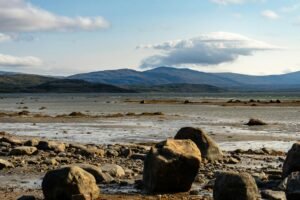
Narvik sits at the head of Ofotfjorden in far northern Norway (68°N), roughly 900 km above the Arctic Circle. Ships dock at the main pier near the compact town center, which was heavily damaged in WWII and rebuilt as a functional, unglamorous port town. The real draw is the Arctic landscape—steep granite mountains, deep fjords, and in winter, proximity to the Northern Lights aurora belt. Summer offers midnight sun (late May to late July), while winter brings polar darkness and peak aurora activity. Narvik is not a cultural or shopping destination; it is primarily a launch point for Arctic exploration, landscape immersion, and (in winter) aurora hunting. Most cruisers spend 3–6 hours ashore on excursions or independent walks, then return to the ship.
Narvik is safe and crime rates are very low. The real safety concerns are environmental and seasonal. In winter, the combination of ice, darkness, and steep terrain demands appropriate footwear, layered clothing, and awareness. Trails and viewpoints can be slippery and poorly lit. If hiking independently, stay on marked paths and carry a headlamp. The fjord itself is navigable year-round for ship traffic, but weather can be sudden; follow crew guidance on embarkation/disembarkation timing. In summer, endless daylight can be disorienting; plan breaks and maintain hydration. Emergency services are available but remoteness means longer response times in wilderness areas. Hypothermia is a genuine risk if clothing is inadequate; do not underestimate Arctic conditions even on short walks.
Town center is mostly flat and accessible by wheelchair with effort, though sidewalks can be narrow and icy in winter. The pier itself has standard gangway access with crew assistance available. Most shops and cafés on the main street have ground-floor entry. However, the landscape beyond town—viewpoints, hiking trails, cable-car bases—often involves steep terrain, stairs, or uneven ground, making wheelchair exploration difficult without significant modification. Winter conditions (ice, snow) severely limit accessibility for mobility devices. Operators can arrange modified excursions; consult the ship in advance.
Exiting the terminal puts you immediately on the harbor promenade or a short walk into the main town street (Kongensgate). The atmosphere is quiet and industrial; you'll see fishing boats, cargo infrastructure, and modest Scandinavian buildings. The town is orderly and clean but lacks the charm or bustle of larger Norwegian ports. In winter, expect darkness at midday, snow on the ground, and few pedestrians. Summer feels oddly empty despite 24-hour light. There is no aggressive tourism marketing or crowds; the pace is slow and the environment feels genuinely remote. A small tourist information point or kiosk may be staffed near the terminal; staff can advise on walks and transport.
Narvik has no restaurant scene comparable to larger Norwegian ports. Options are functional rather than memorable: a few cafés (often in or near the terminal), a local grocery store (Rema 1000 or Kiwi), and one or two modest restaurants catering to locals and cruise passengers. Most visitors eat on ship or grab coffee and a sandwich ashore. If seeking a meal, ask the terminal info desk for current recommendations; offerings change seasonally and hours are limited. Drinking water from the tap is excellent and safe. In winter, hot soup, coffee, or chocolate from a café is as much a practical necessity as a culinary choice.
Narvik has minimal shopping appeal. The main street (Kongensgate) has a small supermarket, a pharmacy, a few clothing shops, and souvenir outlets, but selection is limited compared to larger Norwegian ports. Prices are high due to Arctic logistics and Scandinavian wages. Most cruisers skip shopping entirely or pop into the supermarket for snacks or a quick gift. Duty-free goods are not prominently featured. If you need supplies (warm socks, lip balm, snacks), the supermarket is convenient; otherwise, Narvik offers no reason to shop.
Town center is compact and walkable. Harbor frontage, main shopping street, and local viewpoints are all within 10–15 min on foot from the pier. Terrain becomes steep and hilly beyond town.
Taxis available at or near the pier. Useful for reaching viewpoints (e.g., Narvikfjellet cable car base, ~4 km away) or excursion meeting points outside town.
Book a transfer 5% off with code TPO5 at checkoutShip-offered excursions typically include guided fjord drives, mountain viewpoints, Northern Lights viewing (winter), or mild hiking. Common options: Ofot Railway heritage tour, Narvikfjellet viewpoint, or winter aurora hunt.
Details last checked April 2026
Check The Port Traffic
Once you have your shore plan, use the schedule to see how busy the harbour will be on your date, plus the ships, lines, and published call windows.
Times not published
Itinerary: Hamburg – Honningsvåg – Hamburg (14 nights)
Planning a cruise here?
Hurtigruten, Ponant, Lindblad Expeditions & more sail to Narvik.
Narvik is well-positioned (68°N), but aurora visibility depends on solar activity, cloud cover, and luck. December–January offers the longest darkness and statistically the best odds, but clear skies are never guaranteed. Ship excursions and local guides maximize your chances and provide thermal shelter during the hunt.
Summer offers midnight sun (late May–mid-July) and milder weather, but the landscape is less dramatic and the town feels emptier. Aurora is impossible. Summer is viable for hikers, landscape photographers, and midnight-sun novelty seekers, but winter is more rewarding overall.
Most cruisers spend 3–6 hours. A quick town walk and viewpoint takes 2–3 hours; a full excursion (Northern Lights hunt, railway tour, guided hike) takes 4–5 hours. There is no reason to spend a full day ashore unless you are very keen on independent hiking or are embarking/disembarking with a pre- or post-cruise stay.
Find cruises to Narvik, Norway
Compare sailings and book with no fees — best price guaranteed.
We may earn a commission when you book through our links, at no extra cost to you — it’s how we keep these guides free.
Tell us your sail date and we’ll email you a short Narvik plan about 60 days out — when the good excursions start selling out — plus a final checklist 2 weeks before. Two emails, then done. Unsubscribe anytime.