
Asia
Asia
Trincomalee Cruise Port Guide: Things to Do & Practical Tips
Sri Lanka
Ships anchor offshore; tenders required to reach shore.
Choose the Right Port Day
Best Overall
Nilaveli Beach with a pre-arranged snorkel trip or self-guided reef exploration; combines relaxation, activity, and genuine value without heavy commercialization.
Best Beach
Nilaveli Beach—calm, sandy, good for swimming and beginner snorkeling; Uppuveli Beach is closer but more developed and sometimes crowded.
With Kids
Nilaveli Beach is gentler than Uppuveli; consider a calm morning swim and beachside lunch. Fort Fredrick nearby has shaded ruins to explore if kids tire of the beach.
Only 3-4 Hours
Head straight to Nilaveli Beach (10 min by taxi), swim and relax for 2 hours, return to port. Minimal fuss, no excursion booking needed. Cost: $8–15 taxi return.
Cheapest Option
Public taxi to Nilaveli, swim, beachside lunch at local warung (restaurant), return. Total: $15–25 per person including food and transport.
What To Avoid
Organized shore excursions often feel overpriced for what amounts to a beach taxi ride. Skip the Whale and Dolphin Watch unless your ship guarantees sightings (seasonal, unreliable). Fort Fredrick is worth a 30-minute walk if you have time, but don't prioritize it over beach time.
Quick Take
- Port Type
- Small Asian anchorage port with beach and heritage options
- Best For
- Snorkelers, beach relaxation seekers, history buffs, cruisers wanting a quieter alternative to busy ports
- Avoid If
- You need high-street shopping, fine dining, or expect developed port infrastructure
- Walkability
- Limited in port area; beaches and main attractions require transport
- Budget Fit
- Budget-friendly; most activities and meals are inexpensive outside organized tours
- Good For Short Calls?
- Yes, manageable for beach or snorkeling focused itinerary; full exploration needs 8+ hours
Port Overview
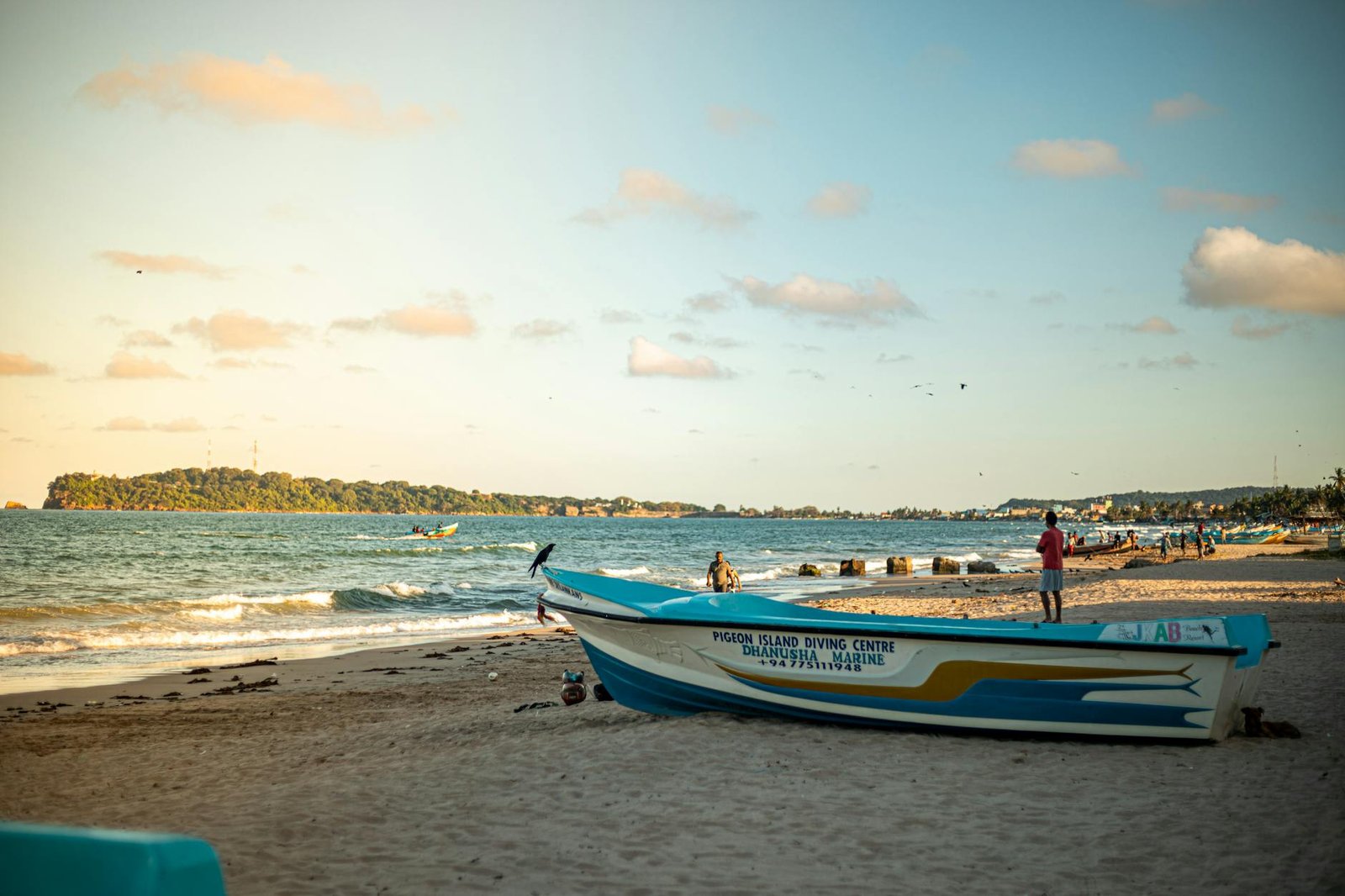
Trincomalee sits on Sri Lanka's east coast and serves primarily as an anchorage; ships tender ashore to a basic jetty with minimal commercial infrastructure. The port is known for beach access and reef snorkeling rather than urban exploration, making it a low-key alternative to busier Sri Lankan ports. Water taxis and inexpensive local taxis are your main transport options; expect a 10–15 minute journey to reach the best beaches and attractions. The port works well for cruisers seeking relaxation and water activities but offers limited walkable shopping, dining, or cultural draw—most value comes from exiting the port quickly and heading to beaches or nearby sites.
Top Things To Do
1
Nilaveli Beach snorkeling and relaxation
The finest reef snorkeling accessible from the port; shallow, clear, calm waters with abundant coral and fish. Can be done independently (snorkel rented locally) or with a pre-arranged guide. Excellent for beginners and families.
⚡ Popular — books out early. Reserve before you sail.
2
Fort Fredrick and Heritage Walk
Colonial-era fort overlooking the harbor, built by the Portuguese and later occupied by the Dutch and British. Shaded walkways, cannons, and views over Trincomalee bay. Small, walkable, but requires a guide or independent exploration of uneven terrain.
3
Uppuveli Beach and town exploration
Closer beach with restaurants, watersports rentals, and a more developed feel than Nilaveli. Good for snorkeling but busier and more commercialized. Town has some casual dining and souvenir shops.
Book with the ship, or on your own?
Booking independently
- Often noticeably cheaper than the ship’s version of the same tour.
- Smaller groups and local operators, with traveler reviews you can read before you pay.
- Free cancellation on most tours, usually up to 24 hours before.
When the ship’s excursion makes sense
- Short port calls or long transfers where the timing is tight.
- Tender-only stops where getting ashore can run late.
- The ship waits for its own delayed excursions — it won’t wait for independent ones, so leave a buffer before all-aboard.
We may earn a commission when you book through our links, at no extra cost to you — it’s how we keep these guides free.
Is It Safe?
Trincomalee is generally safe for tourists in daytime and well-traveled areas. Use registered taxis or pre-arranged transport rather than hailing random vehicles. Avoid traveling alone after dark or venturing inland without a guide. Petty theft from beach bags is possible; leave valuables on the ship or keep a close eye on belongings in crowded beach areas. The area is used to international cruise visitors, so vendors and locals are accustomed to tourists, though you will encounter persistent haggling in some areas. Standard travel precautions apply: secure cash in a money belt, use ATMs in daylight, and keep copies of important documents on the ship.
Accessibility & Walkability
Terrain varies: the port area is flat and compact, but beaches involve sandy ground that can be difficult for wheelchairs. Nilaveli and Uppuveli have some informal beach lounges and restaurants with uneven access. Tuk-tuks are not wheelchair-accessible; pre-arranged cars are your only realistic option for those with mobility issues. Paths to Fort Fredrick are unpaved and hilly—not suitable for wheelchair users. Overall, Trincomalee is moderately accessible for those who can navigate sandy terrain and rough roads but challenging for wheelchair users without significant planning.
Outside the Terminal
Stepping off the tender, you'll encounter a small, informal jetty area with local water-taxi operators, tuk-tuk drivers, and a handful of small shops selling drinks and snacks. The immediate surroundings are functional but unglamorous—no manicured cruise-terminal feel, just local maritime activity. Expect polite but persistent offers of rides and tours; it's normal and non-threatening. Within 50 meters is a road where taxis cluster; this is where you'll arrange your transport. No ATM at the jetty itself, so have small cash ready or plan to visit a town ATM if needed. The pace is relaxed and unhurried, reflecting a smaller, less tourism-saturated port.
Beaches Near the Port
Nilaveli Beach
The most popular and best beach near Trincomalee; calm, sandy, excellent reef snorkeling in shallow water. Quieter than Uppuveli, with fewer vendors. Good amenities: beach restaurants, lounges, snorkel-gear rental.
Uppuveli Beach
Closer, more developed beach with watersports, restaurants, bars, and souvenir shops. More crowded and commercialized than Nilaveli but convenient for shorter port days.
Local Food & Drink
Trincomalee's food is casual, inexpensive, and focused on curry, rice, seafood, and tropical fruit. Beachside warungs (small restaurants) at Nilaveli and Uppuveli serve fresh fish curry, kottu (chopped flatbread with curry), and short eats (pastries) at $5–10 USD per meal. Fresh coconut juice, papaya, and mango are abundant and cheap ($1–3 USD). Avoid uncooked vegetables and tap water; stick to bottled water and cooked dishes. Many beach restaurants can be basic but are used to tourists and maintain reasonable hygiene standards. No fine dining; this is street and beachside food at its most authentic.
Shopping
Trincomalee has minimal organized shopping. Uppuveli has casual souvenir stalls selling sarongs, jewelry, and tacky beach souvenirs; prices are negotiable and often inflated for tourists. Fort Fredrick vicinity has a few small shops. No major supermarkets, malls, or duty-free. If you need anything beyond basic beach essentials (sunscreen, water, snacks), buy at port or arrange through your ship. Most value in shopping comes from haggling at beachside stalls rather than seeking quality goods.
Money & Currency
- Currency
- Sri Lankan Rupee (LKR)
- USD Accepted?
- No
- Card Payments
- Limited; only established restaurants and tourist operators accept cards. Mostly cash-based port.
- ATMs
- ATMs in Trincomalee town (2–3 km from jetty); bring enough cash from the ship to avoid relying on ATMs.
- Tipping
- Not expected but appreciated for guides and drivers; 5–10% for service is generous.
- Notes
- Exchange rates at the port are poor; get rupees at your ship or withdraw from an ATM. Carry small bills for taxis and beach vendors (no change given reliably). US dollars work in some tourist areas but at unfavorable rates.
Weather & Best Time
- Best months
- May to September (dry season on east coast); best for water activities and beach days.
- Avoid
- November to February (occasional rough seas and wind); monsoon effects August–September.
- Temperature
- 28–32°C (82–90°F) year-round; humidity high.
- Notes
- East coast has an inverse monsoon pattern from the west coast; May–September is typically best for cruises. Water is warm year-round. Afternoon thunderstorms possible any month. Sunburn risk is extreme; sunscreen essential.
Airport Information
- Airport
- Bandaranaike International Airport (CMB), Colombo
- Distance
- 250 km (155 miles)
- Getting there
- No direct shuttle; requires pre-arranged car/driver (3–4 hours), bus (unreliable), or domestic flight to smaller airstrip at Trincomalee (not common for cruise passengers).
- Notes
- Trincomalee is not a homeport for major cruise lines; most cruisers embark/disembark in Colombo. If booking a pre-cruise hotel, base yourself in Colombo or arrange ground transport well in advance.
Getting Around from the Port
Water taxi
Shuttle from tender jetty to port area or nearby beaches; operated by local vendors at the jetty.
Book ferry ticketsTuk-tuk or auto-rickshaw
Three-wheeled taxi for local distances; most common transport for short journeys to Nilaveli or Uppuveli.
Car and driver (pre-arranged)
Organized private transport through your cruise line or local provider; most comfortable option for groups.
Walking
Port area is compact but hot and not scenic; beaches are not walkable from the jetty.
Details last checked April 2026
Check The Port Traffic
Cruise Ships in Port
Once you have your shore plan, use the schedule to see how busy the harbour will be on your date, plus the ships, lines, and published call windows.
Sun
Mon
Tue
Wed
Thu
Fri
Sat
1
2
3
4
5
6
7
8
9
10
11
12
13
14
15
16
17
18
19
20
21
22
23
24
25
26
27
28
29
30
31
Quiet (1–2)
Busy (3–4)
Packed (5+)
0 scheduled calls
August 25, 2026
No scheduled cruise ship calls were found for this date selection. Pick a highlighted day on the calendar above, widen the range, or search for a different ship or line.
Planning a cruise here?
Silversea Cruises sail to Trincomalee.
Practical Tips for Cruise Passengers
- Book snorkel gear rental or guided snorkel trips before leaving the ship or at the jetty; prices are stable and no markup if you negotiate early.
- Bring cash in small denominations (LKR or USD); most tuk-tuks and beach vendors do not accept cards and give poor change.
- Start your port day early (before 9 a.m.) to avoid afternoon heat and ensure best beach conditions; afternoon crowds peak after midday.
- Do not rely on finding an ATM in the port area; withdraw cash from the ship's exchange or bring enough rupees to avoid stress.
Frequently Asked Questions
Yes. Nilaveli reef is shallow (3–8 meters), calm, and teeming with coral and fish. Beginners can snorkel safely in the designated area; consider renting gear locally ($15–25) or joining a half-day guided trip ($40–60) for confidence.
Tuk-tuk or pre-arranged taxi from the jetty; 10–15 minutes, $8–12 return. Agree on the fare before boarding. Water taxis from the jetty can also take you part of the way, but tuk-tuks are faster and more common.
Yes, daytime is safe for solo beach and port visits. Use registered taxis, avoid evening wandering, and keep valuables secure. The port is accustomed to cruise tourists and is generally hospitable.
Find cruises to Trincomalee, Sri Lanka
Compare sailings and book with no fees — best price guaranteed.
We may earn a commission when you book through our links, at no extra cost to you — it’s how we keep these guides free.
✉ Sailing to Trincomalee? Get your port-day plan
Tell us your sail date and we’ll email you a short Trincomalee plan about 60 days out — when the good excursions start selling out — plus a final checklist 2 weeks before. Two emails, then done. We’ll send one note to confirm it’s really you — unsubscribe anytime.
Same itinerary network
View All
Ports Often Paired With Trincomalee

Asia

Asia

Asia
