Asia
Asia
Tsuruga Cruise Port Guide: Things to Do & Practical Tips
Japan
Ships dock directly at Tsuruga International Passenger Terminal with easy access to the city.
Choose the Right Port Day
Best Overall
Visit Kehi Shrine early, then walk the atmospheric backstreets around the port and Tsuruga station. Grab a simple lunch at a local restaurant. Allows authentic Japanese small-town experience without rushing or paying premium prices.
Best Beach
Not relevant. Tsuruga is a working port with no recreational beaches nearby.
With Kids
Kehi Shrine is kid-friendly with open grounds and a small museum. Afterward, visit the local shopping arcade for snacks and toys; the town is compact and safe to explore on foot.
Only 3-4 Hours
Head straight to Kehi Shrine (closest major temple, ~15 min walk uphill), spend 1 hour there, return for lunch at a casual local restaurant near the station, then stroll the small shopping arcade near the port. Skip taxis; walking is manageable and more rewarding.
Cheapest Option
Free. Walk to Kehi Shrine (donation ¥300–500 optional), explore the small downtown arcade, eat a bowl of ramen or udon (¥800–1,200 JPY) at a local spot. Total: roughly $8–12 USD if you skip museums and stick to walking.
What To Avoid
The port itself is industrial and unremarkable; the appeal is inland. Don't expect major shopping or night activity. Avoid organized tours unless you want narrative; independent exploration is faster and cheaper.
Top Things To Do
1
Kehi Shrine (気比神宮)
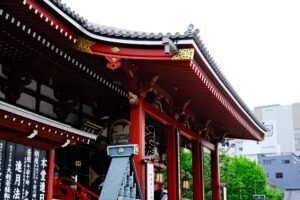
Tsuruga's most significant temple, dating to the 7th century. Dedicated to the Shinto deity of safe travel (especially sea voyages—highly fitting for a port). The main torii gate is iconic; grounds are peaceful and well-maintained. A small on-site museum documents the shrine's history. Relaxing, historically meaningful, and free to explore.
⚡ Popular — books out early. Reserve before you sail.
2
Tsuruga Downtown & Shopping Arcade
A compact network of streets around Tsuruga Station with small shops, restaurants, and a covered shopping arcade (Shotengai). Unremarkable by tourist standards but authentic: local clothing stores, ramen shops, a small department store, souvenir stalls with regional snacks. More fun for aimless wandering than structured sightseeing.
3
Tsuruga Port Museum (敦賀港湾博物館)
Small museum dedicated to the port's history and Japan's maritime heritage. Modest exhibits, some in Japanese only, but gives context to Tsuruga's role as a trade hub. Skip if time is tight; Kehi Shrine is a better use of time.
Book with the ship, or on your own?
Booking independently
- Often noticeably cheaper than the ship’s version of the same tour.
- Smaller groups and local operators, with traveler reviews you can read before you pay.
- Free cancellation on most tours, usually up to 24 hours before.
When the ship’s excursion makes sense
- Short port calls or long transfers where the timing is tight.
- Tender-only stops where getting ashore can run late.
- The ship waits for its own delayed excursions — it won’t wait for independent ones, so leave a buffer before all-aboard.
We may earn a commission when you book through our links, at no extra cost to you — it’s how we keep these guides free.
Quick Take
- Port Type
- Small historic Japanese port
- Best For
- Temple and shrine visits, authentic small-town Japan, cultural travelers not seeking beaches or shopping
- Avoid If
- You want nightlife, major shopping, or beach time; you have limited mobility or minimal Japanese language comfort
- Walkability
- Town center is walkable (20–30 min) from the pier; some uphill terrain to temples. Steep steps at some shrine entrances.
- Budget Fit
- Low cost. Temples usually free or ¥300–500; meals and transport very affordable.
- Good For Short Calls?
- Yes. 4–5 hours allows one temple visit and a casual town walk.
Port Overview
Tsuruga is a small, working port on Japan's west coast in Fukui Prefecture. Ships dock at a modern pier, but the port itself is functional and plain—the real draw is the historic town and temples inland. Most cruisers arriving here are on premium-brand itineraries (Holland America, Regent, Silversea) that prioritize cultural depth over volume. A half or full port day is enough to visit Kehi Shrine (the major historical landmark), explore the compact downtown, and eat well without rushing. This is not a shore-excursion carnival; it's a place for independent travelers comfortable with minimal English signage and a slower pace.
Is It Safe?
Tsuruga is very safe. Petty theft is rare; violent crime is virtually nonexistent. The town is small, quiet, and accustomed to occasional cruise visitors. Police presence is light but visible. No areas are unsafe for cruisers exploring during daylight. Evening walking is also safe, though the town is quiet after 8 PM. Use standard precautions (don't flash large amounts of cash, keep bags close), but you should feel comfortable walking independently.
Accessibility & Walkability
Walking is the main challenge. The town is hilly; Kehi Shrine involves climbing stairs. No major accessible pathways to the shrine itself. Shops and restaurants near the station are at street level and typically accessible. Tsuruga Station has elevators and accessible restrooms. If mobility is limited, a short taxi ride to the station area or a guided tour is sensible. Wheelchair users should expect stairs at temples and uneven sidewalk surfaces.
Outside the Terminal
You will exit into a quiet, modern port facility. The immediate surroundings are industrial: container cranes, warehouses, parked trucks. It looks nothing like a tropical resort port. Walk toward the town, and within 5–10 minutes the landscape becomes quieter residential streets and small businesses. It's not visually dramatic, but it's authentically Japanese—modest homes, family-run shops, narrow lanes. There is no aggressive touts or tourist crowds. The feeling is low-key and slightly sleepy, which is the whole point.
Local Food & Drink
Tsuruga's food scene is modest but genuine. Ramen and udon shops dominate; expect to pay ¥800–1,200 JPY ($5–8 USD) for a large, satisfying bowl. Local specialty is "Tsuruga soba" (buckwheat noodles). The shopping arcade has a few casual spots and food counters. No fancy restaurants, but quality is consistently good. Convenience stores (Lawson, FamilyMart) are scattered throughout town; onigiri (rice balls), bentos, and drinks are cheap and reliable. If you want a sit-down experience, ask locals or hotel staff for recommendations; menus are often Japanese-only, but pointing and nodding works fine. Bring a translation app if ordering feels risky.
Shopping
Shopping is low-key. The covered arcade near Tsuruga Station has clothing, small gift shops, and convenience stores. You'll find regional snacks (Fukui sweets and tea), local sake, and modest souvenirs. Prices are reasonable and tourist markups are minimal. No luxury brands or large shopping centers. If you are seeking high-end goods or choice, skip shopping here; the port is not geared toward retail therapy. Instead, focus on regional food items (dried seaweed, local sweets) as lightweight souvenirs.
Money & Currency
- Currency
- Japanese Yen (JPY)
- USD Accepted?
- No
- Card Payments
- Major credit cards accepted at larger shops, restaurants, and train stations. Smaller family-run restaurants and shrines may be cash-only.
- ATMs
- ATMs at Tsuruga Station and convenience stores (Lawson, FamilyMart) throughout town accept foreign cards. Withdrawal limits and fees vary by your bank.
- Tipping
- Tipping is not customary in Japan and may be considered rude. Leave nothing.
- Notes
- Carry some cash (yen) withdrawn in advance from your ship or at an ATM. Many small shops and temples do not accept cards. Most port stops include currency exchange info in your onboard materials.
Weather & Best Time
- Best months
- May–June and September–October (mild, dry, comfortable for walking)
- Avoid
- January–February (cold, occasional snow); July–August (hot, humid, typhoon risk)
- Temperature
- Most cruises call in spring or early autumn; expect 15–22°C (59–72°F). Bring layers and comfortable walking shoes.
- Notes
- Tsuruga is on the Sea of Japan (west) coast; weather can shift quickly. Check forecasts before going ashore. Rain is possible year-round but does not usually deter visits.
Airport Information
- Airport
- Komatsu International Airport (Ishikawa)
- Distance
- ~60 km; ~90 min by car or train
- Getting there
- Train (JR Hokuriku Line) to Komatsu Station, then bus or taxi to airport. Not practical as a cruise embark/disembark point from Tsuruga unless you have significant pre/post-cruise time.
- Notes
- Tsuruga is primarily a port of call, not an embark/disembark hub. Pre-cruise or post-cruise stays are better arranged through your cruise line or a travel agent. Flying in and out of Komatsu is feasible but requires planning.
Getting Around from the Port
Walking
The town center and Kehi Shrine are reachable on foot. Shrine is ~15–20 min uphill from the pier; downtown is ~10 min. Streets are safe and walkable, though some uphill sections and narrow lanes.
Taxi
Taxis available near the port and station. Drivers rarely speak English; have your destination written in Japanese or show a map.
Book a transfer 5% off with code TPO5 at checkoutTrain (JR Hokuriku Line)
Tsuruga Station is near the port (~10 min walk). Limited value for cruisers; only worthwhile if extending to nearby cities like Komatsu or Kanazawa.
Book train ticketsDetails last checked April 2026
Check The Port Traffic
Cruise Ships in Port
Once you have your shore plan, use the schedule to see how busy the harbour will be on your date, plus the ships, lines, and published call windows.
Sun
Mon
Tue
Wed
Thu
Fri
Sat
1
2
3
4
5
6
7
8
9
10
11
12
13
14
15
16
17
18
19
20
21
22
23
24
25
26
27
28
29
30
Quiet (1–2)
Busy (3–4)
Packed (5+)
0 scheduled calls
July 7, 2026
No scheduled cruise ship calls were found for this date selection. Pick a highlighted day on the calendar above, widen the range, or search for a different ship or line.
Planning a cruise here?
Holland America Line, Princess Cruises, Cunard & more sail to Tsuruga.
Practical Tips for Cruise Passengers
- Download Google Translate and take photos of signs or menus if you are uneasy with Japanese text; offline translation works when WiFi is limited.
- Wear comfortable, sturdy walking shoes. The climb to Kehi Shrine is modest but steady; many shrines have outdoor stairs and uneven stone paths.
- Bring cash in Japanese Yen. Many small shops, temples, and street vendors do not accept cards. ATMs at the station work for foreign cards.
- Plan your return to the ship before exploring inland. The town center is only 10–15 min away, so lingering is safe, but keep track of time.
Frequently Asked Questions
If you care about authentic Japanese culture and temples, yes—it's a meaningful small-town experience. If you want nightlife, shopping, or beaches, skip it and relax on board. Most cruisers on premium lines (Regent, Silversea, HAL) find it rewarding.
You can absolutely explore on your own. Walking to Kehi Shrine and downtown is straightforward and safe. Save the excursion cost ($50–80 USD per person) and move at your own pace. Only book a tour if you want narrative context or have limited mobility.
4–5 hours is comfortable: 45 min to Kehi Shrine, 1 hour there, 1 hour for lunch and a walk around town, plus buffer. A full day allows a more leisurely pace and a visit to the Port Museum if interested.
Find cruises to Tsuruga, Japan
Compare sailings and book with no fees — best price guaranteed.
We may earn a commission when you book through our links, at no extra cost to you — it’s how we keep these guides free.
✉ Sailing to Tsuruga? Get your port-day plan
Tell us your sail date and we’ll email you a short Tsuruga plan about 60 days out — when the good excursions start selling out — plus a final checklist 2 weeks before. Two emails, then done. Unsubscribe anytime.
Same itinerary network
View All