Asia
Asia
Waingapu Sumba Cruise Port Guide: Things to Do & Getting Around
Indonesia
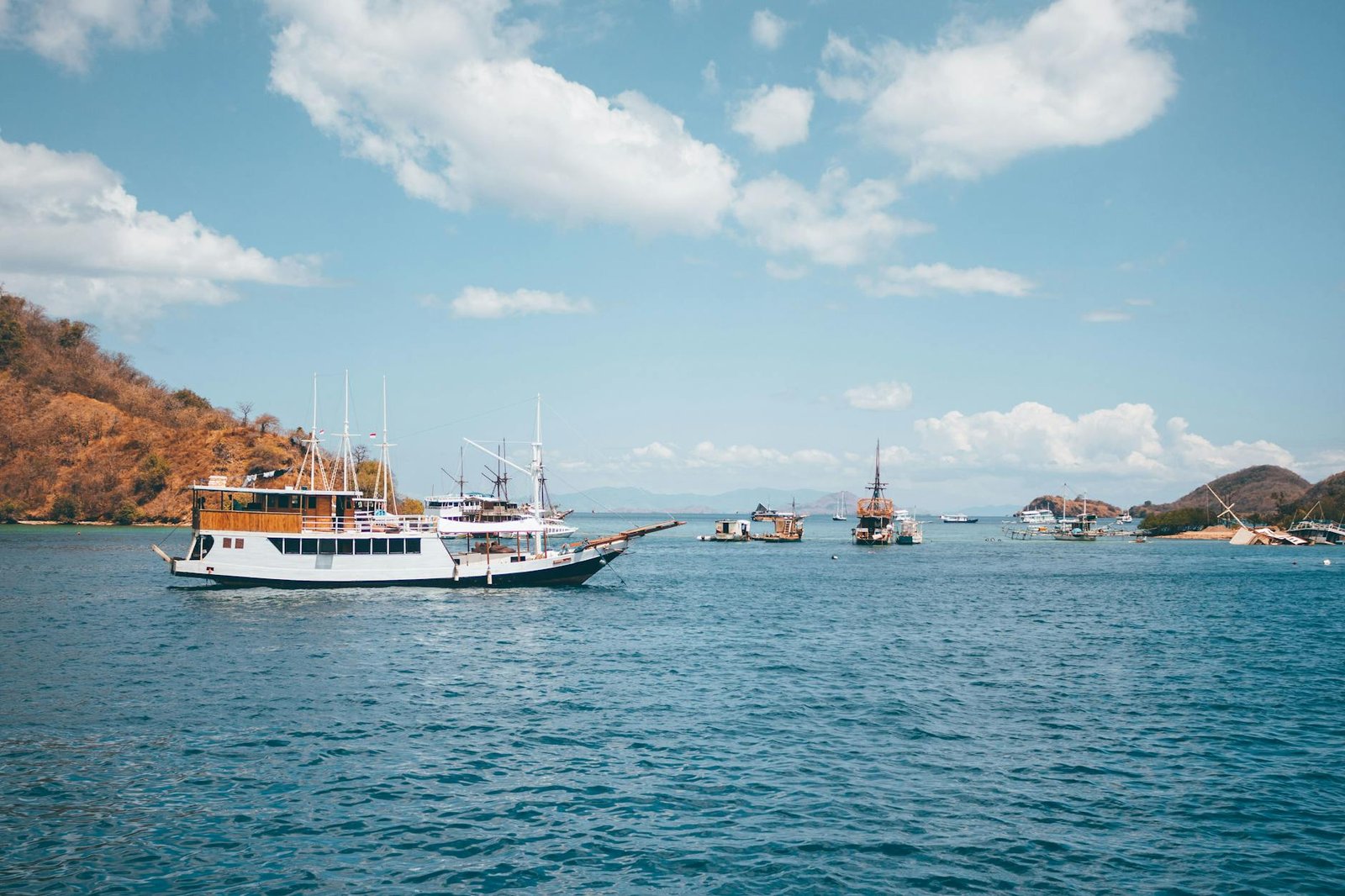
Ships anchor offshore; tender boats required to reach shore.
Choose the Right Port Day
Best Overall
Combine a 1-hour market walk with a 2-hour beach visit at Pelu via hired transport; you see local life and a genuine beach without rushing.
Best Beach
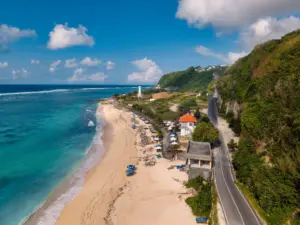
Pelu Beach, 5–10 km from anchorage; quiet, rarely crowded, good for swimming and snorkeling. Alternative: local coves near Waingapu town.
With Kids
Market visit (colorful, safe, interactive) followed by a short motorized trip to a nearby beach or local swimming spot; keep excursions short to avoid heat exposure.
Only 3-4 Hours
Stay near the anchorage. Visit Waingapu market and waterfront, then beach at Pelu or nearby cove; hire a local driver to drop and retrieve you.
Cheapest Option
Walk the Waingapu waterfront and market; negotiate a ride with a local driver (motorbike or car) for 30–60 USD/hour to Pelu Beach; no entrance fees.
What To Avoid
Organized shore excursions are rare and expensive here; do not assume you will find reliable English-speaking tours. Avoid daytime heat (11 a.m.–3 p.m.) if exploring on foot.
Quick Take
- Port Type
- Small expedition port
- Best For
- Luxury small-ship cruisers; cultural immersion and quiet beaches; low-key exploration.
- Avoid If
- You want high-energy activities, major restaurants, or extensive shopping.
- Walkability
- Very limited; most activities require motorized transport.
- Budget Fit
- Low-cost; minimal tourism infrastructure means few overpriced experiences.
- Good For Short Calls?
- Yes; 4–5 hours sufficient for a beach visit or village walk.
Top Things To Do
1
Waingapu Market & Waterfront Walk
The market (pasar) is colorful, alive, and genuinely local. Fish, fruit, spices, textiles, and daily goods. Waterfront is quiet and scenic. No pressure to buy; just observing is rewarding. Safe for tourists; locals are used to occasional visitors.
2
Pelu Beach
The quietest and most scenic nearby beach. Turquoise water, fishing boats, minimal development. Good for swimming and snorkeling if you bring gear. No commercial facilities; bring water and sun protection.
3
Local village visit (e.g., Prailiu or Tarung)
Visit a traditional Sumba village with thatched houses and local hospitality. Arrange through a driver or local guide. Requires cultural sensitivity and a willingness to interact respectfully.
Book with the ship, or on your own?
Booking independently
- Often noticeably cheaper than the ship’s version of the same tour.
- Smaller groups and local operators, with traveler reviews you can read before you pay.
- Free cancellation on most tours, usually up to 24 hours before.
When the ship’s excursion makes sense
- Short port calls or long transfers where the timing is tight.
- Tender-only stops where getting ashore can run late.
- The ship waits for its own delayed excursions — it won’t wait for independent ones, so leave a buffer before all-aboard.
We may earn a commission when you book through our links, at no extra cost to you — it’s how we keep these guides free.
Check The Port Traffic
Cruise Ships in Port
Once you have your shore plan, use the schedule to see how busy the harbour will be on your date, plus the ships, lines, and published call windows.
Sun
Mon
Tue
Wed
Thu
Fri
Sat
1
2
3
4
5
6
7
8
9
10
11
12
13
14
15
16
17
18
19
20
21
22
23
24
25
26
27
28
29
30
31
Quiet (1–2)
Busy (3–4)
Packed (5+)
0 scheduled calls
August 31, 2026
No scheduled cruise ship calls were found for this date selection. Pick a highlighted day on the calendar above, widen the range, or search for a different ship or line.
Port Overview
Waingapu is the main port on Sumba Island, an eastern Indonesian destination rarely visited by large cruise ships. Ships anchor offshore; tenders ferry passengers to a basic public jetty with minimal facilities. The town itself is small, quiet, and genuinely local—no tourist infrastructure, no chain restaurants, no major resort feel. Sumba is known for rugged natural beauty, traditional culture, and isolation rather than developed tourism. A port day here is for travelers who enjoy off-the-beaten-path immersion and are comfortable with basic logistics. Most cruisers spend half to a full day on a beach or exploring the town and nearby villages on foot or by hired transport. This is not a city-centric port; there is no downtown to walk and shop. Go ashore if you value authenticity and quiet beaches; skip it if you prefer organized activities, reliable English, and polished facilities.
Is It Safe?
Waingapu and Sumba are safe for cruise tourists. Petty theft is rare; violent crime is virtually nonexistent. Police presence is minimal but adequate. The main risk is logistics—road conditions are poor, medical facilities are basic, and English is uncommon. Avoid travel after dark; arrange return transport before sunset. Do not flash valuables or large cash amounts. Tap water is not reliably safe; drink bottled water only. Overall, exercise standard precautions you would use in any rural area, and you will have no issues.
Accessibility & Walkability
Waingapu is not accessible for wheelchair users. The jetty is basic, roads are unpaved or poorly maintained, sidewalks are rare, and buildings have steps or uneven entrances. Mobility-limited visitors should arrange a private vehicle with a driver and plan for a short, low-intensity outing (e.g., a parked-car beach view or brief market stop). No accessible public facilities exist.
Outside the Terminal
The jetty is simple: a wooden or concrete platform with minimal shelter. A handful of vendors sell drinks, snacks, and crafts; prices are fair. Local transport drivers (ojek and car) gather immediately; negotiate rate before agreeing. The waterfront is quiet and scenic. Moving inland, the town is quiet residential and commercial—no tourist drag, no major crowds. The first 10 minutes give you a sense of a working, unhurried Indonesian town. Most travelers arrange transport quickly and head to a beach or the market.
Beaches Near the Port
Pelu Beach
Quiet, scenic beach with turquoise water and fishing boats. No resorts, minimal crowds. Good for swimming and snorkeling. Bring your own water and sun protection.
Local coves near Waingapu
Smaller beaches and swimming spots within 2–5 km of town. Less scenic than Pelu but quicker to reach. Suitable for a short dip or quick beach walk.
Local Food & Drink
Waingapu has basic warungs (small local restaurants) serving rice, noodles, seafood, and vegetables. Quality and hygiene vary; stick to busy stalls with high turnover. No major restaurants; no Western chains. Many cruisers eat aboard or bring snacks. If you eat ashore, try fresh grilled fish or nasi goreng (fried rice) at a warung near the market or waterfront. Drinks: bottled water only (crucial); coffee and tea are safe. Prices are very cheap ($2–5 USD per meal). Avoid tap water, ice, and raw vegetables unless you are confident of the source.
Shopping
Waingapu market sells textiles (traditional ikat weaving), spices, handicrafts, and souvenirs. Prices are low and negotiable. Quality is variable; inspect items carefully. No major supermarkets or boutiques. The market is the only real shopping option. A small number of craft stalls near the jetty sell mass-produced souvenirs at slightly higher prices. Shopping is not a reason to visit; it is a bonus activity.
Money & Currency
- Currency
- Indonesian Rupiah (IDR)
- USD Accepted?
- No
- Card Payments
- No credit cards accepted; no ATM visible at jetty.
- ATMs
- One or two ATMs in town center (10–15 min walk from jetty); unreliable. Withdraw cash aboard or in Denpasar before arrival.
- Tipping
- Not expected. Round up or leave small change if service is good.
- Notes
- Cash-only port. Bring sufficient IDR or USD to exchange. Many locals cannot change large bills. Moneychangers may not be available at jetty; plan ahead.
Weather & Best Time
- Best months
- April–October (dry season)
- Avoid
- November–March (rainy season, heat, and swell)
- Temperature
- 28–32°C (82–90°F), humid, intense sun
- Notes
- Dry season is best for outdoor activities and beach visits. Rainy season brings afternoon downpours and rough seas, which can suspend tender service. Bring strong sun protection and water at all times.
Airport Information
- Airport
- H. Hasan Aroeboesman Airport (WGP)
- Distance
- Approximately 25–30 km
- Getting there
- Private car hire from port (90–120 min drive); check locally for current rates and availability. No shuttle or public bus service.
- Notes
- Very small regional airport with limited flights. Not suitable for same-day connections. Allow extra time for poor road conditions.
Getting Around from the Port
Tender from ship to jetty
Ships anchor; lifeboats or tenders ferry passengers to the public jetty at Waingapu. Process is typically orderly but can be slow in swell.
Motorbike taxi (ojek)
Local motorbike drivers wait at jetty. Negotiate price before boarding. Cheap and flexible but not suitable for longer distances or groups.
Book a transfer 5% off with code TPO5 at checkoutCar hire with driver
Arrange through hotel, local guide, or ask crew. Driver will wait or return at set time. Only reliable option for Pelu Beach or distant villages.
Walking
Town center and waterfront are walkable; most beaches and villages require motorized transport.
Details last checked April 2026
Planning a cruise here?
Regent Seven Seas Cruises, Crystal Cruises sail to Waingapu Sumba.
Practical Tips for Cruise Passengers
- Bring cash in small denominations; ATMs are unreliable and exchange options are limited.
- Hire a driver for the day rather than relying on available ojeks; it is only slightly more expensive and gives you flexibility and safety.
- Carry plenty of water, sunscreen, and a hat; heat and sun are intense, and shade is scarce away from town.
- Do not assume English is spoken; learn a few Bahasa Indonesia words or use a translation app to communicate with drivers and locals.
Frequently Asked Questions
Yes, if you are comfortable with basic infrastructure and authentic, unhurried experience. No; if you want polished tourism, reliable tours, or English-language support. Waingapu is real Indonesia—beautiful but raw.
No organized excursions are typically available. Arrange transport (car and driver) locally at the jetty or through your ship. Negotiate price before departure.
Informal snorkeling at Pelu Beach is possible if you bring gear; visibility is good. No dive operators or boat rentals are reliably available. Ask your driver for advice on safe snorkel spots.
Find cruises to Waingapu Sumba, Indonesia
Compare sailings and book with no fees — best price guaranteed.
We may earn a commission when you book through our links, at no extra cost to you — it’s how we keep these guides free.
✉ Sailing to Waingapu Sumba? Get your port-day plan
Tell us your sail date and we’ll email you a short Waingapu Sumba plan about 60 days out — when the good excursions start selling out — plus a final checklist 2 weeks before. Two emails, then done. We’ll send one note to confirm it’s really you — unsubscribe anytime.