Asia
Asia
Bangkok Cruise Port Guide: Things to Do & Getting Around
Thailand
Choose the Right Port Day
Best Overall
Day tour (organized shore excursion or self-guided) to the Grand Palace, Wat Phra Kaew, and Wat Saket; lunch at a riverside restaurant; return by taxi or boat. Covers top-tier sights and manageable logistics.
Best Beach
Not relevant. Bangkok is an inland city port on the Chao Phraya River. Nearby coastal towns (Hua Hin, Cha-am) exist but require 2+ hours each way by car.
With Kids
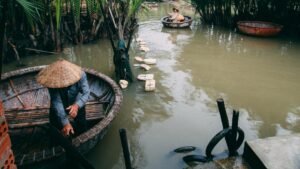
Floating markets (Damnoen Saduak or Amphawa) are visually engaging but physically demanding; easier option is a guided longboat tour of canals (klongs) near the port, or visit Chatuchak Weekend Market if timing aligns.
Book Floating Markets (Damnoen Saduak or Amphawa) from $50Only 3-4 Hours
Take a direct taxi to the Grand Palace & Temple of the Emerald Buddha (Wat Phra Kaew) in the old city; spend 90 minutes there, grab lunch nearby, return. Budget 45 min travel each way.
Cheapest Option
Public long-tail boat taxi up the Chao Phraya River (~50–100 THB/$1.50–3 USD per ride) to riverside temples or markets. Walk the old city. Street food lunch under $2 USD.
What To Avoid
Don't assume you can 'just walk' downtown from the pier—it's 5+ km and traffic is chaotic. Damnoen Saduak floating market is oversold, crowded, and a long ride for what amounts to a 30-minute experience. Tuk-tuks look fun but are slow and unreliable for time-pressed cruisers; taxis or pre-arranged drivers are faster.
Quick Take
- Port Type
- City port, Asian urban hub
- Best For
- Temple visits, floating markets, street food, cultural immersion, shopping
- Avoid If
- You want a relaxing beach day or prefer zero hassle; Bangkok requires planning and navigating traffic
- Walkability
- Terminal area is not walkable to attractions; the city sprawls and traffic is heavy. Plan transport in advance.
- Budget Fit
- Very budget-friendly once you're in the city—food and transport are cheap. Get-there costs vary widely.
- Good For Short Calls?
- Tight but possible. Stick to one temple or market cluster near downtown; expect 2–3 hours of usable time after transport.
Port Overview
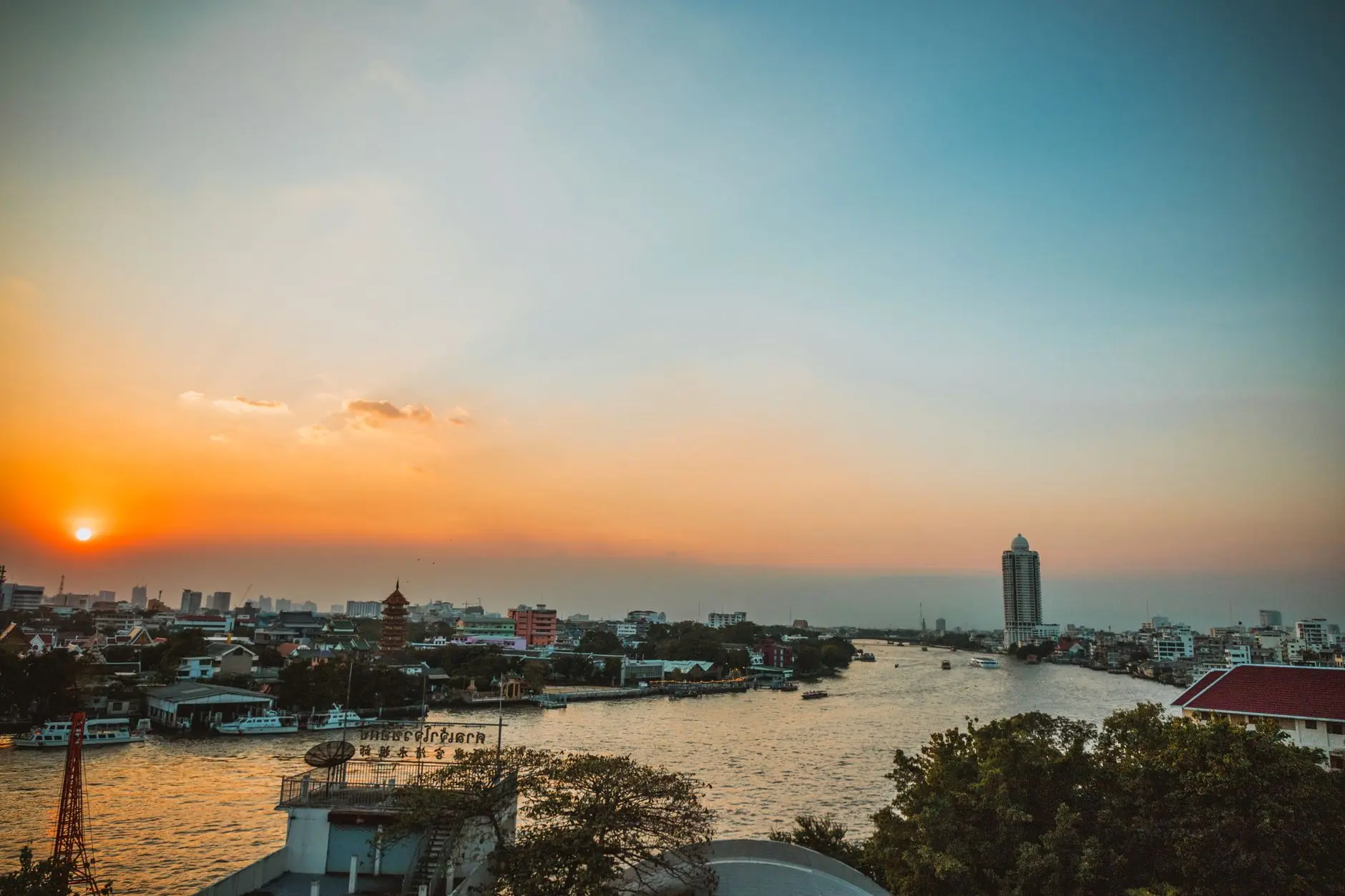
Bangkok's cruise terminal (Sathon Pier or nearby facilities) sits on the Chao Phraya River in the heart of the city, making it technically close to major attractions but requiring savvy transport choices. The port is not a beach destination—it's an urban gateway to Thailand's capital, famous for ornate temples, chaotic street markets, world-class food, and intense traffic. Most cruisers arrive for a cultural day: temple visits, market exploration, and eating. A minority use it as an embarkation/disembarkation point for pre- or post-cruise stays. The city is genuine, not manicured for tourists; that's its appeal and its friction. Port days here require a plan; wandering is fun but time-consuming given distance and congestion.
Top Things To Do
1
Bangkok Canal Tour: 2-Hour Longtail Boat Ride
Step aboard for an approximately 2-hour long-tail boat tour through the canals of Thonburi; Bangkok’s lesser-known, but deeply authentic side. Cruise past stilt houses, waving locals,…
Book on Viator2
Half-Day Floating Market and Railway Market Tour from Bangkok
This tour will bring you to the Maeklong Railway Market (umbrella pulldown market) by local train and then continue to visit Damnoensaduak Floating Market. This is…
Book on ViatorOur picks in Bangkok
3
Grand Palace & Temple of the Emerald Buddha (Wat Phra Kaew)
Thailand's most sacred and visually stunning temple complex. The Grand Palace has been the official residence of Thai kings since 1782. Walls glitter with gold leaf and intricate mosaics; the Emerald Buddha is inside the temple. Dress code strictly enforced: covered shoulders, knees, and closed-toe shoes required.
4
Floating Markets (Damnoen Saduak or Amphawa)
Vendors paddle wooden boats laden with fruit, vegetables, and souvenirs through narrow canals at dawn. Damnoen Saduak is the famous and crowded option; Amphawa is more local and less touristy. Both require an early start (arrive by 08:00 for best experience).
5
Chatuchak Weekend Market
One of the world's largest weekend markets, with over 15,000 stalls selling everything from handicrafts and clothing to live animals and art. Lively, authentic, and genuinely overwhelming in size.
Show 1 more thing to do in Bangkok
6
Wat Saket & Golden Mount
An active Buddhist temple with a 60-meter golden chedi (spire) atop an artificial hill. The climb rewards you with panoramic city views. Less crowded than the Grand Palace and still architecturally rich. This is where the annual Loy Krathong festival occurs.
Book with the ship, or on your own?
Booking independently
- Often noticeably cheaper than the ship’s version of the same tour.
- Smaller groups and local operators, with traveler reviews you can read before you pay.
- Free cancellation on most tours, usually up to 24 hours before.
When the ship’s excursion makes sense
- Short port calls or long transfers where the timing is tight.
- Tender-only stops where getting ashore can run late.
- The ship waits for its own delayed excursions — it won’t wait for independent ones, so leave a buffer before all-aboard.
Going independent? Compare tours in Bangkok → — the best-reviewed ones sell out first.
We may earn a commission when you book through our links, at no extra cost to you — it’s how we keep these guides free.
Is It Safe?
Bangkok is generally safe for tourists and cruise visitors, especially in the old city and major temple areas frequented by visitors. Petty theft (pickpocketing, bag-snatching) happens in crowded markets and on public transport, particularly during rush hours; keep valuables in a crossbody bag or hotel safe and avoid displaying large amounts of cash or expensive jewelry. Avoid large political gatherings, which can occur unpredictably but are usually in specific areas away from tourism zones. Traffic is heavy and chaotic—cross streets carefully, and if you're unfamiliar with Thai roads, use taxis or organized tours rather than renting a vehicle. Tap water is not safe to drink; use bottled water. Overall, the city is not hostile; use normal urban caution and you'll be fine.
Accessibility & Walkability
Bangkok is challenging for wheelchair users and those with mobility issues. The cruise terminal may have accessible facilities, but reaching attractions involves navigating busy streets, uneven sidewalks, steep temple stairs, and crowded markets—most of which are not wheelchair-friendly. Taxis are common but not all are accessible. The Skytrain and Metro have elevators at some stations but not all; taxis are often easier. If you have mobility restrictions, book an organized tour that can accommodate your needs, or arrange a private car with a guide who can assist. The old city temples and markets are visually stunning but architecturally steep and crowded; ground-floor restaurants and shops are more accessible.
Outside the Terminal
Exiting the cruise terminal, you'll see a busy riverfront with tour operators, taxi ranks, and vendors. The area feels chaotic at first but is organized—taxis and guides are plentiful. The smell of diesel, river water, and street food hits immediately. You're in the heart of Bangkok's commercial zone; it's loud, warm, and unmistakably urban. Within 5 minutes, you'll see long-tail boats, river ferries loading passengers, ornate temple roofs in the distance, and Bangkok's signature mix of old wooden shophouses and modern buildings. This is not a manicured cruise port; it's a working city. Have a plan (tour, taxi destination, or meeting point) before you disembark, as the pier area is crowded and can feel overwhelming if you're unprepared.
Local Food & Drink
Bangkok's food reputation is deserved—street-level eating is exceptional, cheap, and safe if you choose busy, popular stalls. Near the cruise pier and riverside, you'll find floating restaurants, noodle shops, and curry houses; lunch typically costs $2–6 USD per person. The old city has famous spots like Pad Thai at street carts, boat noodles (bâht nahm), and fresh mango sticky rice for dessert. If you're nervous about street food, riverside restaurants catering to tourists are slightly pricier but still under $10 USD per dish. In markets, sample grilled fish, spring rolls, and fresh tropical fruit. Tap water is not safe; drink bottled water, coconut water from fresh coconuts, or Thai iced tea/coffee. English is common in tourist areas but not universal in street stalls; point and smile, or ask your guide/taxi driver to recommend a spot.
Shopping
Bangkok is a shopper's paradise. The old city has silk shops (Jim Thompson's Silk House is the luxury option), lacquerware, and temple souvenirs. Chatuchak Weekend Market and the sprawling Sampeng Lane (wholesale clothing and accessories) offer incredible bargains. Modern malls like CentralWorld cater to international brands. Souvenirs are cheap: silk scarves $5–15 USD, wooden Buddha figurines $2–10 USD, Thai handicrafts $3–20 USD. Bargaining is expected in markets and some shops; in malls, prices are fixed. Be cautious of 'gem scams'—deals that sound too good are often frauds. Stick to established shops or use your tour guide's recommendations.
Money & Currency
- Currency
- Thai Baht (THB)
- USD Accepted?
- No
- Card Payments
- Widely accepted in malls, restaurants, and hotels; not accepted at street stalls or small markets. Visa and Mastercard most common.
- ATMs
- ATMs are abundant throughout Bangkok, including near the cruise terminal. Withdrawal fees typically $2–5 USD per transaction depending on your bank.
- Tipping
- Tipping is not mandatory but appreciated. 10% is customary in restaurants; rounding up or leaving small change is fine at casual eateries and for taxis. Tip guides and drivers $5–10 USD per person if satisfied.
- Notes
- Exchange rates favor exchanging money in Thailand rather than before departure. The Baht is stable. Carry some cash for street food and temples; credit cards are useful for larger purchases and meals.
Weather & Best Time
- Best months
- November–February (cool and dry, 25–32°C / 77–90°F)
- Avoid
- May–October (hot, humid, monsoon rains; September–October heaviest rain)
- Temperature
- Most cruises visit November–March: 25–33°C (77–91°F), low humidity, occasional showers
- Notes
- Bangkok is hot and humid year-round. Dress lightly, wear sunscreen, and carry a light rain jacket for the occasional shower. Air-conditioned taxis and indoor markets are a relief from the heat.
Airport Information
- Airport
- Suvarnabhumi Airport (BKK) and Don Mueang Airport (DMK)
- Distance
- Suvarnabhumi ~25 km south (45 min–1 hour by taxi); Don Mueang ~20 km north (40 min–1 hour by taxi)
- Getting there
- Metered taxi ~300–400 THB ($9–12 USD); Grab ride-hailing $8–15 USD; Airport Rail Link to central Bangkok then taxi (~100 THB / $3 USD)
- Notes
- If you're flying in before or out after a cruise, factor in 2 hours for airport procedures. Taxis are straightforward; Grab is cheaper and transparent on pricing. The Airport Rail Link is very efficient but requires a separate taxi to your final destination.
Getting Around from the Port
Organized shore excursion
Cruise lines and third-party operators offer temple tours, market tours, and guided city experiences. Typically include transport, guide, and sometimes lunch.
Taxi or private car service
Metered taxis (usually white) queue outside the terminal. Alternatively, arrange a private driver through your cruise line, hotel app, or Grab (Thailand's ride-hailing platform).
Book a transfer 5% off with code TPO5 at checkoutChao Phraya River boat (express ferry or long-tail taxi)
The river is Bangkok's main artery. Express ferries run on set routes; long-tail boats are water-taxis that stop anywhere.
Book a transfer 5% off with code TPO5 at checkoutBTS Skytrain or MRT Metro
Bangkok's elevated train (BTS) and underground metro (MRT) are fast and air-conditioned, but require walking or additional transport to reach from the cruise pier.
Routes & timesDetails last checked August 2026
Check The Port Traffic
Cruise Ships in Port
Once you have your shore plan, use the schedule to see how busy the harbour will be on your date, plus the ships, lines, and published call windows.
Sun
Mon
Tue
Wed
Thu
Fri
Sat
1
2
3
4
5
6
7
8
9
10
11
12
13
14
15
16
17
18
19
20
21
22
23
24
25
26
27
28
29
30
31
Quiet (1–2)
Busy (3–4)
Packed (5+)
0 scheduled calls
August 17, 2026
No scheduled cruise ship calls were found for this date selection. Pick a highlighted day on the calendar above, widen the range, or search for a different ship or line.
Planning a cruise here?
Windstar, Celebrity Cruises, Royal Caribbean International sail to Bangkok.
Practical Tips for Cruise Passengers
- Book organized shore excursions before your cruise day to guarantee a time slot and avoid the scramble at the terminal.
- Dress modestly: covered shoulders and knees are required for temple entry. Bring a light scarf or shawl if you plan to visit temples.
- Bring cash in small denominations; many street vendors and boat operators don't accept cards. An ATM withdrawal takes 5 minutes.
- If using taxis, confirm the destination clearly and settle on a price beforehand if the meter is broken; or use Grab for transparent, app-based pricing.
- The river is beautiful and central to Bangkok. Consider a long-tail boat ride even if it's just a 30-minute scenic tour; it's cheap and gives you a different view of the city.
Frequently Asked Questions
No. The terminal is on the river but 5+ km from the Grand Palace and other top sites. Always arrange transport—taxi, Grab, boat, or a tour. Walking the riverside is possible but slow and doesn't connect efficiently to inland attractions.
Yes, generally. Petty theft (pickpocketing) occurs in crowded markets and on public transport, so keep valuables secure. Avoid political gatherings. Use common urban sense and you'll be fine. Millions of tourists visit safely each year.
Covered shoulders, knees, and closed-toe shoes are required. Pants, long skirts, and t-shirts work. Avoid sleeveless tops and short shorts. You can buy a sarong outside temples (~100 THB / $3 USD) if needed, but it's easier to plan ahead.
Find cruises to Bangkok, Thailand
Compare sailings and book with no fees — best price guaranteed.
We may earn a commission when you book through our links, at no extra cost to you — it’s how we keep these guides free.
✉ Sailing to Bangkok? Get your port-day plan
Tell us your sail date and we’ll email you a short Bangkok plan about 60 days out — when the good excursions start selling out — plus a final checklist 2 weeks before. Two emails, then done. We’ll send one note to confirm it’s really you — unsubscribe anytime.
Same itinerary network
View All