
Canada & New England

Manitoba, Canada
Canada
Ships anchor offshore; tender boats required to reach the island.
Walk along or near the cliff edge (with ranger supervision) to observe thick-billed murres, kittiwakes, and fulmars nesting on rock faces. Bring binoculars and camera. Rangers provide natural history narration.
Traverse the island's windswept tundra, examining arctic plants, geology, and permafrost features. Rangers explain the harsh ecosystem and point out denning sites and feeding areas used by seals and polar bears (usually observed from distance via binoculars, not in person).
Before or after landing, the ship or zodiac guides may cruise near the island or surrounding waters to search for beluga whales, bowhead whales, ringed seals, and polar bears. Sightings are unpredictable but frequent in season.
Book with the ship, or on your own?
Booking independently
When the ship’s excursion makes sense
We may earn a commission when you book through our links, at no extra cost to you — it’s how we keep these guides free.
Check The Port Traffic
Once you have your shore plan, use the schedule to see how busy the harbour will be on your date, plus the ships, lines, and published call windows.
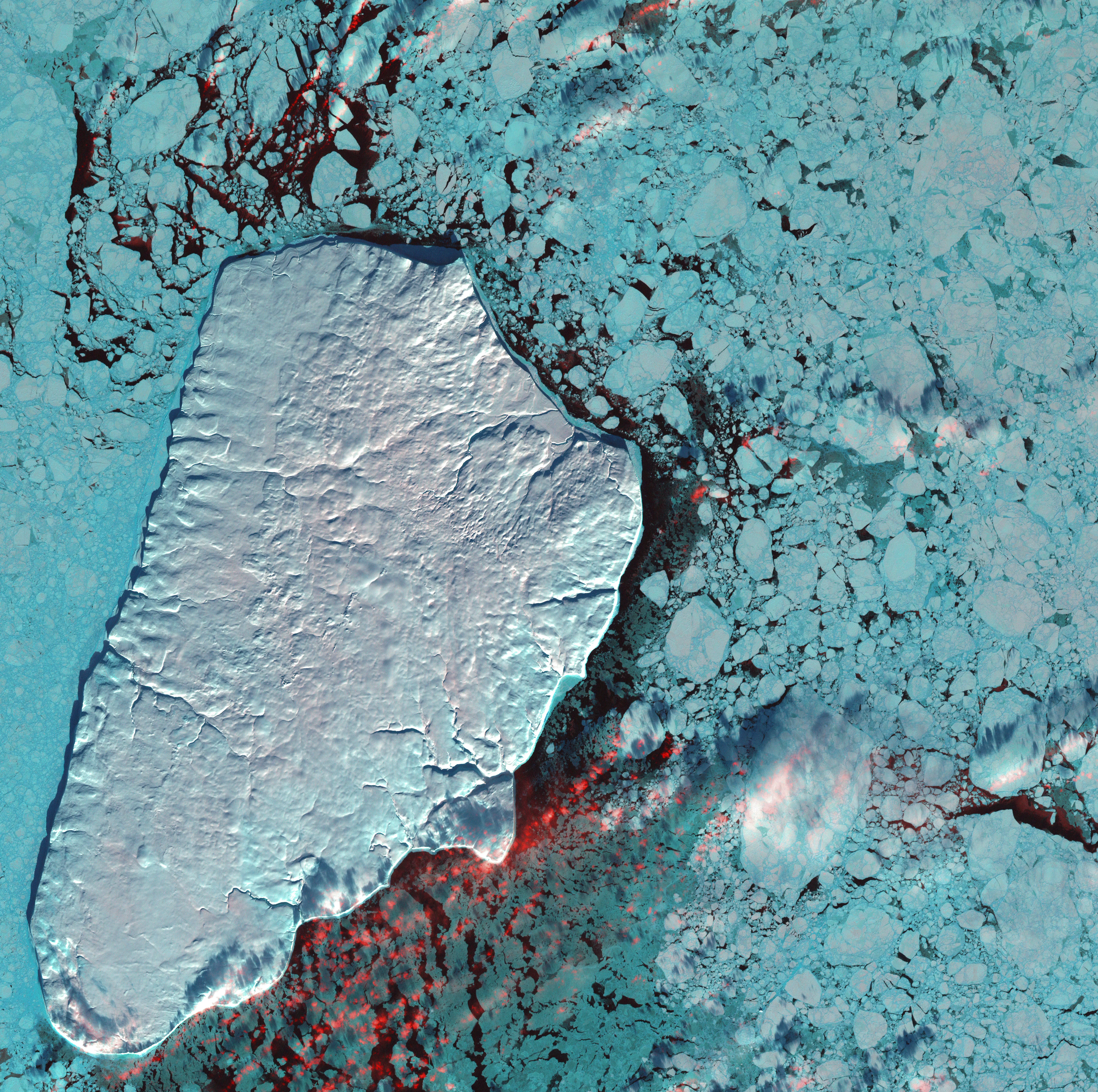
Akpatok Island lies in northern Hudson Bay, Nunavut, roughly 190 km (120 mi) northeast of Inukjuak. It is a 280-hectare rocky, treeless island dominated by sandstone cliffs rising to 100 m and inhabited tundra. The island has no permanent settlement, no infrastructure, and no dock; ships anchor offshore and use zodiacs (inflatable boats) for landings.
The island's primary draw is Arctic wildlife. Akpatok is home to one of North America's largest seabird colonies, with hundreds of thousands of thick-billed murres, northern fulmars, black-legged kittiwakes, and other species nesting on the cliffs. It is also a significant denning area for ringed seals and a feeding ground for polar bears, beluga whales, and bowhead whales in nearby waters.
Ship visits are expedition-based and weather-dependent. Landings may last 2–4 hours or be cancelled entirely due to sea state, fog, or ice. This is not a beach holiday or tourist shopping port; it is a wilderness observation destination suited to naturalists and Arctic enthusiasts. Nearly all activity ashore is guided and ship-organized. Expect no services, shops, food, or shelter on the island itself.
Akpatok is a wild, remote location with inherent hazards. Cliffs are unstable, fog rolls in suddenly, and temperatures can drop rapidly. Polar bears inhabit the island and surrounding ice; all shore excursions are accompanied by armed bear monitors and expedition staff. Never stray from the group or marked paths.
Weather is the primary operational constraint. Storms, high waves, or ice can prevent zodiac operations or cancel landings entirely. Ship captains make final decisions on landings in real time. Be prepared for disappointment if you do not get ashore.
There is no medical facility on the island. Ship medical staff handle any illness or injury; evacuation is by helicopter via Canadian Coast Guard if critical. The ship is your safety net; stay close to crew at all times.
Akpatok is not wheelchair accessible. The island has no paths, no handrails, no level terrain, and no facilities. Zodiac boarding requires stepping onto a moving boat and climbing a metal ladder—not feasible for those with limited mobility. Terrain is boggy, rocky, and often steep. Visitors with mobility concerns should consult the expedition company before booking and expect to remain aboard ship.
There is no terminal. The ship anchors in open water offshore. When a landing is approved, crew lower zodiac boats and call passengers to muster points on deck. The first view is the rocky, cliff-rimmed shoreline and tundra landscape. Landings occur on small pebble beaches or rocky outcrops. Within minutes of landing, naturalists orient the group, distribute binoculars, and begin the guided walk. The island smells of guano and salt water; wind is often strong. Wildlife—seabirds, distant seals—are the immediate focus.
Small pebbly or rocky shores at designated landing sites. Not for swimming or sunbathing; used only as embarkation/debarkation points for zodiacs. Water temperature is near freezing.
There are no restaurants, cafés, or food vendors on Akpatok Island. All meals are served aboard ship. Pack snacks (energy bars, nuts, chocolate) and a water bottle in a daypack for shore excursions; you will be ashore for 2–4 hours without access to food or water refills.
Expedition-class ships (Hurtigruten, Lindblad, Quark, Ponant) provide hearty breakfasts, packed lunches, and multi-course dinners aboard. If you have dietary restrictions or allergies, inform your cruise line during booking so they can accommodate you.
There is no shopping on Akpatok Island. No stores, no souvenir vendors, no services. If you need supplies, toiletries, or gifts, purchase them aboard ship or before you embark. The ship's shop typically carries Arctic-themed books, postcards, and expedition merchandise.
Ships anchor offshore; crew and naturalists ferry passengers to landing sites using zodiacs. Landing sites rotate based on wildlife activity and weather.
Book ferry ticketsAll shore excursions are led by expedition naturalists. Participants walk marked or informal trails across tundra, along cliffs, and to viewing areas. No independent wandering permitted.
Details last checked April 2026
Planning a cruise here?
Atlas Ocean Voyages sail to Akpatok Island.
No. Weather, sea state, and ice determine whether a landing is possible. Many expeditions experience cancellations or shortened visits. Arctic cruising requires patience and flexibility. Ask your cruise line about their cancellation policy and compensation options.
Polar bears inhabit the region, but sightings are unpredictable. Summer populations feed on seals at ice edges; zodiac cruises may spot bears from a distance. Guides are trained to maintain safe distance. Never expect a guarantee.
Yes, with supervision. Children must stay with parents/guardians and follow expedition rules. Uneven terrain and cliff hazards require adult vigilance. Ask the expedition company about age recommendations and fitness requirements before booking.
Find cruises to Akpatok Island, Canada
Compare sailings and book with no fees — best price guaranteed.
We may earn a commission when you book through our links, at no extra cost to you — it’s how we keep these guides free.
Tell us your sail date and we’ll email you a short Akpatok Island plan about 60 days out — when the good excursions start selling out — plus a final checklist 2 weeks before. Two emails, then done. We’ll send one note to confirm it’s really you — unsubscribe anytime.