
Australia & Pacific
Ships anchor offshore; tenders required to reach town.
Choose the Right Port Day
Best Overall
Half-day guided snorkel excursion (2–3 hours) plus 1–2 hours exploring the waterfront market and town center on foot or by taxi. Most cruisers get the most value this way.
Best Beach
Coral reefs just offshore are the main draw; snorkeling beats beach lounging. No developed beach facilities—plan on a boat-based water activity.
With Kids
Family-friendly reef snorkel excursion with calm shallow areas. Kids 5+ with supervision; check with the ship on gear availability and tour operators before sailing.
Only 3-4 Hours
Book a guided snorkel trip (2–3 hours) through the ship; it covers gear, boat, and guide. Return by lunch. Skip independent wandering.
Cheapest Option
Skip excursions and hire a local taxi to drive you 15 minutes to a village market or small settlement; cost roughly $20–40 USD for driver and vehicle. Minimal facilities, local experience only.
What To Avoid
Solo wandering away from the port area or town center; petty theft is a real concern, and navigation is confusing. Also avoid expecting restaurant-quality dining or shopping—the port is genuine and sparse, not tourist-oriented.
Quick Take
- Port Type
- Expedition & Cultural Port
- Best For
- Expedition cruise passengers, snorkelers, cultural explorers, and those comfortable with remote, less-developed ports.
- Avoid If
- You want convenience, established infrastructure, abundant independent activities, or easy day-trip reach; you also want to avoid if you're uncomfortable with limited medical facilities or minimal English outside tour guides.
- Walkability
- Poor. The town center is compact but roads are unpaved, infrastructure minimal, and no reliable pedestrian network. Hire transport or join organized excursions.
- Budget Fit
- Budget-conscious cruisers can manage; locally organized transport is cheap, but organized excursions (snorkeling, cultural visits) run $80–150 USD per person. Independent exploration is risky.
- Good For Short Calls?
- Fair. A 4-hour port day works if you join one pre-arranged excursion (snorkel or village visit) booked onboard.
Top Things To Do
1
Snorkel at nearby coral reefs
The primary draw. Reefs are minutes offshore by boat and feature colorful fish, corals, turtles, and occasional sharks (harmless). Guided excursions provide all gear and safety briefing. Visibility is usually 30–50 feet.
2
Visit local Melanesian villages or markets
Guided cultural tours to nearby villages, or self-guided exploration of the waterfront market. See traditional crafts, local life, and interact with residents (guides help bridge language gaps). Markets are lively, colorful, and authentic but can be crowded and hectic.
3
Waterfront market exploration
A bustling, compact market selling fresh fish, produce, handicrafts, and curios. Colorful, loud, and genuinely local—no tourist polish. Good for photos and grabbing tropical fruits or snacks.
Book with the ship, or on your own?
Booking independently
- Often noticeably cheaper than the ship’s version of the same tour.
- Smaller groups and local operators, with traveler reviews you can read before you pay.
- Free cancellation on most tours, usually up to 24 hours before.
When the ship’s excursion makes sense
- Short port calls or long transfers where the timing is tight.
- Tender-only stops where getting ashore can run late.
- The ship waits for its own delayed excursions — it won’t wait for independent ones, so leave a buffer before all-aboard.
We may earn a commission when you book through our links, at no extra cost to you — it’s how we keep these guides free.
Check The Port Traffic
Cruise Ships in Port
Once you have your shore plan, use the schedule to see how busy the harbour will be on your date, plus the ships, lines, and published call windows.
Sun
Mon
Tue
Wed
Thu
Fri
Sat
1
2
3
4
5
6
7
8
9
10
11
12
13
14
15
16
17
18
19
20
21
22
23
24
25
26
27
28
29
30
31
Quiet (1–2)
Busy (3–4)
Packed (5+)
0 scheduled calls
October 1, 2026
No scheduled cruise ship calls were found for this date selection. Pick a highlighted day on the calendar above, widen the range, or search for a different ship or line.
Port Overview
Alotau is a small, remote port in Papua New Guinea's Milne Bay Province and serves primarily as a base for expedition cruises exploring the region's reefs and indigenous culture. Ships anchor offshore; small boats or tenders ferry passengers ashore to a basic waterfront area with limited formal infrastructure. This is not a developed cruise port—expect minimal English outside tour operators, unpaved roads, and authentic, unpolished conditions.
The appeal is genuine: world-class snorkeling on nearby reefs, encounters with local Melanesian communities, and a true sense of adventure far from Caribbean-style cruise tourism. Day-trippers should manage expectations and pre-book excursions through the ship; independent exploration is possible but requires caution and planning. A half to full day is realistic for one main activity plus casual exploration.
Is It Safe?
Alotau is generally safe for cruisers in the waterfront and market areas during daylight, especially in groups or on organized tours. Petty theft (bags, cameras, phones) is a realistic concern, particularly in crowded markets or if you appear obviously foreign with expensive gear. Avoid walking alone after dark or straying into residential areas away from the port.
Medical facilities are basic; the local hospital has limited equipment and English-speaking staff. Serious illness or injury requires evacuation, usually by ship or air to a larger center. Bring any personal medications and travel insurance that covers evacuation. Water is not reliably potable; drink bottled water only. The roads are unmaintained and vehicles are often in poor condition, so hired taxis can be unsafe at speed—negotiate slowly and ask the driver to go easy.
Accessibility & Walkability
Alotau is challenging for mobility-impaired passengers. The waterfront is unpaved, terrain is uneven, and there are no formal walkways, ramps, or accessible facilities. Wheelchair users will struggle significantly; the tender process itself is difficult in rough conditions. Those with mobility concerns should pre-arrange ship-based excursions or remain onboard. Limited handrails, no elevators in local buildings, and no accessible restrooms outside the ship.
Outside the Terminal
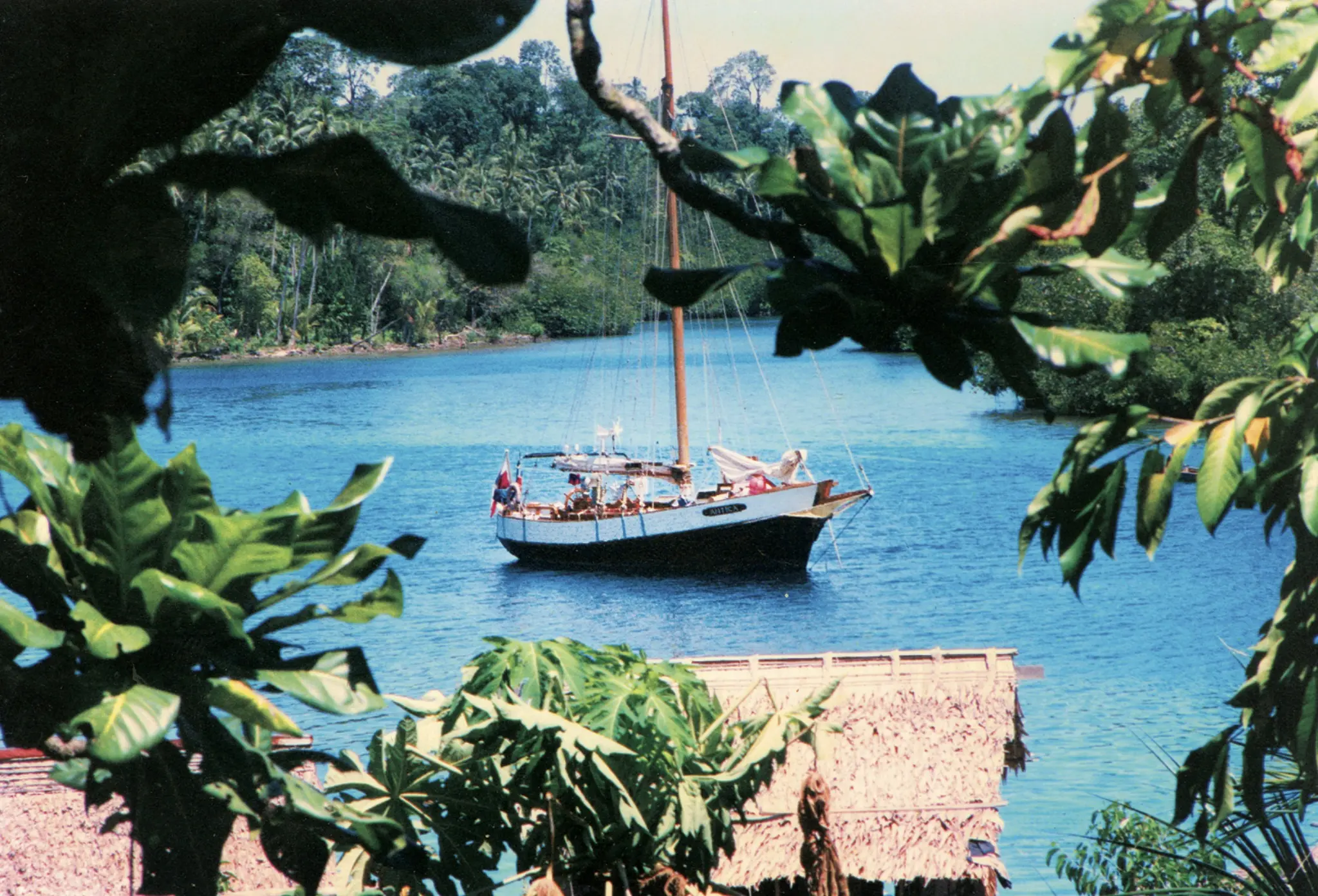
Stepping ashore via tender, you'll immediately see a small, weathered waterfront with wooden boats, a simple market shed, and basic commercial buildings. The air is warm and humid year-round. A handful of locals, vendors, and tour operators will greet you—some speaking English, most not. There are no formal terminal buildings, only a basic staging area. Small shops selling drinks, snacks, and handicrafts are immediately visible. The surrounding landscape is lush and tropical; the town itself looks rustic and undeveloped compared to typical cruise ports. Expect no formal queue systems, limited signage in English, and a general sense of frontier informality.
Beaches Near the Port
Snorkel reef sites (unnamed)
Not traditional beaches but coral reefs accessible by boat. Clear, shallow-to-deep waters with abundant marine life. No beach facilities; accessed only by excursion boat.
Local Food & Drink
Restaurant dining is minimal and basic. A few small eateries near the waterfront serve local food (rice, fresh fish, coconut dishes) at low cost ($3–8 USD per meal). Quality and hygiene vary; stick to hot, freshly cooked items and avoid raw salads unless you are confident of water safety. Many cruisers prefer to eat onboard and only grab snacks or street food ashore. Bottled water is essential; avoid tap water and ice. Fresh tropical fruits (papaya, banana, coconut) are available at the market and safe if peeled yourself.
Shopping
Shopping is limited to handicrafts, curios, and basic goods at the waterfront market and small stalls. Items include carved wooden masks, woven baskets, shell jewelry, and local artwork—genuine but not high-quality souvenirs. Prices are cheap (a mask costs $5–15 USD) and haggling is expected. There are no shops selling electronics, toiletries, or international brands; stock up on the ship if you need anything specific. The market can be crowded and chaotic; keep valuables secure and watch for pickpockets.
Money & Currency
- Currency
- Papua New Guinean Kina (PGK)
- USD Accepted?
- Yes
- Card Payments
- Credit cards rarely accepted ashore; carry cash USD or withdraw Kina at an ATM if available. Most transactions are cash-only.
- ATMs
- Limited ATMs in town; unreliable. Withdraw cash via ship if possible before arrival, or bring sufficient USD.
- Tipping
- Not culturally expected but appreciated for guides and drivers. $5–10 USD per person per excursion is customary.
- Notes
- The Kina floats; exchange rates vary. Bring USD $100–200 in small bills for the day. Cards are largely useless ashore.
Weather & Best Time
- Best months
- April to September (drier season, lower rainfall, cooler nights)
- Avoid
- November to March (cyclone season, heavy rain, high humidity)
- Temperature
- Most cruises visit April–September; typical temps 75–85°F daytime, 70–75°F night.
- Notes
- Alotau is tropical; even 'dry' months have rain. Pack rain gear, reef-safe sunscreen, and lightweight, quick-dry clothes. Cyclones are rare but possible Nov–Mar.
Airport Information
- Airport
- Alotau Airport (AYOU)
- Distance
- 5 km (3 miles) south of town
- Getting there
- Taxi or short drive by local vehicle. No regular public shuttle. Allow 10–20 minutes depending on road conditions.
- Notes
- Limited international flights; mostly regional service to Port Moresby and other PNG towns. Not a cruise embarkation hub. Few cruise passengers use this airport.
Getting Around from the Port
Ship-organized excursion boats
Tender service to snorkel sites, village visits, or guided cultural tours. Typically booked pre-cruise or onboard.
Book ferry ticketsLocal taxi or hired vehicle
Informal taxi services at the waterfront. Agree on fare before boarding. Drivers navigate unpaved roads to nearby villages, markets, or viewpoints.
Book a transfer 5% off with code TPO5 at checkoutWalking
Town center is walkable in 30 minutes, but no sidewalks, uneven terrain, and risk of petty theft if visibly carrying valuables.
Details last checked April 2026
Planning a cruise here?
Windstar, Seabourn, Princess Cruises & more sail to Alotau.
Practical Tips for Cruise Passengers
- Book snorkel excursions onboard before arrival; last-minute bookings may be unavailable and informal local operators are less reliable and safe.
- Bring reef-safe sunscreen (high SPF), a rash guard, and your own snorkel gear if you prefer a secure fit; rental equipment is basic.
- Carry only small amounts of cash and leave valuables (watches, cameras, phones) secured or on the ship; use a crossbody bag, not a backpack, in markets.
- Plan one main activity (snorkel or village visit) and allow 2–3 hours; trying to rush multiple activities wastes time and creates fatigue in the heat.
Frequently Asked Questions
Most cruise passengers do not need a visa if staying onboard or on organized excursions; check your passport validity (6+ months) and nationality with the ship and PNG embassy before sailing. Requirements vary by nationality.
Yes, arguably better. Alotau's reefs are less crowded, very biodiverse, and less damaged than Caribbean sites. Visibility can be 30–50 feet; expect healthy corals and abundant fish. Water is warm year-round.
Guides are available but coordination is difficult without English or local contacts. Book excursions through the ship for reliability, safety, and legal protection. Independent hiring is risky and not recommended for first-time visitors.
Find cruises to Alotau, Papua New Guinea
Compare sailings and book with no fees — best price guaranteed.
We may earn a commission when you book through our links, at no extra cost to you — it’s how we keep these guides free.
✉ Sailing to Alotau? Get your port-day plan
Tell us your sail date and we’ll email you a short Alotau plan about 60 days out — when the good excursions start selling out — plus a final checklist 2 weeks before. Two emails, then done. We’ll send one note to confirm it’s really you — unsubscribe anytime.
Same itinerary network
View All
Ports Often Paired With Alotau

Australia & Pacific

Australia & Pacific

Australia & Pacific
