
Antarctica
Antarctica
Astrolabe Island Cruise Port Guide: What to Expect, Logistics & Tips
Antarctica
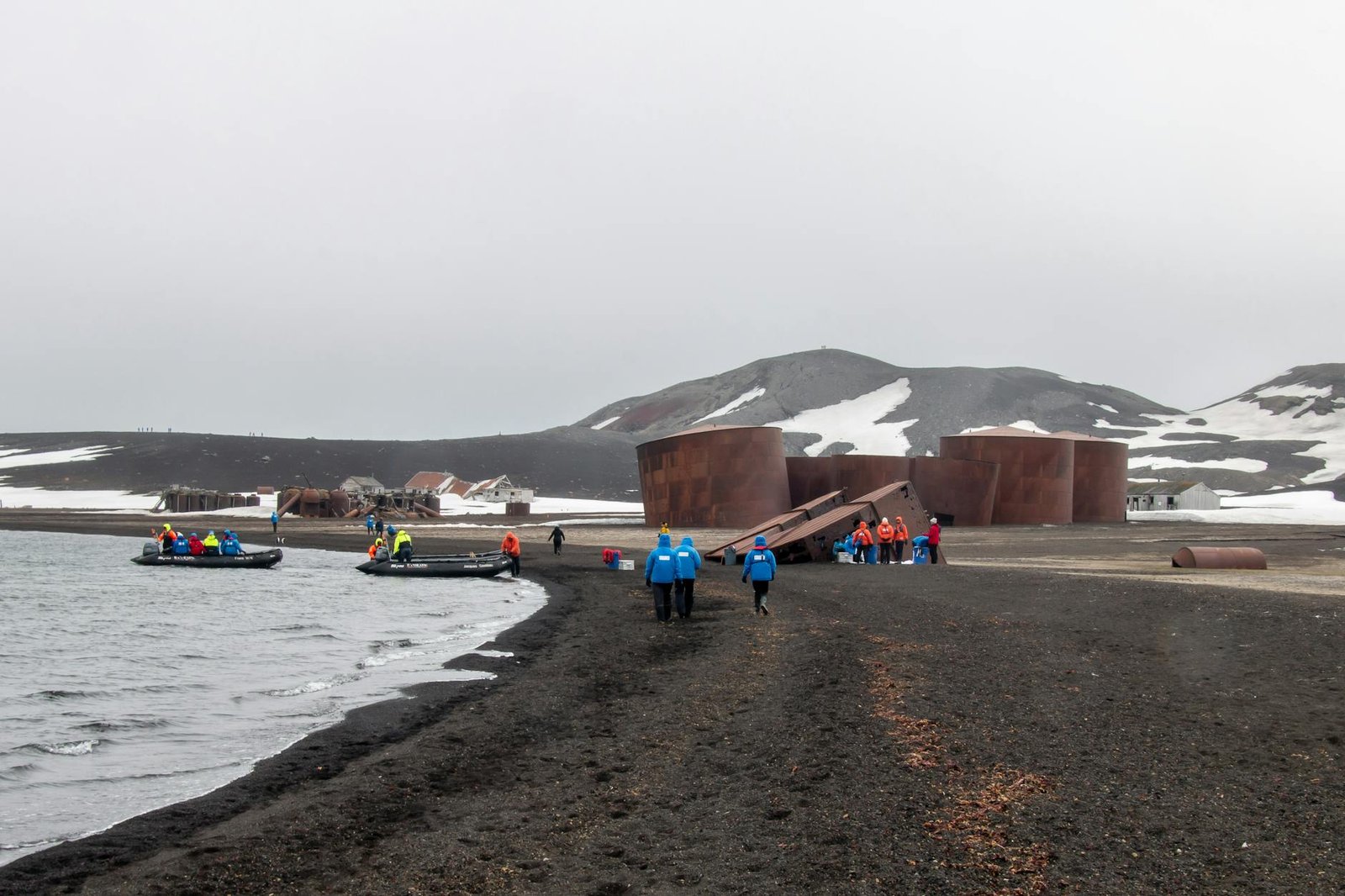
Ships anchor offshore; passengers transferred via zodiac boats to landing sites.
Choose the Right Port Day
Best Overall
Zodiac landing and guided walk to observe Adélie or chinstrap penguin colonies, depending on season. This is the primary reason to stop here.
Best Beach
Not applicable. Astrolabe Island has no developed beaches; rocky coastline and ice make swimming impossible and shore access hazardous.
With Kids
Children can participate in zodiac landings if physically able and supervised closely. Emphasize quiet observation of wildlife; this is not a play zone.
Only 3-4 Hours
If weather clears, take a zodiac landing for a guided walk around penguin colonies and seal haul-outs. Stay close to your group and follow expedition leader instructions strictly.
Cheapest Option
No cost option. All shore access is via ship-organized zodiac excursions included in cruise fare. No independent exploration, shops, or paid activities.
What To Avoid
Do not expect firm schedules. Weather, ice, and wildlife behaviour dictate what happens each day. Arriving with rigid expectations will disappoint you. Do not wander from your guide or attempt independent exploration; the terrain is treacherous and conditions change rapidly.
Quick Take
- Port Type
- Expedition Anchorage
- Best For
- Polar explorers who expect rigorous conditions, wildlife viewing, and minimal infrastructure.
- Avoid If
- You need reliable dock access, shops, restaurants, or guaranteed shore time.
- Walkability
- Not applicable. Terrain is rocky, icy, uneven. All movement is guided by expedition staff.
- Budget Fit
- No independent spending; all activities are ship-organized and pre-paid.
- Good For Short Calls?
- Weather-dependent. Zodiac landings can be cancelled or delayed without notice. Plan for 2–4 hours if conditions permit.
Top Things To Do
1
Zodiac landing and penguin colony walk
Board a zodiac and land on a rocky beach to walk among Adélie or chinstrap penguin colonies. Your naturalist guide interprets behaviour, breeding cycles, and survival adaptations. You may also see Weddell seals, leopard seals, or southern elephant seals hauled out on ice or rocks. Photography is excellent but slow, as you must remain quiet to avoid disturbing nesting birds.
2
Ship-based wildlife observation and lectures
If zodiac landings are cancelled due to weather or ice, remain aboard and attend naturalist presentations on Antarctic ecology, geology, and history. Use ship binoculars and telescopes to scan for icebergs, whales, and seabirds. Ship decks offer unobstructed views as you cruise past icebergs and pack ice.
Book with the ship, or on your own?
Booking independently
- Often noticeably cheaper than the ship’s version of the same tour.
- Smaller groups and local operators, with traveler reviews you can read before you pay.
- Free cancellation on most tours, usually up to 24 hours before.
When the ship’s excursion makes sense
- Short port calls or long transfers where the timing is tight.
- Tender-only stops where getting ashore can run late.
- The ship waits for its own delayed excursions — it won’t wait for independent ones, so leave a buffer before all-aboard.
We may earn a commission when you book through our links, at no extra cost to you — it’s how we keep these guides free.
Check The Port Traffic
Cruise Ships in Port
Once you have your shore plan, use the schedule to see how busy the harbour will be on your date, plus the ships, lines, and published call windows.
Sun
Mon
Tue
Wed
Thu
Fri
Sat
1
2
3
4
5
6
7
8
9
10
11
12
13
14
15
16
17
18
19
20
21
22
23
24
25
26
27
28
29
30
31
Quiet (1–2)
Busy (3–4)
Packed (5+)
0 scheduled calls
October 8, 2026
No scheduled cruise ship calls were found for this date selection. Pick a highlighted day on the calendar above, widen the range, or search for a different ship or line.
Port Overview
Astrolabe Island is a small, uninhabited rocky outcrop in the Ross Sea, roughly 200 km south of the Antarctic Circle. Ships anchor offshore and land expeditioners via zodiac (small rigid boat) only. There is no port infrastructure, no town, and no services ashore. Access is entirely weather- and ice-dependent; landings can be cancelled or delayed without notice. The sole reason to go ashore is to observe penguin colonies and seals in their natural habitat, guided by expedition naturalists. This is a working scientific and wildlife research area, not a tourist resort. Expect cold (–5 to –15°C), wind, rough seas, and wet landings. Only expedition cruise lines (Hurtigruten, Lindblad, Quark, Aurora, Ponant) visit, and stops are always part of a multi-week Antarctic voyage. Astrolabe is a highlight for serious polar explorers; it is not a casual port of call.
Is It Safe?
Astrolabe Island is one of Antarctica's most remote and hazardous ports of call. Weather is the dominant risk: katabatic winds exceed 50 knots, temperatures drop to –20°C, and sea ice can restrict or prevent zodiac access entirely. Hypothermia and frostbite are genuine threats; crew enforce strict cold-weather protocols. Zodiac operations are cancelled if swells exceed safe limits or ice blocks the route. Once ashore, terrain is slippery and unforgiving; loose rocks, ice patches, and crevasses are common. Wildlife (seals, leopard seals) is generally non-aggressive but must be approached only under guide direction. Never separate from your group or attempt independent exploration. Ship radio communication is mandatory for all shore parties. Evacuation by helicopter is possible but slow and costly. Assume any shore activity could be cancelled on short notice. Medical care is the ship's infirmary only; major emergencies require evacuation to New Zealand or Australia, a 2–3 day journey.
Accessibility & Walkability
Astrolabe Island is not accessible to mobility-impaired visitors. Zodiac boarding requires climbing or jumping from a platform into a moving boat in heavy seas—a task that demands balance, strength, and agility. Shore terrain is extremely rough (boulders, ice, mud) with no paths, railings, or assistance. Wheelchair users and anyone with mobility limitations, balance disorders, or severe arthritis should not attempt zodiac landings. Discuss accessibility concerns with your cruise line before booking; alternatives (ship-based wildlife viewing, lectures) may be available.
Outside the Terminal
There is no terminal. Your ship anchors in open water, often heaving in swells. Zodiac boarding stations are inside the ship (lower deck or garage). Once you step into a zodiac, you face the full force of the Antarctic environment: spray, wind, cold, and the sound of waves against the boat. The island itself appears as a dark rocky mass dotted with white penguin colonies, often surrounded by sea ice and icebergs. The first 10 minutes involve wet, bumpy transit and beaching (bow run up onto rocks or ice). Your expedition leader gives a final safety briefing before you step ashore into extreme wilderness.
Local Food & Drink
Astrolabe Island has no food services, cafes, or restaurants ashore. All meals are aboard ship. Your cruise operator provides breakfast, lunch, dinner, and snacks daily. Antarctic expeditions emphasize high-calorie meals to offset energy loss in extreme cold. If you have dietary restrictions (vegetarian, vegan, gluten-free, allergies), notify your cruise line weeks in advance so they can stock appropriate supplies. Bring extra snacks (chocolate, energy bars, nuts) if desired, though the ship supplies these. Pack a thermos of hot tea or coffee in your zodiac bag if allowed by your expedition team.
Shopping
There is no shopping on Astrolabe Island. The island is uninhabited and protected. Your ship's small gift shop (if present) stocks polar-themed souvenirs, expedition patches, and books on Antarctic history and wildlife. Prices are high due to remote logistics. Expect to pay $15–30 USD for a basic souvenir. Bring cash or credit card if your ship accepts payment aboard. Plan souvenir purchases well before departure, as selections are limited and sizes/quantities may sell out mid-voyage.
Money & Currency
- Currency
- Not applicable. No commerce ashore.
- USD Accepted?
- No
- Card Payments
- Ship onboard accounts accept card or cash for purchases (if available). Settle your bill before disembarkation.
- ATMs
- None
- Tipping
- Tip expedition staff (naturalists, zodiac drivers, deck crew) at voyage end. Gratuities are typically suggested at $10–15 USD per staff member per day, collected by the cruise line and distributed.
- Notes
- All costs are pre-paid via your cruise package. No independent spending is possible ashore.
Weather & Best Time
- Best months
- December–February (Antarctic summer). Ice is least extensive, temperatures are highest (–5 to +5°C), daylight is nearly continuous, and penguin breeding is active.
- Avoid
- May–August (Antarctic winter). Temperatures plummet to –20°C or below, ice is extensive, and darkness lasts most of the day. Zodiac operations are extremely hazardous.
- Temperature
- –5 to –15°C (23 to 5°F) during the austral summer. Pack heavy down parkas, insulated gloves, thermal base layers, and waterproof boots rated to –30°C.
- Notes
- Weather can change within minutes. Fog, katabatic wind gusts, and sudden ice formation are common. Expect cancelled or delayed landings. Wind chill can make effective temperature drop to –30°C or lower.
Airport Information
- Airport
- Not applicable for Astrolabe Island stops. Embarkation/disembarkation occurs in Christchurch, New Zealand (2,300 km north) or Port of Hobart, Australia (2,600 km north).
- Distance
- N/A
- Getting there
- N/A
- Notes
- Antarctic cruises begin and end with long drives or flights to/from New Zealand or Australia. Astrolabe Island is only a stop on a multi-week expedition voyage. Most voyages are 10–21 days and cost $8,000–40,000+ USD per person.
Getting Around from the Port
Zodiac (rigid inflatable boat)
Your only transport to shore. Ships cannot dock; you board a zodiac from a lower deck platform or tender garage. Zodiac captains are highly experienced in ice and surf conditions. Trips typically last 1–3 hours round-trip, depending on landing site and wildlife activity.
Book ferry ticketsGuided walking on island
Once ashore, you walk on marked routes (if available) or follow your expedition leader closely. Terrain is rocky, icy, and uneven. No paths are maintained. Speed is slow to avoid disturbing wildlife.
Details last checked April 2026
Planning a cruise here?
Hurtigruten, Ponant, Lindblad Expeditions & more sail to Astrolabe Island.
Practical Tips for Cruise Passengers
- Bring a high-quality waterproof camera or smartphone case. Zodiac spray ruins unprotected electronics. Binoculars are equally essential for wildlife viewing; the ship may loan a pair, but bring your own if possible.
- Wear moisture-wicking thermal base layers under your waterproof parka and pants. Cotton absorbs water and loses insulation; wool or synthetic blends dry faster and retain warmth when wet.
- Do not eat a large meal before a zodiac landing if prone to seasickness. The boat rocks heavily in the open water and swell; light meals and ginger tablets are helpful.
- Respect photography-free zones near nesting colonies. Your guide will set boundaries to protect penguins. Violating these is selfish and risks disturbing breeding behaviour.
Frequently Asked Questions
No. Antarctic landings are weather- and ice-dependent. Zodiac operations may be cancelled or delayed for days without warning. Your cruise itinerary is flexible; expect at least 1–2 unscheduled days at sea. Travel to Antarctica assuming some stops will be skipped. This is normal and expected.
No formal training is required, but reasonable fitness is essential. You must board a zodiac safely and walk 1–2 hours on uneven, icy terrain in extreme cold. Anyone with severe arthritis, balance disorders, or cardiovascular limitations should consult their doctor before booking. Discuss concerns with your cruise line in advance.
You can remain aboard and observe from the ship. Landings are optional, though most cruisers find them worthwhile. Ship-based lectures and wildlife viewing are always available as alternatives.
Find cruises to Astrolabe Island, Antarctica
Compare sailings and book with no fees — best price guaranteed.
We may earn a commission when you book through our links, at no extra cost to you — it’s how we keep these guides free.
✉ Sailing to Astrolabe Island? Get your port-day plan
Tell us your sail date and we’ll email you a short Astrolabe Island plan about 60 days out — when the good excursions start selling out — plus a final checklist 2 weeks before. Two emails, then done. We’ll send one note to confirm it’s really you — unsubscribe anytime.
Antarctica
View All
More Antarctica Ports

Antarctica

Antarctica

Antarctica
