Asia
Asia
Calaganan Island Cruise Port Guide: Things to Do & Practical Tips
Philippines
Ships anchor offshore; tender boats required to reach the island.
Choose the Right Port Day
Best Overall
Shore excursion snorkel trip (if offered by ship) to nearby reefs; otherwise self-guided snorkel off the main beach with rented gear. Most cruisers are satisfied with 4–5 hours of this.
Best Beach
Calaganan Island main beach (where tender lands). White sand, shallow warm water, calm reef nearby. Free.
With Kids
Shallow snorkeling in front of the beach, sandcastle building, and a short walk to spot local fish shacks. Keep sun protection high; shade is minimal.
Only 3-4 Hours
Tender ashore, swim and snorkel near the beach for 2.5 hours, grab water/snacks from a beach shack if available, tender back. Skip organized tours.
Cheapest Option
Tender ashore (included or small fee ~$15–25 USD round trip), snorkel for free, bring your own gear or rent locally (~$5–10 USD). Budget $0 if you skip all vendors.
What To Avoid
Overpriced 'island hopping' tours offered on the beach; they're slow, crowded, and rarely worth it for a half-day port. Skip any vendor pitch that seems high-pressure.
Quick Take
- Port Type
- Small island anchorage; expedition/luxury small-ship destination.
- Best For
- Snorkelers, beach loungers, and cruisers seeking quiet tropical escape without crowds.
- Avoid If
- You need restaurants, shops, or structured activities; infrastructure is minimal.
- Walkability
- Not applicable—island is small; activities are beach-based or boat-accessed.
- Budget Fit
- Budget-friendly if you skip organized excursions and enjoy free beach time.
- Good For Short Calls?
- Perfect. Most cruisers do 4–6 hours of snorkel and beach relaxation, then tender back.
Top Things To Do
1
Snorkeling the house reef
Coral reef lies in shallow water directly in front of the main beach. Swim out 20–50 meters to see fish, coral, and occasional turtles or rays. Visibility usually 15–25 meters on clear days.
2
Beach relaxation and swimming
Shallow, warm water (28–30°C year-round), white sand, and calm conditions most days. No waves, no crowds, just you and the reef. Bring sun protection and water shoes.
3
Island hopping or reef tours (if offered)
Ship's excursions sometimes include boat trips to nearby reefs or islets for more snorkeling variety. Usually lasts 3–4 hours and covers 5–10 km of coastline.
Book with the ship, or on your own?
Booking independently
- Often noticeably cheaper than the ship’s version of the same tour.
- Smaller groups and local operators, with traveler reviews you can read before you pay.
- Free cancellation on most tours, usually up to 24 hours before.
When the ship’s excursion makes sense
- Short port calls or long transfers where the timing is tight.
- Tender-only stops where getting ashore can run late.
- The ship waits for its own delayed excursions — it won’t wait for independent ones, so leave a buffer before all-aboard.
We may earn a commission when you book through our links, at no extra cost to you — it’s how we keep these guides free.
Check The Port Traffic
Cruise Ships in Port
Once you have your shore plan, use the schedule to see how busy the harbour will be on your date, plus the ships, lines, and published call windows.
Sun
Mon
Tue
Wed
Thu
Fri
Sat
1
2
3
4
5
6
7
8
9
10
11
12
13
14
15
16
17
18
19
20
21
22
23
24
25
26
27
28
29
30
31
Quiet (1–2)
Busy (3–4)
Packed (5+)
0 scheduled calls
October 22, 2026
No scheduled cruise ship calls were found for this date selection. Pick a highlighted day on the calendar above, widen the range, or search for a different ship or line.
Port Overview
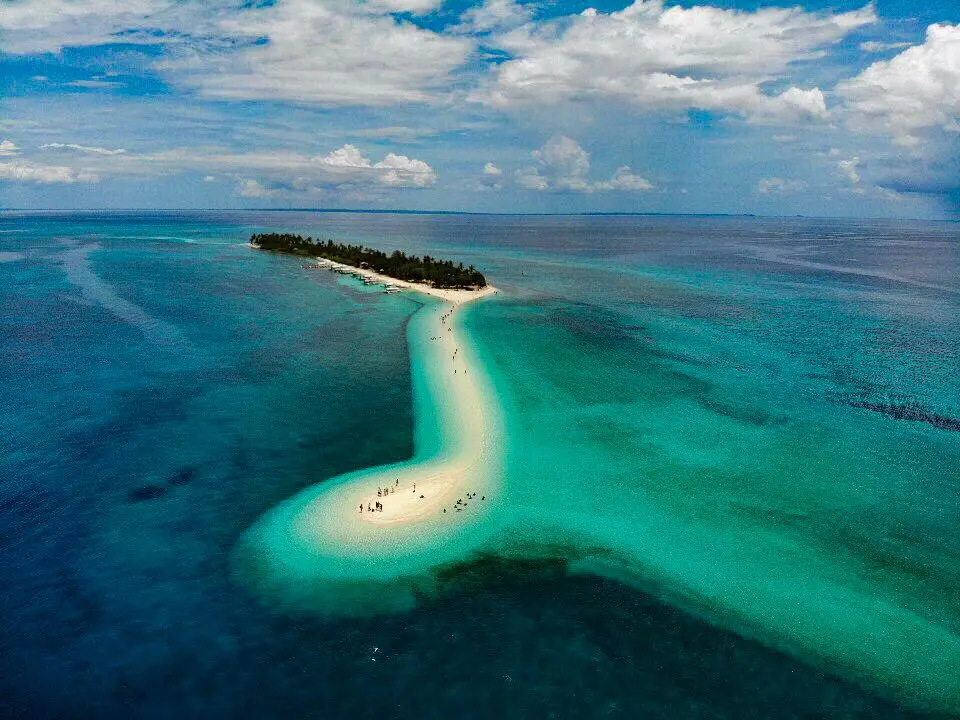
Calaganan Island is a small, undeveloped island in Palawan province, Philippines, served by expedition and luxury small-ship lines (Seabourn, Silversea, Ponant, Lindblad, Star Clippers). Ships anchor offshore; you tender ashore to a simple beach landing. There are no shops, hotels, or formal infrastructure—just sand, shallow reef, and local fish traps.
This is a 'hit and run' port. Most cruisers spend 4–6 hours swimming, snorkeling the nearby coral, and relaxing under the sun. It's peaceful precisely because it's not developed. If you want nightlife, restaurants, or shopping, you won't find it here.
The reef visibility and marine life are generally good, especially on calm days. Water is warm year-round. The main draw is the simplicity and the chance to snorkel without crowds. Plan to be back aboard by mid-afternoon.
Is It Safe?
Calaganan Island itself is safe. There is no crime, no vendors hassling you, and no dangerous wildlife on the beach. Locals are friendly and low-key. The main hazard is sun exposure—reef sun, shallow water, and no shade. Bring strong SPF and reapply frequently.
Snorkeling risks are standard: watch for sudden depth changes, currents, and basic reef hazards (sea urchins, stonefish). Stick to marked snorkel zones and ask crew about conditions before jumping in. If you're not a strong swimmer, stay in shallow water or snorkel with a buddy.
No landside crime or theft issues reported. Your ship is always visible; tender rides are frequent. Standard tropical caution applies: hydrate often, watch for heat exhaustion, and keep valuables in your cabin.
Accessibility & Walkability
Terrain is sand and shallow water. There are no paved paths, ramps, or facilities. Wheelchair users will find the beach landing difficult or impossible depending on tide and tender type. The beach itself is flat and sandy, so once ashore, walking is manageable if mobility is limited to short distances.
If you use mobility aids, the tender ride is the main challenge. Crew will assist, but there are no railings or smooth boarding points. Speak to crew in advance about your needs; they're usually accommodating but cannot guarantee easy access.
Outside the Terminal
You'll tender directly to a simple beach with no terminal building, officials, or formal arrival process. The first 10 minutes: clear shallow water, white sand, maybe a few local shacks or makeshift beach bars in the distance. No crowds, no vendors aggressively selling. It feels quiet, tropical, and undeveloped—exactly as advertised.
Examine the beach landing when you arrive. Tide and swell determine whether you'll step onto dry sand or wade. Ask crew for the day's conditions. Bring a dry bag for electronics and a small amount of cash if you plan to buy drinks or snacks from beach vendors.
Beaches Near the Port
Calaganan Island main beach
Primary tender landing. White sand, shallow turquoise water, coral reef visible from shore. Calm and quiet. No facilities, but local vendors may set up drinks/snacks on peak days.
Local Food & Drink
There are no restaurants or permanent food vendors on Calaganan Island. On cruise days, a few locals may set up a beach shack selling drinks (coconut water, bottled water, soft drinks, beer) and light snacks (grilled fish, rice, fruit). Prices are low (water ~$1–2 USD, beer ~$3–5 USD, snacks ~$2–4 USD) but quality and availability vary.
Bring your own food and water if you plan to stay all day. Most cruisers pack sandwiches, fruit, and water from the ship. There are no fridges or ice onshore, so bring an insulated container if you want cold drinks. Eat breakfast aboard before tendering, and keep snacks with you.
Shopping
There is no shopping on Calaganan Island. No stores, no souvenir vendors, no ATMs. A few locals may sell handmade items or shells directly on the beach, but selection is minimal and prices are not negotiable. If you want gifts or supplies, buy them aboard ship or in a larger port.
Money & Currency
- Currency
- Philippine Peso (PHP)
- USD Accepted?
- Yes
- Card Payments
- Not available onshore; some beach vendors may accept cash USD
- ATMs
- None on island
- Tipping
- Not expected but appreciated if you buy from beach vendors or hire a local guide
- Notes
- Bring USD cash for any beach purchases. Most transactions are informal and cash-only. No card readers, no formal economy. USD $1 = ~50–55 PHP (check current rate).
Weather & Best Time
- Best months
- November to April (dry season; calm seas, clear visibility, 25–28°C)
- Avoid
- June to October (typhoon/monsoon season; choppy seas, poor visibility, occasional cancellations)
- Temperature
- 25–32°C year-round; warm and humid
- Notes
- Most cruise calls occur Oct–May. Water is warm year-round (28–30°C). April–May can be hot and muggy. Sun protection is critical regardless of season.
Airport Information
- Airport
- Busuanga Airport (USU) or Puerto Princesa International Airport (PPS)
- Distance
- Busuanga ~50 km northeast; Puerto Princesa ~150 km south
- Getting there
- Helicopter, boat, or car/bus from airport to ship. Ship usually coordinates if doing pre- or post-cruise stays. Direct access to island is by tender only.
- Notes
- Calaganan Island has no airport. If doing pre-cruise or post-cruise, arrange transport via your cruise line. Most cruisers arrive/depart from Puerto Princesa.
Getting Around from the Port
Tender
Ship's tender ferries you from anchorage to beach. Usually runs every 15–30 minutes.
Wading
If tender lands in shallow water, you may wade ashore. Otherwise, tender deposits you on beach.
Organized shore excursions (snorkel/island tours)
Ship may offer guided snorkel trips, island hopping, or sunrise/sunset outings. Usually booked in advance.
Details last checked April 2026
Planning a cruise here?
Silversea Cruises sail to Calaganan Island.
Practical Tips for Cruise Passengers
- Bring and wear high-SPF sunscreen (at least 50+) and reapply every 2 hours. Reef sun reflects intensely, and there is almost no shade onshore.
- Pack your own snorkel gear if you own it; rental quality varies, and availability can be limited. Bring a mesh bag to rinse gear in fresh water afterward (the ship can help).
- Tender runs are frequent but not scheduled like a ferry. Ask crew for the last tender time and don't linger on the beach past mid-afternoon to avoid a long wait.
- Bring water shoes or reef shoes; the beach and shallow water can have sharp coral or rocks depending on tide and exact landing spot.
Frequently Asked Questions
No. Calaganan Island is uninhabited except for a few seasonal fishing families. There are no shops, restaurants, or facilities. Everything you need for the day must come from your ship.
Yes, if you're a competent swimmer and snorkeler. The reef is shallow and visible from shore. Stick to the marked areas, watch for depth changes, and snorkel with a buddy when possible. If unsure, book the ship's guided snorkel tour.
November to April (dry season) offers calm seas, clear visibility, and stable weather. June to October is monsoon season with rougher seas and occasional port cancellations. Most cruises visit Oct–May.
Find cruises to Calaganan Island, Philippines
Compare sailings and book with no fees — best price guaranteed.
We may earn a commission when you book through our links, at no extra cost to you — it’s how we keep these guides free.
✉ Sailing to Calaganan Island? Get your port-day plan
Tell us your sail date and we’ll email you a short Calaganan Island plan about 60 days out — when the good excursions start selling out — plus a final checklist 2 weeks before. Two emails, then done. We’ll send one note to confirm it’s really you — unsubscribe anytime.
Same itinerary network
View All