
Canada & New England

Manitoba, Canada
Nunavut, Canada
Ships anchor offshore; tender boats required to reach shore.
Visit working carving and printmaking studios where local artists create traditional Inuit art. The cooperative gallery sells prints, sculptures, and textiles. Prices are high (expect $50–500+ CAD for prints, $200–2,000+ for carved pieces), but quality is world-class. You may meet artists at work.
A guide walks you through Cape Dorset, pointing out historic sites, homes, traditional knowledge, and Arctic landscape. You'll see the school, church, and community buildings. Views of the surrounding tundra and ice floes (seasonally) are striking. Guides often share stories of Inuit life and survival in the Arctic.
A small motorboat takes you along the coast to spot seals, walruses, Arctic birds, and seasonal icebergs. Weather and ice conditions determine what you see. This is a genuine Arctic experience and often the closest you'll get to wildlife.
Walk the rocky shores and hilltops to photograph the hamlet, tundra, and seascapes. The light is unique in the Arctic; colors are vivid and shadows sharp. Bring a good camera and sturdy footwear. Stay within sight of the hamlet.
Book with the ship, or on your own?
Booking independently
When the ship’s excursion makes sense
We may earn a commission when you book through our links, at no extra cost to you — it’s how we keep these guides free.
Check The Port Traffic
Once you have your shore plan, use the schedule to see how busy the harbour will be on your date, plus the ships, lines, and published call windows.
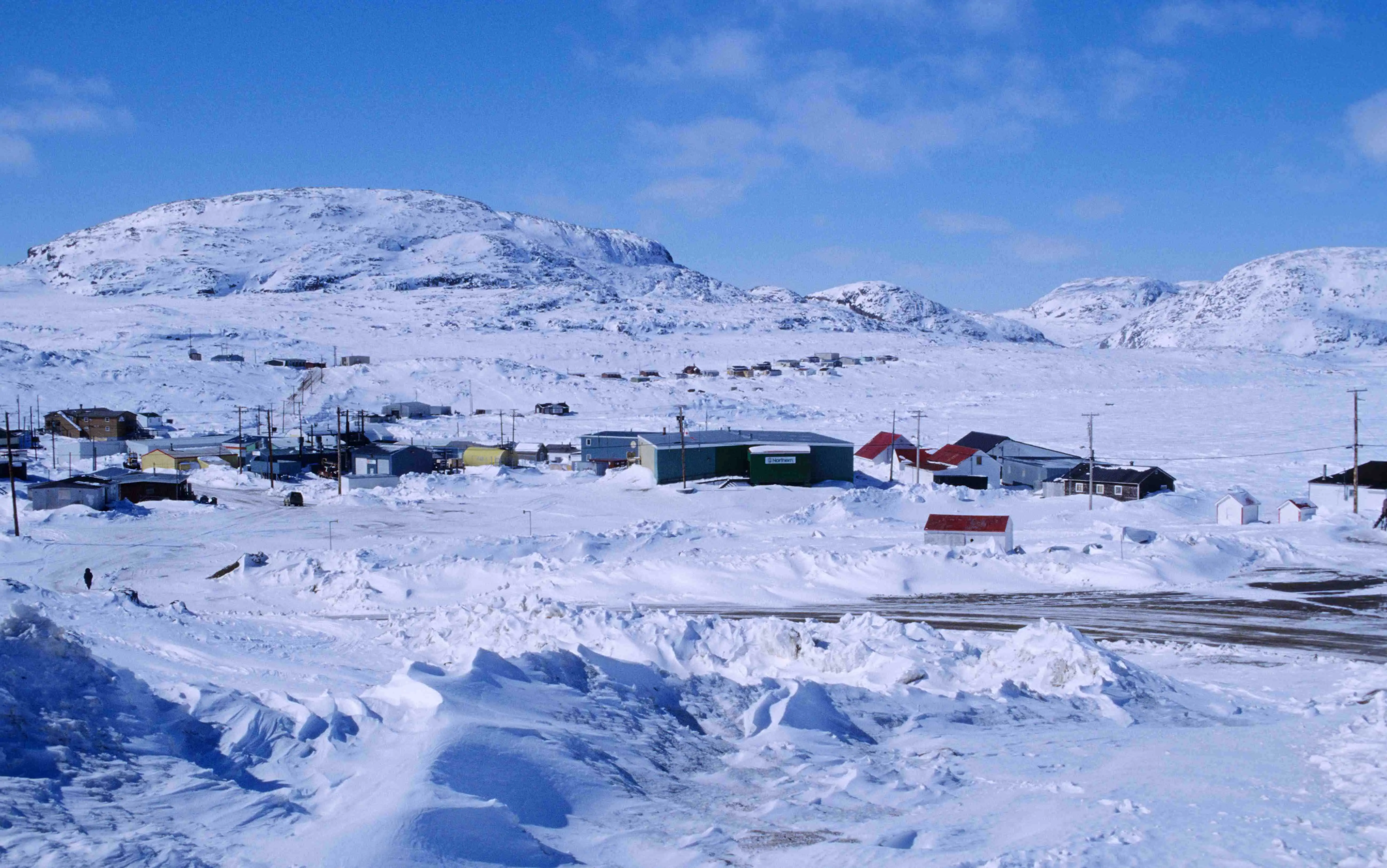
Cape Dorset is a tiny Inuit hamlet (population ~1,200) on Dorset Island in the Canadian Arctic, accessible only by ship or plane. Ships anchor offshore and tender passengers ashore. There are no docks, no restaurants, no hotels, and minimal infrastructure—this is one of Canada's most remote settlements. Most cruisers come for Inuit art, Arctic wildlife viewing, and the novelty of standing in the High Arctic. The hamlet is famous for printmaking and carving; studios and cooperative galleries are the main draw. Weather is unpredictable; port visits may be cancelled or shortened without notice.
Cape Dorset is safe in terms of crime; serious theft or violence is virtually nonexistent. The real risks are environmental. Weather is unpredictable—fog, wind, and sudden cold can roll in within minutes. Tender operations depend entirely on sea conditions; if swells are high, landings may be impossible. Terrain is rough, slippery when wet, and unlit at night (or barely visible in low Arctic light). Do not wander far from the hamlet or known paths; the tundra is expansive and featureless. Hypothermia is a real risk if you fall into water or get separated from the group. Internet is unreliable. The nearest hospital is in Iqaluit, several hours away by plane. Always stay with organized groups or inform someone of your whereabouts.
Accessibility is poor. The hamlet has no paved roads, no accessible buildings, no level terrain, and no formal infrastructure for disabled visitors. Tendering itself is challenging—you climb in and out of a small boat in heavy winter gear. Wheelchair users and those with mobility issues will struggle significantly. Those with respiratory issues may find the extreme cold difficult. Discuss any accessibility needs with your cruise line far in advance; they may not be able to accommodate you ashore.
The tender beach is a small rocky cove. As you land, you'll see a handful of colorful buildings (homes, cooperative galleries, a school), scattered across rocky terrain sloping upward. The air is sharp and cold, even in summer (July–August). There's no formal welcome infrastructure—no gift shop, no restroom, no café. A guide or cruise staff usually greets tender groups and begins walks immediately. The hamlet feels genuinely remote and quiet; sounds carry far. Expect to feel the isolation immediately.
There are no restaurants, cafes, or food vendors in Cape Dorset. A small co-op may stock basic snacks and drinks, but stock is unpredictable. Eat lunch aboard your ship before or after your shore visit. Some cruise lines offer packed lunches if you request them in advance. Do not count on buying food ashore.
The Dorset Fine Arts Cooperative Gallery is the main (and nearly only) retail draw. You'll find Inuit prints, carvings, sculptures, beadwork, and textiles. Quality is high; prices reflect it ($50–500+ for prints, $200–2,000+ for carvings). A small co-op store sells basics (snacks, toiletries, clothing). There are no souvenir shops, no chain stores, and no bargains. Bring cash (Canadian dollars); cards work inconsistently.
Ships anchor offshore; Zodiac or tender boats ferry passengers to the rocky shore. Landings are weather-dependent.
Ship-organized guides lead walks through the hamlet, artist studios, and tundra viewpoints.
Explore the hamlet on foot. Terrain is rocky, hilly, and unpaved. No sidewalks or formal paths.
Organized boat trips to spot Arctic wildlife, icebergs, or seal colonies.
Book ferry ticketsDetails last checked April 2026
Planning a cruise here?
Scenic Cruises, HX Expeditions sail to Cape Dorset.
No. Weather, ice, and sea conditions determine if tendering is possible. Arctic expeditions always carry a backup itinerary. Many cruises skip Cape Dorset due to weather. Accept it as a bonus, not a guarantee.
Yes, the cooperative gallery has high-quality prints and carvings. Prices are premium ($50–500+ CAD for prints), but you're buying directly from artists and supporting the community. It's not cheap, but authentic and ethically sourced.
Cell service and internet are extremely limited and unreliable. Assume you'll be offline. If you need to contact home, ask your ship to relay messages or wait until the next port.
Find cruises to Cape Dorset, Nunavut, Canada
Compare sailings and book with no fees — best price guaranteed.
We may earn a commission when you book through our links, at no extra cost to you — it’s how we keep these guides free.
Tell us your sail date and we’ll email you a short Cape Dorset plan about 60 days out — when the good excursions start selling out — plus a final checklist 2 weeks before. Two emails, then done. We’ll send one note to confirm it’s really you — unsubscribe anytime.


