

Africa & Middle East
Africa & Middle East
Dakar Cruise Port Guide: Things to Do & Practical Tips
Senegal
Ships dock at Port Authority pier with direct access to terminal facilities.
Choose the Right Port Day
Best Overall
Île de Gorée day trip. It's the most coherent half-day excursion, historically resonant, photogenic, and feels unlike your home port. Ferry logistics are straightforward; most luxury lines offer organized tours, but independent travel is feasible and cheaper.
Best Beach
Dakar's beaches (Plage de N'Gor, Plage Yoff) are urban and functional rather than scenic; most cruisers skip them in favor of Île de Gorée's cooler historical experience.
With Kids
Île de Gorée ferry ride and island exploration. Kids enjoy the colorful colonial buildings, street art, and the novelty of a car-free island. Avoid busy afternoons; go early.
Only 3-4 Hours
Take a taxi to Île de Gorée ferry terminal (~10 min, $2–4), ferry across (30 min round-trip, ~$5), walk the car-free island for 1.5–2 hours visiting colonial architecture and the slave trade memorial, then return to ship. Minimal stress, historically meaningful, and doable in a squeeze.
Cheapest Option
Walk downtown Dakar from port (15 min if fit), explore the medina, grab street food or cheap café meal ($2–5), visit the small beach promenade. Total cost under $10 if you skip tours. Guides ask for tips but are optional.
What To Avoid
Avoid unguided walks into remote inland neighborhoods after dark. Skip souvenir shops on the main tourist drag unless you enjoy high-pressure haggling. Downtown crowds and traffic can be chaotic; go early or take a taxi rather than getting lost.

Quick Take
- Port Type
- City & Cultural Gateway
- Best For
- Luxury expedition passengers; cultural exploration; West African history; embarkation/disembarkation hub.
- Avoid If
- You want beach relaxation, all-inclusive resort facilities, or extensive modern shopping.
- Walkability
- Downtown Dakar is walkable (15–25 min from port), but heat and traffic are intense. Île de Gorée is car-free and pedestrian-friendly once you ferry over.
- Budget Fit
- Mid-range. Ferries, taxis, and informal meals are cheap; guided tours and restaurants vary widely.
- Good For Short Calls?
- Yes. Île de Gorée (ferry + 2-hour island walk) is the standard 4–5 hour option. Downtown walking requires less logistics but fewer standout sights.

Top Things To Do
1
Explore Dakar and Gorée Island full day
With the help of an experienced licensed Tour Guide you will have a lifetime moment in Dakar ,he know well the traffic which is a challenge.You’ll…
8h 30mFree cancellation
2
Taxi DSS to DAKAR,SALY,RIU HOTEL,SOMONE ( please check Options)
We have new cars with professional drivers who speak French and English. We ensure your reception and then your transport between Dakar and the airport in…
50mFree cancellation
Our picks in Dakar
3
Île de Gorée (UNESCO World Heritage Island)
Car-free island with colonial-era architecture, cobblestone streets, art galleries, and the Maison des Esclaves—a historically sobering memorial to the transatlantic slave trade. Walk the entire island in 2 hours; allow time for the museum and reflection.
4
Downtown Dakar Medina & Plateau Walk
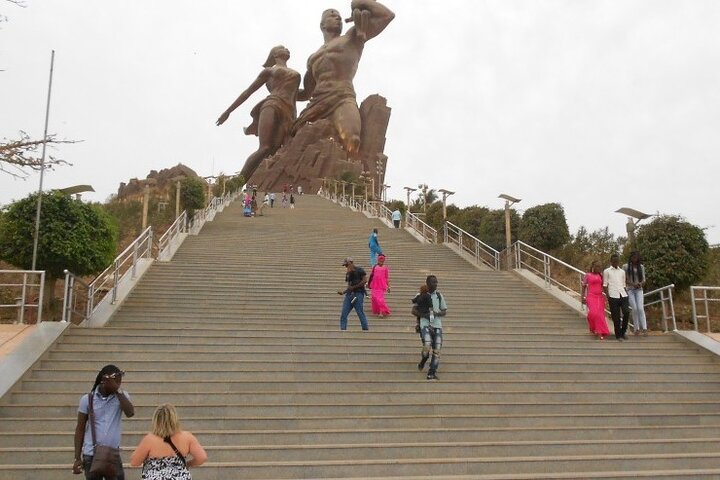
Explore the old medina (compact market quarter), street vendors, colonial administrative buildings, and the Monument de la Renaissance Africaine. Mix of architecture, street life, and informal culture. Hire a local guide or join an organized walk to avoid getting lost.
5
Musée Dynamique
Modern art museum housed in a striking contemporary building; rotating Senegalese and West African exhibitions. Smaller than major European museums but culturally relevant and air-conditioned.
Book with the ship, or on your own?
Booking independently
- Often noticeably cheaper than the ship’s version of the same tour.
- Smaller groups and local operators, with traveler reviews you can read before you pay.
- Free cancellation on most tours, usually up to 24 hours before.
When the ship’s excursion makes sense
- Short port calls or long transfers where the timing is tight.
- Tender-only stops where getting ashore can run late.
- The ship waits for its own delayed excursions — it won’t wait for independent ones, so leave a buffer before all-aboard.
Going independent? Compare tours in Dakar → — the best-reviewed ones sell out first.
We may earn a commission when you book through our links, at no extra cost to you — it’s how we keep these guides free.
Check The Port Traffic
Cruise Ships in Port
Once you have your shore plan, use the schedule to see how busy the harbour will be on your date, plus the ships, lines, and published call windows.
Sun
Mon
Tue
Wed
Thu
Fri
Sat
1
2
3
4
5
6
7
8
9
10
11
12
13
14
15
16
17
18
19
20
21
22
23
24
25
26
27
1 ship
28
29
30
31
Quiet (1–2)
Busy (3–4)
Packed (5+)
0 scheduled calls
October 18, 2026
No scheduled cruise ship calls were found for this date selection. Pick a highlighted day on the calendar above, widen the range, or search for a different ship or line.
Port Overview
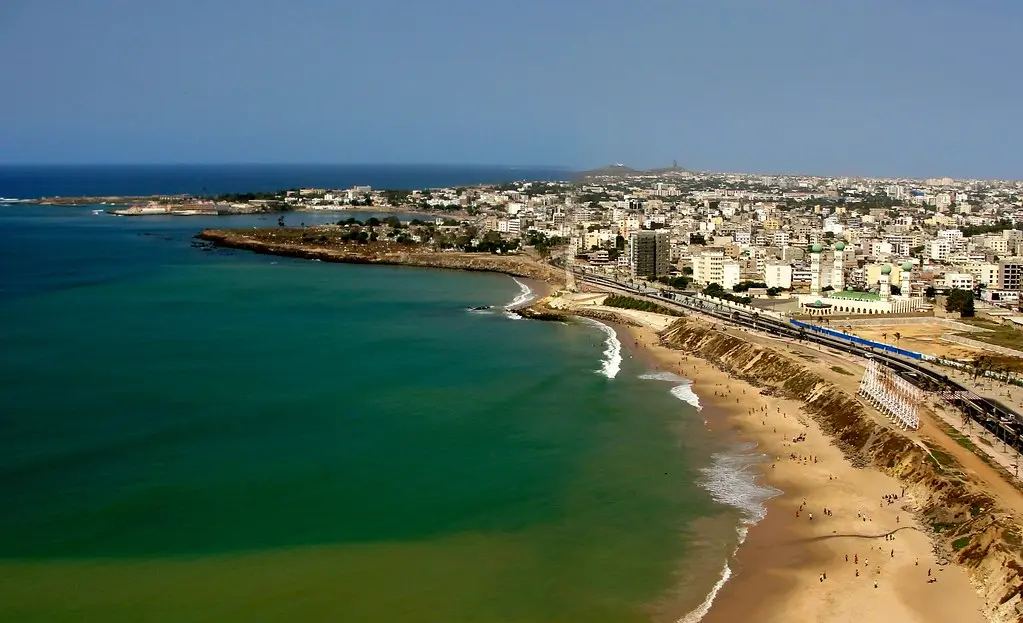
Dakar is West Africa's premier cruise gateway, home to major expedition and luxury lines (Ponant, Hurtigruten, Scenic, Seabourn, Silversea). Ships dock at the Port Authority Pier, a modern facility roughly 2–3 km southwest of downtown. The city itself is a sprawling, bustling capital of roughly 1 million people, characterized by colorful informal commerce, intense heat and humidity, colonial-era architecture, and a significant role in the transatlantic slave trade.
The main draw for cruisers is Île de Gorée, a UNESCO-listed island 4 km offshore reached by a 30-minute ferry. It's car-free, historically solemn, and visually striking—narrow alleyways, pink and yellow colonial houses, and the Maison des Esclaves (House of Slaves), a deeply moving memorial. Downtown Dakar itself has a medina, local markets, the Musée Dynamique, and the Monument de la Renaissance Africaine, but these are secondary to Île de Gorée for most short-visit cruisers.
Safety is manageable in touristed areas (downtown, port, ferry terminal, Île de Gorée), but petty theft and opportunistic scams occur. Dakar is hot, humid, and sometimes chaotic—not a leisurely beach destination. Most cruisers treat it as a cultural pit stop or embarkation point rather than a full day of relaxation.

Is It Safe?
Dakar is generally safe for tourists in main areas (port, Île de Gorée, downtown Plateau), but petty theft, pickpocketing, and street-level scams are common. Keep valuables out of sight, avoid walking alone after dark, and stay aware of your surroundings in crowded markets and on buses. Armed robbery and violent crime do occur but are rare for cruise visitors who stick to touristed zones.
The port itself is well-secured and staffed. Île de Gorée is one of the safest excursions, being car-free, small, and heavily visited. Downtown Dakar, while lively and welcoming by day, can feel chaotic; go with a companion or a taxi rather than solo exploration. Women travelers should expect unsolicited comments and should dress modestly to reduce unwanted attention.

Accessibility & Walkability
The port pier is modern and accessible by wheelchair. Getting from ship to downtown or ferry terminal involves taxis; curbs and street infrastructure downtown are uneven and congested. Île de Gorée's narrow, steep colonial-era alleyways and cobblestone streets are challenging for wheelchairs or limited mobility; you can walk some streets but full exploration is difficult. If you use a mobility device, the ferry ride is manageable, but plan for a guided tour or taxi on the island itself.

Outside the Terminal
Exiting the terminal, you will immediately encounter heat, humidity, and organized taxi ranks. Touts may approach with offers of tours, shops, or transport; politely decline or say 'non, merci.' The area is busy but secure. Signage points toward the ferry terminal (Gare Maritime) and downtown. If you haven't pre-booked an excursion, decide on a taxi or ferry walk within the first 5 minutes to avoid being pulled into unofficial services.

Beaches Near the Port
Plage de N'Gor (N'Gor Beach)
Urban beach near downtown, used by locals and tourists. Brown sand, calm water, close to restaurants and bars. Lacks resort amenities; busy and somewhat polluted by urban standards.
Plage Yoff
Another local beach northwest of downtown; quieter than N'Gor, with small fishing village atmosphere. Still urban; no resort facilities.
Local Food & Drink
Dakar's food scene ranges from street-level senegalese fare to upscale restaurants. For cruisers, street meals (thiéboudienne—a rice-and-fish staple, grilled meat skewers, akara—bean fritters) cost $2–4 and are flavorful but carry mild hygiene risk if your stomach is sensitive. Established restaurants in the Plateau and on Île de Gorée offer seafood and Senegalese cuisine for $8–20 per person. Tap water is not reliably safe; stick to bottled water, soft drinks, and hot beverages. French-style cafés serve decent coffee and pastries. If you take an organized tour, lunch is often included.

Shopping
Downtown Dakar's medina and street markets sell textiles, woodcarvings, and souvenirs at aggressive haggling intensity. Prices are negotiable but quality varies. Île de Gorée has quieter, higher-end craft shops and galleries. Expect to encounter persistent touts asking for tips after showing you wares. Modern shopping malls exist but are not worth cruise-visitor time. Best souvenir strategy: buy early in your port day, keep small bills for markets, and avoid engaging with unsolicited vendors unless genuinely interested.
Money & Currency
- Currency
- West African CFA franc (XOF). 1 USD ≈ 580–620 XOF (check current rates).
- USD Accepted?
- Yes
- Card Payments
- Credit cards accepted in upscale restaurants and some shops; declined in markets and street vendors. ATMs available near port and downtown; may have withdrawal limits or high fees.
- ATMs
- ATMs at BICIS bank (downtown), port area, and main shopping areas. Withdraw cash early; not all machines dispense USD reliably.
- Tipping
- Not obligatory but expected for guides, drivers, and restaurant service. Tip 10% if satisfied; less if you hired an unofficial guide (a small bill or gesture suffices).
- Notes
- Many informal vendors and taxi drivers prefer cash; carry small bills (USD $1–5) for tipping and small purchases. Avoid showing large sums in public.
Weather & Best Time
- Best months
- November–February (cool, dry season; 16–24°C).
- Avoid
- June–September (rainy season; very humid, occasional flooding in streets).
- Temperature
- Most luxury cruises visit November–April; expect 18–28°C, low rainfall, strong sun.
- Notes
- Dakar is windy and coastal, so heat is offset by breeze. Midday sun is intense; bring sun protection and light, breathable clothes. Harmattan wind (December–February) brings dust from the Sahara.
Airport Information
- Airport
- Blaise Díagne International Airport (DSS)
- Distance
- 50–55 km southeast
- Getting there
- Taxi (~45 min, $15–25), ride-hailing app (Uber/Yango, ~$12–18), or shared minibus if available. Some cruise lines offer pre/post-cruise airport transfers.
- Notes
- Modern facility with basic amenities. Allow 2–3 hours for check-in on international flights. Confirm transfer arrangements with your cruise line if you are flying in/out.
Getting Around from the Port
Taxi
Abundant, unmetered, and cheap. Negotiate fare before entering or use a ride-hailing app (Uber, Yango) for transparency. To ferry terminal: ~10 min; downtown: ~15 min.
Book a transfer 5% off with code TPO5 at checkoutFerry (to Île de Gorée)
Official ferry from Dakar port to Île de Gorée. Reliable, fast, tourist-friendly. Departs every 30–60 min. Buy tickets at terminal.
Book ferry ticketsWalking (downtown)
Port to downtown Plateau area is walkable (~1.5 km, 15–20 min) but hot, congested, and not scenic. Better to taxi.
Organized shore excursion
Most cruise lines offer Île de Gorée tours (half-day), often including guide, ferry, and sometimes a museum entry or downtown stop.
Details last checked April 2026
Planning a cruise here?
PONANT, Cunard Line, Seabourn & more sail to Dakar.
Practical Tips for Cruise Passengers
- Book Île de Gorée ferry early (8–9 am) to avoid midday tourist crowds and get the best light for photos.
- Hire a guide or take an organized tour for downtown Dakar; the medina and street layout are confusing for newcomers, and a local guide adds cultural context worth the cost.
- Bring plenty of small USD bills and bottled water; ATMs may be unreliable, and cash makes tipping and informal market bargaining easier.
- Wear light, modest clothing (shoulders and knees covered in some contexts) and sun protection; Dakar's heat is intense, and cultural sensitivity matters in this Muslim-majority city.
Frequently Asked Questions
Independent travel is easy and cheaper ($10–15 total vs. $50–90 for a tour). Ferry terminals are well-signed, and the island is small and safe. A tour adds guided historical commentary and logistics coordination; choose based on comfort with navigating alone.
The walk is hot, congested, and not particularly scenic. A taxi is cheap ($2–4) and recommended, especially in midday heat or if you're unfamiliar with the layout. Walking alone after dark is not advised.
It's a restored colonial mansion on Île de Gorée that served as a holding point for enslaved people during the transatlantic trade. It's a sobering, historically important museum; most visitors find it emotionally significant and worthwhile, though it is small and can be visited in 30–45 minutes.
Find cruises to Dakar, Senegal
Compare sailings and book with no fees — best price guaranteed.
We may earn a commission when you book through our links, at no extra cost to you — it’s how we keep these guides free.
✉ Sailing to Dakar? Get your port-day plan
Tell us your sail date and we’ll email you a short Dakar plan about 60 days out — when the good excursions start selling out — plus a final checklist 2 weeks before. Two emails, then done. We’ll send one note to confirm it’s really you — unsubscribe anytime.
Same itinerary network
View All
Ports Often Paired With Dakar

Africa & Middle East

Mediterranean

Mediterranean