
Australia & Pacific
Ships anchor in Hanavave Bay with tender boats required to reach shore.
Choose the Right Port Day
Best Overall
Half-day guided snorkel at Hanavave Bay. Combines ease of access, high reward (excellent coral and fish), and safe, organized logistics.
Best Beach
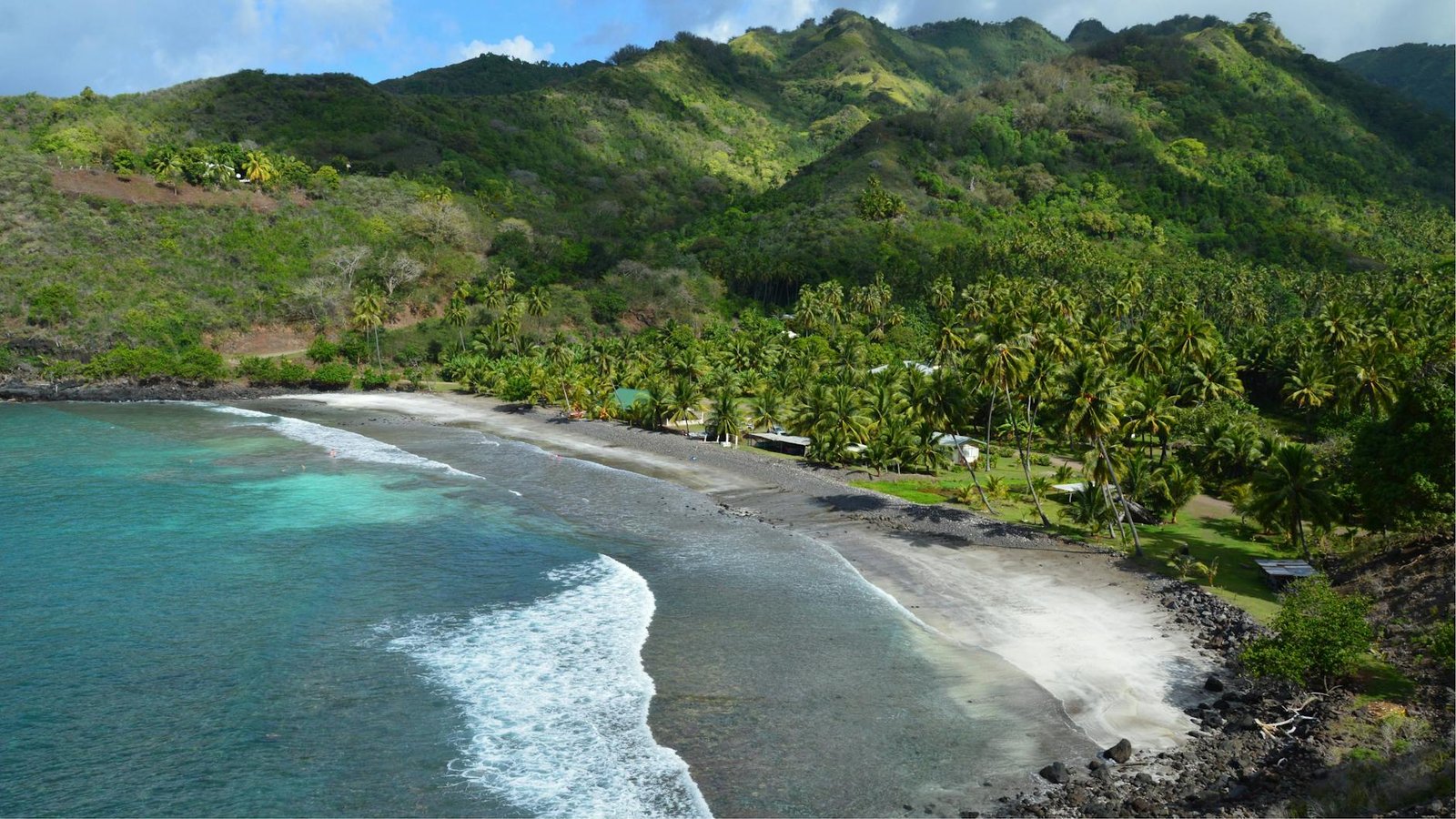
Hanavave Bay (also called Bay of Virgins) — dramatic volcanic cliffs, calm anchorage, best snorkeling spot. About 30–45 min by small boat from tender dock.
With Kids
Guided snorkel at Hanavave with a naturalist guide; calm water, colorful reef fish, no strong currents. Kids 5+ typically fine; confirm age/swim ability with excursion operator.
Only 3-4 Hours
Book a guided snorkel at Hanavave Bay (30 min boat ride from tender). Snorkel 1.5 hours, return by tender. Budget ~$80–150 USD depending on cruise line package.
Cheapest Option
Walk village streets and beach at main anchorage (free), swim in bay (free), hike a short marked trail if available (~$0–20 USD). Avoid paid excursions unless you want guided expertise.
What To Avoid
Do not hike unmarked trails alone; terrain is steep, muddy, and easy to get lost. Avoid assuming shops or restaurants are open; very limited services. Do not rely on ATMs.
Quick Take
- Port Type
- Remote scenic anchorage; small-ship expedition focus.
- Best For
- Nature lovers, snorkelers, hikers, travelers on Windstar/Ponant/Lindblad itineraries; not for convenience or infrastructure.
- Avoid If
- You have mobility issues, dislike tender transfers, or need shopping and dining infrastructure.
- Walkability
- Limited. Most activities require guide or organized excursion; some trails steep and muddy.
- Budget Fit
- Moderate. Shore excursions are standard; independent exploration is cheaper but less safe and less organized.
- Good For Short Calls?
- Yes. Beach snorkel or guided 1-2 hour hike works in 3-4 hours with tender time.
Top Things To Do
1
Snorkel Hanavave Bay
Hanavave Bay (Bay of Virgins) is the top snorkel spot: crystal-clear water, healthy coral, abundant fish (parrotfish, butterflyfish, triggerfish), and dramatic volcanic backdrop. Calm anchorage, typically good visibility, safe for intermediate swimmers.
2
Guided island hike
Local guides lead 1–3 hour hikes through lush tropical forest to viewpoints, archaeological sites, or waterfalls. Steep, muddy, and rewarding; gives a feel for the island's ecology and culture beyond the beach.
3
Village walk and swimming beach
Stroll the small village, visit the church, chat with locals, and swim in the calm main bay. Minimal infrastructure but authentic and free. Good for a relaxed 1–2 hours if you are not on an excursion.
Book with the ship, or on your own?
Booking independently
- Often noticeably cheaper than the ship’s version of the same tour.
- Smaller groups and local operators, with traveler reviews you can read before you pay.
- Free cancellation on most tours, usually up to 24 hours before.
When the ship’s excursion makes sense
- Short port calls or long transfers where the timing is tight.
- Tender-only stops where getting ashore can run late.
- The ship waits for its own delayed excursions — it won’t wait for independent ones, so leave a buffer before all-aboard.
We may earn a commission when you book through our links, at no extra cost to you — it’s how we keep these guides free.
Check The Port Traffic
Cruise Ships in Port
Once you have your shore plan, use the schedule to see how busy the harbour will be on your date, plus the ships, lines, and published call windows.
Sun
Mon
Tue
Wed
Thu
Fri
Sat
1
2
3
4
5
6
7
8
9
10
11
12
1 ship
13
14
15
16
17
18
1 ship
19
20
21
22
23
24
25
26
27
28
29
30
31
Quiet (1–2)
Busy (3–4)
Packed (5+)
0 scheduled calls
October 2, 2026
No scheduled cruise ship calls were found for this date selection. Pick a highlighted day on the calendar above, widen the range, or search for a different ship or line.
Port Overview
Fatu Hiva, the southernmost of the Marquesas Islands in French Polynesia, is an anchorage-only port with no pier infrastructure. Ships anchor in Hanavave Bay or the main settlement bay, and passengers tender ashore. This is a remote, underdeveloped island with minimal commercial services, no cruise terminal, and no road network beyond the village.
The appeal is raw: dramatic volcanic cliffs, excellent snorkeling in Hanavave Bay, authentic Polynesian culture, and lush hiking. This is expedition-cruise territory, not a resort destination. Most cruisers visit on small-ship itineraries (Windstar, Ponant, Lindblad, Oceania, Regent, Seabourn) that include organized activities; independent exploration is possible but challenging without a guide.
Expect a quiet, pristine island with fewer than 400 residents, no souvenir shops, sporadic food availability, and no ATMs. The island is beautiful and uncrowded—exactly because it lacks infrastructure.
Is It Safe?
Fatu Hiva is safe for cruise visitors, with no reported violent crime and a welcoming local community. Standard precautions apply: do not leave valuables unattended, avoid walking alone at night, and stay aware of tide and sea conditions when swimming.
Hiking off marked paths is the main risk. Trails are steep, poorly marked, muddy, and easy to get lost on; always hike with a guide or organized group. Do not attempt unmarked trails in poor visibility. Sea conditions can be strong; swim only in designated, calm areas or with a guide.
Medical facilities are extremely limited. The island has a small clinic but no pharmacy or emergency services. Serious injury or illness requires evacuation by ship or air; most cruise lines carry medical officers and can coordinate this.
Accessibility & Walkability
Fatu Hiva is not accessible for wheelchair users or those with significant mobility challenges. The tender landing is a beach with no dock; you step from boat into shallow water or sand. Village streets are unpaved, muddy, and uneven. No public toilets, ramps, or accessible infrastructure. Hikers and water activities require agility and balance. If you have any mobility, hearing, or vision limitations, inform your cruise line in advance and ask about available support or alternative activities.
Outside the Terminal
You land on a simple beach with palm trees, a few colorful boats, and a handful of small buildings (a church, a simple store, maybe a shelter). The village center is a 5–10 minute walk inland on an unpaved path. You will see a few locals, some fishing nets, and very little commercial activity. There is no visitor center, no signs, no kiosks. It feels genuinely remote—because it is. If you are not on an organized excursion, ask a local or crew member for direction to a guide or the main village path.
Beaches Near the Port
Hanavave Bay (Bay of Virgins)
Dramatic volcanic cliffs, turquoise water, sandy beach, calm anchorage. Best beach on the island and primary snorkel destination. Excellent coral, abundant fish, safe for swimmers. Usually accessed by excursion boat, not tender landing.
Main village bay beach
Small, quiet sandy beach adjacent to the main settlement. Calm water, good for swimming and wading. No facilities, minimal shade. Authentic and free but less dramatic than Hanavave.
Local Food & Drink
Fatu Hiva has almost no restaurants or cafés. The one small store in the village stocks very limited goods: occasional canned food, coconut, bananas, and copra (dried coconut). No fresh meat or consistent produce. Eating out is not an option. Your cruise ship is your meal plan.
If you want a unique experience, ask locals in advance (via your guide or crew) if anyone is selling fresh-caught fish or home-cooked meals that day; sometimes yes, usually no. Bring snacks from the ship if you plan a full day ashore. Fresh coconut water is available from locals (ask, ~$2–5 USD).
Shopping
Shopping is essentially non-existent. There is one small general store selling household basics and canned goods; it occasionally has coconut oil or copra for sale. No souvenir shops, no jewelry, no art galleries, no duty-free. If shopping is important to you, do it on the ship or in a larger port like Nadi or Papeete. Locals sometimes sell shell necklaces or small handicrafts directly; always ask permission and negotiate respectfully.
Money & Currency
- Currency
- CFP franc (XPF). 1 USD ≈ 105–115 XPF (check current rate).
- USD Accepted?
- No
- Card Payments
- Almost none. No ATMs on the island; no card readers at the small store.
- ATMs
- No ATMs on Fatu Hiva. Nearest reliable ATM is in Nadi, Fiji, or Papeete, Tahiti.
- Tipping
- Not customary. Tips are appreciated but not expected for small services or guides.
- Notes
- Bring plenty of cash (XPF or USD to exchange on the ship) if you plan to pay locals for guides, meals, or crafts. Most cruise excursions are pre-paid on the ship. Exchange money on your ship before arrival.
Weather & Best Time
- Best months
- May–October (dry, cooler, lower humidity, less rain). June–August ideal.
- Avoid
- November–April (hot, humid, rainy, cyclone season; higher sea swell).
- Temperature
- Cruise season (mainly June–August): 75–82°F (24–28°C). December–February: 80–90°F (27–32°C) and humid.
- Notes
- Fatu Hiva can see rough seas even in 'good' season. Tender operations may be limited or cancelled in rough weather. Pack sun protection, a light rain jacket, and good hiking shoes. Water temperature year-round is warm (75–82°F / 24–28°C).
Airport Information
- Airport
- Atuona Airport (Hiva Oa) — nearest airfield; no direct international service.
- Distance
- Fatu Hiva has no airport. Hiva Oa (neighboring island) has Atuona Airport, ~2 hours by boat. Larger inter-island hubs (Nadi, Fiji; Papeete, Tahiti) are the entry points for most cruisers.
- Getting there
- Cruise ships are the primary transport to Fatu Hiva. Inter-island ferries and boats exist but are infrequent and unreliable. Most cruisers arrive and depart via ship.
- Notes
- Fatu Hiva is visited only by cruise ships and rare private yachts. There is no public ferry service, no hotels, and no commercial air service. Plan your entire Polynesia visit around your cruise itinerary; independent island-hopping to Fatu Hiva is not practical.
Getting Around from the Port
Tender
Ships anchor offshore; you transfer by tender (small boat) to beach landing. Tender times vary by sea conditions; typically 10–20 min ride each way.
Organized excursion boats
Snorkel trips, boat tours, and guided hikes use small outboards or larger tender-style boats run by cruise line or local operators.
Book ferry ticketsWalking (village area only)
Small settlement is walkable; paths to beach, village center, and simple lodges are pedestrian-accessible. No car rentals; no taxis.
Details last checked April 2026
Planning a cruise here?
Silversea Cruises, Windstar sail to Fatu Hiva.
Practical Tips for Cruise Passengers
- Book snorkel and hiking excursions early (on embarkation day or via the cruise line website) because group sizes are small and slots fill fast on small-ship cruises.
- Bring reef-safe sunscreen, a rash guard or wetsuit top, and non-slip water shoes; the sun and coral are intense.
- Bring cash (XPF or USD) and exchange it on the ship; there are no ATMs or card readers on the island.
- Wear sturdy, quick-drying hiking boots or trail shoes if you plan to hike; trails are muddy and slippery, especially after rain.
Frequently Asked Questions
Book via your cruise line in advance if possible; groups are small and fill quickly. Island-based guides may be available but are not guaranteed, unreliable, and harder to coordinate. Pre-booking ensures a confirmed guide and time.
Yes, the village bay is calm and swimmable. Snorkeling is mediocre compared to Hanavave Bay, but it is free and easy. For the best snorkeling experience, take the boat excursion to Hanavave.
You remain on the ship with no shore access. Rough seas are common in the Marquesas. Cruise lines typically offer a discount or credit if a port day is lost; ask at the guest services desk.
Find cruises to Fatu Hiva, French Polynesia
Compare sailings and book with no fees — best price guaranteed.
We may earn a commission when you book through our links, at no extra cost to you — it’s how we keep these guides free.
✉ Sailing to Fatu Hiva? Get your port-day plan
Tell us your sail date and we’ll email you a short Fatu Hiva plan about 60 days out — when the good excursions start selling out — plus a final checklist 2 weeks before. Two emails, then done. We’ll send one note to confirm it’s really you — unsubscribe anytime.
Same itinerary network
View All
Ports Often Paired With Fatu Hiva
Australia & Pacific
French Polynesia
Fakarava Cruise Port Guide: Things to Do & Practical Tips
Australia & Pacific

French Polynesia
Nuku Hiva Cruise Port Guide: Things to Do & Practical Tips
Australia & Pacific
French Polynesia