


Asia
Asia
Fukuoka Cruise Port Guide: Things to Do, Getting Around & Practical Tips
Japan
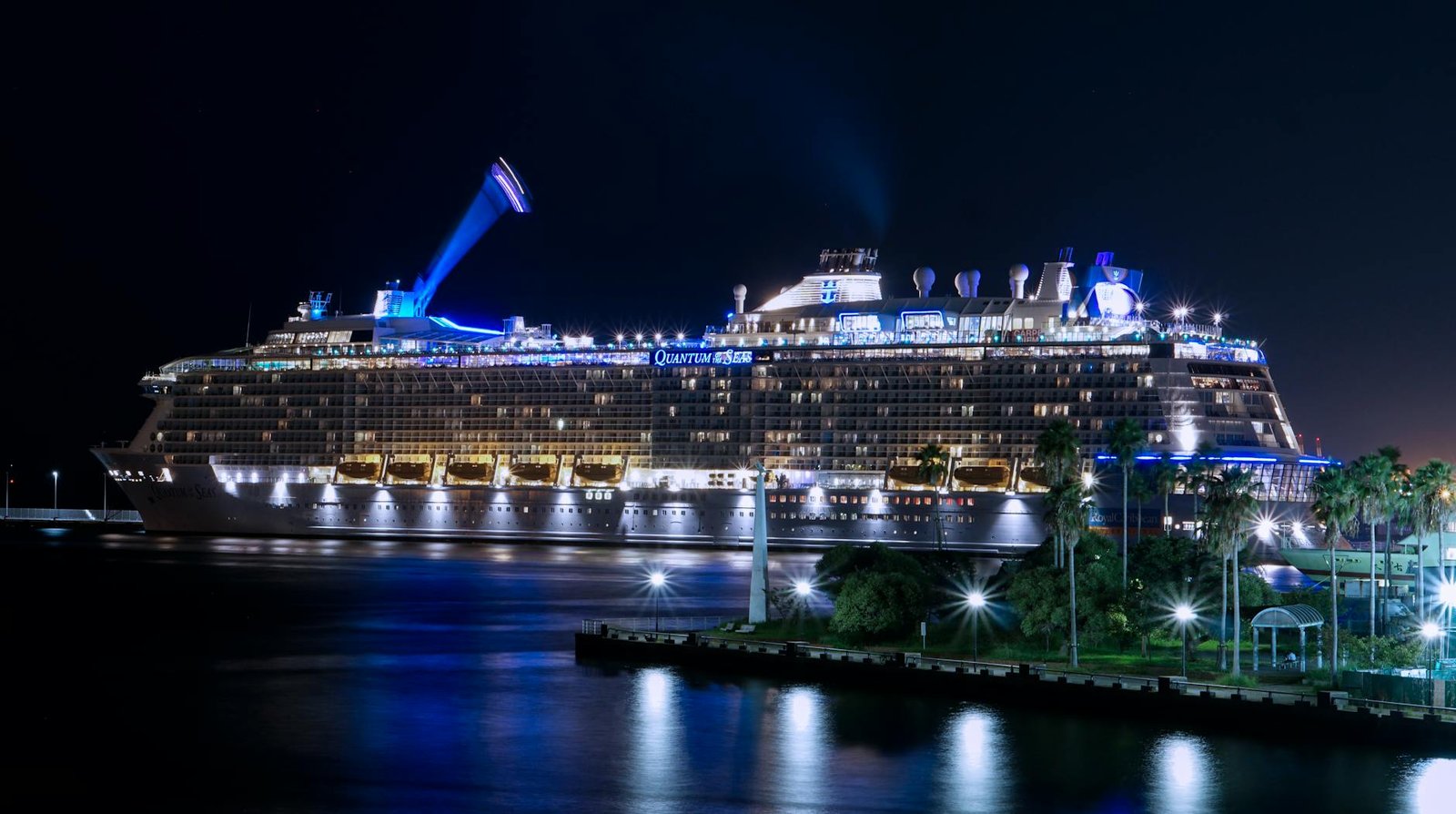
Fukuoka Cruise Terminal (Hakotozaki Terminal) is a modern dedicated cruise facility with direct pier access to the city.
Choose the Right Port Day
Best Overall
Head straight to Hakata or Tenjin — eat yatai street food, visit Tochoji Temple or Shofuku-ji, and spend an hour in the covered Tenjin shopping arcade. This covers food, culture, and local atmosphere efficiently.
Best Beach
Not relevant. Fukuoka is a city port — skip beach expectations entirely.
With Kids
Ohori Park is a large, open green space with a lake and walking paths about 20 minutes from port by taxi. Easy, low-stress, and free entry.
Only 3-4 Hours
Taxi from port to Hakata Station area (15-20 min), walk to Tochoji Temple and Kushida Shrine (both free, close together), then eat at Hakata's ramen alley or a nearby yatai food stall before heading back.
Cheapest Option
Take a city bus to Tenjin ($2-4 USD), walk the covered shopping arcades, eat tonkotsu ramen at a local shop ($8-12 USD), and visit Kushida Shrine for free. Full morning under $20.
What To Avoid
Fukuoka Tower is fine but peripheral and not worth the taxi ride unless you have a long port day. Skip any shore excursion that spends significant time in the port gift shop area — the real city is 15-20 minutes away and worth the effort.
Quick Take
- Port Type
- Modern City Port
- Best For
- Food lovers, city walkers, history seekers, and anyone wanting an authentic Japanese city experience without Tokyo crowds
- Avoid If
- You want beaches or resort-style relaxation — this is a city day, not a beach day
- Walkability
- High within Tenjin and Hakata districts; the pier requires a taxi or bus to reach those areas
- Budget Fit
- Excellent — street food, public transit, and free temples keep costs low
- Good For Short Calls?
- Yes, comfortably. Hakata and Tenjin are compact and efficient to explore
Top Things To Do
1
Fukuoka Your Way: 100% Customisable Private Tour with Local Guide
Uncover the fascinating blend of ancient traditions and modern energy on this customisable half-day Fukuoka adventure! Visit sacred shrines, marvel at the iconic Reclining Buddha at…
2h
2
Day Tour to Miyazaki Takachiho Gorge & Shrine depart from Fukuoka
This tour offers an intimate exploration of Japan's spiritual and mythological sites, including Kamishikimi Kumanoza Shrine, Amanoiwato Shrine, Amanoyasukawara, and Takachiho Gorge. You'll experience the serene…
9h
Our picks in Fukuoka
3
Yatai Street Food Stalls
Fukuoka's yatai — small open-air food stalls that set up along the Naka River in Nakasu and in Tenjin — are genuinely unique in Japan. Most large Japanese cities phased them out; Fukuoka kept them. Sit at a stall, eat tonkotsu ramen or yakitori, and drink a beer beside a river. It's exactly what a port day should feel like.
4
Kushida Shrine
Hakata's main Shinto shrine, active and well-kept, with a famous giant festival float (Yamakasa) on permanent display inside the grounds. Free to enter, easy to reach on foot from Hakata Station, and genuinely used by locals rather than purely tourist-facing.
5
Tochoji Temple
Home to Japan's largest wooden seated Buddha — a 10-meter statue that most visitors walk past on the way to trendier spots. The temple complex also has a small pagoda and a notable 'hell and paradise' passage underneath. It's free, five minutes from Kushida Shrine, and rarely crowded.
Show 3 more things to do in Fukuoka
6
Tenjin Underground Shopping City & Covered Arcades
Tenjin's underground shopping mall connects seamlessly with above-ground covered arcades and is one of the best urban walking experiences in western Japan. Good for shopping, people-watching, and escaping rain. Not about buying things — it's about seeing how the city actually functions.
7
Dazaifu Tenmangu Shrine (Day Trip)
A significant Shinto shrine dedicated to the god of learning, surrounded by plum trees and a forested hillside 30 minutes from Fukuoka by train. The journey via Nishitetsu Railway is scenic and straightforward. Worth it if you have a long port day (6+ hours). The covered stall street leading to the shrine sells umegae mochi (grilled rice cakes) that are worth trying.
8
Ohori Park
A well-maintained city park built around a large central lake, with walking and cycling paths, a Japanese garden, and an art museum on the grounds. Good for families, low-energy mornings, or a relaxed alternative to temple-hopping. The Japanese garden inside has a small entry fee but is beautifully kept.
Book with the ship, or on your own?
Booking independently
- Often noticeably cheaper than the ship’s version of the same tour.
- Smaller groups and local operators, with traveler reviews you can read before you pay.
- Free cancellation on most tours, usually up to 24 hours before.
When the ship’s excursion makes sense
- Short port calls or long transfers where the timing is tight.
- Tender-only stops where getting ashore can run late.
- The ship waits for its own delayed excursions — it won’t wait for independent ones, so leave a buffer before all-aboard.
Going independent? Compare tours in Fukuoka → — the best-reviewed ones sell out first.
We may earn a commission when you book through our links, at no extra cost to you — it’s how we keep these guides free.
Check The Port Traffic
Cruise Ships in Port
Once you have your shore plan, use the schedule to see how busy the harbour will be on your date, plus the ships, lines, and published call windows.
Sun
Mon
Tue
Wed
Thu
Fri
Sat
1
2
1 ship
3
4
1 ship
5
6
7
8
1 ship
9
10
11
12
13
1 ship
14
15
16
1 ship
17
18
19
20
21
1 ship
22
23
24
25
26
27
28
29
30
31
Quiet (1–2)
Busy (3–4)
Packed (5+)
0 scheduled calls
October 9, 2026
No scheduled cruise ship calls were found for this date selection. Pick a highlighted day on the calendar above, widen the range, or search for a different ship or line.
Port Overview
Fukuoka docks at Hakata Port, which sits on the northern edge of the city. Ships berth at the cruise terminal pier — it's a functional, modern facility but not walking distance to the city's main attractions. You'll need a taxi, bus, or pre-arranged transport to get into Hakata or Tenjin, both about 15-20 minutes away. That's a minor inconvenience, not a dealbreaker.
Once downtown, Fukuoka punches well above its weight for a port day. It's Japan's sixth-largest city, widely considered one of the country's most livable, and it has a food culture serious enough to attract visitors from Tokyo. Tonkotsu ramen originated here, the yatai open-air stall scene is unique in Japan, and the temple and shrine network is genuine and not overrun with tourists.
This is not a port where you'll feel like you've seen a theme-park version of Japan. The city is real, locals actually use the areas you'll visit, and the pace is relaxed compared to Osaka or Tokyo. A half day is enough to feel satisfied; a full day lets you breathe and eat well. Either works.
Is It Safe?
Fukuoka is one of the safest cities in Japan, which already sets a very high bar. Petty crime is rare, scams targeting tourists are essentially nonexistent, and getting lost is more of an inconvenience than a risk. Locals are helpful even with a language barrier — show someone your phone with a map and they will generally point you in the right direction.
Standard urban common sense applies: keep your bag close in crowded covered arcades, watch your step on narrow streets around the yatai stalls at night, and stay aware of traffic when crossing — Japan drives on the left. There are no neighborhoods in Fukuoka that cruisers need to avoid.
Accessibility & Walkability
The cruise terminal itself is flat and manageable. The challenge is transport to the city — taxis are accessible for most mobility levels, but confirm wheelchair-accessible vehicles in advance if needed, as standard cabs are small. Once in Tenjin or Hakata, the main streets are paved and mostly flat. The covered shopping arcades are excellent for wheelchair users and those with mobility limitations.
Temples and shrines often have gravel paths, steps, and uneven stone surfaces — Tochoji and Kushida Shrine have some step access. Ohori Park is the best choice for visitors who need flat, open terrain. Subway stations in the city center generally have elevators, though older exits may not.
Outside the Terminal
The terminal building is modern and clean, with basic facilities, a small gift shop, and tourist information. Outside, it feels like a working port — container areas nearby, not particularly scenic. There's usually a taxi queue immediately outside and some bus stop signage. Don't expect a charming waterfront plaza here; the appeal starts once you're in the city. If the weather is decent, a short walk along the port waterfront can be pleasant, but there's no reason to linger — head for Hakata.
Local Food & Drink
Fukuoka has one of the strongest regional food identities in Japan and you should eat as much as possible during your port day. Tonkotsu ramen — rich pork-bone broth, thin noodles — was invented here and is eaten everywhere. A decent bowl at a local shop costs $8-12 USD and the difference between Fukuoka ramen and what you get elsewhere is significant. Ippudo and Ichiran both originated here if you want a known name, but any local shop near Hakata Station will do the job.
The yatai stall scene is the other essential experience. About 10-20 stalls operate along the Naka River in Nakasu and around Tenjin most evenings, and some operate at lunch. Expect to sit elbow-to-elbow with locals at a narrow counter eating yakitori, oden, or ramen. It's casual, cheap, and memorable. Hakata-style gyoza (thinner, crispier than Osaka-style) and mentaiko (spicy cod roe, a Fukuoka specialty used in everything from pasta to rice balls) are also worth seeking out.
Shopping
Tenjin is the main shopping district, split between the underground mall and several levels of covered arcades above ground. You'll find everything from high-end Japanese fashion to 100-yen shops and food souvenirs. Hakata's Deitos and AMU Plaza (both attached to Hakata Station) are good for last-minute Japanese snacks, ceramics, and practical gifts. Hakata-ori fabric and Hakata doll ceramics are the traditional local crafts — look for them in department store basement gift floors. Avoid buying ramen souvenirs at the port terminal; the selection and prices are better in the city.
Money & Currency
- Currency
- Japanese Yen (JPY)
- USD Accepted?
- No
- Card Payments
- Improving but still inconsistent — smaller restaurants and yatai stalls are often cash only. Major department stores and chain restaurants take cards.
- ATMs
- 7-Eleven and Japan Post ATMs reliably accept international cards. Found throughout Hakata and Tenjin.
- Tipping
- Do not tip. It is considered rude in Japan.
- Notes
- Withdraw yen before leaving the port or at a 7-Eleven ATM near Hakata Station. Having $50-100 USD equivalent in yen covers a comfortable day including meals and transport.
Weather & Best Time
- Best months
- April-May (cherry blossom, mild temps) and October-November (comfortable, clear)
- Avoid
- July-September — hot, humid, and typhoon season is active
- Temperature
- Spring: 15-22°C (59-72°F); Autumn: 15-25°C (59-77°F); Summer calls: 28-35°C (82-95°F) with high humidity
- Notes
- Summer port calls are the most common but also the most uncomfortable. Hydrate, dress light, and take shelter in the air-conditioned underground arcades during peak afternoon heat.
Airport Information
- Airport
- Fukuoka Airport (FUK)
- Distance
- Approximately 8 km from Hakata Port
- Getting there
- Subway from Hakata Station to airport (2 stops, under 10 minutes, $1.50-2 USD). Taxi from port direct to airport $15-25 USD.
- Notes
- Fukuoka Airport is unusually close and well-connected for a major city — one of the most convenient airports in Japan. Pre- or post-cruise stays here are logistically easy.
Getting Around from the Port
Taxi
Most straightforward option from the pier. Reliable, metered, and drivers are generally honest. Most cabs have a tablet with basic translation tools.
Book a transfer 5% off with code TPO5 at checkoutCity Bus
Buses run regularly from Hakata Port to the city center. Cheapest way in and a good way to see local street life.
Book bus ticketsFukuoka City Subway
Once you're in Hakata or Tenjin, the subway is the fastest way to move between neighborhoods. Hakata Station is the main hub.
Routes & timesShore Excursion Transfers
Cruise lines offer organized excursions with guaranteed return times. Worth considering if you're nervous about navigation or have a tight turnaround.
Book a transfer 5% off with code TPO5 at checkoutDetails last checked April 2026
Planning a cruise here?
Holland America Line, MSC Cruises, Seabourn & more sail to Fukuoka.
Practical Tips for Cruise Passengers
- Download Google Maps offline for Fukuoka before sailing — Wi-Fi on the pier can be unreliable and you'll need navigation from the moment you leave the terminal.
- Carry yen in cash from day one. Yatai stalls and many ramen shops do not take cards, and the best food experiences here are cash-only.
- Have your destination written in Japanese on your phone before getting in a taxi — even 'Hakata Station' in kanji (博多駅) helps drivers confirm immediately.
- If your port day ends in the evening, eat at a yatai stall for your last meal — they're most atmospheric after dark and within easy taxi distance of the port.
- The Nishitetsu train to Dazaifu is simple and English-signposted — if you have six or more hours ashore, this side trip is worth it and requires no tour group.
- Fukuoka's covered arcades are genuinely useful in rain — the city has one of Japan's wetter climates and a rainy port day here is still very manageable.
Frequently Asked Questions
Hakata Port cruise terminal is about 4-5 km from Hakata Station and the Tenjin district — roughly 15-20 minutes by taxi. There's no direct metro connection from the pier, so budget for a taxi or bus at both ends of your day.
Yes, it's one of the more independent-friendly Japanese ports. English signage is decent in the main areas, the subway is straightforward, and Google Maps works reliably. Shore excursions are convenient but not necessary.
Sitting at a yatai stall along the Naka River in Nakasu for tonkotsu ramen or yakitori is the most distinctly Fukuoka thing you can do. If stalls aren't running at your arrival time, any local ramen shop near Hakata Station is a strong alternative.
Only if you have at least five to six hours ashore and move efficiently. The round trip by train from Hakata Station takes about an hour, plus shrine time — it works for longer calls but will feel rushed on a short stop.
Generally no. Temples and parks are walk-in, ramen shops don't require reservations for lunch, and public transport is pay-as-you-go. Organized food tours can be booked in advance through Viator if you want a guided introduction, but it's not required.
Find cruises to Fukuoka, Japan
Compare sailings and book with no fees — best price guaranteed.
We may earn a commission when you book through our links, at no extra cost to you — it’s how we keep these guides free.
✉ Sailing to Fukuoka? Get your port-day plan
Tell us your sail date and we’ll email you a short Fukuoka plan about 60 days out — when the good excursions start selling out — plus a final checklist 2 weeks before. Two emails, then done. We’ll send one note to confirm it’s really you — unsubscribe anytime.
Same itinerary network
View All


