

Australia & Pacific
Australia & Pacific
Great Barrier Reef Cruise Port Guide: Tender Tips, Things to Do & What to Expect
Australia
Most ships anchor offshore and tender passengers to reef pontoons or mainland ports like Cairns.
Choose the Right Port Day
Best Overall
Half-day guided snorkel or diving tour on the reef itself; this is why cruisers come ashore here.
Book Snorkel or dive the Great Barrier Reef from $158Best Beach
Palm Beach or nearby island beaches accessible by tender operator tours, but beaches are secondary here—the reef is the draw.
With Kids
Kid-friendly reef tour with glass-bottom boat or shallow snorkel; confirm age and swim requirements when booking.
Only 3-4 Hours
Skip independent exploration. Book the ship's reef snorkel or scenic boat tour before disembarking; tender time alone will consume 45–60 minutes.
Cheapest Option
Join a shared reef tour ($60–120 USD) rather than private charters; some operators offer group discounts if booked at the terminal.
What To Avoid
Don't assume you can walk to a beach or town—there isn't one adjacent to the tender dock. Don't skip booking tours in advance; on-site availability is unreliable during peak season.
Quick Take
- Port Type
- Scenic Tender Port
- Best For
- Reef snorkeling, diving, scenic boat tours; short, activity-focused port days.
- Avoid If
- You dislike water-based activities, tender boarding, or want urban exploration.
- Walkability
- Minimal. Port area is small; most activity requires boat access.
- Budget Fit
- Medium to high. Reef tours and water excursions are the main cost driver.
- Good For Short Calls?
- Yes, if you book reef tours through ship or pre-arrange operators.
Top Things To Do
1
Great Barrier Reef Snorkeling and Diving Cruise from Cairns
Experience one of the wonders of the natural world up close and personal on this snorkeling and diving cruise on the Great Barrier Reef. This 35-metre…
8h 30mFree cancellation
2
Passions of Paradise Great Barrier Reef Cruise by Catamaran
Dive, snorkel and sail the Great Barrier Reef with an award-winning company with 30 years’ experience operating personalized day tours to the Great Barrier Reef. The…
9hFree cancellation
Our picks in Great Barrier Reef
3
Snorkel or dive the Great Barrier Reef
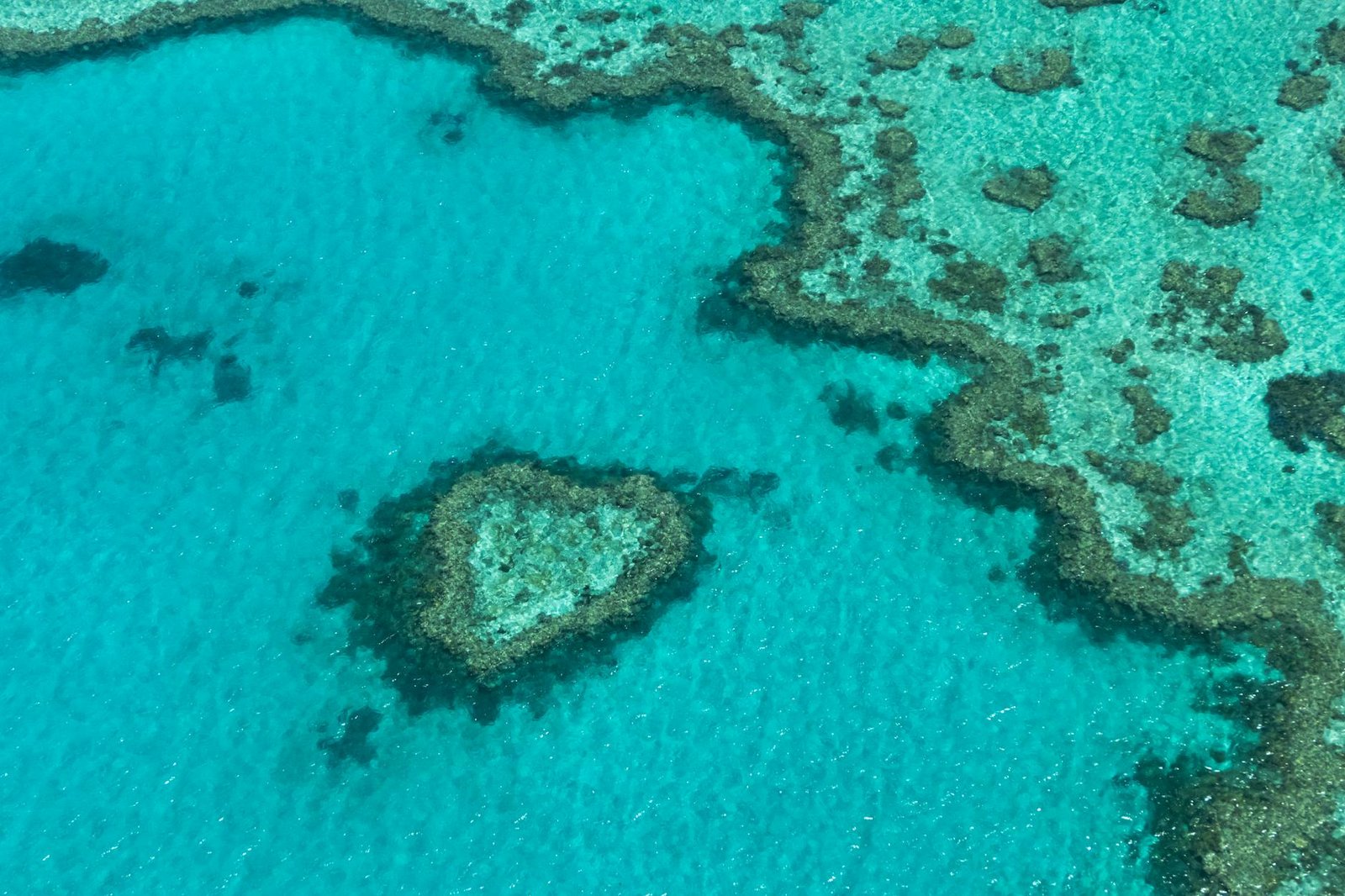
Guided snorkel or certified dive tour at coral gardens, with fish, rays, and reef ecosystem. Most memorable port activity. Catamarans carry 100–400 people; smaller dive boats are more intimate.
4
Island walk and beach time
Tender to a nearby island (e.g., Fitzroy Island, Magnetic Island, Daydream Island) for walking trails, viewpoints, or beach lounging. Less intense than reef diving but still scenic.
5
Glass-bottom or semi-submersible reef tour
View reef and fish without getting wet, from a boat with underwater windows. No swimming required; good for non-swimmers or those in formal clothes.
Book with the ship, or on your own?
Booking independently
- Often noticeably cheaper than the ship’s version of the same tour.
- Smaller groups and local operators, with traveler reviews you can read before you pay.
- Free cancellation on most tours, usually up to 24 hours before.
When the ship’s excursion makes sense
- Short port calls or long transfers where the timing is tight.
- Tender-only stops where getting ashore can run late.
- The ship waits for its own delayed excursions — it won’t wait for independent ones, so leave a buffer before all-aboard.
Going independent? Compare tours in Great Barrier Reef → — the best-reviewed ones sell out first.
We may earn a commission when you book through our links, at no extra cost to you — it’s how we keep these guides free.
Check The Port Traffic
Cruise Ships in Port
Once you have your shore plan, use the schedule to see how busy the harbour will be on your date, plus the ships, lines, and published call windows.
Sun
Mon
Tue
Wed
Thu
Fri
Sat
1
2
3
4
5
6
7
8
9
10
11
12
13
14
15
16
17
18
19
20
21
22
23
24
25
26
27
28
29
30
31
Quiet (1–2)
Busy (3–4)
Packed (5+)
0 scheduled calls
October 22, 2026
No scheduled cruise ship calls were found for this date selection. Pick a highlighted day on the calendar above, widen the range, or search for a different ship or line.
Port Overview
The Great Barrier Reef cruise port does not have a traditional town or terminal. Ships anchor in open water off the Queensland coast, typically near islands like Cairns, the Whitsunday Islands, or dedicated reef mooring areas. Tenders ferry passengers to small island facilities or directly to reef tour boats. The port's sole purpose is water-based: snorkeling, diving, scenic cruises, and island walks. There is no shopping district, city center, or significant walkable infrastructure—plan accordingly. Most cruisers spend their entire port day on water, either on a reef tour or island exploration tour booked through the ship.
Is It Safe?
The reef and island areas are generally safe for tourism. Sun and dehydration are the primary hazards—bring high-SPF sunscreen and at least 2L water. Reef navigation is managed by licensed operators; follow all safety briefings for snorkeling and diving. Rip currents and stonefish can occur—wear reef shoes and ask guides about water conditions before entering. Cyclone season (November–April) can cause port closures or rough seas; brief your excursion operator on any concerns. No crime issues affecting tourists in the reef or island zones.
Accessibility & Walkability
Poor. Most activities require full water immersion or boat boarding with high steps. Wheelchair access at island facilities is minimal. Tender boarding may be difficult for those with limited mobility. If you have mobility restrictions, inform the ship in advance; some operators offer modified snorkel platforms or glass-bottom boat tours that require less swimming. Coral reef and seabed navigation is uneven; proper footwear and fitness are assumed.
Outside the Terminal
You will disembark onto a small island dock or floating platform, surrounded by blue water. The area immediately around the tender station is minimal—perhaps a small shelter, boat queue, and a few tour operator booths. No shops, restaurants, or town in sight. The atmosphere is entirely transactional: either you board a reef tour boat within minutes, or you wait in a shaded area and chat with other cruisers. Humidity is high; the marine smell is strong. Expect noise from engines and boat announcements.
Beaches Near the Port
Palm Beach (Magnetic Island or accessible islands)
Sandy, shallow beach on island reef-tour routes. Safe swimming, calm water, good for families. Part of most island tour itineraries.
Island lagoons (Daydream Island, Fitzroy Island)
Man-made or natural lagoons on resort islands with calm, protected water. Very safe; good for young children and weak swimmers.
Local Food & Drink
Food options are limited at the reef port itself. Small kiosks or cafés at island facilities offer snacks, drinks, and light meals ($10–18 USD); expect sandwiches, salads, or pasta. Most reef tour boats include a basic lunch and snacks. If staying on an island longer, resorts have cafeterias; book packages that include meals if budget is a concern. Bring extra water and snacks from the ship if you're doing a full-day reef tour.
Shopping
Shopping is negligible. Small gift shops on islands sell reef-themed souvenirs, sunscreen, reef-safe products, and basic supplies at inflated prices. No clothing, electronics, or mainstream retail. If you need anything beyond sunscreen or a t-shirt, buy it onboard before tendering ashore.
Money & Currency
- Currency
- AUD (Australian Dollar)
- USD Accepted?
- Yes
- Card Payments
- Credit cards accepted at tour operator booths and resorts; some smaller kiosks cash-only.
- ATMs
- Limited to none at the reef; no ATMs at tender docks. Withdraw AUD onboard or at your last city port.
- Tipping
- Reef guides and boat crew: optional but appreciated (AU$5–10 per person or 10% of tour cost if group tour).
- Notes
- USD is accepted but exchange rates are poor. Use AUD for better value. Reef tour operators often quote in USD; confirm final currency before booking.
Weather & Best Time
- Best months
- May–October (dry season, calm seas, ideal snorkeling).
- Avoid
- December–March (cyclone season, rough seas, high humidity).
- Temperature
- 20–28°C (68–82°F) May–October; 25–31°C (77–88°F) November–April.
- Notes
- Winter (May–Sept) is the primary cruise season for reef ports; seas are calmest, visibility best. Summer (Dec–Feb) is hot and humid; cyclones can close ports. April–May and Sept–Oct are shoulder seasons with good conditions.
Airport Information
- Airport
- Cairns Airport (CNS) for Cairns-area reef ports; Hamilton Island Airport (HTI) for Whitsundays.
- Distance
- Cairns port: ~45 km; Whitsundays island ports: variable (5–30 km).
- Getting there
- Shuttle buses, taxis, or ride-share from airport to port/cruise terminal. Pre-arrange through cruise line or hotel.
- Notes
- Most reef cruises depart from Cairns or Hamilton Island as turn-around ports. Arrive 1–2 days early for pre-cruise exploration if desired.
Getting Around from the Port
Tender (ship-operated)
Required to reach the reef, tour boats, or island facilities. Tenders depart regularly but can experience delays in rough seas or high passenger volume.
Reef tour operator boats
Fast catamarans or dive vessels that depart from island or terminal docks and take passengers to snorkel/dive sites on the reef.
Book ferry ticketsIsland tour boats
Smaller vessels for island island hopping, scenic cruises, or visits to beach facilities.
Book ferry ticketsDetails last checked April 2026
Planning a cruise here?
Royal Caribbean, Princess Cruises, Silversea Cruises & more sail to Great Barrier Reef.
Practical Tips for Cruise Passengers
- Book reef tours through the ship's excursion desk before disembarking. Independent booking at the dock is possible but slower and riskier during peak season.
- Bring sunscreen (reef-safe, SPF 50+), reef shoes, towel, and a dry bag. The sun reflects intensely off water; reapply sunscreen hourly.
- Confirm tender schedules with guest services the night before; rough seas or overcrowding can cause delays or cancellations.
- If you're not a strong swimmer or uncomfortable with water immersion, book a glass-bottom or island tour instead of a snorkel tour; no shame, and the reef is still spectacular from above water.
Frequently Asked Questions
Expect 45–90 minutes total: 15–30 min wait to board, 10–30 min tender ride, and reverse on return. Plan any activity for at least 3.5–4 hours on shore.
Yes. Most reef tours include instruction and buddy systems. Snorkel tours are beginner-friendly; dive tours require certification. Tell the operator your experience level when booking.
Take motion sickness medication 30 minutes before tendering. Book glass-bottom boat or island tour instead of a reef catamaran if you're very sensitive; ask guest services for calmer options.
Find cruises to Great Barrier Reef, Australia
Compare sailings and book with no fees — best price guaranteed.
We may earn a commission when you book through our links, at no extra cost to you — it’s how we keep these guides free.
✉ Sailing to Great Barrier Reef? Get your port-day plan
Tell us your sail date and we’ll email you a short Great Barrier Reef plan about 60 days out — when the good excursions start selling out — plus a final checklist 2 weeks before. Two emails, then done. We’ll send one note to confirm it’s really you — unsubscribe anytime.
Australia & Pacific
View All
More Australia & Pacific Ports
Australia & Pacific

Australia & Pacific

Australia & Pacific