Asia
Choose the Right Port Day
Best Overall
Book a half-day private or small-group walking tour with a local guide via your cruise line or a service like Viator; cover a shrine, village streets, and a meal. Justifies the cost and removes language friction.
Best Beach
Not relevant; Hososhima is a rural inland-adjacent port with no beaches. Skip beach plans entirely.
With Kids
Short taxi tour to a nearby shrine or park with a guide or driver who can point out local history; very low-key and less taxing than a full excursion. Kids enjoy novelty more than spectacle here.
Only 3-4 Hours
Hire a taxi for a 2-hour loop (temple or shrine visit + local village walk + return to pier). Cost roughly $30–50 USD split. Grab convenience-store lunch or ask taxi driver to stop at a local restaurant.
Cheapest Option
Walk to town center (20–30 min), grab convenience-store or ramen lunch (~$5–8), sit by water or in a park. Total spend under $15 USD if you skip taxis.
What To Avoid
Expecting major attractions or English signage; assuming walkability from the pier to interesting spots (it's dull and takes 25+ min). Do not rely on spontaneous navigation; have a plan or tour booked before disembarkation.
Quick Take
- Port Type
- Small regional port
- Best For
- Cruisers seeking authentic rural Japan, local food, temple visits, scenic walks; luxury-line travelers with time and curiosity
- Avoid If
- You want beaches, nightlife, shopping, or major attractions; prefer self-guided exploration without language skills
- Walkability
- Very limited; town center is ~1.5 km from pier and feels small; taxi or organized tour essential
- Budget Fit
- Low-cost; local meals cheap, transport affordable; no resort day passes or expensive attractions
- Good For Short Calls?
- Tight; 4 hours works only with a taxi tour or single focused stop; plan to return by hour 5
Top Things To Do
1
Local temple or shrine visit
Small, authentic Shinto or Buddhist temples dot the rural area. Many are accessible by short taxi rides and offer peaceful grounds, often with few other tourists. A guide or audio app adds context to architecture and ritual significance.
2
Village walk and local meal
Take a taxi to a nearby village, walk quiet residential streets, observe local life, and eat at a family-run ramen shop or local izakaya. No English menus; point and smile, or ask your taxi driver to help order.
3
Local museum or cultural center
Small regional museums (if open and accessible) display local history, textiles, or crafts. Often staffed and welcoming but small in scale; check ahead via cruise-line concierge.
Show 1 more thing to do in Hososhima
4
Scenic countryside cycling or walking route
Some tour operators offer gentle bike rides or guided walks through rice paddies and rural lanes. Physical demand is low; focus is on scenery and local commentary.
Book with the ship, or on your own?
Booking independently
- Often noticeably cheaper than the ship’s version of the same tour.
- Smaller groups and local operators, with traveler reviews you can read before you pay.
- Free cancellation on most tours, usually up to 24 hours before.
When the ship’s excursion makes sense
- Short port calls or long transfers where the timing is tight.
- Tender-only stops where getting ashore can run late.
- The ship waits for its own delayed excursions — it won’t wait for independent ones, so leave a buffer before all-aboard.
We may earn a commission when you book through our links, at no extra cost to you — it’s how we keep these guides free.
Check The Port Traffic
Cruise Ships in Port
Once you have your shore plan, use the schedule to see how busy the harbour will be on your date, plus the ships, lines, and published call windows.
Sun
Mon
Tue
Wed
Thu
Fri
Sat
1
2
3
4
5
6
7
8
9
10
11
12
13
14
15
16
17
18
19
20
21
22
23
24
25
26
27
28
29
30
31
Quiet (1–2)
Busy (3–4)
Packed (5+)
0 scheduled calls
October 18, 2026
No scheduled cruise ship calls were found for this date selection. Pick a highlighted day on the calendar above, widen the range, or search for a different ship or line.
Port Overview
Hososhima is a small, quiet cruise port in rural Japan serving as a call for luxury cruise lines exploring less-trafficked regions. Ships dock at a modest pier with minimal terminal infrastructure; the town itself is spread out and low-key, with no major shopping, beach, or theme-park draws. The port's appeal lies entirely in access to authentic rural Japanese life: local temples, shrines, countryside walks, and regional cuisine. This is a place for curious travelers willing to embrace silence, small-town pace, and the need for organized transport or a willingness to walk. Not suitable for high-energy shopping or beach days.
Is It Safe?
Hososhima is a safe, low-crime rural area with no meaningful safety risks for cruisers. Petty theft is virtually nonexistent. The main caution is logistical: poor English signage and limited public transportation mean independent exploration can feel isolating or time-consuming. Stay alert to crossing streets (drivers expect pedestrians to yield) and carry a charged phone and offline map. Always inform your cruise line or a crew member where you are going and have a return-to-ship time set.
Accessibility & Walkability
Terrain is mostly flat near the town center and pier, but sidewalk quality is uneven and many streets lack wide pedestrian paths. Wheelchair users will find significant challenges: narrow lanes, few curb cuts, steps at shrine entrances, and limited accessible facilities. The town is not designed for mobility aids. Accessible taxis exist but are not guaranteed; arrange in advance through the cruise line.
Outside the Terminal
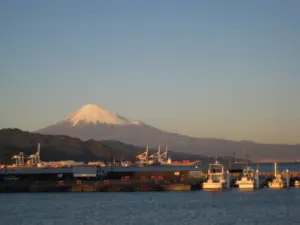
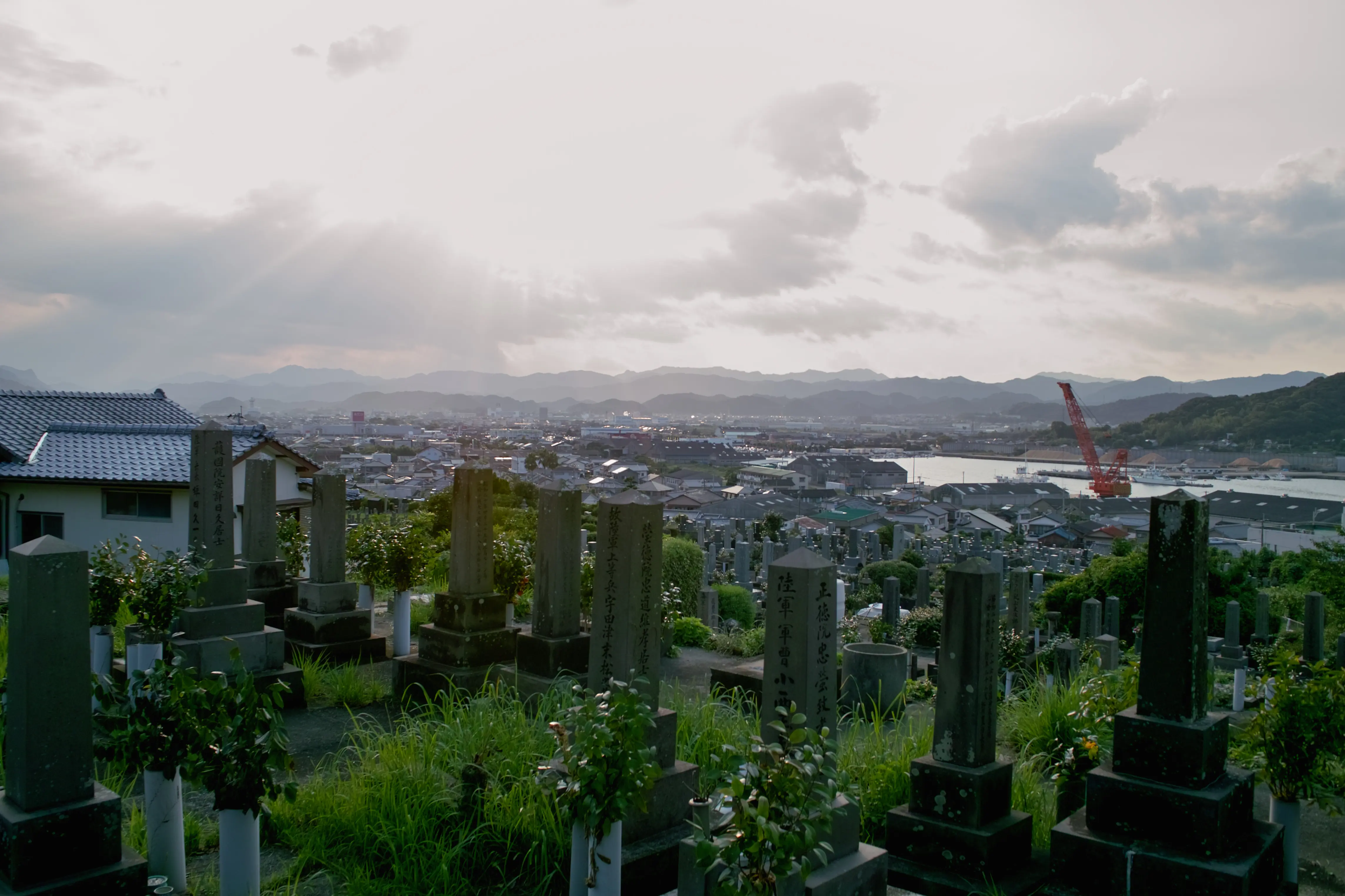
Exiting the terminal, you'll find a modest quay with a small waiting area and a handful of parked taxis. There are no immediate shops, crowds, or tourism infrastructure. The landscape is quiet, rural, and typically calm. It may feel underwhelming or even dull compared to busier ports—this is intentional and part of the experience. The town lies inland; the waterfront itself is industrial and not scenic.
Beaches Near the Port
Not applicable
Hososhima is not a beach port. The waterfront is industrial and unsuitable for swimming. No sandy beaches are within a practical day-trip distance.
Local Food & Drink
Food in Hososhima is authentic, affordable, and regional. Ramen, udon, and local seafood dishes dominate menus at modest family restaurants and casual izakayas. Convenience stores (7-Eleven, Lawson) offer onigiri (rice balls), bentos, and instant noodles for quick, cheap meals. Don't expect English menus; use photo-based apps or ask your taxi driver to recommend a restaurant and help you order. Tipping is not practiced; prices quoted are final. For the best experience, embrace the language barrier and try whatever looks good.
Shopping
Hososhima has minimal shopping infrastructure. A small local shopping street or mall may exist, but it caters to residents, not tourists, and will have limited English signage or English-speaking staff. Gift shops at shrines or small markets sell local crafts, textiles, or snacks—these are worthwhile for genuine souvenirs. Do not expect souvenir megastores or international brands. Most practical: buy gifts at convenience stores or ask your taxi driver or tour guide to recommend a local artisan or market.
Money & Currency
- Currency
- Japanese Yen (JPY)
- USD Accepted?
- No
- Card Payments
- Credit cards accepted at larger restaurants and some shops, but cash is heavily preferred; many small establishments, ramen shops, and shrines accept cash only
- ATMs
- ATMs are available at convenience stores (7-Eleven, Lawson) and banks in town; withdraw cash before disembarking or ask your cruise-line concierge where to find one
- Tipping
- Not practiced; do not tip
- Notes
- Bring yen or rely on ATM access. Exchange rates at the port are typically poor; exchange USD before arriving or at your home port.
Weather & Best Time
- Best months
- April–May, September–October
- Avoid
- July–August (hot and humid), December–February (cold, occasional snow inland)
- Temperature
- Spring 50–70°F (10–21°C), Fall 55–75°F (13–24°C)
- Notes
- Japan's cruise season peaks in spring and fall. Summer is hot and rainy; winter is quiet but chilly. Bring layers and check forecasts; small ports have minimal shelter.
Airport Information
- Airport
- Nearest major airport: Kobe Airport (UKB) or Osaka International Airport (ITM)
- Distance
- Kobe ~60–80 km; Osaka ~80–100 km
- Getting there
- Taxi (~$120–180 USD), rental car (not recommended without Japanese license), or bus (check current routes and schedules)
- Notes
- Hososhima is a call port; embarkation and disembarkation are not typical. If arriving by air, plan a pre-cruise night or arrange transport through your cruise line.
Getting Around from the Port
Taxi
Taxis queue at or near the terminal. Drivers rarely speak English; ask your cruise line concierge to write your destination in Japanese or use a pre-arranged tour.
Book a transfer 5% off with code TPO5 at checkoutShore excursion (ship-organized)
Cruise line offers guided tours, typically small groups or private guides exploring local temples, shrines, and villages.
Walking
Town center is reachable on foot but takes 20–30 min and crosses unremarkable roads; not recommended unless you have time and enjoy aimless wandering.
Rental car
Not practical; international driving permits, rental offices not typically near terminal, language barriers.
Details last checked September 2026
Planning a cruise here?
Seabourn, Hapag-Lloyd Cruises, Atlas Ocean Voyages & more sail to Hososhima.
Practical Tips for Cruise Passengers
- Book a shore excursion or hire a private guide through Viator before arriving; the port is too small and English is too limited to wing exploration safely or efficiently.
- Carry yen and a charged phone with offline maps; the town has minimal English signage and poor cellular coverage in rural areas.
- Set a firm return-to-ship time with your crew before disembarking; there is no margin for error if you are late.
- Ask the ship's concierge to write your destination or taxi request in Japanese; this eliminates negotiation and confusion.
Frequently Asked Questions
Only if you are curious about authentic rural Japan and comfortable with limited English, minimal attractions, and a slow pace. Luxury-line cruisers expecting cultural immersion often find it rewarding; those seeking beaches, shopping, or famous landmarks should skip or plan minimally.
Technically yes, but not recommended; poor English, limited signage, and spread-out attractions make navigation frustrating and time-consuming. A paid tour or hired taxi with a set itinerary is far more efficient and rewarding.
Hire a taxi for a 2-hour loop covering one temple or shrine and a short village walk, then grab a local meal or return early. This maximizes experience while respecting tight timing.
Find cruises to Hososhima, Japan
Compare sailings and book with no fees — best price guaranteed.
We may earn a commission when you book through our links, at no extra cost to you — it’s how we keep these guides free.
✉ Sailing to Hososhima? Get your port-day plan
Tell us your sail date and we’ll email you a short Hososhima plan about 60 days out — when the good excursions start selling out — plus a final checklist 2 weeks before. Two emails, then done. We’ll send one note to confirm it’s really you — unsubscribe anytime.
Same itinerary network
View All