
Seabourn Encore
Arrive 08:00 AM | Depart 06:00 PM
Itinerary: 28 Nights Orient Far East Cruise (28 nights)
A historic hillside town 30–40 minutes away by taxi. Known for narrow sloped streets, traditional wooden buildings, Buddhist temples (Senkoji Temple is the main draw), and local art museums. Very walkable once you're in the town center; feels like stepping into rural Japan.
Small fishing and artisan villages scattered around the inland sea. Many are quiet, rarely visited by tourists, and showcase traditional Japanese coastal life. Some have local restaurants, craft shops, or small museums. Best experienced via organized tour or local taxi driver who knows the area.
Major WWII historical site and museum in Hiroshima City, 45–60 minutes away by taxi or train. Profoundly moving and important; many cruisers make a half-day or full-day pilgrimage. Requires advance planning and transport coordination; not realistic as a spontaneous decision on a short port day.
Book with the ship, or on your own?
Booking independently
When the ship’s excursion makes sense
We may earn a commission when you book through our links, at no extra cost to you — it’s how we keep these guides free.
Hososhima Cruise Port is a small, low-key port in Hiroshima Prefecture on Japan's Seto Inland Sea coast. Ships dock at a modest pier with minimal terminal facilities. This is primarily a transit and embarkation/disembarkation port rather than a destination in its own right; most cruisers use it as a gateway to nearby towns or as a quiet break from larger Asian ports.
The immediate port area is rural and understated. There are no major tourist attractions within walking distance, and English signage is sparse. Transport into town requires taxi, local bus, or a pre-booked tour. For cruisers willing to invest transport time, nearby Onomichi (a charming hillside town with temples and art galleries) and rural Seto Inland Sea villages offer authentic Japanese culture without tourist crowds.
Hososhima and the surrounding Hiroshima Prefecture are very safe. Petty crime is minimal, and police presence is visible. The main risk is logistical confusion due to poor English signage and infrequent transport—get lost, and you may struggle to communicate or make it back to the ship on time. Carry a printed ship card with the port name and your return time in Japanese. Avoid wandering far from known routes if you are uncomfortable with limited English. Natural disasters (typhoons, earthquakes) are a low-frequency risk; check weather forecasts before your port day.
The port pier itself is generally flat and accessible. Terrain in nearby towns varies: Onomichi, for example, has steep hills and narrow cobbled streets that are challenging for wheelchair users or those with mobility issues. Public restrooms exist but may not meet international accessibility standards. Taxis are available but older vehicles may lack modern accessibility features. If you have mobility concerns, book an organized tour or arrange accessible transport in advance via the cruise line.
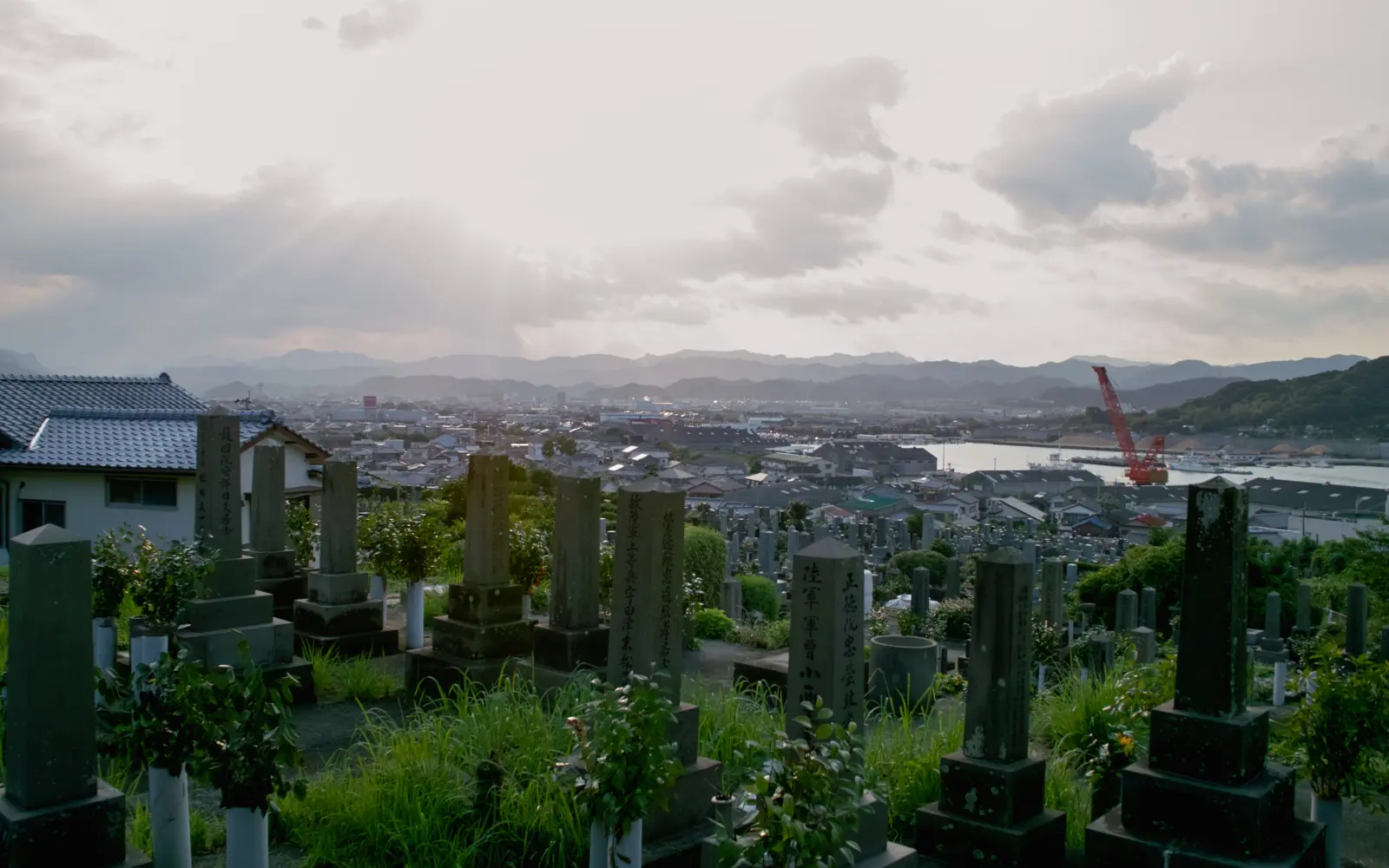
Exiting the terminal, you'll find a quiet, functional port facility with minimal tourist infrastructure. A small information desk and basic shops are usually available. The immediate surroundings are rural Japanese scenery: low-rise buildings, modest homes, quiet streets, and views of the Seto Inland Sea. There is no bustling promenade or aggressive vendor presence; the atmosphere is understated and calm. Within 5 minutes on foot you'll reach local residential streets and small convenience stores (Lawson, FamilyMart) where you can buy drinks, snacks, and toiletries.
The Seto Inland Sea has pleasant water views and some small local beaches, but Hososhima itself is not a beach port. Nearby coastal towns may have small swimming areas or scenic waterfront walks, but they are modest and not typically set up for cruise passenger use.
Hososhima's food scene is authentically local, not tourist-oriented. Convenience stores (Lawson, FamilyMart) stock onigiri (rice balls), bento boxes, and drinks at $3–7 USD. Small local restaurants near the port or in nearby towns serve regional dishes like okonomiyaki (savory pancake) or local noodles for $8–15 USD. Onomichi has several established cafes and restaurants catering to local diners and occasional tourists. Few places have English menus; use a translation app or ask port staff for recommendations. Tap water is safe to drink; tap service in restaurants is standard.
Hososhima has minimal shopping relevant to cruise passengers. Convenience stores are your main option for last-minute supplies. Onomichi and larger nearby towns have local craft shops, souvenir stores, and small gift shops selling locally made pottery, art, or sweets—these are authentic and low-key, not aggressive or overpriced. Hiroshima City (if you venture that far) has larger shopping malls and department stores. Do not expect major shopping infrastructure at the port itself.
Most practical option from the pier. Drivers are professional but rarely speak English; have your destination written in Japanese or use a translation app.
Book a transfer 5% off with code TPO5 at checkoutBuses serve the port and nearby towns but schedules are infrequent and signage is in Japanese. Not recommended for first-time visitors or tight schedules.
Book bus ticketsCruise lines often offer guided tours to Onomichi, local villages, or other regional sites. This eliminates language and logistics barriers.
The pier and immediate surroundings are walkable but sparse. No major attractions within 15 minutes on foot.
Details last checked August 2026
Check The Port Traffic
Once you have your shore plan, use the schedule to see how busy the harbour will be on your date, plus the ships, lines, and published call windows.
Arrive 08:00 AM | Depart 06:00 PM
Itinerary: 28 Nights Orient Far East Cruise (28 nights)
Planning a cruise here?
Seabourn, Atlas Ocean Voyages, Regent Seven Seas Cruises sail to Hososhima.
Hososhima itself is a small, quiet port with minimal attractions within walking distance. A full day is best used for a taxi tour to Onomichi or another regional site, or as a relaxed break from the ship if you prefer a slower pace. If you're after major attractions or nightlife, consider the port a transit point rather than a destination.
Technically yes, but only if you have 6+ hours ashore and book transport in advance. Hiroshima Peace Memorial Park is 45–60 minutes away; once there, you'll have 2–3 hours before needing to return, which is tight. This is better suited to a full-day shore excursion.
Hire a pre-arranged taxi from the cruise line, book an organized shore excursion, or use Google Translate on your phone to communicate with local taxi drivers. Public buses are challenging without Japanese language skills and are not recommended for short port windows.
Find cruises to Hososhima, Japan
Compare sailings and book with no fees — best price guaranteed.
We may earn a commission when you book through our links, at no extra cost to you — it’s how we keep these guides free.
Tell us your sail date and we’ll email you a short Hososhima plan about 60 days out — when the good excursions start selling out — plus a final checklist 2 weeks before. Two emails, then done. We’ll send one note to confirm it’s really you — unsubscribe anytime.


