

Caribbean
Caribbean
Isla Iguana Cruise Port Guide: Snorkeling, Wildlife & Practical Tips
Panama
Ships anchor offshore; tenders required to reach the island.
Choose the Right Port Day
Best Overall
Ship-organized guided snorkel tour with naturalist. Ensures safety, maximizes wildlife sightings, and avoids logistics hassle on a remote island.
Best Beach
Isla Iguana's main beach is the only practical landing; it doubles as your entry point to reef snorkeling. No separate 'beach day' destination; the island itself is the experience.
With Kids
Snorkeling in shallow, calm waters and spotting iguanas and sea lions from the beach. Keep kids close to the boat and in supervised group tours if available.
Only 3-4 Hours
Book the ship's guided snorkel tour or rent snorkel gear independently and explore the reef in front of the island. Scan for iguanas, sea lions, and tropical fish without rushing.
Cheapest Option
Self-guided snorkel rental or beach walk if your ship does not mandate a tour operator ($15–40 USD for gear rental). Ask at the ship's excursion desk about day-tripper options.
What To Avoid
Expecting restaurant or retail on the island—there are none. Do not plan on staying ashore more than 6 hours; the island offers limited infrastructure and attractions beyond marine activities.
Top Things To Do
1
Snorkeling on the reef
Explore the coral reef and marine life immediately off Isla Iguana's shore. Expect to see tropical fish (wrasses, snappers, parrotfish), sea urchins, starfish, and occasional rays. Visibility is usually excellent in the morning.
⚡ Popular — books out early. Reserve before you sail.
2
Wildlife viewing and photography
Spot and photograph marine iguanas basking on rocks, sea lions in the water, and tropical birds (frigatebirds, herons). Best in early morning or late afternoon. Binoculars and a camera with a zoom lens are invaluable.
3
Beach walk and island exploration
Walk the sandy beach, explore the island perimeter, and observe coastal vegetation (mangroves, tropical shrubs). Relatively flat terrain. Limited trails; the island can be circled in under an hour.
Show 1 more thing to do in Isla Iguana
4
Shallow-water snorkeling for beginners
If deep snorkeling is daunting, wade into knee-to-waist-deep water along the beach and view fish and corals without venturing far offshore. Safer for children and non-swimmers.
Book with the ship, or on your own?
Booking independently
- Often noticeably cheaper than the ship’s version of the same tour.
- Smaller groups and local operators, with traveler reviews you can read before you pay.
- Free cancellation on most tours, usually up to 24 hours before.
When the ship’s excursion makes sense
- Short port calls or long transfers where the timing is tight.
- Tender-only stops where getting ashore can run late.
- The ship waits for its own delayed excursions — it won’t wait for independent ones, so leave a buffer before all-aboard.
We may earn a commission when you book through our links, at no extra cost to you — it’s how we keep these guides free.
Quick Take
- Port Type
- Expedition anchorage; marine wildlife hub
- Best For
- Snorkelers, wildlife photographers, naturalists, expedition cruise passengers
- Avoid If
- You want shopping, restaurants, or extensive shore time; you dislike tenders or marine activities
- Walkability
- Not applicable; island is undeveloped
- Budget Fit
- Medium; most activities are ship-organized; independent snorkel rentals modest cost
- Good For Short Calls?
- Excellent; typical port call is 4–6 hours, sufficient for snorkeling and wildlife viewing
Port Overview
Isla Iguana lies off the Pacific coast of southern Panama, near the town of Pedasí. Ships anchor offshore and passengers are tendered to a pristine, undeveloped island famed for its marine iguanas, sea lions, tropical fish, and coral reefs. The island itself has no permanent settlement, restaurants, or shops—it is purely a nature reserve and snorkeling destination. This is an expedition-focused port, popular with Lindblad, Ponant, Hurtigruten, and other naturalist-oriented cruise lines. Most cruisers spend 4–6 hours here; the main activity is snorkeling and guided wildlife viewing. Unless you are a keen swimmer or naturalist, the island offers limited appeal beyond the water.
Is It Safe?
Isla Iguana is a protected nature reserve with no crime concerns. Safety hazards are marine-related: reef cuts, sun exposure, sea urchins, and stinging coral. Always wear reef shoes, apply sunscreen liberally, and follow snorkel guide instructions. Check current conditions with crew before entering water; strong currents or high swells can occur. The island has no medical facility; serious injuries require evacuation to the ship. Dehydration and heat exhaustion are common—bring plenty of fresh water. Tender operations cease if sea state worsens, so plan accordingly and do not commit to lengthy independent excursions.
Accessibility & Walkability
The island is not wheelchair-accessible. The main beach is sandy and uneven; tender landing requires a few steps. Shallow snorkeling near the beach is possible for weak swimmers in calm conditions, but you must be reasonably mobile and comfortable in salt water. No accessible restrooms or facilities exist on the island. Passengers with limited mobility should inform the ship in advance; crew can advise on tender boarding and beach entry. If you cannot board a tender or swim, Isla Iguana is not a suitable port.
Outside the Terminal
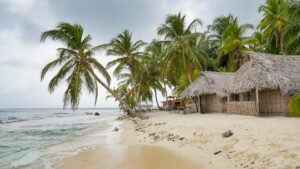
The island beach is raw, undeveloped, and tropical—no terminal, dock, or infrastructure. You step off the tender onto sand, surrounded by palm trees, mangroves, and sea. Crew members are present at the landing to direct passengers. Water is warm and inviting; visibility for snorkeling is typically good (40–60 feet). No vendors, shops, or food stands are present. The atmosphere is quiet and naturalist-focused. Expect to share the beach with other cruise passengers and ship-organized groups.
Beaches Near the Port
Isla Iguana main beach
Sandy, sheltered beach with clear turquoise water. The only practical landing beach on the island. Good for both swimming and snorkeling entries. Calm in the morning; can have swell in afternoon. No facilities, shade limited to scattered palms.
Local Food & Drink
No restaurants or food services exist on Isla Iguana. Pack snacks, water, and electrolyte drinks from the ship before tendering ashore. Bring more water than you think necessary; heat and sun dehydrate quickly. Some ships provide packed lunches or snack packs if you book an excursion; confirm with your cruise line. Eating on the beach is fine, but pack out all waste. If you plan to spend the full port day on the island, eat a substantial breakfast on the ship and bring sufficient calories (energy bars, nuts, fruit) to sustain yourself.
Shopping
No shops, stalls, or retail of any kind exist on Isla Iguana. Do not plan to buy souvenirs, snacks, or essentials here. All shopping must be done on the ship or in nearby towns (Pedasí or Las Tablas) if your itinerary includes an additional stop. If you need anything forgotten—sunscreen, a rash guard, a book—bring it from the ship.
Money & Currency
- Currency
- Panamanian Balboa (PAB) / US Dollar (USD)
- USD Accepted?
- Yes
- Card Payments
- Not applicable (no retail on island)
- ATMs
- None on island
- Tipping
- Not applicable on the island. Tip ship crew and guides aboard the vessel.
- Notes
- USD and Balboa are equivalent; USD is accepted everywhere in Panama. No currency exchange or banking services on Isla Iguana.
Weather & Best Time
- Best months
- December–April (dry season)
- Avoid
- September–November (peak rain and rougher seas)
- Temperature
- 78–85°F (26–29°C); humidity high year-round
- Notes
- Pacific coast of Panama sees heavy rain May–November. Seas are calmer and snorkeling conditions better in the dry season. Afternoon thunderstorms are common during wet season. UV index is intense; sunscreen and rash guards are essential.
Airport Information
- Airport
- Tocumén International Airport (PTY)
- Distance
- Approximately 250 km (155 miles) from Isla Iguana; ~3.5–4 hours by car to nearby port towns
- Getting there
- Flights connect to Panama City; from there, you would rent a car or take a domestic flight to Pedasí or Las Tablas, then arrange boat transfer to meet the ship. Very indirect.
- Notes
- Isla Iguana is not typically a cruise embarkation point. Most cruises are fly-to-Panama-City itineraries. Repositioning via Isla Iguana requires custom planning and is rarely booked independently.
Getting Around from the Port
Tender boat
Ships anchor offshore; passengers board ship tenders (small motorboats) for the 5–10 minute ride to the island beach.
Book ferry ticketsSnorkel tour boat
Ship-organized guided snorkel tours depart from the beach in small boats to reef sites near the island. Some tours include naturalist guides.
Book ferry ticketsWalking
The island beach and immediate surrounds are accessible on foot. Limited trails; most exploration is beach-based or via water.
Details last checked April 2026
Check The Port Traffic
Cruise Ships in Port
Once you have your shore plan, use the schedule to see how busy the harbour will be on your date, plus the ships, lines, and published call windows.
Sun
Mon
Tue
Wed
Thu
Fri
Sat
1
2
3
4
5
6
7
8
9
10
11
12
13
14
15
16
17
18
19
20
21
22
23
24
25
26
27
28
29
30
31
Quiet (1–2)
Busy (3–4)
Packed (5+)
0 scheduled calls
August 1, 2026
No scheduled cruise ship calls were found for this date selection. Pick a highlighted day on the calendar above, widen the range, or search for a different ship or line.
Planning a cruise here?
Lindblad Expeditions, Ponant, Hurtigruten & more sail to Isla Iguana.
Practical Tips for Cruise Passengers
- Apply reef-safe sunscreen liberally and reapply every hour; the tropical sun reflects off water and burns fast even on cloudy days.
- Bring a rash guard or UV shirt for snorkeling; it reduces sun exposure and offers abrasion protection on the reef.
- Wear reef shoes or water sandals to protect your feet from sea urchins, sharp coral, and hot sand.
- Arrive at the tender muster station early; rough seas can delay or cancel afternoon tender operations, and you do not want to miss your last boat back.
Frequently Asked Questions
Snorkeling is optional. You can swim in designated areas or walk the beach. However, snorkeling is the main draw; most cruisers participate in a tour. Ask your ship about supervised swimming areas if you prefer not to snorkel.
The reef adjacent to the beach slopes from shallow (3–5 feet) to moderate depth (20–40 feet). Shallow-water snorkeling is safe for children with a guardian present; guided tours often accommodate families. Always use a life jacket or flotation aid if you are unsure.
If tenders cannot operate, the port is skipped and you remain on the ship. This occurs in rough weather or high swells; there is no alternative landing. Check the ship's weather forecast and tender updates before committing to excursions.
Find cruises to Isla Iguana, Panama
Compare sailings and book with no fees — best price guaranteed.
We may earn a commission when you book through our links, at no extra cost to you — it’s how we keep these guides free.
✉ Sailing to Isla Iguana? Get your port-day plan
Tell us your sail date and we’ll email you a short Isla Iguana plan about 60 days out — when the good excursions start selling out — plus a final checklist 2 weeks before. Two emails, then done. Unsubscribe anytime.
Caribbean
View All
More Caribbean Ports

Caribbean

Caribbean
Caribbean
