

South America
Caribbean
San Blas Islands Cruise Port Guide: Tender Tips, Things to Do & What to Expect
Panama
Most ships anchor offshore and tender passengers to the islands; some smaller vessels may dock at limited pier facilities.
Choose the Right Port Day
Best Overall
Half-day guided snorkeling tour with island visit. This combines cultural contact, reliable logistics, and the experience most cruisers want. Book through your ship or a pre-vetted operator.
Best Beach
Gardi Sugdub (most accessible from tender dock) and Pamiadup Island are best for swimming and reef snorkeling. Skip tiny personal beaches—go where coral and fish density is highest.
With Kids
Calm-water snorkeling at shallow reefs near Gardi Sugdub. Avoid remote islands that require longer boat rides; stick to 15–20 minute transfers.
Only 3-4 Hours
Book a ship-organized snorkeling tour to 1–2 nearby islands. Tender out, snorkel/swim, return before tender queues peak. Minimal logistical stress and guaranteed return timing.
Cheapest Option
Join a group tour booked through the Guna cooperative (roughly $60–90 USD per person, including boat and guide). Independent snorkeling is cheaper but riskier if you don't know reef hazards.
What To Avoid
Skipping the cultural context—these are Guna territories, not tourist resorts. Showing disrespect to local customs or ignoring sun/sea safety will spoil the experience. Avoid DIY boat rental unless you're an experienced operator.
Quick Take
- Port Type
- Scenic Tender Port (Archipelago)
- Best For
- Snorkelers, nature enthusiasts, cultural immersion seekers, small-ship expeditions. Not ideal for first-time cruisers unfamiliar with tender logistics.
- Avoid If
- You want reliable cell service, ATMs, restaurants, or structured shore excursions. This is a remote, minimalist experience.
- Walkability
- Not applicable—islands are tiny and car-free. Movement is by foot or boat only.
- Budget Fit
- Mid to high budget. Expect guided tours ($80–150), boat transport ($20–40), and limited free options.
- Good For Short Calls?
- Excellent. Most snorkeling and island-hopping tours run 3–4 hours, ideal for tender windows.
Top Things To Do
1
ALL INCLUSIVE San Blas Islands Day Tour on Sailboat
Join an unforgettable sailing adventure through the stunning San Blas Islands with an experienced crew who know the region and its culture inside out. Discover the…
12hFree cancellation
2
Full Day 4 Amazing Spots in San Blas Cultural and Beach
Experience a Day in the San Blas Islands, immersed in local culture and stunning beaches. Learn directly from Guna grandmothers in their communities as they teach…
7hFree cancellation
Our picks in San Blas Islands
3
Snorkeling & Reef Exploration
The San Blas reefs host diverse fish, coral, sea turtles, and rays in shallow, clear water. Most tours visit 1–3 reef sites within 15–30 min by boat. Visibility is typically 60–80 feet. Gear rental (mask, fins, snorkel) is standard with tours; your own gear is welcome if you prefer.
4
Island Hopping & Guna Cultural Visit
Visit 2–3 small inhabited or uninhabited islands. See traditional Guna settlements, learn about local life, observe craft-making (molas—colorful fabric art). Many tours include a beach break and lunch (fresh coconut, ceviche, or simple rice/fish). Guides share history and ecology.
5
Gardi Sugdub (Main Tender Hub) & Settlement Walk
Gardi Sugdub is the busiest and most tourist-facing island, home to a substantial Guna community. Walk narrow sandy paths between houses, observe daily routines, and visit small shops selling molas, coconuts, and drinks. No formal museum or guide required, but a local guide adds context and builds rapport with residents.
Show 1 more thing to do in San Blas Islands
6
Pamiadup Island (Uninhabited, Prime Snorkeling)
One of the most beautiful uninhabited islands in the archipelago, with excellent shallow-water snorkeling, white sand, and sparse coral coverage. Less crowded than guided mass-tourism reefs. Bring your own snorkel gear if possible; some tours include it.
Book with the ship, or on your own?
Booking independently
- Often noticeably cheaper than the ship’s version of the same tour.
- Smaller groups and local operators, with traveler reviews you can read before you pay.
- Free cancellation on most tours, usually up to 24 hours before.
When the ship’s excursion makes sense
- Short port calls or long transfers where the timing is tight.
- Tender-only stops where getting ashore can run late.
- The ship waits for its own delayed excursions — it won’t wait for independent ones, so leave a buffer before all-aboard.
Going independent? Compare tours in San Blas Islands → — the best-reviewed ones sell out first.
We may earn a commission when you book through our links, at no extra cost to you — it’s how we keep these guides free.
Check The Port Traffic
Cruise Ships in Port
Once you have your shore plan, use the schedule to see how busy the harbour will be on your date, plus the ships, lines, and published call windows.
Sun
Mon
Tue
Wed
Thu
Fri
Sat
1
2
3
4
5
6
7
8
9
10
11
12
13
14
15
16
17
18
19
20
21
22
23
1 ship
24
25
26
27
28
29
30
31
Quiet (1–2)
Busy (3–4)
Packed (5+)
0 scheduled calls
October 11, 2026
No scheduled cruise ship calls were found for this date selection. Pick a highlighted day on the calendar above, widen the range, or search for a different ship or line.
Port Overview
The San Blas Islands are a semi-autonomous Guna territory of 365+ islands scattered off Panama's northeast coast. Ships anchor 1–3 miles offshore; tenders ferry passengers to small islands with no cars, minimal infrastructure, and traditional Guna settlements. This is a nature and cultural destination, not a resort port—expect basic facilities, spectacular coral reefs, and indigenous communities. Most cruisers spend 4–8 hours snorkeling, island-hopping, and observing daily Guna life. It's operationally complex but rewards those who embrace the tender routine and remote setting.
Is It Safe?
San Blas is generally safe for cruisers, but it's remote and minimally developed. The Guna community is welcoming but private property and cultural boundaries exist—ask permission before photographing people or entering settlements. Sea safety is the primary concern: strong currents, sea urchins, sharp coral, and occasional stingrays require awareness. Always wear reef shoes and use snorkel buddies. Tender rides in rough seas can be bouncy; secure loose items and sit toward the center of small boats. Medical facilities on islands are nonexistent; serious injuries require evacuation to the ship or mainland. Sun exposure is intense—apply reef-safe sunscreen and take breaks in shade. Petty theft from unattended bags is rare but possible; leave valuables on the ship.
Accessibility & Walkability
San Blas offers virtually no accessibility infrastructure. Islands are sandy, have no paved surfaces, and tender boarding involves stepping in/out of moving boats—difficult for mobility-impaired passengers. Once ashore, terrain is flat but soft sand. Accessible restrooms are absent; the ship is your only option. Wheelchair users should not plan on leaving the ship unless the cruise line arranges a specific accommodation (e.g., private tender, accessible transfer). If you have mobility limitations, confirm logistics with the ship's guest services before booking.
Outside the Terminal
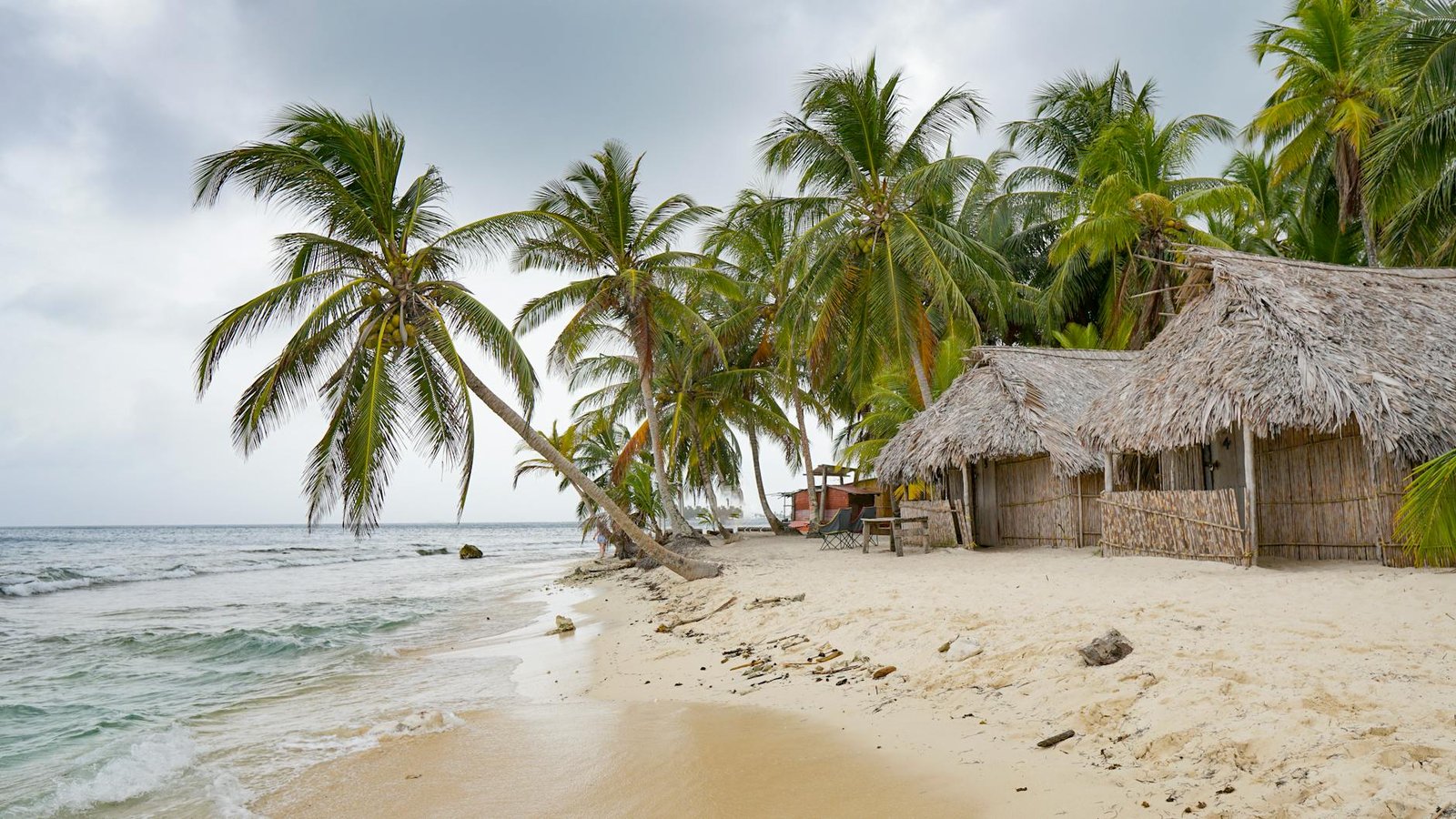
Stepping off the tender onto a small island sandbar is surreal and immediate. You'll see thatched-roof houses (chibas), coconut palms, and a handful of Guna residents. No crowds, no shops, no taxis—just sand, sea, and small boats. The air smells of salt and coconut. Local guides typically greet tenders and organize snorkeling groups or cultural visits on the spot. If you've booked a tour, meet your operator at the agreed checkpoint; otherwise, stay with your tender group to avoid confusion on return.
Beaches Near the Port
Gardi Sugdub (Main Island Beach)
Sandy beach with calm, shallow water. Busy with tenders and local boats. Best for wading and observing activity rather than pristine sunbathing.
Pamiadup Island
Uninhabited island with pristine white sand, shallow reef snorkeling, and minimal crowds. Cleaner and quieter than main tourist islands.
Carti Islands (Secondary Tender Zone)
Smaller, quieter alternatives to Gardi Sugdub. Some have reefs accessible from shore. Less tourist infrastructure; more local authenticity.
Local Food & Drink
On-island dining is minimal and basic. Most tender islands have only small shops or family-run comedores (informal eateries) selling ceviche, fried fish, rice, beans, and fresh coconuts. Quality and hygiene vary; play it safe and eat lunch on the ship before heading ashore, or book a tour that includes meals. Some tour operators provide simple lunches (often fresh seafood and rice) as part of the package. Drinking water on islands may not be reliably safe; bring bottled water from the ship or buy from local vendors. Alcoholic drinks (mainly beer) are available but pricey. Dietary restrictions are difficult to accommodate on islands; inform your ship and tour operator in advance if you have them.
Shopping
Shopping is limited to handicrafts and everyday items. Gardi Sugdub and other main islands have small shops selling molas (intricate Guna textile art), woven bags, jewelry, and coconut products. Prices are reasonable but higher than you'd pay on the mainland—expect $5–30 USD for molas, $10–50 USD for larger textiles. Bring cash (Panamanian balboa or USD); card payments are rare and unreliable. Bargaining is not common; prices are fairly fixed. Avoid over-commercialized tourist shops in favor of supporting local families directly. Do not buy shells, sea life products, or items made from endangered species.
Money & Currency
- Currency
- Panamanian Balboa (PAB) and US Dollar (USD, widely used)
- USD Accepted?
- Yes
- Card Payments
- Cash only on islands. ATMs exist in Panama City and larger towns, not on the islands.
- ATMs
- None on San Blas islands. Withdraw cash before tenderering ashore.
- Tipping
- Guides and boat operators appreciate 10–15% tips in USD cash if service is good. Not mandatory.
- Notes
- Bring plenty of small USD bills ($1, $5, $10 notes). Island vendors rarely break large bills. Credit cards are useless here.
Weather & Best Time
- Best months
- December–April (dry, calm seas, cooler)
- Avoid
- September–November (hurricane season, rough seas, rain)
- Temperature
- 80–88°F (27–31°C). Humidity high year-round.
- Notes
- Sea state is critical for tender operations. Rough weather can cancel or delay tenders, trapping you on the ship. Tropical showers are frequent but brief. Sun is intense; reef-safe sunscreen is essential.
Airport Information
- Airport
- Tocumen International Airport (PTY), Panama City
- Distance
- ~60 miles (97 km) west; 2–2.5 hours by car/bus
- Getting there
- Cruise transfers arranged by ship ($60–100 USD round-trip). Taxi or Uber from city center (~$40–60 USD).
- Notes
- Most San Blas cruises are roundtrip from Panama City or Colón, meaning you may not see the airport. If flying in early, stay overnight in Panama City and transfer to the ship's embarkation port the next day. Allow 3+ hours for airport-to-port logistics.
Getting Around from the Port
Ship-organized tender
Motorized dinghy or larger tender from ship to designated island dock. Only method available. Can take 10–30 minutes depending on anchor position and weather.
Local guide-led boat tours
Guna operators provide small motorized boats for reef snorkeling, island visits, and cultural tours. Depart from main tender dock (usually Gardi Sugdub or Carti).
Book ferry ticketsSwimming/snorkeling from island
Many islands have shallow reefs accessible from shore or a short wade. No boat required if you stay local.
Details last checked April 2026
Planning a cruise here?
Windstar, SeaDream Yacht Club, Scenic Cruises & more sail to San Blas Islands.
Practical Tips for Cruise Passengers
- Tender logistics are non-negotiable: confirm your tour booking and tender time the evening before departure. The last tender back to the ship is fixed; missing it means paying for a private boat or facing an unplanned overnight.
- Bring reef shoes, a rash guard, and reef-safe sunscreen (no oxybenzone or octinoxate). Sun exposure is severe; reapply every 90 min and take shade breaks.
- Cash is king—bring $100–200 USD in small bills. Island vendors have no change for large notes and no card readers.
- If you're not a strong swimmer or suffer from motion sickness, skip DIY boat adventures and book ship-organized tours with larger, more stable vessels and professional crew.
Frequently Asked Questions
Yes, absolutely. Many cruisers skip San Blas due to cost, mobility limitations, or preference for structured ports. You won't miss critical logistics—the ship is safe. Some passengers spend the day sleeping or relaxing on deck.
Renting is included with most organized tours ($80–150 per person). If you book independently, rental is available from guides for $5–10 USD. Bring your own gear if you prefer comfort and fit; it saves money on repeat snorkeling.
Tender operations are cancelled, and passengers remain on the ship. This can happen in hurricane season or during unexpected squalls. No refunds; your options are to wait for conditions to improve or accept missing the port. Check weather forecasts and ship announcements hourly.
Find cruises to San Blas Islands, Panama
Compare sailings and book with no fees — best price guaranteed.
We may earn a commission when you book through our links, at no extra cost to you — it’s how we keep these guides free.
✉ Sailing to San Blas Islands? Get your port-day plan
Tell us your sail date and we’ll email you a short San Blas Islands plan about 60 days out — when the good excursions start selling out — plus a final checklist 2 weeks before. Two emails, then done. We’ll send one note to confirm it’s really you — unsubscribe anytime.
Same itinerary network
View All