
Africa & Middle East
Africa & Middle East
Kitava Island Cruise Port Guide: Things to Do & Practical Tips
Guinea
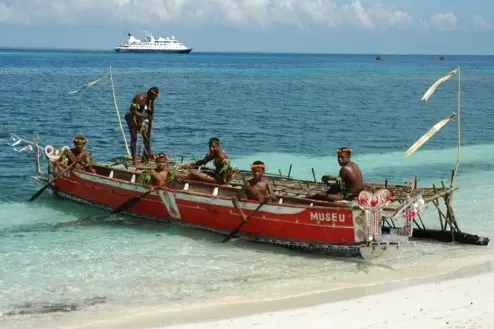
Ships anchor offshore; tender boats required to reach the island.
Choose the Right Port Day
Best Overall
Book a half-day guided cultural tour through your cruise director to maximize context and safety; prioritize meeting villagers and learning Trobriand traditions over beaches.
Best Beach
Kitava village beach is modest and mainly used for landing; swim only where locals indicate is safe. Not a destination beach—go for cultural access, not water quality.
With Kids
Guided village exploration with a focus on meeting local children, seeing gardens, and learning about Trobriand culture; snorkeling is possible on some itineraries but currents vary.
Only 3-4 Hours
Take a guided village walk with a local (arranged via cruise director) to see daily life, visit the market, meet residents, and buy handicrafts. Return to ship for lunch.
Cheapest Option
Walk the village independently (free), observe daily life, and purchase handicrafts from residents at negotiated prices ($3–10 USD); no organized tour fee needed, though tipping guides is customary.
What To Avoid
Do not expect resort amenities, restaurants, or shops. Do not venture into private areas without permission. Avoid swimming alone; currents and visibility vary.
Quick Take
- Port Type
- Remote expedition anchorage
- Best For
- Cultural immersion, island village life, anthropology interest, expedition-focused travelers
- Avoid If
- You want shopping, nightlife, or major facilities; you need mobility assistance or have accessibility concerns
- Walkability
- Limited; village is small and walkable, but no paved roads, uneven terrain, minimal signage
- Budget Fit
- Most activities included with cruise; village guides and handicrafts are inexpensive ($5–20 USD)
- Good For Short Calls?
- Yes, 3–5 hours sufficient for village walk, local guide tour, and cultural interaction
Top Things To Do
1
Guided village cultural tour
A local guide walks you through the village, introducing residents, explaining Trobriand traditions, land use, food production, and daily life. Emphasis is on anthropology and genuine cultural exchange, not tourism performances.
2
Market visit and handicraft purchases
The village market (informal, run by locals) offers baskets, carvings, shell ornaments, and traditional textiles. Prices are negotiable and modest. Buying directly supports local artisans.
3
Beach and shallow-water swimming
The village beach is calm in good weather and suitable for wading and swimming in designated safe areas. Water clarity and conditions vary. Always confirm safe zones with guides or locals.
Book with the ship, or on your own?
Booking independently
- Often noticeably cheaper than the ship’s version of the same tour.
- Smaller groups and local operators, with traveler reviews you can read before you pay.
- Free cancellation on most tours, usually up to 24 hours before.
When the ship’s excursion makes sense
- Short port calls or long transfers where the timing is tight.
- Tender-only stops where getting ashore can run late.
- The ship waits for its own delayed excursions — it won’t wait for independent ones, so leave a buffer before all-aboard.
We may earn a commission when you book through our links, at no extra cost to you — it’s how we keep these guides free.
Check The Port Traffic
Cruise Ships in Port
Once you have your shore plan, use the schedule to see how busy the harbour will be on your date, plus the ships, lines, and published call windows.
Sun
Mon
Tue
Wed
Thu
Fri
Sat
1
2
3
4
5
6
7
8
9
10
11
12
13
14
15
16
17
18
19
20
21
22
23
24
25
26
27
28
29
30
31
Quiet (1–2)
Busy (3–4)
Packed (5+)
0 scheduled calls
October 13, 2026
No scheduled cruise ship calls were found for this date selection. Pick a highlighted day on the calendar above, widen the range, or search for a different ship or line.
Port Overview
Kitava Island is part of the Trobriand Islands in Papua New Guinea and serves as an anchorage port for expedition and ultra-luxury cruise lines (Lindblad, Seabourn, Silversea, Ponant). Ships anchor offshore; passengers tender to a small beach landing. The island is home to a traditional Melanesian village with minimal tourism infrastructure, authentic daily life, and strong cultural heritage. This is a cultural and anthropological stop, not a resort or beach destination. Most cruisers visit for one half-day; the island offers no shops, restaurants, or commercial tourism facilities beyond what locals provide.
Is It Safe?
Kitava is a peaceful, welcoming village with no significant crime against tourists. Petty theft is rare but possible; keep valuables secure and in your cabin. The main hazard is the natural environment: uneven terrain, coral underfoot in shallows, and variable tidal/current conditions. Always check with ship staff or guides about safe swimming areas and tide times. Dengue fever and malaria are endemic to PNG; confirm vaccination requirements with your doctor well before departure. Respect private property and local customs (ask before photographing people or entering homes). The village has no medical facilities; serious injuries require evacuation by ship.
Accessibility & Walkability
Kitava is not accessible for wheelchair users or those with mobility challenges. The village has no paved roads, raised boardwalks, or level paths. The tender landing involves climbing from a small boat onto a beach, which is difficult for those with reduced mobility. Those with significant mobility concerns should consult the ship's medical staff and consider remaining aboard.
Outside the Terminal
You will arrive on a small beach fronting the village. The landing area is sand and coral; wear sturdy shoes. Immediately inland is the village—simple houses, gardens, and pathways. Locals may approach to sell handicrafts or welcome visitors. The atmosphere is peaceful and curious, not commercial or aggressive. Expect no formal facilities, signage, or commercial structures. Your first sense will be of a quiet, traditional place where daily life (gardening, fishing, cooking) is visible and ongoing.
Beaches Near the Port
Kitava village beach
A small, sandy beach used for village landing and daily swimming. Water is calm in most conditions but clarity varies seasonally. Not developed or equipped; used by locals for fishing and swimming.
Local Food & Drink
Kitava has no restaurants or cafes. The village operates a subsistence economy; locals grow taro, coconut, and fish. Your ship provides all meals. If you wish to experience local food culture, some guides may arrange a visit to a family cooking area or informal meal with locals (confirm details and dietary needs with your cruise director in advance). Carry snacks or water if planning an extended village walk. Do not expect to purchase prepared food ashore.
Shopping
There are no shops in the formal sense. The village market is run informally by residents selling handicrafts (woven baskets, wooden carvings, shell ornaments, and traditional textiles). Items are modest, authentic, and inexpensive ($3–20 USD). There is no central marketplace building; sales happen at homes or gathering spots. Bargaining is customary and respectful. Bring small bills (USD) and coins. No cards or ATMs are available ashore.
Money & Currency
- Currency
- Papua New Guinea kina (PGK); USD widely accepted
- USD Accepted?
- Yes
- Card Payments
- None; cash only for village transactions
- ATMs
- No ATMs on island; withdraw cash before departure or on the ship
- Tipping
- Customary to tip guides ($5–10 USD) and to pay fairly for handicrafts. Tipping is appreciated but not obligatory.
- Notes
- Bring small bills ($1, $5, $10) and coins for small purchases and transactions. Inform your cruise line of your visit in advance if you plan to engage in business or larger purchases.
Weather & Best Time
- Best months
- May–October (dry season, cooler, less rain)
- Avoid
- January–March (wet season, cyclone risk, high humidity)
- Temperature
- 78–86°F (26–30°C); high humidity year-round
- Notes
- Most expedition cruises visit May–October. Seas can be rough; confirm tender safety before your port day. UV exposure is intense; sunscreen is essential. Occasional tropical rain is normal; bring a light rain jacket.
Airport Information
- Airport
- Nadzab International Airport (LAE) or Alotau Airport (closest regional hub)
- Distance
- Alotau is ~40 km south; Nadzab (Lae) is ~160 km away
- Getting there
- Expedition cruise itineraries typically do not offer pre-cruise airport transfers to Kitava; arrange flights to a mainland port (Alotau or Lae) and board the ship from there. Private boats or charters are not standard.
- Notes
- Kitava is not a typical port of embarkation. Most cruises depart/arrive at larger ports like Alotau, Port Moresby, or Cairns (Australia). Confirm your cruise itinerary and embarkation point with your cruise line.
Getting Around from the Port
Tender
Cruise ship tenders (small boats) carry passengers from ship to village beach landing. Tenders run continuously during port hours.
Local guide
Island exploration is best done with a local guide arranged via your cruise director or expedition staff. Guides navigate village paths, facilitate village visits, and provide cultural context.
Self-guided walk
The village is small enough to explore on foot independently if you are comfortable with uneven terrain and language barriers. Stick to main village paths.
Details last checked April 2026
Planning a cruise here?
Seabourn, Silversea Cruises, Ponant & more sail to Kitava Island.
Practical Tips for Cruise Passengers
- Book any guided tour through your cruise director at least one day before port day; independent guides may be limited, and pre-arrangement ensures reliable, safe access.
- Bring high-SPF sunscreen, a hat, and polarized sunglasses; tropical sun is intense and reflecting off water is strong.
- Carry small USD bills and coins; no cards, ATMs, or formal shops exist. Budget $20–50 USD for handicrafts and guide tips.
- Wear sturdy, quick-dry shoes or sandals with ankle support; paths are uneven and some areas have sharp coral. Respect local customs by dressing modestly (covering shoulders and knees).
Frequently Asked Questions
Yes. Consult your doctor before travel regarding yellow fever, Japanese encephalitis, malaria prophylaxis, and standard vaccinations. PNG malaria risk is significant; prophylaxis is strongly recommended. Verify requirements 6–8 weeks before departure.
Yes, in designated safe areas near the village beach, but water clarity and safety vary. Always confirm safe swimming zones with your guide or locals before entering the water. Currents can be strong; swim only where advised.
Your cruise director will announce tender schedules and a firm tender recall time (typically 30–45 minutes before ship departure). Plan to return to the tender 15 minutes early; missing the tender may result in being left behind.
Find cruises to Kitava Island, Guinea
Compare sailings and book with no fees — best price guaranteed.
We may earn a commission when you book through our links, at no extra cost to you — it’s how we keep these guides free.
✉ Sailing to Kitava Island? Get your port-day plan
Tell us your sail date and we’ll email you a short Kitava Island plan about 60 days out — when the good excursions start selling out — plus a final checklist 2 weeks before. Two emails, then done. We’ll send one note to confirm it’s really you — unsubscribe anytime.
Africa & Middle East
View All
More Africa & Middle East Ports

Africa & Middle East

Africa & Middle East

Africa & Middle East
São Tomé & Príncipe