

Asia
Asia
Kobe Cruise Port Guide: Things to Do, Getting Around & Practical Tips
Japan
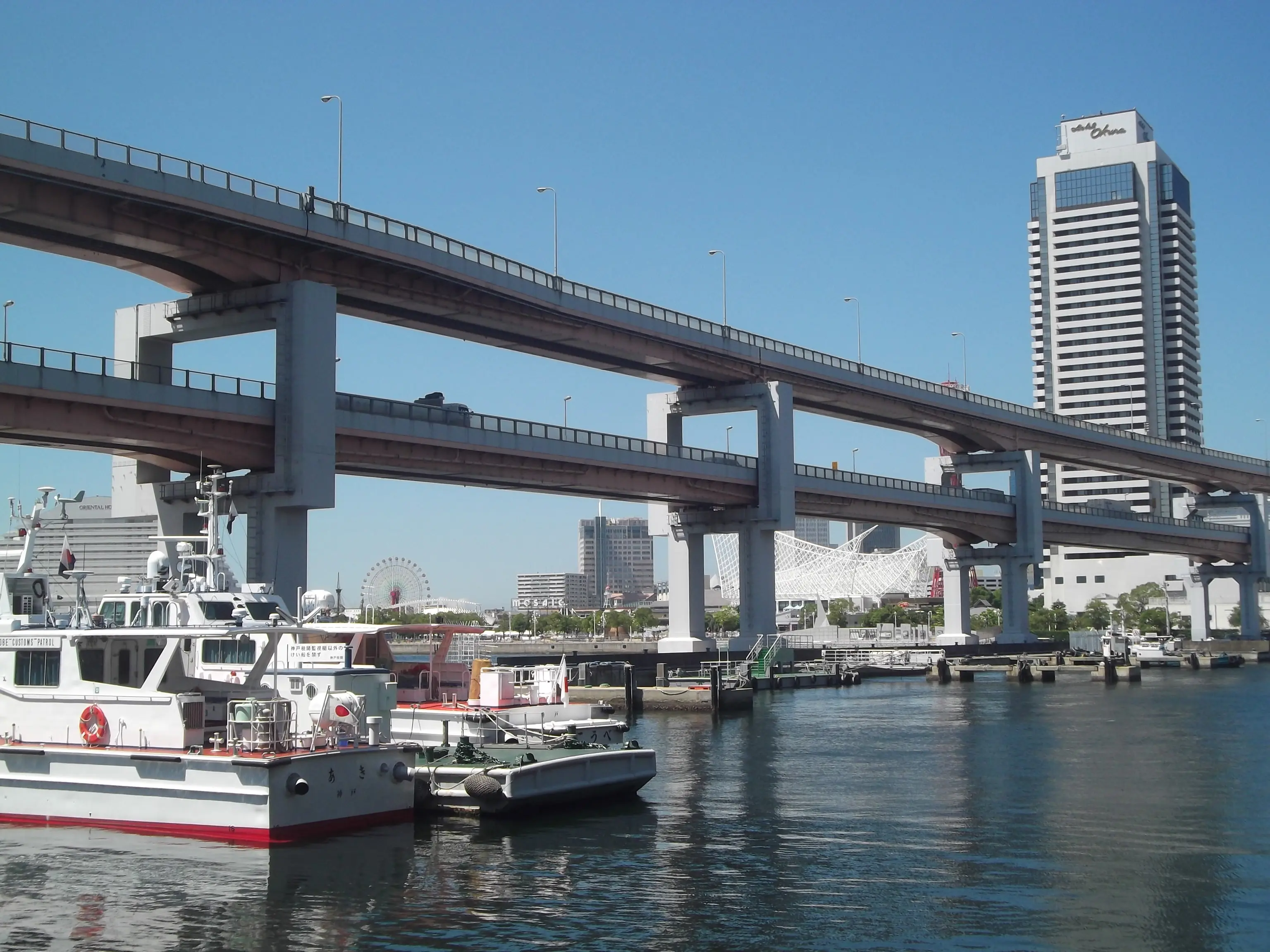
Kobe port features modern cruise terminals with direct pier access in the heart of the port area.
Choose the Right Port Day
Best Overall
Take the 30-minute train to Osaka, spend 3-4 hours in Dotonbori and Namba for food and street energy, then return to Kobe for an early evening stroll along the waterfront before returning to ship.
Best Beach
Not relevant — this is an urban port. No beach options worth your time on a port day.
With Kids
Kobe Uminokaze Museum and the nearby waterfront are easy and interesting for families. For older kids, the Osaka Aquarium Kaiyukan in Osaka is one of the best in Asia.
Only 3-4 Hours
Stay in Kobe. Walk to the Meriken Park waterfront, stroll up to Kitano-cho to see the Western-style Ijinkan houses, and eat kobe beef at a local teppanyaki spot near Tor Road. No trains needed.
Cheapest Option
Buy a day pass for the JR Kansai Area (check locally for current rates), take the train to Osaka, walk Dotonbori, eat takoyaki and ramen from street stalls, and ride the Umeda Sky Building observation deck for under $10 USD.
What To Avoid
Avoid booking expensive ship-organized shore excursions for Osaka — the train is fast, cheap, and simple. Also avoid spending your whole day at the cruise terminal shopping area when the real city is 10 minutes away on foot.
Quick Take
- Port Type
- Dual City Port
- Best For
- Food lovers, culture seekers, history buffs, and first-time visitors to Japan
- Avoid If
- You need a beach day or dislike fast-paced urban sightseeing
- Walkability
- Kobe city center is walkable from the port area; Osaka requires a train
- Budget Fit
- Moderate — Japan is not cheap but public transit and street food keep costs reasonable
- Good For Short Calls?
- Yes for Kobe; tight but doable for Osaka if you move efficiently
Top Things To Do
1
4-Hour Multicultural Kobe Walking Tour with Genuine Kobe Beef
Enjoy and discover the exquisite flavors of Kobe Beef in Kobe town! Cruise passengers will be met if you arrive at Kobe Port terminal(Shinkocho). First, I'll…
4hFree cancellation
2
Kobe City's Best Gems - Private Shore Excursion from Kobe Port
A private tour - to maintain the unique energy of your group. Have any special interests or requests? We can add it into your Kobe experience...just…
4hFree cancellation
Our picks in Kobe
3
Dotonbori & Namba District, Osaka
The most viscerally exciting place reachable from this port. Neon signs, canal-side restaurants, takoyaki stalls, ramen shops, and wall-to-wall street energy. This is Osaka at its most chaotic and fun. Walk the canal strip, eat everything, and soak it in.
4
Kitano-cho Ijinkan District, Kobe
A hillside neighborhood of preserved 19th-century Western-style homes built by foreign merchants who settled in Kobe. It's atmospheric, uncrowded by Japan standards, and gives Kobe a distinctly European feel. Several houses are open to the public for a small fee.
5
Meriken Park & Kobe Port Tower
Right at the waterfront, this is the easiest zero-effort stop in Kobe. The park is attractive, the Port Tower is iconic, and views from the top cover the harbor and Osaka Bay. Worth 45 minutes if you're staying local.
Show 3 more things to do in Kobe
6
Kobe Beef Teppanyaki Lunch
You are in the city that gave Kobe beef its name. This is the best place on earth to eat it. Restaurants around Tor Road and Kitano offer set lunches that are expensive but legitimately exceptional. Budget $40-80 USD per person for a proper sit-down teppanyaki experience.
7
Osaka Aquarium Kaiyukan
One of the best aquariums in the world, full stop. The whale shark tank is the centerpiece and genuinely impressive. Located in Osaka's Tempozan area, easy to combine with Dotonbori if time allows. A legitimate half-day anchor for families.
8
Fushimi Inari Shrine, Kyoto
If your ship arrives early and you want something iconic beyond the city streets, Fushimi Inari's thousands of orange torii gates winding up a forested mountain are one of Japan's most photographed sites. Go early to beat crowds. It's a stretch time-wise from Kobe but manageable if your port day starts before 8am.
Book with the ship, or on your own?
Booking independently
- Often noticeably cheaper than the ship’s version of the same tour.
- Smaller groups and local operators, with traveler reviews you can read before you pay.
- Free cancellation on most tours, usually up to 24 hours before.
When the ship’s excursion makes sense
- Short port calls or long transfers where the timing is tight.
- Tender-only stops where getting ashore can run late.
- The ship waits for its own delayed excursions — it won’t wait for independent ones, so leave a buffer before all-aboard.
Going independent? Compare tours in Kobe → — the best-reviewed ones sell out first.
We may earn a commission when you book through our links, at no extra cost to you — it’s how we keep these guides free.
Check The Port Traffic
Cruise Ships in Port
Once you have your shore plan, use the schedule to see how busy the harbour will be on your date, plus the ships, lines, and published call windows.
Sun
Mon
Tue
Wed
Thu
Fri
Sat
1
2
3
4
5
2 ships
6
2 ships
7
8
1 ship
9
1 ship
10
11
12
13
1 ship
14
15
16
17
18
19
20
1 ship
21
22
1 ship
23
1 ship
24
25
26
27
28
29
30
31
Quiet (1–2)
Busy (3–4)
Packed (5+)
0 scheduled calls
October 19, 2026
No scheduled cruise ship calls were found for this date selection. Pick a highlighted day on the calendar above, widen the range, or search for a different ship or line.
Port Overview
Ships calling at Kobe dock at the Kobe Cruise Terminal, a modern pier facility in the Port Island or Meriken Park area of the harbor. The terminal is clean and functional, and getting into Kobe's city center takes under 15 minutes by taxi or public bus — no long transfers here. Kobe itself is a pleasantly walkable, cosmopolitan city with a strong Western influence dating back to the 1800s when it was a major trading port.
The bigger draw for many cruisers is Osaka, Japan's second city and arguably its most fun — famous for street food, loud neon-lit entertainment districts, and a culture that takes eating seriously. It sits roughly 30-40 minutes by train from Kobe, making it a very realistic same-day target if your ship arrives early enough. Kyoto, the historic temple city, is also reachable in about an hour by rail from Kobe, though that's a full-day commitment.
This port rewards independent travelers who are comfortable with Japanese rail. The train system is fast, frequent, and well-signposted in English. If you stay organized, you can realistically see two cities in one port day. If you want a relaxed morning with good food and a manageable walk, Kobe alone is completely worth your time.
Is It Safe?
Kobe and Osaka are among the safest port cities you will visit on any cruise itinerary. Petty crime is extremely rare, locals are helpful even with language barriers, and the streets are clean and well-lit. The standard Japan travel advice applies: watch your step on busy streets, keep your belongings organized rather than locked away out of fear, and follow pedestrian signals — locals do.
The 1995 Great Hanshin earthquake remains part of the city's identity, and you may see earthquake memorial sites near the port. This is a thoughtful point of interest, not a safety concern. Modern buildings in the area are built to strict seismic standards.
Accessibility & Walkability
Kobe's waterfront area around Meriken Park and Harborland is flat and manageable for wheelchairs or mobility-limited travelers. The further you go toward Kitano-cho and the Ijinkan district, the steeper the terrain gets — it is genuinely hilly and not practical for wheelchairs without assistance. Train stations in the Kansai region generally have elevators, but platforms can be busy and gaps between train and platform exist. Osaka's Dotonbori area is flat and crowded, which can make navigation challenging in a wheelchair. Plan carefully and confirm accessibility at each stop before committing.

Outside the Terminal
Stepping off in Kobe, you are immediately near the Meriken Park waterfront — a clean, open harbor-front space with water views and the famous Kobe Port Tower. There's no aggressive vendor pressure, no taxi hustle, and the atmosphere is calm. Signage is in English. You can orient yourself quickly. A short walk brings you to Harborland, a shopping and restaurant district right on the waterfront. It's a genuinely pleasant arrival experience compared to many cruise ports in Asia.
Local Food & Drink
Kobe and Osaka together represent some of the best eating in Japan, which means some of the best eating in the world. In Kobe, the obvious focus is Kobe beef — teppanyaki restaurants around Tor Road and the Kitano area serve authentic local cuts. Lunch sets make it slightly more affordable than dinner. The city also has a strong Western food culture thanks to its trading history, so French and Italian restaurants are unusually good here by Japanese standards.
Osaka is where you go to eat cheaply and eat a lot. The local specialties are takoyaki (octopus balls), okonomiyaki (savory pancakes), and kushikatsu (deep-fried skewers). Dotonbori is packed with vendors and restaurants competing aggressively for your attention — walk the full strip before committing to a place. Ramen shops are everywhere and consistently excellent. A full meal of Osaka street food can cost under $10 USD if you graze intelligently.
Shopping
Kobe has a more boutique, international shopping scene than you might expect — the Sannomiya and Motomachi areas have everything from department stores to independent fashion shops to import goods from Kobe's trading port history. Harborland, near the port, has a modern mall if you want convenience over character.
Osaka's Shinsaibashi shopping street and Namba Parks offer mainstream retail and Japanese brand stores. For electronics and anime goods, Nipponbashi (Osaka's version of Tokyo's Akihabara) is nearby. Tax-free shopping is available at most major retailers for purchases over a minimum threshold — bring your passport.
Money & Currency
- Currency
- Japanese Yen (JPY)
- USD Accepted?
- No
- Card Payments
- Credit cards widely accepted in hotels, department stores, and mid-range restaurants. Small cash-only restaurants and street stalls are common, especially in older neighborhoods.
- ATMs
- 7-Eleven and Japan Post ATMs reliably accept foreign cards. Found throughout Kobe and Osaka.
- Tipping
- Do not tip. Tipping is not part of Japanese culture and can cause confusion or mild offense.
- Notes
- Withdraw yen at the airport or a convenience store ATM on arrival. Having $50-100 USD equivalent in cash will cover most of your day comfortably.
Weather & Best Time
- Best months
- April (cherry blossom) and October-November (autumn foliage) are the most beautiful and popular months
- Avoid
- July and August are very hot and humid. June brings the rainy season (tsuyu).
- Temperature
- Spring: 10-18°C (50-65°F); Autumn: 15-22°C (60-72°F); Summer: 28-35°C (82-95°F)
- Notes
- Cherry blossom season in late March to early April is spectacular but extremely crowded. Book trains and restaurants in advance if visiting then.
Airport Information
- Airport
- Kansai International Airport (KIX)
- Distance
- Approximately 50-60 km from Kobe cruise terminal
- Getting there
- Airport Limousine Bus direct to Kobe (about 65 minutes), JR Haruka train to Osaka then transfer to Kobe (about 90 minutes total), or taxi (expensive — $80-120 USD).
- Notes
- KIX is the primary international gateway for this region. Osaka Itami Airport (ITM) handles domestic flights and is closer to Osaka city but farther from Kobe cruise docks.
Getting Around from the Port
Train (JR or Hankyu Line)
Fastest and most practical way to reach Osaka or Kyoto. Trains run frequently and are easy to navigate with English signage and IC cards.
Book train ticketsTaxi
Available outside the cruise terminal. Clean, reliable, and metered, but expensive for longer trips.
Book a transfer 5% off with code TPO5 at checkoutCity Bus
Kobe has a functional city bus network connecting the port to major neighborhoods and train stations.
Book bus ticketsWalking
Meriken Park and the Harborland waterfront area are a short walk from the pier. Kitano-cho is a 20-25 minute walk uphill from the harbor.
Details last checked April 2026
Planning a cruise here?
Silversea Cruises, Azamara, Windstar & more sail to Kobe.
Practical Tips for Cruise Passengers
- Get an ICOCA or Suica IC card from any major train station — it works on trains, subways, and buses across the entire Kansai region and saves you time buying individual tickets.
- If you plan to go to both Osaka and Kobe, check the JR Kansai Area Pass validity for your travel day — it can cover multiple trips and save money.
- Carry cash. Many excellent small restaurants and local shops in Kobe and Osaka are still cash only, and you do not want to miss them.
- Confirm your ship's all-aboard time carefully and add a 30-minute buffer — the Kobe-Osaka train is reliable but delays happen and missing your ship in Japan is an expensive problem.
- Google Maps works extremely well in Japan for transit routing. Download offline maps before you leave the ship just in case.
- If you want Kyoto, factor in honestly: it is about an hour each way from Kobe by rail. You need an early ship arrival and efficient movement to make it worthwhile on a single port day.
Frequently Asked Questions
Yes, and it's one of the best moves you can make at this port. The train takes 30-40 minutes and runs frequently from Sannomiya station in Kobe. Give yourself at least 3-4 hours in Osaka to make the trip worthwhile.
The waterfront area including Meriken Park and Harborland is walkable in under 15 minutes. Kobe's main shopping and dining hub at Sannomiya is about 30-40 minutes on foot or a quick bus or taxi ride.
Independent travel is straightforward here — the train system is fast, English-friendly, and cheap. Ship excursions are significantly more expensive and less flexible than going it alone.
It is possible if your ship arrives early and you are efficient, but it is a stretch. Kyoto is about an hour by train each way, and you will want at least 3 hours there. Only attempt it if you have a full 8+ hour port day.
Kobe beef is the obvious answer — even a lunch teppanyaki set is a genuine experience worth the splurge. If your budget is tighter, Kobe is also known for excellent Chinese food in Nankinmachi (Kobe Chinatown), which is a 5-minute walk from Harborland.
Find cruises to Kobe, Japan
Compare sailings and book with no fees — best price guaranteed.
We may earn a commission when you book through our links, at no extra cost to you — it’s how we keep these guides free.
✉ Sailing to Kobe? Get your port-day plan
Tell us your sail date and we’ll email you a short Kobe plan about 60 days out — when the good excursions start selling out — plus a final checklist 2 weeks before. Two emails, then done. We’ll send one note to confirm it’s really you — unsubscribe anytime.
Same itinerary network
View All