

Northern Europe
Africa & Middle East
Lagos Cruise Port Guide: Things to Do, Transport & Practical Tips
Nigeria
Choose the Right Port Day
Best Overall
For first-time visitors or those with 4+ hours: arrange a pre-booked private driver for a 4–5 hour city tour of Victoria Island, Ikoyi, and Lekki (roughly $60–$150 for group). Safer, less hassle, worth the spend.
Best Beach
Lekki Beach is the safest and most visited; Ikoyi Beach is smaller and more local. Both are 10–15 km from port. Arrange transport with your hotel or a pre-arranged driver.
With Kids
Lekki Conservation Centre (monkey sanctuary, nature trails) is the most family-friendly option. Keep excursions short and use reliable transport; don't wander with children.
Only 3-4 Hours
Stay near the port: grab a taxi to Lekki Conservation Centre (5 km, 20 min drive), spend 1.5–2 hours, return. Or skip the port and rest on ship.
Cheapest Option
Negotiate a shared taxi to Lekki for ₦500–₦2,000 (~$1–$4 USD). Eat at a local restaurant (jollof rice, pepper soup, ₦2,000–₦5,000 / ~$4–$10). Total: under $15 if careful.
What To Avoid
Don't wander alone from the terminal into nearby streets; avoid unofficial taxis if you're unfamiliar with Lagos. The port itself is industrial and chaotic—this is not a leisure port, and day-trip expectations should be modest.
Quick Take
- Port Type
- Commercial Gateway Port
- Best For
- Embarkation/disembarkation, business travelers, experienced independent cruisers comfortable with urban West Africa
- Avoid If
- You want beaches, resorts, relaxation, or your first port of call; you prefer escorted tours or curated cruise-line structure
- Walkability
- Terminal area has immediate taxis and informal transport; city center (Victoria Island) is 15–20 km away. Not a walk-off port.
- Budget Fit
- Mid-range to expensive if using formal transport; cheap if you negotiate taxis or use local minibuses
- Good For Short Calls?
- Tight but workable if staying near the terminal or taking a quick taxi to Lekki for lunch and shopping
Top Things To Do
1
Makoko Floating Community Tour
Discover the legendary Makoko community — famously known as the “Venice of Africa” — one of Lagos’ most fascinating and culturally rich experiences. Glide through peaceful…
2h
2
Experience Lagos Nigeria Ghana Togo and Benin with Confidence
The tour will focus on African and American history, Africa European history, The Transatlantic Slave Trade, Cultural Education, We shall Visit Slave Castles of 15/16th centuries…
200h 30m
Our picks in Lagos
3
Lekki Conservation Centre
A 78-hectare nature reserve with trails, monkey sanctuaries, and bird watching. The longest canopy walk in Africa (400 m) offers views of the lagoon. Popular with families and nature lovers. Peaceful relative to the city.
4
Lekki Market & Lekki Phase 1 Shopping
Lekki hosts a Thursday Market (famous for antiques, fabrics, crafts) and various shopping malls (Lekki Phase 1, Lekki Mega Stores). Modern air-conditioned malls with clothes, jewelry, and local crafts. Market is chaotic and bargain-heavy; malls are cleaner and tourist-friendly.
5
Victoria Island Walk & Dining
Lagos's main business and leisure district. Modern restaurants, bars, and streetscape show the newer face of Lagos. Ikoyi neighborhood nearby is more residential and quieter. Short walks are pleasant; best for lunch and a stroll rather than a full day.
Show 1 more thing to do in Lagos
6
Lagos Museum (National Museum)
Small but worthwhile overview of Nigerian art, history, and culture. Housed in a colonial-era building. Less crowded than major museums elsewhere, good for a 1–2 hour cultural dip.
Book with the ship, or on your own?
Booking independently
- Often noticeably cheaper than the ship’s version of the same tour.
- Smaller groups and local operators, with traveler reviews you can read before you pay.
- Free cancellation on most tours, usually up to 24 hours before.
When the ship’s excursion makes sense
- Short port calls or long transfers where the timing is tight.
- Tender-only stops where getting ashore can run late.
- The ship waits for its own delayed excursions — it won’t wait for independent ones, so leave a buffer before all-aboard.
Going independent? Compare tours in Lagos → — the best-reviewed ones sell out first.
We may earn a commission when you book through our links, at no extra cost to you — it’s how we keep these guides free.
Check The Port Traffic
Cruise Ships in Port
Once you have your shore plan, use the schedule to see how busy the harbour will be on your date, plus the ships, lines, and published call windows.
Sun
Mon
Tue
Wed
Thu
Fri
Sat
1
2
3
4
5
6
7
8
9
10
11
12
13
14
15
16
17
18
19
20
21
22
23
24
25
26
27
28
29
30
31
Quiet (1–2)
Busy (3–4)
Packed (5+)
0 scheduled calls
October 9, 2026
No scheduled cruise ship calls were found for this date selection. Pick a highlighted day on the calendar above, widen the range, or search for a different ship or line.
Port Overview
Lagos Cruise Port (also called Tin Can Island or Lagos Port Authority) is one of West Africa's busiest commercial harbors. Ships dock at a working cargo pier in a heavily trafficked industrial zone, not a dedicated cruise terminal. The port is primarily used for embarkation and disembarkation rather than leisure shore days.
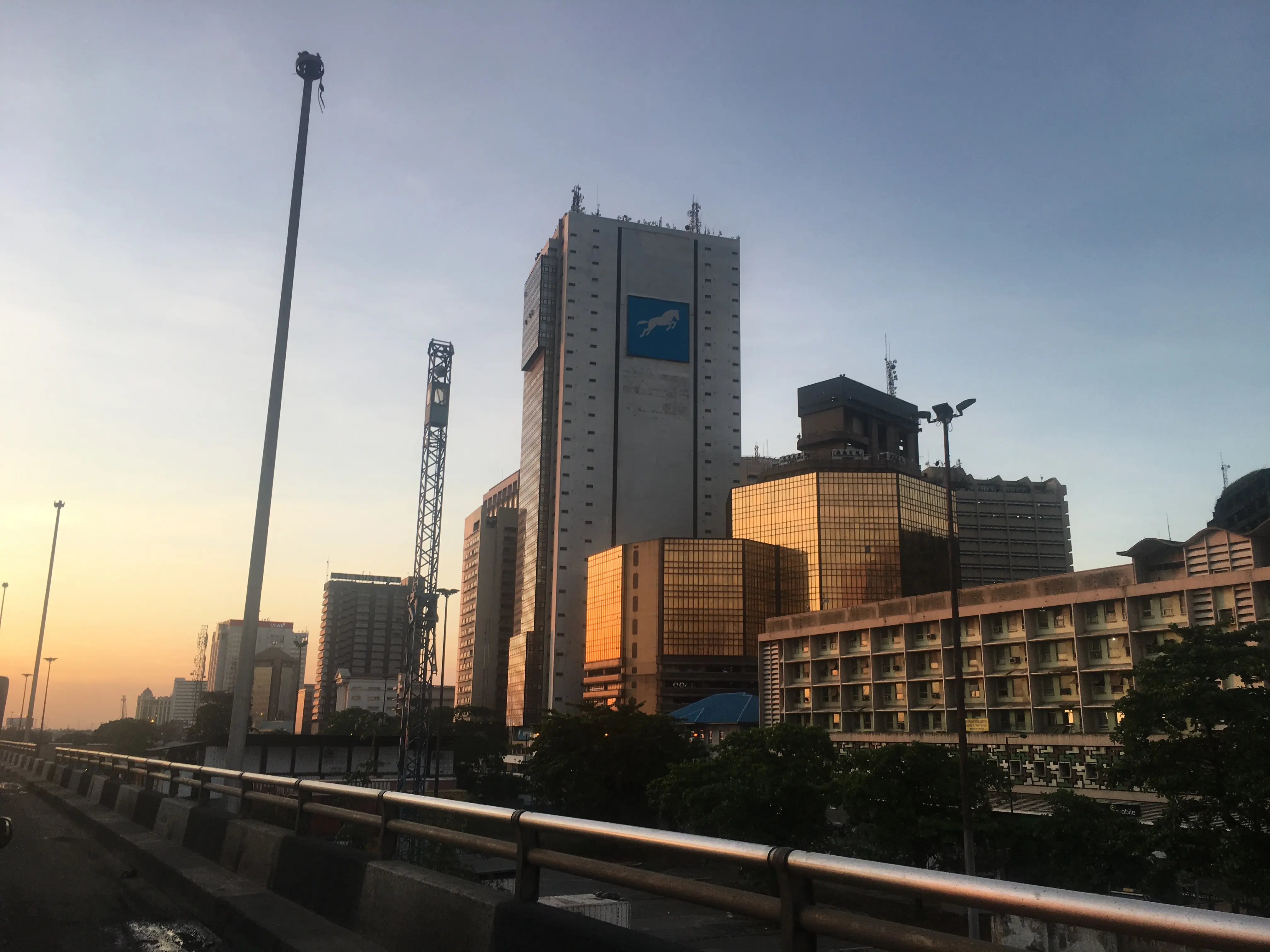
The city itself (Lagos proper and the island zones of Victoria Island, Ikoyi, and Lekki) lies 12–20 km away and requires organized transport. Expect heavy traffic, informal street commerce, and a stark contrast between ultra-modern high-rise districts and congested urban sprawl. This is a real African city, not a tourist resort.
Lagos is best suited for cruisers who are comfortable with independent urban exploration, are boarding or disembarking, or have 8+ hours and a pre-booked driver or hotel. Half-day visits are tight and require clear planning. A standard 8-hour port day can work if you focus on one area (Lekki or Victoria Island) and use reliable transport.
Is It Safe?
Lagos has a reputation for theft, robbery, and petty crime, especially in crowded areas and at night. Your port experience depends heavily on how you move and where you go. The terminal itself is secure and patrolled; immediately outside are informal taxi stands and street hustlers—stay alert but not paranoid. Victoria Island, Ikoyi, and Lekki (the main business and residential islands) are safer and better-lit; stick to these zones if possible.
Key rules: Do not wander alone at night. Keep bags zipped and phones out of sight. Avoid displaying cash, cameras, or jewelry. Use official or ride-hailing taxis rather than flagging down random cabs. Travel in pairs or small groups when possible. Trust your instincts; if a situation feels unsafe, leave. Most cruisers who stay on main streets, use reliable transport, and avoid late-night adventures return without incident.
The port authority and local police maintain presence, but response times are slow. Your best safety tool is planning ahead: book a hotel car service, use Uber/Bolt with known drivers, or join a formal cruise-line excursion if offered.
Accessibility & Walkability
The cruise terminal itself has basic facilities, but Lagos is not wheelchair-friendly overall. Sidewalks are uneven, crowded, and often broken. Most taxis are regular sedans without wheelchair lifts; ride-hailing apps (Uber, Bolt) have some accessible vehicles but availability is limited. Hotels and shopping malls on Victoria Island and Lekki have better accessibility than older street-level shops.
If you have mobility issues, arrange a private car with a hotel concierge beforehand, confirm wheelchair access, and stick to modern mall-based activities (shopping, dining) rather than streets or outdoor sites. Bathroom facilities at Lekki Conservation Centre are basic but present. Always call ahead to confirm accessibility at any venue.
Outside the Terminal
Stepping out of the cruise terminal, you immediately see a bustling, chaotic industrial port zone: shipping containers, cargo machinery, and informal vendors hawking phone cards, snacks, and trinkets. Taxi drivers and transport touts will approach aggressively, calling out destinations and negotiating fares. The air smells of diesel and salt. It is loud, crowded, and nothing like a typical cruise port—expect stares and curiosity about cruise passengers.
Within 100 meters are money changers, small shops, and food stalls. Security guards monitor the immediate terminal area. Beyond that is a mix of warehouses, residential shacks, and busy streets. Do not linger; have a plan (taxi negotiated, ride-hailing app open, or hotel car waiting) before exiting. The feeling is raw and authentic but requires confidence and street awareness.
Beaches Near the Port
Lekki Beach
Long, sandy, and the most visited beach in Lagos. Lifeguards present, beach bars and restaurants nearby. Busy on weekends. Relatively clean and safe if you stay in designated areas.
Ikoyi Beach
Smaller and quieter than Lekki; more local feel. Less commercial infrastructure. Good if you want fewer crowds and a chance to see Lagos residents at leisure.
Local Food & Drink
Lagos's food scene is vibrant and affordable if you know where to go. Street food (meat pies, roasted corn, bean cakes) costs ₦500–₦2,000 (~$1–$4). Mid-range restaurants serving Nigerian classics (jollof rice, pepper soup, egusi soup, grilled fish) run ₦5,000–₦10,000 (~$10–$20) per meal. Upscale restaurants on Victoria Island and Lekki charge ₦15,000–₦40,000+ (~$30–$80+) and rival international standards.
Best bets for cruisers: eat at a hotel restaurant (safer, English-speaking staff) or a mall food court. Try jollof rice, suya (spiced grilled meat), and fresh fruit smoothies. Tap water is not safe; drink bottled water or filtered drinks. Street food is delicious but carries higher food-poisoning risk for travelers unaccustomed to Lagos's microbial landscape—eat at reputable stalls or avoid if you have a sensitive stomach.
Shopping
Lagos offers excellent local crafts, textiles, and artwork at reasonable prices compared to Western countries. Lekki Market (Thursday) is the epicenter for antiques, fabrics, beads, and traditional crafts; prices require bargaining. Lekki Phase 1 malls stock modern Nigerian fashion, jewelry, and souvenirs in air-conditioned comfort. Victoria Island has boutique shops and galleries showcasing Nigerian designers.
Bargaining is expected at markets and informal shops; malls have fixed prices. Quality can vary—inspect items carefully, especially leather goods and electronics. Avoid buying endangered animal products (ivory, shells, protected skins). Shipping back home is possible but slow and costly. Best souvenirs: textiles (Ankara/adire), wood carvings, beaded items, and local art from galleries. Plan 2–3 hours minimum for serious shopping.
Money & Currency
- Currency
- Nigerian Naira (₦)
- USD Accepted?
- No
- Card Payments
- Major credit cards accepted at upscale restaurants, malls, and hotels on Victoria Island and Lekki. Many street vendors, markets, and smaller shops are cash-only. ATMs present at malls and main streets but not at the port terminal itself.
- ATMs
- ATMs available at shopping malls, major hotels, and street corners in Victoria Island, Ikoyi, and Lekki. Machines from major banks (GTBank, FirstBank, etc.) are most reliable. Withdraw naira before arriving at the port if possible.
- Tipping
- Tipping is not mandatory but appreciated. 10% at restaurants with table service, small change for taxi drivers and porters (₦200–₦500 / ~$0.50–$1).
- Notes
- Exchange rates fluctuate; check current rates before arrival. Money changers operate inside the terminal and on street corners but may offer poor rates. ATM withdrawals typically offer better rates than changers. Carry smaller bills for street transactions; vendors may not have change for large naira notes.
Weather & Best Time
- Best months
- November to February
- Avoid
- June to October (heavy rains, flooding)
- Temperature
- 75–85°F (24–29°C), high humidity year-round
- Notes
- Lagos is tropical and humid all year. Dry season (Nov–Feb) is more comfortable and has less rain. Rainy season (Jun–Oct) brings afternoon downpours and flooding in some areas. Cruise season typically Nov–Feb. Always carry light, breathable clothing, a hat, and sunscreen. Light rain jacket useful during shoulder months.
Airport Information
- Airport
- Murtala Muhammed International Airport (LOS)
- Distance
- 20–25 km
- Getting there
- Taxi (negotiate ~₦8,000–₦15,000 / $16–$30), ride-hailing (Uber/Bolt ~₦8,000–₦12,000 / $16–$24), or pre-booked hotel car. Traffic heavy; allow 45–90 min depending on time of day.
- Notes
- Airport is chaotic and requires patience. Arrange transport in advance if possible. Clear immigration and customs early to avoid delays.
Getting Around from the Port
Taxi (negotiated)
Unofficial white and yellow taxis are abundant outside the terminal. Negotiate fare before boarding. Drivers often don't use meters; ask locals or your hotel for typical rates.
Book a transfer 5% off with code TPO5 at checkoutRide-hailing (Uber, Bolt)
Uber and Bolt operate in Lagos with app-based pricing. More reliable and transparent than street taxis.
Check Uber farePre-booked private driver or hotel car service
Arrange 4–8 hours with a hotel concierge or tour operator before arrival. Driver waits at port; you set itinerary.
Book a transfer 5% off with code TPO5 at checkoutMinibus (danfo) or shared taxi
Cheap local minibuses run fixed routes. Highly informal; routes not marked. Adventure travel only.
Book a transfer 5% off with code TPO5 at checkoutDetails last checked September 2026
Planning a cruise here?
Viking Ocean Cruises sail to Lagos.
Practical Tips for Cruise Passengers
- Book a private driver or pre-arrange hotel transport before arrival; it's cheaper than last-minute taxis and far less stressful than negotiating on the fly.
- Download Uber and Bolt apps and have a local SIM or WiFi ready; ride-hailing is more reliable and safer than street taxis, especially for first-time visitors.
- Bring cash (US dollars and/or Nigerian Naira); ATMs exist but are not reliable near the port, and exchanging money on the street is risky.
- Keep your port day short and geographically focused (e.g., Lekki only, or Victoria Island and lunch); trying to cover multiple areas in 8 hours wastes time in traffic.
- Stay aware of the time; Lagos traffic peaks 7–10 am and 4–7 pm, turning a 20-minute drive into an hour—plan your return to the ship accordingly.
Frequently Asked Questions
Safe enough if you stay on main streets (Victoria Island, Lekki), use reliable transport (Uber, pre-booked drivers, or ride-hailing), and avoid carrying valuables or walking alone at night. Petty theft is common; stay alert but don't be paralyzed by fear. Most cruisers have trouble-free port days.
Minimum 4–5 hours if you want a meaningful experience; 8+ hours is better to avoid stress with traffic and logistics. Fewer than 4 hours means staying very close to the port (Lekki Conservation Centre or a waterfront lunch only).
Not always; Lagos is a working port with limited formal cruise infrastructure. Check with your cruise line directly. If not offered, book a private driver or use ride-hailing apps instead.
Find cruises to Lagos, Nigeria
Compare sailings and book with no fees — best price guaranteed.
We may earn a commission when you book through our links, at no extra cost to you — it’s how we keep these guides free.
✉ Sailing to Lagos? Get your port-day plan
Tell us your sail date and we’ll email you a short Lagos plan about 60 days out — when the good excursions start selling out — plus a final checklist 2 weeks before. Two emails, then done. We’ll send one note to confirm it’s really you — unsubscribe anytime.