


Asia
Asia
Lhasa Cruise Port Guide: Getting Around & What to Know
China
Choose the Right Port Day
Best Overall
Full-day guided tour of Potala Palace, Jokhang Temple, and Barkhor Street (typically 6–8 hours, $120–180 USD). Guides handle logistics and altitude briefing; worth the cost for first-timers.
Best Beach
Not applicable; Lhasa is high-altitude plateau city, 1,200+ miles from any ocean.
With Kids
Potala Palace exterior + Barkhor Street pilgrimage circuit; visually stunning and manageable for ages 8+. Avoid if anyone shows altitude sickness signs.
Only 3-4 Hours
Skip independent walking. Book the ship's organized Jokhang Temple + Barkhor Street circuit (usually 3–4 hours, includes guide and altitude acclimatization). Cost typically $100–150 USD.
Cheapest Option
Walk Barkhor Street around Jokhang Temple independently ($0 entry if observing from outside; $5–10 for temple entry if permitted). Taxi to Potala Palace viewpoint ~$3–5 USD. Total: under $15 USD, but requires acclimatization.
What To Avoid
Do not plan strenuous independent walking on arrival day. Altitude sickness is real and unpredictable; rushing the city on a 4-hour port call risks headache, nausea, or worse. Skip the Sera Monastery or Drepung Monastery unless you have 8+ hours and acclimatize overnight first.
Quick Take
- Port Type
- River embarkation/disembarkation port; gateway to Tibetan high-altitude culture.
- Best For
- River cruise passengers starting or ending a Yangtze itinerary; cultural heritage seekers comfortable with altitude.
- Avoid If
- You have serious altitude sensitivity, mobility challenges, or expect beach/resort amenities.
- Walkability
- City center is walkable once acclimatized, but elevation (11,975 ft) makes even short walks strenuous on arrival.
- Budget Fit
- Mid to high budget; shore excursions typically $80–200 USD. Independent exploration cheaper but requires acclimatization time.
- Good For Short Calls?
- Tight but feasible; best used for embarkation-day arrival or final-day exploration, not rushed port-day tourism.
Top Things To Do
1
Private Guided Day Tour Potala Palace and Sera Monastery
This is a short and simple trip that takes you through the best part of the holy city Lhasa by appreciating its prominent historical architects of…
8hFree cancellation
2
8 Days overview Lhasa to Shigatse via Gyangtse,
Day 1 ,Pick up and acclimitization for Altitude. DAY3, Lhasa sight seeing , Potala palace+Jokang temple, Bakor bazzar. Day 4, Drepung monastery+Sera monastery. Day5 , Lhasa…
24hFree cancellation
Our picks in Lhasa
3
Potala Palace and city views
The iconic 17-story white and gold palace dominates Lhasa's skyline. Visit the exterior and main courtyards (interior requires 2–3 hours and many stairs). The climb to the viewing platform offers 360° city views. Powerful symbol of Tibetan Buddhism and royal heritage.
4
Jokhang Temple and Barkhor Street pilgrimage circuit
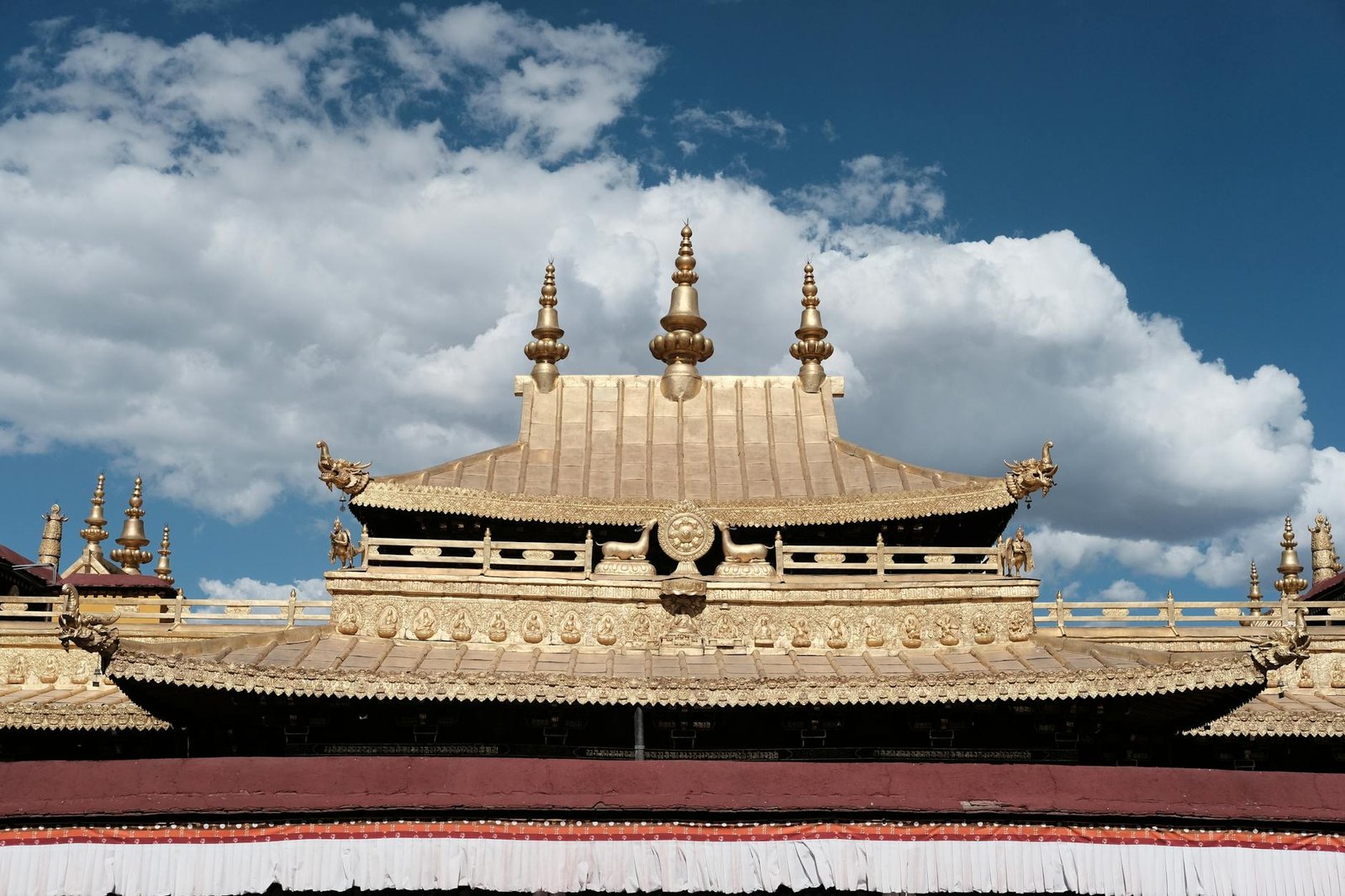
Tibet's most sacred temple (in the heart of old Lhasa) draws pilgrims daily. Barkhor is the pilgrimage walking circuit around the temple; locals circumambulate while chanting. Highly atmospheric, authentic Tibetan Buddhist experience. Temple interior requires modest fees; circuit is free.
5
Tibet Museum (central Lhasa)
Mandarin and English exhibits on Tibetan history, art, religion, and culture. Honest, well-curated, less crowded than temples. Useful context for understanding what you see on the streets.
Book with the ship, or on your own?
Booking independently
- Often noticeably cheaper than the ship’s version of the same tour.
- Smaller groups and local operators, with traveler reviews you can read before you pay.
- Free cancellation on most tours, usually up to 24 hours before.
When the ship’s excursion makes sense
- Short port calls or long transfers where the timing is tight.
- Tender-only stops where getting ashore can run late.
- The ship waits for its own delayed excursions — it won’t wait for independent ones, so leave a buffer before all-aboard.
Going independent? Compare tours in Lhasa → — the best-reviewed ones sell out first.
We may earn a commission when you book through our links, at no extra cost to you — it’s how we keep these guides free.
Check The Port Traffic
Cruise Ships in Port
Once you have your shore plan, use the schedule to see how busy the harbour will be on your date, plus the ships, lines, and published call windows.
Sun
Mon
Tue
Wed
Thu
Fri
Sat
1
2
3
4
5
6
7
8
9
10
11
12
13
14
15
16
17
18
19
20
21
22
23
24
25
26
27
28
29
30
31
Quiet (1–2)
Busy (3–4)
Packed (5+)
0 scheduled calls
October 17, 2026
No scheduled cruise ship calls were found for this date selection. Pick a highlighted day on the calendar above, widen the range, or search for a different ship or line.
Port Overview
Lhasa (elevation 11,975 ft) is the embarkation or final stop for Uniworld and Tauck Yangtze River cruises. Ships dock at Lhasa port (also called Gonggar) about 40 miles southeast of the city; most cruisers are shuttled by coach to central Lhasa for organized excursions or overnight stays before/after the cruise. Independent shore time is possible but limited by transport logistics and altitude. The city blends Tibetan Buddhism, Han Chinese development, and high-altitude geography—visually striking and culturally significant, but not a casual stroll-around port. Most cruisers use Lhasa as a gateway (pre-cruise overnight stays or post-cruise city tours), not a day-excursion port.
Is It Safe?
Lhasa is generally safe for tourists; petty theft is rare, violent crime very uncommon. Political sensitivities around Tibetan autonomy mean avoid discussions of politics, independence, or the 2008 unrest. Police presence is visible but not aggressive toward tourists. Altitude sickness is the primary health risk—not a safety issue but a real medical concern. Take it seriously: drink water, avoid alcohol, move slowly on arrival day. If headache or nausea develops, rest and inform your guide immediately. Air quality can be hazy; those with respiratory conditions should check forecasts. Solo female travelers report feeling safe in Lhasa, especially in the Barkhor circuit during daylight.
Accessibility & Walkability
Lhasa's old town (around Jokhang Temple) has uneven, narrow streets with steep sections—poor for wheelchair users or those with limited mobility. Potala Palace has stairs and steep approaches; not wheelchair accessible. New parts of Lhasa (east of Barkhor) are flatter and more modern. Altitude is the limiting factor for most; even fit travelers slow down. If mobility is a concern, book a private guided tour with a sedan (vs. group coach) and focus on Barkhor Street and Jokhang Temple exterior; skip Potala's interior.
Outside the Terminal
Lhasa dock is modern but remote—a standalone port facility 40 miles from the city with minimal services (small café, restrooms, basic souvenir stalls). Coach tour passengers board shuttles immediately upon disembarkation; independent travelers face a 60–90 minute taxi ride to reach central Lhasa. The dock area itself is unremarkable: fences, parking, few pedestrians. Do not expect to walk anywhere useful from the terminal. All meaningful exploration requires transport to central Lhasa.
Local Food & Drink
Lhasa's food scene mixes Tibetan, Han Chinese, and Sichuan flavors. Tibetan staples include momos (dumplings), thukpa (noodle soup), and tsampa (roasted barley). Many restaurants near Jokhang Temple and Barkhor Street cater to tourists and serve both traditional and Western food. Quality varies; hygiene is generally acceptable in tourist-area establishments. Street food (noodles, fried bread) is cheap ($1–3 USD) but carries altitude/digestion risk for newcomers. Alcohol (Tibetan butter tea, local beer) is available, but avoid heavy drinking at altitude—dehydration risk. Coffee shops targeting tourists (especially near Barkhor) serve mediocre espresso; Chinese tea is better.
Shopping
Barkhor Street is the main shopping zone: prayer flags, mala beads, incense, thangka paintings (traditional religious art), and Tibetan jewelry. Quality and authenticity vary widely; haggling expected. Fake antiques are common. Avoid buying endangered wildlife products (yak-bone carvings from endangered species, furs). Modern shops east of Barkhor (Lhasa department stores) sell Chinese brands and electronics at prices comparable to mainland China. Duty-free purchases at airport are limited. Best buys: prayer flags, incense, small thangkas, locally made silver jewelry—all affordable ($5–50 USD).
Money & Currency
- Currency
- Chinese Yuan (CNY); 1 USD ≈ 7–7.5 CNY (varies)
- USD Accepted?
- No
- Card Payments
- Major credit cards accepted in hotels, restaurants, and shops in central Lhasa; ATMs common near Barkhor Street and main business areas
- ATMs
- Multiple ATMs in central Lhasa (Bank of China, Agricultural Bank) dispense CNY; withdraw cash at dock or in Lhasa
- Tipping
- Not customary in China; round up or add 5–10% for good service in tourist restaurants if you choose
- Notes
- Bring a mix of cash and cards; dock ATMs may be limited or unreliable. Notify your bank of China travel. Mobile payment (Alipay, WeChat Pay) is ubiquitous but difficult for foreigners to set up on arrival. Expect to use cash or cards at most tourist-facing businesses.
Weather & Best Time
- Best months
- May–June, September–October: cool, clear, low rain, manageable altitude
- Avoid
- December–February (freezing, low oxygen), July–August (sudden rainstorms, landslide risk on roads)
- Temperature
- Spring/fall cruises (May–June, Sept–Oct) see 45–65°F (7–18°C) daytime; nights near freezing. Summer cruises (July–Aug) 55–70°F (13–21°C) but rain common.
- Notes
- Altitude cold is deceptive; layer clothing. UV intensity is extreme at 11,975 ft—sunscreen essential even on cloudy days. Spring dust storms are possible. Book altitude acclimatization time if arriving by air same day as cruise.
Airport Information
- Airport
- Lhasa Gonggar Airport
- Distance
- ~30 miles (same direction as dock); 50–70 minutes by car from city center
- Getting there
- Airport shuttle buses, taxis (shared or private), or ride-hailing (Didi app). Ship sometimes arranges pre-cruise airport transfers; inquire when booking.
- Notes
- Some cruisers fly into Lhasa 1–2 days before embarkation to acclimatize. If arriving same-day, rest at your hotel before boarding ship. Airport is modern but isolated; expect 90 min + transport from arrival to central Lhasa.
Getting Around from the Port
Ship-organized shuttle coach
Most Uniworld and Tauck passengers book included or optional shore excursions via the ship. Coach transport from dock to central Lhasa (Jokhang Temple area) takes 60–90 minutes. Guide included.
Book a transfer 5% off with code TPO5 at checkoutTaxi from dock or city center
Chinese taxis and ride-hailing (Didi app) available. Negotiate fares in advance at the dock or use Didi. Metered taxis rare but possible.
Book a transfer 5% off with code TPO5 at checkoutWalking (Barkhor Street circuit)
Jokhang Temple and Barkhor Street (pilgrimage circuit) are walkable once in central Lhasa. Roughly 1 km loop, but elevation makes it slow.
Details last checked April 2026
Planning a cruise here?
Uniworld, Tauck sail to Lhasa.
Practical Tips for Cruise Passengers
- Arrive 2–3 days early if flying from sea level; altitude sickness on day one ruins port time. Spend nights in Lhasa hotel, take it easy, hydrate, and ascend the Potala Palace tour on day 2.
- Book all shore excursions in advance through the ship; independent logistics from the dock are complex and time-consuming. The dock-to-Lhasa shuttle is worth the cost.
- Bring a strong sunscreen (SPF 50+), a refillable water bottle, and a light puffy jacket; elevation makes weather unpredictable and sun intense.
- If you have any altitude sickness symptoms (headache, dizziness, nausea) on arrival, inform your guide and rest before climbing stairs. Descent to lower elevation is the only cure.
Frequently Asked Questions
Yes, strongly recommended. If arriving by air same day, rest at least 4–6 hours in your hotel before any excursion. Altitude sickness can strike suddenly. Many cruisers book 1–2 nights in Lhasa before the ship departs to allow safe acclimatization.
Yes, but rushed. A full-day guided tour (8 hours) covers both, plus Barkhor Street and rest stops. Half-day tours focus on one site. Best plan: Jokhang + Barkhor (3–4 hours) on one day, Potala (3–4 hours) on another if you have pre-cruise time.
Yes. About 30–50% of sea-level visitors experience mild symptoms (headache, fatigue) on arrival; 10% get severe sickness. Descent to lower elevation is the only cure. Drink water, avoid alcohol, move slowly, and inform your guide if symptoms appear.
Find cruises to Lhasa, China
Compare sailings and book with no fees — best price guaranteed.
We may earn a commission when you book through our links, at no extra cost to you — it’s how we keep these guides free.
✉ Sailing to Lhasa? Get your port-day plan
Tell us your sail date and we’ll email you a short Lhasa plan about 60 days out — when the good excursions start selling out — plus a final checklist 2 weeks before. Two emails, then done. We’ll send one note to confirm it’s really you — unsubscribe anytime.
Asia
View All


