
Australia & Pacific
Asia
Manokwari Cruise Port Guide: Things to Do & Practical Tips
Indonesia
Choose the Right Port Day
Best Overall
Arrange a half-day local taxi tour (driver + guide) to see the waterfront, central market, and a nearby village or natural site; book through the ship or a reliable local operator.
Best Beach
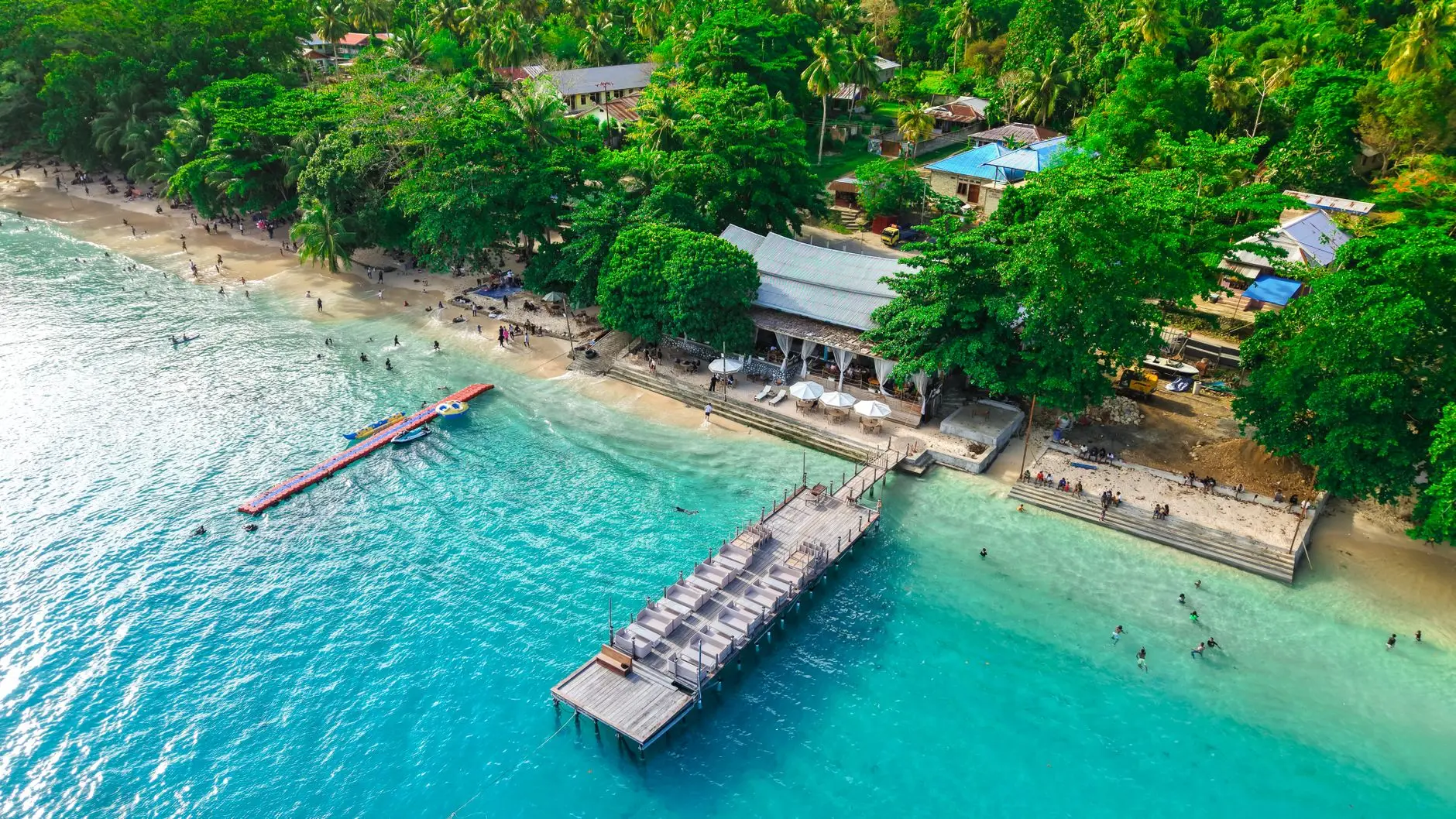
Pasir Putih Beach is the closest accessible option (~8 km south), best for a quick swim and rest; arrange a taxi round-trip.
With Kids
Walk the waterfront, visit a local warung for lunch, and let kids explore the small central market stalls. Avoid solo longer excursions.
Only 3-4 Hours
Head to the waterfront for a walk, grab coffee or local food at a warung, and browse the small central market. Skip organized tours unless you book ahead.
Cheapest Option
Walk the town center, eat at local warungs ($2–5 USD per meal), explore the market, and use taxis only if venturing beyond downtown.
What To Avoid
Overpriced organized shore excursions from the ship; independent exploration beyond the immediate city without a driver is not recommended due to limited signage and unreliable transport.
Quick Take
- Port Type
- Small Regional Port
- Best For
- Embarkation point, short regional transitions, low-key local exploration
- Avoid If
- You want bustling markets, extensive nightlife, or multiple full-day activities
- Walkability
- Very limited; downtown is compact but infrastructure is basic and taxis are essential
- Budget Fit
- Low cost for activities and food; transport and tours variable
- Good For Short Calls?
- Yes, adequate for 4–6 hours ashore
Top Things To Do
1
Waterfront Walk & Market Exploration
Stroll the waterfront promenade, observe local fishing activity, and explore the modest central market (Pasar Manokwari). No entrance fee; a genuine, low-key slice of local life. Great for photos and casual cultural immersion.
2
Pasir Putih (White Sand) Beach
A simple, uncrowded beach ~8 km south of town with fine white sand and calm shallow water. No facilities; bring water and sun protection. Peaceful and rarely visited by tourists.
3
Local Village Visit & Guided Tour
Arrange a half-day taxi tour with a local driver/guide to visit nearby villages (e.g., Arfak region) to observe traditional lifestyles, local crafts, and landscape. Genuine and low-key; often includes a meal or refreshments.
Book with the ship, or on your own?
Booking independently
- Often noticeably cheaper than the ship’s version of the same tour.
- Smaller groups and local operators, with traveler reviews you can read before you pay.
- Free cancellation on most tours, usually up to 24 hours before.
When the ship’s excursion makes sense
- Short port calls or long transfers where the timing is tight.
- Tender-only stops where getting ashore can run late.
- The ship waits for its own delayed excursions — it won’t wait for independent ones, so leave a buffer before all-aboard.
We may earn a commission when you book through our links, at no extra cost to you — it’s how we keep these guides free.
Check The Port Traffic
Cruise Ships in Port
Once you have your shore plan, use the schedule to see how busy the harbour will be on your date, plus the ships, lines, and published call windows.
Sun
Mon
Tue
Wed
Thu
Fri
Sat
1
2
3
4
5
6
7
8
9
10
11
12
13
14
15
16
17
18
19
20
21
22
23
24
25
26
27
28
29
30
31
Quiet (1–2)
Busy (3–4)
Packed (5+)
0 scheduled calls
October 11, 2026
No scheduled cruise ship calls were found for this date selection. Pick a highlighted day on the calendar above, widen the range, or search for a different ship or line.
Port Overview
Manokwari is a small, sleepy port on the northern coast of Indonesia's West Papua region, serving primarily as a transit and embarkation point for expedition-style cruises. Ships dock at a modest pier in a town of roughly 50,000 residents with limited tourist infrastructure and no major attractions that justify a full day ashore.
The port is fundamentally local and low-key. The waterfront is pleasant but underdeveloped, the central market is modest, and organized activities are sparse. For Seabourn cruisers accustomed to more developed ports, Manokwari is best treated as a logistical hub—useful for embarkation, embarkation preparations, or a brief cultural snapshot—rather than a destination in its own right.
If you go ashore, plan conservatively: a waterfront walk, local food, and a short taxi excursion to a nearby village or beach. Avoid expectations of organized nightlife, shopping, or multiple attractions.
Is It Safe?
Manokwari is generally safe for tourists in the daytime, especially in and around the waterfront and central market. Petty theft and bag-snatching are possible in crowded areas, so keep valuables secure and avoid displaying expensive jewelry or cameras openly.
After dark, avoid walking alone beyond the main commercial streets. If venturing outside the downtown area (e.g., to a village or beach), go with a hired driver or official guide, not alone. The surrounding region is stable, but infrastructure and emergency services are basic, so stay close to the port and established routes.
Bridge-and-tunnel syndrome is rare but real: do not wander into residential areas or industrial areas beyond the main city without a local or guide. Use common sense, stay aware, and defer to crew advice about off-limits areas.
Accessibility & Walkability
Manokwari is not wheelchair-friendly. Sidewalks are uneven, curb cuts are absent or broken, and public buildings have limited accessible facilities. The pier itself may be accessible depending on the ship's gangway, but movement beyond the immediate terminal is difficult for mobility-impaired travelers.
If you have mobility challenges, stay within the pier area and immediate waterfront, or arrange a private car and guide with advance notice through the ship. Do not count on the city to accommodate wheelchairs or walkers.
Outside the Terminal
Exiting the pier, you will encounter a modest terminal building, a small plaza, and a few informal stalls selling drinks and snacks. Taxis and informal transport queue nearby. The waterfront is directly accessible from the pier—a short walk reveals a calm harbor, local fishing boats, and a few colonial-era buildings. The atmosphere is relaxed and decidedly non-touristy; you will see far more locals than cruise passengers. The air is warm and humid; the pace is slow.
Beaches Near the Port
Pasir Putih (White Sand Beach)
Simple, uncrowded beach with fine white sand and clear shallow water. Very basic facilities; peaceful atmosphere. A true local spot, not touristy.
Local Food & Drink
Local warungs (small family-run eateries) serve simple Indonesian fare: nasi goreng (fried rice), mie goreng (fried noodles), grilled fish, and satay, typically $2–5 USD per plate. The central market has food stalls offering similar fare and fresh fruit. Quality is good and food is freshly cooked, but hygiene standards vary; avoid anything left sitting long.
For a safer meal, eat at warung stalls with visible turnover and busy lunch crowds. Seafood is fresh given the port location. Do not expect Western cuisine or dietary accommodation; stick to basic rice, noodle, and grilled fish dishes.
Bring small USD bills; most small eateries do not accept cards. Bottled water is available everywhere (USD $0.50–1 per bottle).
Shopping
The central market (Pasar Manokwari) sells fresh produce, local handicrafts, and modest souvenirs—woven baskets, wooden carvings, shells, and local spices. Prices are very cheap. Tourist-focused shops are rare; expect authentic local goods, not curated souvenirs. A few small shops near the waterfront sell postcards and basic items. Do not expect duty-free or upscale retail; shopping is practical, not recreational.
Money & Currency
- Currency
- Indonesian Rupiah (IDR)
- USD Accepted?
- Yes
- Card Payments
- Limited; cards accepted at larger hotels and some restaurants in the city center, but not at market stalls, warungs, or small shops. Assume cash-only for most activities.
- ATMs
- ATMs exist in downtown Manokwari but are not guaranteed to work with all cards. Withdraw cash before the cruise or in a major city (e.g., Jakarta). Do not rely on ATMs as your only backup.
- Tipping
- Tipping is not expected but appreciated. Small amounts (5,000–10,000 IDR, ~USD $0.30–0.65) for guides or drivers are polite.
- Notes
- Bring USD cash as a backup; exchange rates at informal changers are better than at banks. Most cruisers exchange cash aboard the ship or in major ports before arriving.
Weather & Best Time
- Best months
- April to October (dry season)
- Avoid
- November to March (wet/monsoon season, frequent rain and high humidity)
- Temperature
- Warm year-round, 26–32°C (79–90°F); high humidity
- Notes
- Manokwari is tropical; bring light clothing, sunscreen, a light rain jacket, and insect repellent. No significant seasonal variation except rainfall. Seabourn typically calls during the drier months.
Airport Information
- Airport
- Rendani Airport (MKW)
- Distance
- ~20 km northeast of downtown Manokwari
- Getting there
- Taxi (arrange in advance or book through the ship), ~check current rates; no shuttle buses or public transport from airport to port.
- Notes
- Small regional airport with limited flight options. If using for embarkation/disembarkation, arrange transport through the cruise line or pre-book a private driver. Expect a 30–45 minute transfer depending on traffic.
Getting Around from the Port
Walking
Downtown Manokwari is compact and walkable (city center is ~500 m from the pier). Streets are generally safe during daylight, but sidewalks are basic and signage is minimal.
Taxi
Official blue taxis available from the pier. Negotiate fare in advance or use a ride-app (WhatsApp contact numbers from the terminal) if available. Drivers rarely speak English.
Book a transfer 5% off with code TPO5 at checkoutOrganized Tour / Guide
Book via the ship or a pre-arranged local operator. Tours typically include a driver and guide, covering the waterfront, market, and 1–2 village or natural stops.
Details last checked September 2026
Planning a cruise here?
Seabourn, Scenic Cruises sail to Manokwari.
Practical Tips for Cruise Passengers
- Book any half-day tour through the ship's concierge or a guide recommended by crew; independent operator quality is inconsistent.
- Bring USD cash (large bills easier than small) and ask your hotel or the ship's currency desk for a good exchange rate rather than relying on ATMs.
- Do not plan more than 2–3 activities; the port is small and transport is slow. Overcommitting leads to rushed, unsatisfying visits.
- Stay within the waterfront and downtown area for safety and ease; venturing far without a local guide or driver is not recommended.
Frequently Asked Questions
No. A half-day (4–6 hours) is realistic and sufficient. The port is small, attractions are basic, and transport is slow. Use a full day to relax aboard or arrange a pre-planned guided tour.
Yes, in daytime, within the downtown and waterfront areas. Avoid walking alone after dark or into residential areas. A local guide or hired driver is safer for longer excursions.
Walk the waterfront, visit the central market, and eat lunch at a local warung. If you have 4+ hours, add a taxi trip to Pasir Putih Beach or arrange a guided village tour.
Find cruises to Manokwari, Indonesia
Compare sailings and book with no fees — best price guaranteed.
We may earn a commission when you book through our links, at no extra cost to you — it’s how we keep these guides free.
✉ Sailing to Manokwari? Get your port-day plan
Tell us your sail date and we’ll email you a short Manokwari plan about 60 days out — when the good excursions start selling out — plus a final checklist 2 weeks before. Two emails, then done. We’ll send one note to confirm it’s really you — unsubscribe anytime.
Same itinerary network
View All
Ports Often Paired With Manokwari

Asia

Asia

Australia & Pacific
