
Mediterranean
Mediterranean
Melilla Cruise Port Guide: Things to Do & Practical Tips
Spain
Modern cruise terminal with direct pier access to city center.
Choose the Right Port Day
Best Overall
Spend 4–5 hours exploring the medina (architecture, narrow streets, local life), then visit the Spanish fortifications and walls. Grab a leisurely lunch before returning to the ship.
Best Beach
Not a beach port. A small municipal beach exists near the port, but it is underwhelming and not the reason to visit Melilla.
With Kids
Kids enjoy the medina streets, narrow alleys, and colorful buildings. The fortification walls have good views and are climbable in places. Keep visits short (2–3 hours) in heat.
Only 3-4 Hours
Walk the medina (old town) from the port, grab a coffee or tea in a local café, visit the Spanish fortifications on foot, and return. Total time: 3–4 hours.
Cheapest Option
Walk everything; free medina exploration. Buy lunch at a local café or street vendor (€3–6 USD per meal). Total: under $20 USD per person.
What To Avoid
Do not expect a beach resort atmosphere or typical Mediterranean leisure port. The 'beach' is minimal. Do not plan a full-day adventure to the Moroccan mainland; border crossing is slow and paperwork-heavy for cruise passengers.
Quick Take
- Port Type
- Historic small port; Spanish enclave in Morocco.
- Best For
- History buffs, architecture enthusiasts, cultural exploration. Half-day or full-day visits.
- Avoid If
- You need extensive beaches, nightlife, or resort amenities. Port is not a leisure destination.
- Walkability
- Excellent. Medina (old town) and fortifications are compact and pedestrian-friendly. Most key sites within 1–1.5 km of the dock.
- Budget Fit
- Budget-friendly. No entrance fees for medina streets, affordable local meals, cheap taxis.
- Good For Short Calls?
- Very good. 4–5 hours is enough for medina walk, fortifications visit, and local lunch.
Top Things To Do
Our picks in Melilla
1
Medina (Old Town) Walking Tour
Explore the heart of Melilla on foot: narrow streets, colonial architecture, small mosques, and local life. No organized tour needed; simply wander. The layout is compact and easy to navigate. Stop at local cafés for mint tea or Spanish café con leche. Observe the blend of Spanish and Moroccan cultures in street signs, shop names, and daily routines.
2
Spanish Fortifications & Walls
Melilla's perimeter is ringed by 17th- and 18th-century Spanish military fortifications. Walk or taxi to viewpoints along the walls for views of the coast, the border, and the medina. The walls are well-preserved and offer insight into the strategic importance of this enclave. Some sections are climbable; others are viewable from the street.
3
Local Lunch at a Medina Café or Street Vendor
Eat where locals eat. Café menus offer Spanish bocadillos (sandwiches), tagines, couscous, and Moroccan-Spanish fusion dishes. Prices are rock-bottom. Popular spots are scattered throughout the medina; ask a local or follow the smell of grilled meat and fresh bread.
Show 1 more thing to do in Melilla
4
Municipal Beach (Optional)
A small, modest beach exists near the city center, about 1 km from the port. It is functional but not scenic. Better as a quick cooling-off spot than a destination in itself. Only worthwhile if you have 5+ hours and want a break from walking.
Book with the ship, or on your own?
Booking independently
- Often noticeably cheaper than the ship’s version of the same tour.
- Smaller groups and local operators, with traveler reviews you can read before you pay.
- Free cancellation on most tours, usually up to 24 hours before.
When the ship’s excursion makes sense
- Short port calls or long transfers where the timing is tight.
- Tender-only stops where getting ashore can run late.
- The ship waits for its own delayed excursions — it won’t wait for independent ones, so leave a buffer before all-aboard.
Going independent? Compare tours in Melilla → — the best-reviewed ones sell out first.
We may earn a commission when you book through our links, at no extra cost to you — it’s how we keep these guides free.
Check The Port Traffic
Cruise Ships in Port
Once you have your shore plan, use the schedule to see how busy the harbour will be on your date, plus the ships, lines, and published call windows.
Sun
Mon
Tue
Wed
Thu
Fri
Sat
1
2
3
4
5
6
7
8
9
1 ship
10
11
12
13
14
15
16
17
18
19
20
21
22
23
24
25
26
27
28
29
30
31
Quiet (1–2)
Busy (3–4)
Packed (5+)
0 scheduled calls
October 19, 2026
No scheduled cruise ship calls were found for this date selection. Pick a highlighted day on the calendar above, widen the range, or search for a different ship or line.
Port Overview
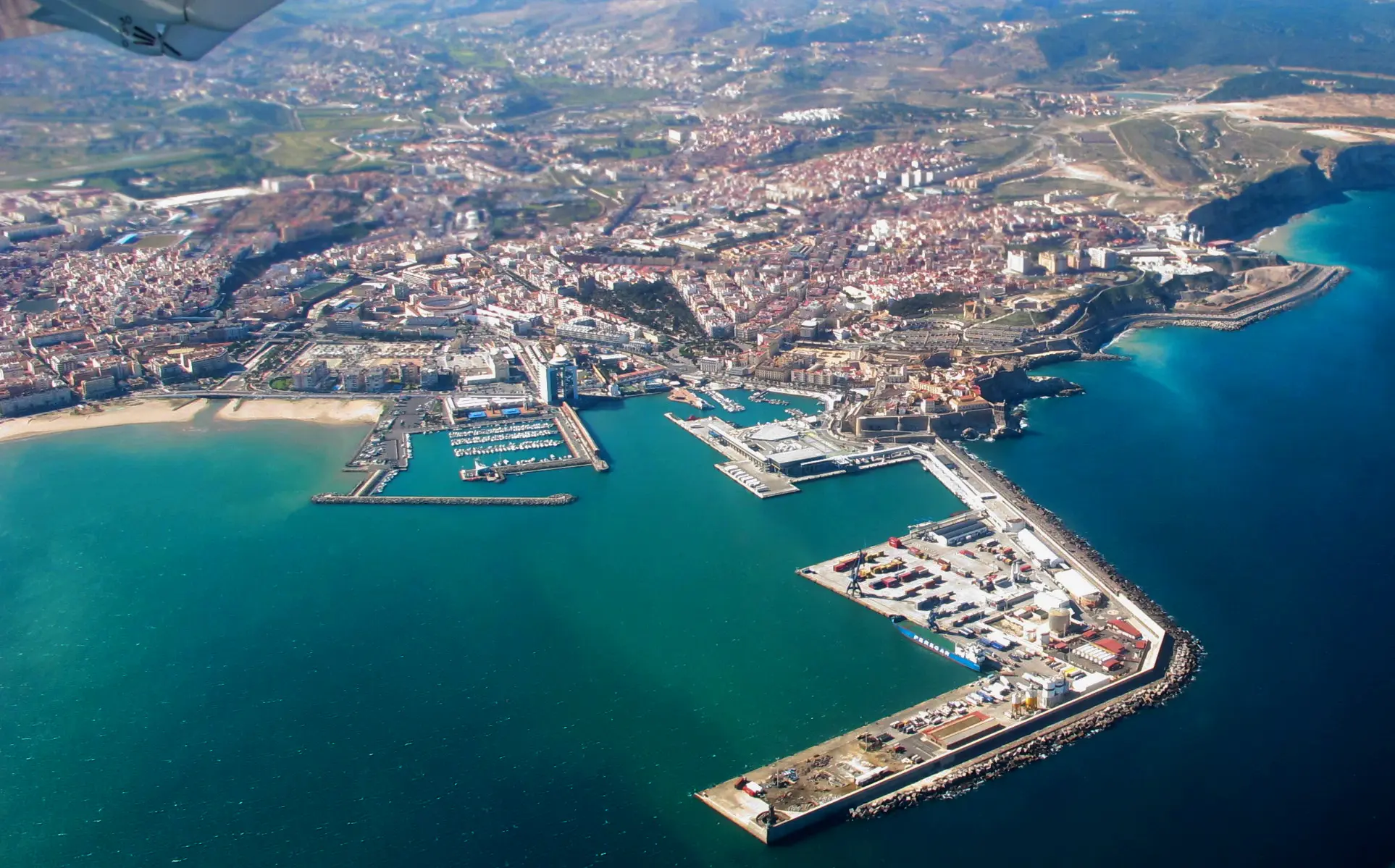
Melilla is a Spanish enclave on the Moroccan coast, home to roughly 85,000 residents. Ships dock at a main pier very close to the old town. The port's main appeal is its unique hybrid character: Spanish colonial architecture, history, and fortifications overlaid on North African geography. The medina (old town) is compact, walkable, and filled with narrow streets, Spanish buildings, and local cafés.
This is a port for culture and history, not leisure. There are no major beaches, shopping malls, or resort-style attractions. Most cruisers spend 3–6 hours ashore exploring on foot. The town is safe, affordable, and genuinely interesting if you like architecture, urban exploration, and off-the-beaten-path Mediterranean history.
Is It Safe?
Melilla is one of the safest ports in the Mediterranean. Petty theft is rare; violent crime is not a concern for tourists in central areas. The medina and fortifications are well-populated and patrolled. Stay in main streets and avoid wandering far from the port after dark, though early evening is generally fine.
The Moroccan border crossing (about 2 km south) is controlled and secure but involves paperwork and queues. Cruise passengers are advised not to attempt same-day border crossings due to time constraints and document requirements.
Accessibility & Walkability
The medina features narrow, uneven cobblestone streets that can be challenging for wheelchairs or limited mobility. However, the main route from the port through the medina to the central plaza is relatively flat and walkable. The fortifications have some stairs but offer alternate routes. The port terminal itself is modern and accessible. Recommend planning short walks and avoiding peak heat hours (noon–3 pm).
Outside the Terminal
You exit directly into a modern port area with taxis, a few souvenir stalls, and clear signage toward the medina (old town). The entry to the medina is about 5 minutes' walk uphill. Streets are lively, colorful, and unmistakably Spanish-colonial in character. You will see laundry hanging between buildings, local cafés with men playing dominoes, and call to prayer echoing from mosques. It feels genuinely lived-in, not sanitized for tourists.
Beaches Near the Port
Municipal Beach (Playa de Melilla)
Small, urban beach with basic amenities (lifeguards, showers). Sand is decent, water is Mediterranean. Not Mediterranean gem; functional and crowd-free. Better suited to quick dips than lounging.
Local Food & Drink
Melilla's food scene blends Spanish and Moroccan traditions at rock-bottom prices. Medina cafés serve mint tea, Spanish café con leche, bocadillos, and simple couscous. Street vendors offer fresh bread, grilled meat, and kebabs. Seafood is available near the port. You will not find fancy restaurants or tourist traps; instead, you get authentic, cheap, and tasty local eating. A full meal (café + lunch) costs $5–10 USD per person. Tap water is safe; alcohol is available but less visible in the medina due to the Muslim majority.
Shopping
Shopping is low-key and not a draw. Small souvenir stalls near the port sell generic items (postcards, keychains). The medina has local shops selling fabrics, spices, and household goods, but not tourist-specific retail. Do not expect boutiques or malls. A few Spanish-chain stores exist but are not worth a visit. Shopping is genuinely not a reason to visit Melilla.
Money & Currency
- Currency
- Euro (EUR)
- USD Accepted?
- No
- Card Payments
- Cards accepted at most shops and cafés, but cash (euros) is preferred in small medina eateries. ATMs are abundant near the port and medina.
- ATMs
- Multiple ATMs near the port terminal and throughout the medina. Easy cash withdrawal.
- Tipping
- Not expected but appreciated. 5–10% is generous for good service.
- Notes
- Melilla is Spanish territory, so euros only. No need to exchange currency if you have euros or a card.
Weather & Best Time
- Best months
- April–May, September–October. Mild, sunny, comfortable for walking.
- Avoid
- July–August (very hot, 85–95°F / 29–35°C); January–February (cool, occasional rain).
- Temperature
- Spring and fall: 60–75°F (15–24°C). Summer: 75–90°F (24–32°C). Winter: 50–60°F (10–15°C).
- Notes
- Melilla is windier than mainland Mediterranean ports. Bring a light jacket even in summer. Rain is rare but possible October–March.
Airport Information
- Airport
- Melilla Airport (MLN)
- Distance
- 10 km
- Getting there
- Taxi (€15–25 / $16–27 USD) or shuttle bus if available. Rental car (if planning multi-day visit). Most cruise passengers do not use the airport.
- Notes
- Airport is small and used mainly for domestic (Spanish) flights. Not relevant for cruise-port visits.
Getting Around from the Port
Walking
The medina and most historical sites are within 10–20 minutes on foot from the port terminal. Flat terrain, easy navigation.
Taxi
Abundant outside the terminal. Used mainly for longer trips or to reach the municipal beach, fortification viewpoints, or the Moroccan border. Drivers negotiate fares; some use meters.
Book a transfer 5% off with code TPO5 at checkoutRental car or organized shore excursion
Available but rarely needed for a half-day. Useful only if you plan a longer exploration or want to reach Moroccan interior.
Details last checked April 2026
Planning a cruise here?
Oceania Cruises, Seabourn, Regent Seven Seas Cruises & more sail to Melilla.
Practical Tips for Cruise Passengers
- Bring cash (euros) for small medina vendors and cafés; not all accept cards.
- Wear comfortable walking shoes; medina streets are uneven cobblestone and hilly.
- Go early or late to avoid midday heat (July–August); the medina has no shade.
- Do not attempt a same-day border crossing to Morocco; paperwork is slow for cruise passengers. Stick to Melilla itself.
- Ask locals for café recommendations or restaurant spots; signs are minimal and word-of-mouth is how you find good food.
Frequently Asked Questions
Technically yes, but not recommended for cruise passengers. Border crossing requires passport stamps, visas (sometimes), and queues can exceed 90 minutes. Your ship will not wait. Stay in Melilla.
A half-day (4–5 hours) is sufficient for the medina, fortifications, and lunch. A full day is overkill unless you want to relax at the beach or take a longer excursion. Most cruisers leave after 3–5 hours.
Yes, your cruise line likely offers guided medina walks or fortification tours. But you do not need them; walking on your own is cheaper and more flexible. Taxis are abundant and cheap if you need help.
Find cruises to Melilla, Spain
Compare sailings and book with no fees — best price guaranteed.
We may earn a commission when you book through our links, at no extra cost to you — it’s how we keep these guides free.
✉ Sailing to Melilla? Get your port-day plan
Tell us your sail date and we’ll email you a short Melilla plan about 60 days out — when the good excursions start selling out — plus a final checklist 2 weeks before. Two emails, then done. We’ll send one note to confirm it’s really you — unsubscribe anytime.
Same itinerary network
View All
Ports Often Paired With Melilla
Mediterranean

Mediterranean

Africa & Middle East
