
Northern Europe
Northern Europe
Nordaustlandet Cruise Port Guide: Arctic Exploration & Practical Tips
Norway
Ships anchor offshore; passengers tendered to zodiac landing sites on beaches or rocky shores.
Choose the Right Port Day
Best Overall
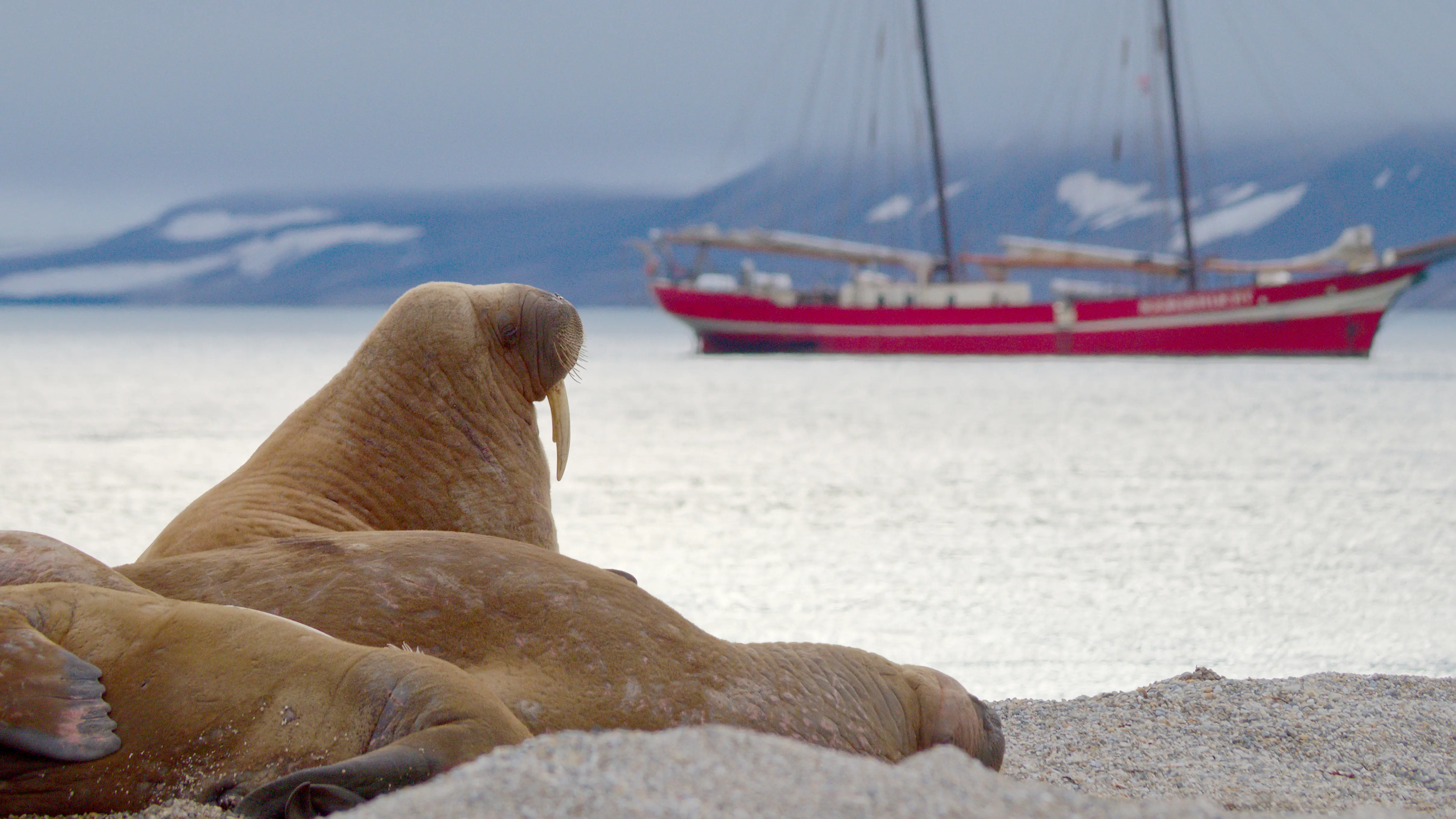
Zodiac wildlife tour focusing on polar bears, walrus, and Arctic seabirds—the reason most cruisers stop here.
Best Beach
Not relevant. Nordaustlandet has rocky/pebbly shores and ice; no beach swimming.
With Kids
Zodiac tour from ship (safest for young children); deck observation of wildlife and ice formations; no independent ashore activities recommended for families with very young kids.
Only 3-4 Hours
Single zodiac wildlife tour (walrus, polar bears, seals, birds) if weather permits; otherwise guided landing and short hike to observe ice geology.
Cheapest Option
Cost is bundled in cruise fare. Optional excursions (guided hikes, specialty photo tours) run $50–150 USD extra through ship.
What To Avoid
Expecting shops, restaurants, or autonomous exploration—there are none. Poor weather can cancel zodiac operations; have backup deck plans. Don't underestimate Arctic cold and wind; wear all issued gear even if uncomfortable.
Quick Take
- Port Type
- Expedition Polar Port
- Best For
- Wildlife and ice explorers; Arctic photography; passengers on small expedition vessels willing to zodiac daily.
- Avoid If
- You want nightlife, restaurants, shops, or independence ashore; limited mobility; seasickness prone.
- Walkability
- Not applicable—this is a remote island with no settlement. All exploration is zodiac-based or guided hiking from landing sites.
- Budget Fit
- Included in expedition package; no independent transport or commerce exists on the island.
- Good For Short Calls?
- Yes, but port calls are usually 1–2 days. Zodiac trips occur in windows dictated by weather and ice conditions.
Top Things To Do
1
Zodiac Wildlife Tour (Polar Bears, Walrus, Seals)
The core expedition activity. Guides navigate zodiacs along ice edges and into bays seeking polar bears, walrus haul-outs, ringed seals, and bearded seals. Tours may cover 20–50 km of coast depending on ice and animal locations. Binoculars and long lenses essential. Tours typically include polar bear safety briefing and rules (approach distance, photography etiquette).
2
Tundra Landing & Guided Walk
Zodiacs land on accessible beaches or rocky shores. Guides lead walks over tundra habitat, pointing out Arctic flora (dwarf willow, lichen, moss), geological features (glacial deposits, permafrost), and wildlife signs (footprints, scat). Walks are slow-paced and contemplative; no significant altitude gain but terrain is boggy and uneven.
3
Deck Observation & Photography from Ship
For passengers unable or unwilling to zodiac, the ship often remains in prime viewing areas (near ice floes or walrus colonies) while passengers observe from deck. Guides provide commentary; occasional wildlife sightings are possible without leaving the ship.
Show 1 more thing to do in Nordaustlandet
4
Ice Expedition & Glacial Geology Tour (Optional Premium)
Some ships offer specialist ice expeditions, sailing into ice-choked bays or approaching glacial fronts via zodiac. Glaciologist or geologist guide explains ice formation, calving events, Arctic hydrology, and climate change indicators. Often paired with photography sessions.
Book with the ship, or on your own?
Booking independently
- Often noticeably cheaper than the ship’s version of the same tour.
- Smaller groups and local operators, with traveler reviews you can read before you pay.
- Free cancellation on most tours, usually up to 24 hours before.
When the ship’s excursion makes sense
- Short port calls or long transfers where the timing is tight.
- Tender-only stops where getting ashore can run late.
- The ship waits for its own delayed excursions — it won’t wait for independent ones, so leave a buffer before all-aboard.
We may earn a commission when you book through our links, at no extra cost to you — it’s how we keep these guides free.
Check The Port Traffic
Cruise Ships in Port
Once you have your shore plan, use the schedule to see how busy the harbour will be on your date, plus the ships, lines, and published call windows.
Sun
Mon
Tue
Wed
Thu
Fri
Sat
1
2
3
4
5
6
7
8
9
10
11
12
13
14
15
16
17
18
19
20
21
22
23
24
25
26
27
28
29
30
31
Quiet (1–2)
Busy (3–4)
Packed (5+)
0 scheduled calls
October 9, 2026
No scheduled cruise ship calls were found for this date selection. Pick a highlighted day on the calendar above, widen the range, or search for a different ship or line.
Port Overview
Nordaustlandet is the northern island of the Svalbard archipelago, roughly 400 km north of mainland Norway. Ships anchor offshore; all exploration happens via zodiac (rigid inflatable boats). There is no settlement, infrastructure, or commerce on the island—it exists as raw Arctic habitat. Cruisers come here for one reason: to see polar bears, walrus, seals, Arctic seabirds, and vast ice and tundra landscape. This is an expedition port, not a leisure destination. Success depends entirely on weather, ice conditions, and wildlife presence on the day. Ships run guided zodiac tours, sometimes landing to hike brief routes over tundra or examine geological features.
Is It Safe?
Nordaustlandet is one of the most remote and harsh Arctic environments accessible to cruise ships. Polar bears are present and dangerous; passengers must never leave guide groups or zodiac unattended. Ship-led operations are highly regulated by Norwegian and Svalbard authorities, and guides are trained in wildlife interaction and emergency response. The primary safety risk is weather: sudden storms, fog, and ice can trap ships or prevent zodiac operations for days. There is no medical facility on the island; evacuation is by ship only. Passengers with heart conditions or mobility issues should consult the cruise line before booking, as zodiac transit and exposure to extreme cold are unavoidable. Hypothermia is a real risk if you fall into Arctic water; all zodiacs carry immersion suits and safety protocols.
Accessibility & Walkability
Nordaustlandet is not accessible for travelers with limited mobility. Zodiac boarding requires the ability to step up and down a moving platform in heavy seas, often wearing a bulky life jacket and cold-weather gear. Terrain on shore is rough tundra, boulder fields, and wet ground—no paths, railings, or assistance structures. Wheelchair users and those with balance issues, joint problems, or severe anxiety around water and exposure should not attempt landing. Pregnant women are typically not permitted on zodiacs. Deck observation of wildlife and ice from the ship is possible for those unable to zodiac.
Outside the Terminal
There is no terminal. Ships anchor in open water, often several kilometers offshore. Passengers board zodiacs at the ship's side or via a tender platform. The 'port' experience is the boat ride itself—passengers are immediately in Arctic environment, surrounded by ice, water, and empty landscape. Weather dominates mood and activity; Arctic light is pale even in summer, and wind is often intense. First impression is awe mixed with cold and motion sickness; this is not a leisurely disembark.
Beaches Near the Port
Arctic Shores (Various Landing Sites)
Nordaustlandet has no sandy beaches. Shores are rocky, pebbly, or ice-covered. Water temperature is near 0°C year-round; swimming is not possible. 'Beaches' here are landing points for zodiac tours and hiking, valued for wildlife and geology rather than recreation.
Local Food & Drink
There are no restaurants, cafés, or shops on Nordaustlandet. All food and beverage is consumed aboard ship. Ships operating Svalbard routes (Hurtigruten, Ponant, Lindblad, Quark, Silversea, etc.) serve full meals including breakfasts, lunches, dinners, and 24-hour tea/coffee. Quality varies by line; expedition ships generally emphasize hearty, warming food suitable for Arctic conditions. Bring snacks if you prefer specific brands. Alcohol is available on ship but is expensive (Svalbard taxes are high); many cruisers bring duty-free stock from embarkation ports.
Shopping
There is no shopping on Nordaustlandet. The island is uninhabited and has no commerce. If you wish to buy Arctic or Svalbard souvenirs (e.g., Arctic fox pelts, polar bear art, or local crafts), visit the ship's small gift shop, or wait until the ship calls at a port with infrastructure—typically Longyearbyen (Svalbard's main town, ~1 hour south) or Barentsburg. Some expeditions also call at Storfjorden or other Svalbard settlements.
Money & Currency
- Currency
- Norwegian Krone (NOK)
- USD Accepted?
- No
- Card Payments
- Not applicable; no merchants on island.
- ATMs
- Not available on island. ATMs are in Longyearbyen if ship visits there.
- Tipping
- Tipping aboard ship is customary; guidelines are in your cruise documentation (typically 10–15% for service staff, paid on account or at end of voyage).
- Notes
- All onboard expenses (beverages, spa, shop, excursion upgrades) are charged to your ship account and paid at disembarkation. Bring cash (NOK or USD) only if visiting Longyearbyen or other Svalbard settlements; it is useless on Nordaustlandet itself.
Weather & Best Time
- Best months
- June–August (midnight sun, warmest temps, least ice).
- Avoid
- October–April (darkness, extreme cold, heavy ice, rough seas).
- Temperature
- June–Aug: –5 to +5°C (daytime); Sept–Oct and Apr–May: –10 to 0°C.
- Notes
- Arctic weather is unpredictable and can change in hours. Fog, wind, and ice frequently cancel zodiac operations. Ships may spend 2–3 days waiting for weather windows or ice to clear. Expect 50/50 odds of a 'perfect' wildlife day. Bring every layer your packing list recommends; Arctic cold is not like mild-climate cold—it penetrates and saps energy fast. Seasickness medication is strongly advised.
Airport Information
- Airport
- Longyearbyen Airport (LYB)
- Distance
- Longyearbyen is ~120 km (2–3 hours by boat) south of Nordaustlandet; Nordaustlandet has no airport.
- Getting there
- Cruisers embark/disembark at Longyearbyen via flight, then board ship there (or vice versa). Ships may sail to Longyearbyen as part of itinerary. No direct transport from Nordaustlandet to airport.
- Notes
- Most cruisers fly to/from Oslo or Tromsø (mainland Norway), then connect to Longyearbyen. Svalbard is Norwegian territory; non-EU passport holders typically need Schengen visas. Check visa rules before booking.
Getting Around from the Port
Zodiac (ship-operated)
All movement between ship and island, and exploration of coastline and bays, is by zodiac. These are powerful small boats with outboard engines, designed for rough water and ice navigation.
Guided hiking from zodiac landing sites
After zodiac drop-off on shore, guides lead short walks (1–3 hours) over tundra or rocky terrain to observe ice geology, Arctic flora, and wildlife.
Details last checked April 2026
Planning a cruise here?
Hurtigruten, Lindblad Expeditions, Ponant & more sail to Nordaustlandet.
Practical Tips for Cruise Passengers
- Download and memorize the zodiac safety briefing before your first outing; polar bear protocols are non-negotiable and guides enforce them strictly.
- Bring seasickness medication (patches, tablets, or wristbands); zodiac motion in Arctic swell is not mild, and there is no escape except returning to ship.
- Pack all cold-weather gear even if the forecast looks 'mild'—Arctic conditions deteriorate fast, and layering (thermal base, fleece, windproof outer) is the only defense against hypothermia.
- Charge camera batteries the night before and bring extras; cold drains lithium cells fast, and there is no way to buy replacements on the island.
- Accept that 1–2 scheduled zodiac outings may be cancelled due to weather or ice; use cancelled days for ship-based observation, reading, or resting—frustration with 'wasted' days ruins expeditions.
Frequently Asked Questions
No. Polar bear sightings are not guaranteed; they depend on weather, ice position, and animal movement. A typical Nordaustlandet expedition has a 40–60% chance of a good sighting. Ships track sightings and adjust routes, but luck plays a role. Walrus and seals are more reliably seen.
Seasickness is common; take preventative medication (dramamine, patches, wristbands) before boarding. Ginger, acupressure wristbands, and focusing on the horizon help. Zodiac crews are experienced with nauseous passengers; there are bags and crew can accelerate return to ship if you are severely ill. Consider skipping zodiac tours if you have a severe motion sickness history.
Yes. If zodiac operations are cancelled, you remain on ship and observe from deck. Many ships position themselves near wildlife or ice during weather delays, so deck observation can still yield sightings. Bad weather days are frustrating but not wasted—use them to rest, read, attend ship lectures, or enjoy the isolation.
Find cruises to Nordaustlandet, Norway
Compare sailings and book with no fees — best price guaranteed.
We may earn a commission when you book through our links, at no extra cost to you — it’s how we keep these guides free.
✉ Sailing to Nordaustlandet? Get your port-day plan
Tell us your sail date and we’ll email you a short Nordaustlandet plan about 60 days out — when the good excursions start selling out — plus a final checklist 2 weeks before. Two emails, then done. We’ll send one note to confirm it’s really you — unsubscribe anytime.
Northern Europe
View All
More Northern Europe Ports
Northern Europe
Northern Europe

Northern Europe
