Australia & Pacific

Papua New Guinea
Ships anchor offshore; tenders required to reach the terminal.
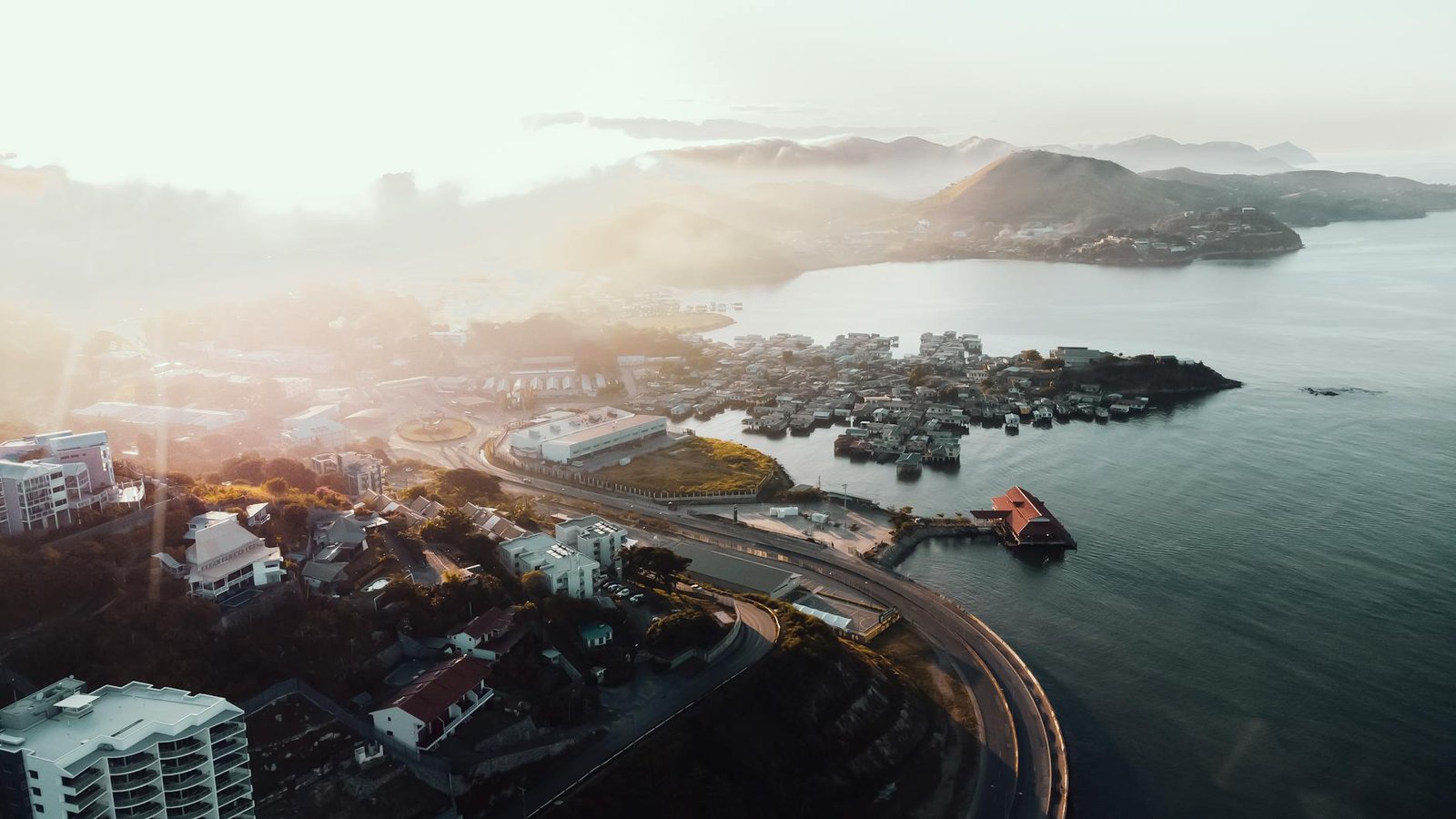
Port Moresby is Papua New Guinea's capital and a working port serving mostly expedition and small luxury cruises. Ships anchor offshore and tender passengers to a small terminal in the downtown area. The city itself is sprawling, congested, and not pedestrian-friendly; the National Museum is the anchor attraction and worth a visit if you have time. Many cruisers stay aboard or book organized excursions rather than explore independently—a sensible choice given transport logistics and safety concerns. This is a cultural and educational stop, not a leisure port.
New Guinea Natural Tours provides local tour guides who are well experienced knowledgeable who will provide you with what is a reality,
Book on ViatorOur picks in Port Moresby
The nation's premier museum, housing one of the world's finest collections of Melanesian art, artifacts, and ethnographic materials. Exhibits cover indigenous culture, traditional masks, carvings, textiles, and colonial history. Compact but substantive; plan 2–3 hours for a meaningful visit.
⚡ Popular — books out early. Reserve before you sail.
Some cruise lines offer guided visits to nearby cultural sites or village communities, often including traditional music, crafts, and local guides. Quality and safety vary; book through your ship only. These are typically half-day affairs and provide context that solo museum visits do not.
Some organized tours include a guided drive past Papua New Guinea's Parliament House and colonial architecture. Not a destination in itself, but informative as part of a larger tour. Independent visits are not feasible.
Book with the ship, or on your own?
Booking independently
When the ship’s excursion makes sense
Going independent? Compare tours in Port Moresby → — the best-reviewed ones sell out first.
We may earn a commission when you book through our links, at no extra cost to you — it’s how we keep these guides free.
Port Moresby has a genuine safety reputation and it is not overblown. Petty theft, aggressive solicitation, and occasional mugging occur, especially in downtown and away from main streets. Do not wander alone, do not display valuables, and do not accept offers from strangers. The terminal area is busy and watched; the National Museum precinct is relatively safer. Most organized tours operate without incident, but independent exploration carries real risk. If you go ashore, stay alert, keep to main roads and the museum, and consider booking a guided excursion rather than DIY taxi ventures. Violent crime against tourists is rare, but property crime is frequent.
Port Moresby offers minimal accessibility for mobility-impaired cruisers. The tender process requires climbing steps; the National Museum has some ramped access but facilities are basic. Footpaths are uneven, and most transport relies on taxis without lift equipment. Wheelchair users should discuss options with the ship's mobility office in advance and consider staying aboard.
Stepping out of the ferry terminal, you'll see a chaotic, humid downtown scene: buses, taxis, market vendors, and foot traffic. The air is warm and often sticky. Immediately outside the terminal, there will be taxi touts, money changers, and informal guides offering services. The vibe is crowded and slightly aggressive—not threatening, but pushy. There are no obvious tourist amenities within walking distance. You will need transport (taxi or tour) to reach anything worthwhile.
Port Moresby's dining scene is utilitarian and geared toward locals and expats, not cruise tourists. The few formal restaurants cater to business travelers and can be pricey. Street food and markets exist but are not safe or advisable for cruise visitors unfamiliar with local hygiene standards. Your best bet is to eat aboard the ship before or after your port visit, or request lunch as part of an organized excursion. If you must eat ashore, stick to established hotel restaurants (e.g., in the City Centre area) and avoid eating at market stalls. Tap water is not reliably safe; drink bottled water only.
Souvenir shopping in Port Moresby is limited and not a primary reason to go ashore. The National Museum gift shop carries authentic indigenous crafts, carvings, and books—the only genuinely worthwhile retail option. Downtown markets sell local produce, textiles, and crafts, but quality, authenticity, and safety are questionable for casual tourists. Avoid street vendors and unmarked stalls. There are no malls or tourist shopping districts. If you want authentic Melanesian art, buy from the museum shop or through your organized tour.
All passengers disembark by small boat from the anchored ship to the downtown ferry terminal. Process can be slow; allow 20–30 minutes each way.
Available at the terminal and through your ship's concierge. Marked taxis are safer; negotiate or use Uber-style apps if available (unreliable).
Book a transfer 5% off with code TPO5 at checkoutShip-arranged cultural tours, museum visits, or guided city excursions. Most reliable and safest option.
Not practical or safe. Downtown is not walkable for tourists; streets are congested, poorly lit, and petty crime is common.
Details last checked April 2026
Check The Port Traffic
Once you have your shore plan, use the schedule to see how busy the harbour will be on your date, plus the ships, lines, and published call windows.
Planning a cruise here?
Crystal Cruises, Explora Journeys sail to Port Moresby.
Yes, with caveats. Petty theft and aggressive solicitation are real, but organized tours and the terminal area are generally safe. Do not wander alone, do not display valuables, and stick to main roads or book a guide. Violent crime against tourists is rare.
2–4 hours is realistic for the National Museum or a short organized tour. Less than 2 hours wastes the tender process and travel time. More than 4 hours requires a longer excursion outside the city.
Book a ship excursion if available. It's safer, includes a guide and insurance, and eliminates language and trust barriers. Private taxis are cheaper but unreliable and carry safety risk.
Find cruises to Port Moresby, Papua New Guinea
Compare sailings and book with no fees — best price guaranteed.
We may earn a commission when you book through our links, at no extra cost to you — it’s how we keep these guides free.
Tell us your sail date and we’ll email you a short Port Moresby plan about 60 days out — when the good excursions start selling out — plus a final checklist 2 weeks before. Two emails, then done. We’ll send one note to confirm it’s really you — unsubscribe anytime.