
South America
South America
Porto Belo Cruise Port Guide: Things to Do & Practical Tips
Brazil
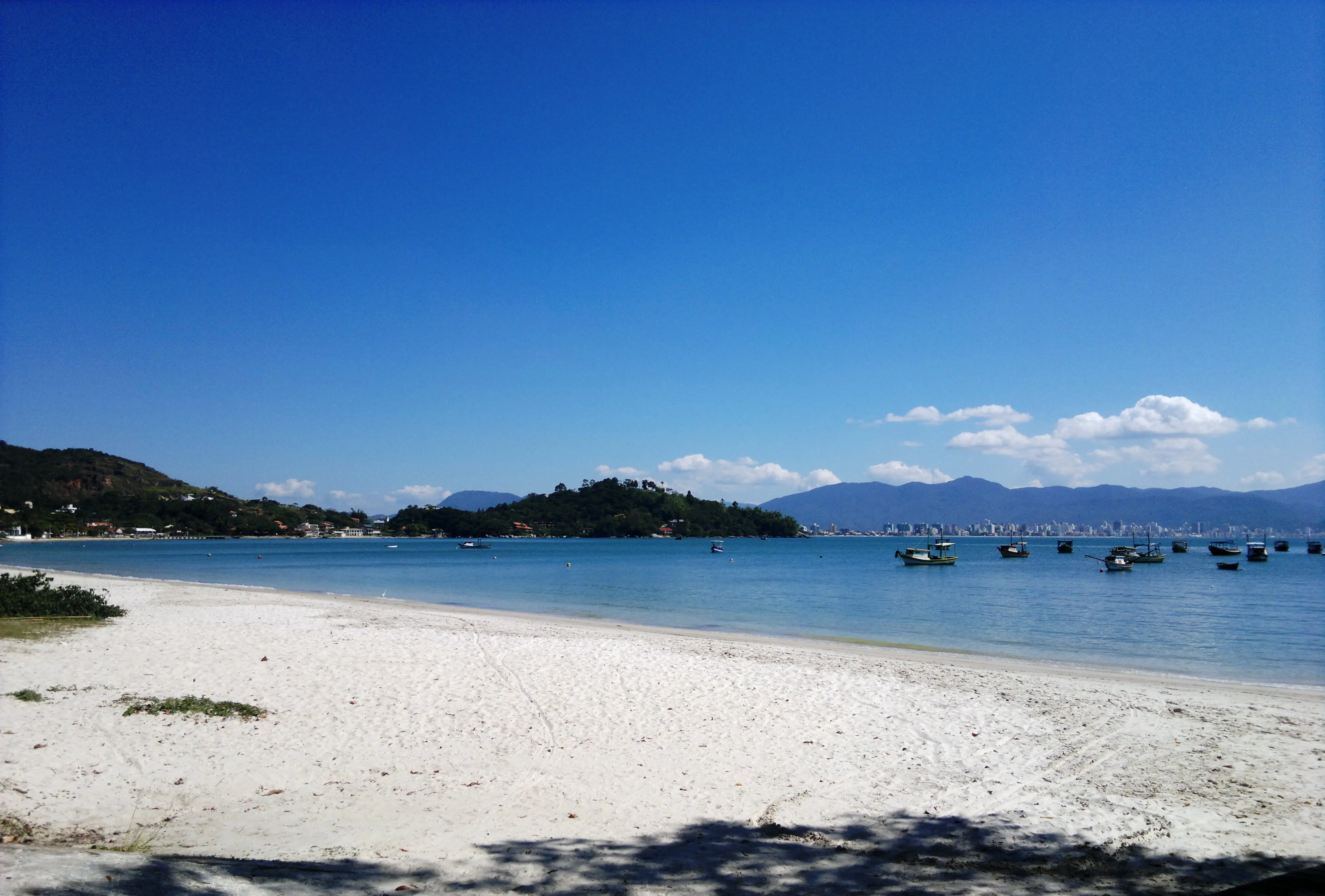
Ships anchor offshore; tenders required to reach the small pier in this intimate beach village.
Choose the Right Port Day
Best Overall
Colonial town walk (30–45 min) + leisurely lunch at a waterfront restaurant watching the harbor + 1–2 hours at Praia de Porto Belo. Balances culture, food, and beach without feeling rushed.
Best Beach
Praia de Porto Belo (town beach, 5–10 min walk) or Praia do Bugio (slightly farther, quieter, 20–30 min walk or taxi).
With Kids
Praia de Porto Belo: shallow, calm, with nearby restrooms and food stalls. Short tender time and easy logistics.
Only 3-4 Hours
Tender ashore, walk the colonial town center (Igreja de Nossa Senhora da Assunção, main waterfront plaza), grab lunch at a local beachfront café, return to tender. ~2.5 hours ashore is realistic.
Cheapest Option
Walk the town free, swim at Praia de Porto Belo (no entry fee), buy drinks and snacks from street vendors or simple cafés (₨15–30/$3–6 per person).
What To Avoid
Avoid organized 'adventure' tours sold on the pier; most are overpriced for what you get locally. Do not expect nightlife or shopping beyond basic souvenirs; this is a quiet town.
Quick Take
- Port Type
- Historic colonial small port with anchorage tender requirement.
- Best For
- Travelers interested in colonial architecture, relaxed beach towns, and lower-key exploration without massive cruise infrastructure.
- Avoid If
- You dislike tender boats, want urban density, or need organized activity infrastructure.
- Walkability
- Town center is compact and walkable (15–20 min core); beaches require transport or a longer walk.
- Budget Fit
- Budget-friendly; local transport is cheap, dining is inexpensive, beaches are free.
- Good For Short Calls?
- Good fit. Colonial walk + one beach or waterfront lunch covers a satisfying 4–5 hours.
Top Things To Do
1
Colonial Town Walk & Igreja de Nossa Senhora da Assunção
Stroll the compact historic center, admiring painted colonial buildings, fishing harbor, and the 18th-century church overlooking the bay. No museum or formal tour needed; simply wander and absorb the atmosphere. A small local museum (Museu de Porto Belo) has modest exhibits on local history, but it's often unstaffed.
2
Praia de Porto Belo & Waterfront Lunch
The main town beach is small, calm, and backed by restaurants and beach bars. Water is clean; currents are gentle. Spend 1–2 hours swimming, sunbathing, or lunching at an informal beachside eatery serving fresh fish, ceviche, or grilled shrimp. No beach clubs or resort facilities; pure local vibe.
3
Praia do Bugio or Sepetiba (Quieter Beaches)
A short taxi or moto-taxi ride away, these beaches are less crowded and good for a more solitary swim or picnic. Bugio is rocky-sandy and scenic; Sepetiba is sandier and wider. Neither has facilities, so bring water and snacks or eat at a simple beachside shack if present.
Book with the ship, or on your own?
Booking independently
- Often noticeably cheaper than the ship’s version of the same tour.
- Smaller groups and local operators, with traveler reviews you can read before you pay.
- Free cancellation on most tours, usually up to 24 hours before.
When the ship’s excursion makes sense
- Short port calls or long transfers where the timing is tight.
- Tender-only stops where getting ashore can run late.
- The ship waits for its own delayed excursions — it won’t wait for independent ones, so leave a buffer before all-aboard.
Going independent? Compare tours in Porto Belo → — the best-reviewed ones sell out first.
We may earn a commission when you book through our links, at no extra cost to you — it’s how we keep these guides free.
Check The Port Traffic
Cruise Ships in Port
Once you have your shore plan, use the schedule to see how busy the harbour will be on your date, plus the ships, lines, and published call windows.
Sun
Mon
Tue
Wed
Thu
Fri
Sat
1
2
3
4
5
6
7
8
9
10
11
12
13
14
15
16
17
18
19
20
21
22
23
24
25
26
27
28
29
30
31
Quiet (1–2)
Busy (3–4)
Packed (5+)
0 scheduled calls
October 9, 2026
No scheduled cruise ship calls were found for this date selection. Pick a highlighted day on the calendar above, widen the range, or search for a different ship or line.
Port Overview
Porto Belo is a small colonial fishing town on Brazil's southern coast (Paraná state), roughly 40 km south of the larger port city of Paranaguá. Ships anchor offshore and tender passengers ashore—no direct pier docking. The town itself is low-key, built around a sheltered harbor with pastel colonial buildings, fishing boats, and a relaxed atmosphere. It's not a cruise megaport; expect no elaborate terminal, minimal commercial infrastructure, and genuine local character. For day visitors, the draw is the quiet colonial ambiance, nearby beaches, and cheap, simple food rather than organized activities or shopping.
Is It Safe?
Porto Belo is generally safe for tourists in the daytime, especially in the town center and main beach areas. Petty theft (phone, bag) is rare but possible in crowded areas or at night; keep valuables secure and avoid walking alone after dark. The town has a visible police presence and is accustomed to cruise visitors. Do not wander into residential hillside areas or isolated streets, especially at dusk. Tap water is safe to drink; standard travel health precautions apply. The harbor itself is calm and well-patrolled; tender operations are routine and reliable.
Accessibility & Walkability
Town center is walkable but terrain is uneven cobblestone with no dedicated sidewalks or ramps. Beaches are accessible on foot from town (Praia de Porto Belo) but require navigation of uneven terrain and possibly brief sand walking. Wheelchair users will struggle with cobblestone and lack of infrastructure; taxis/moto-taxis are the most practical option for anyone with mobility challenges. Tender boarding may be difficult for those with reduced mobility; inform the cruise line in advance so crew can assist.
Outside the Terminal
The tender dock is simple and open-air, often with a small souvenir stand and local vendor stalls nearby. Immediately outside is the waterfront plaza—colorful colonial buildings, fishing boats, a few informal restaurants with outdoor seating, and locals going about daily life. The atmosphere is relaxed and unhurried; no aggressive touting or commerce assault. Streets fan out uphill and along the waterfront; locals are friendly and used to cruise visitors.
Beaches Near the Port
Praia de Porto Belo
Small, calm, sheltered town beach with restaurants and bars steps away. Sandy, suitable for families, clear water. Gets busy with locals and cruise visitors during peak hours but remains relaxed.
Praia do Bugio
Rocky-sandy beach with excellent views of the bay and surrounding hills. Quieter than Porto Belo; good for photography and a more secluded swim. No facilities; bring water.
Praia de Sepetiba
Wider sandy beach, farther from town center, with fewer tourists. Calmer and more spacious than Porto Belo. May have a simple beachside restaurant or beach bar.
Local Food & Drink
Local cuisine is simple and focused on fresh fish, shrimp, and seafood stew (caldo de peixe). Beachfront and waterfront restaurants serve grilled fish (peixe à milanesa), ceviche, fried shrimp, and moqueca (Bahian fish stew) at low prices (₨20–40 or $4–8 USD per plate). Portions are generous. Fresh juice bars (suco) selling tropical fruit juices are common and cheap (₨5–10 or $1–2 USD). Street vendors sell pastéis (fried pastries), pão de queijo (cheese bread), and coconut treats. Tap water is safe; drink bottled water if uncertain. Restaurants are informal (plastic chairs, no tablecloths), but food is clean and reliable. No fine dining or tourist-oriented menus; everything is authentically local.
Shopping
Shopping in Porto Belo is minimal. The main souvenir stand at the tender dock sells typical Brazilian goods (t-shirts, magnets, artisanal crafts) at moderate prices. A few small shops in the town center sell basic clothing, beach items, and local handicrafts. No supermarket-scale malls or chain stores. Most cruisers buy nothing or pick up a small souvenir and move on. Haggling is not expected.
Money & Currency
- Currency
- Brazilian Real (₨)
- USD Accepted?
- No
- Card Payments
- Limited; most businesses (restaurants, shops) accept cash only. Larger restaurants may accept cards, but do not rely on it.
- ATMs
- One or two ATMs exist in town center, but they are not always reliable. Withdraw cash before arrival or in Paranaguá if you miss the town ATMs.
- Tipping
- Tipping is not expected but appreciated (5–10% for restaurants is generous). Round up small bills for informal vendors.
- Notes
- Come ashore with sufficient Real currency. Exchange rates at tourist points are poor; better to use an ATM or exchange before boarding the ship if possible.
Weather & Best Time
- Best months
- October–April (spring/early summer in Southern Hemisphere; warm, less rain)
- Avoid
- June–August (winter; cooler, cloudier, occasional rain)
- Temperature
- Summer (Dec–Feb) 25–30°C (77–86°F); shoulder seasons (Oct–Nov, Mar–Apr) 20–25°C (68–77°F)
- Notes
- Rain is common year-round; brief showers are typical. Sun protection is essential. Humidity is moderate. Tender operations may be suspended in heavy rain or rough seas (Atlantic swell can pick up in winter).
Airport Information
- Airport
- Afonso Pena International Airport (CWB), Curitiba (or Paranaguá Port)
- Distance
- ~70 km (45 min–1 hour drive)
- Getting there
- Taxi, private car, or bus from town; most cruisers fly into Curitiba. Not practical for a port day.
- Notes
- Porto Belo is not suitable for pre- or post-cruise flights; it is a small fishing town with no airport. Use Curitiba or the larger port city of Paranaguá for air connections.
Getting Around from the Port
Tender boat
Ships anchor offshore; tenders run continuously from the ship to the small town pier. Journey is ~10–15 min in calm conditions; can be longer or suspended in rough weather.
Book ferry ticketsWalking
Town center is compact; all main attractions (church, plaza, restaurants, nearest beach) are within 10–20 min on foot.
Taxi or moto-taxi
Available at the tender dock for trips to farther beaches (Bugio, Sepetiba) or upper town. Moto-taxis are common and cheaper.
Book a transfer 5% off with code TPO5 at checkoutInformal boat tours
Local fishermen sometimes offer short harbor or beach hop tours from the pier; negotiate on the spot.
Book ferry ticketsDetails last checked April 2026
Planning a cruise here?
Silversea Cruises, MSC Cruises, Oceania Cruises & more sail to Porto Belo.
Practical Tips for Cruise Passengers
- Tender operations depend on weather; rough Atlantic swells in winter can delay or suspend service. Have a backup plan (rest at ship) if tender access is limited.
- Bring cash in Brazilian Real; ATMs are unreliable. Withdraw at the ship or before embarkation if possible.
- Comfortable walking shoes with grip are essential; cobblestone streets are uneven and can be slippery when wet.
- Go ashore early in the day (before 11:00) to avoid tender queues and enjoy better light for photography and beach time.
Frequently Asked Questions
You can easily explore on your own. The town is small, walkable, and safe for independent travelers. Tender access is unrestricted; no excursion booking is necessary unless you want a formal guided tour.
Most cruisers spend 2–4 hours ashore comfortably (town walk + beach + lunch). Tender schedules typically allow 6–8 hours max, but tenders may be suspended in rough weather without warning. Always monitor the ship's tender schedule.
Yes, the harbor water is calm and clean; Praia de Porto Belo is monitored informally and safe. Farther beaches like Bugio are also fine. Avoid swimming immediately after heavy rain. No flag system or lifeguards.
Find cruises to Porto Belo, Brazil
Compare sailings and book with no fees — best price guaranteed.
We may earn a commission when you book through our links, at no extra cost to you — it’s how we keep these guides free.
✉ Sailing to Porto Belo? Get your port-day plan
Tell us your sail date and we’ll email you a short Porto Belo plan about 60 days out — when the good excursions start selling out — plus a final checklist 2 weeks before. Two emails, then done. We’ll send one note to confirm it’s really you — unsubscribe anytime.
Same itinerary network
View All
Ports Often Paired With Porto Belo

South America

South America

South America
