
Australia & Pacific
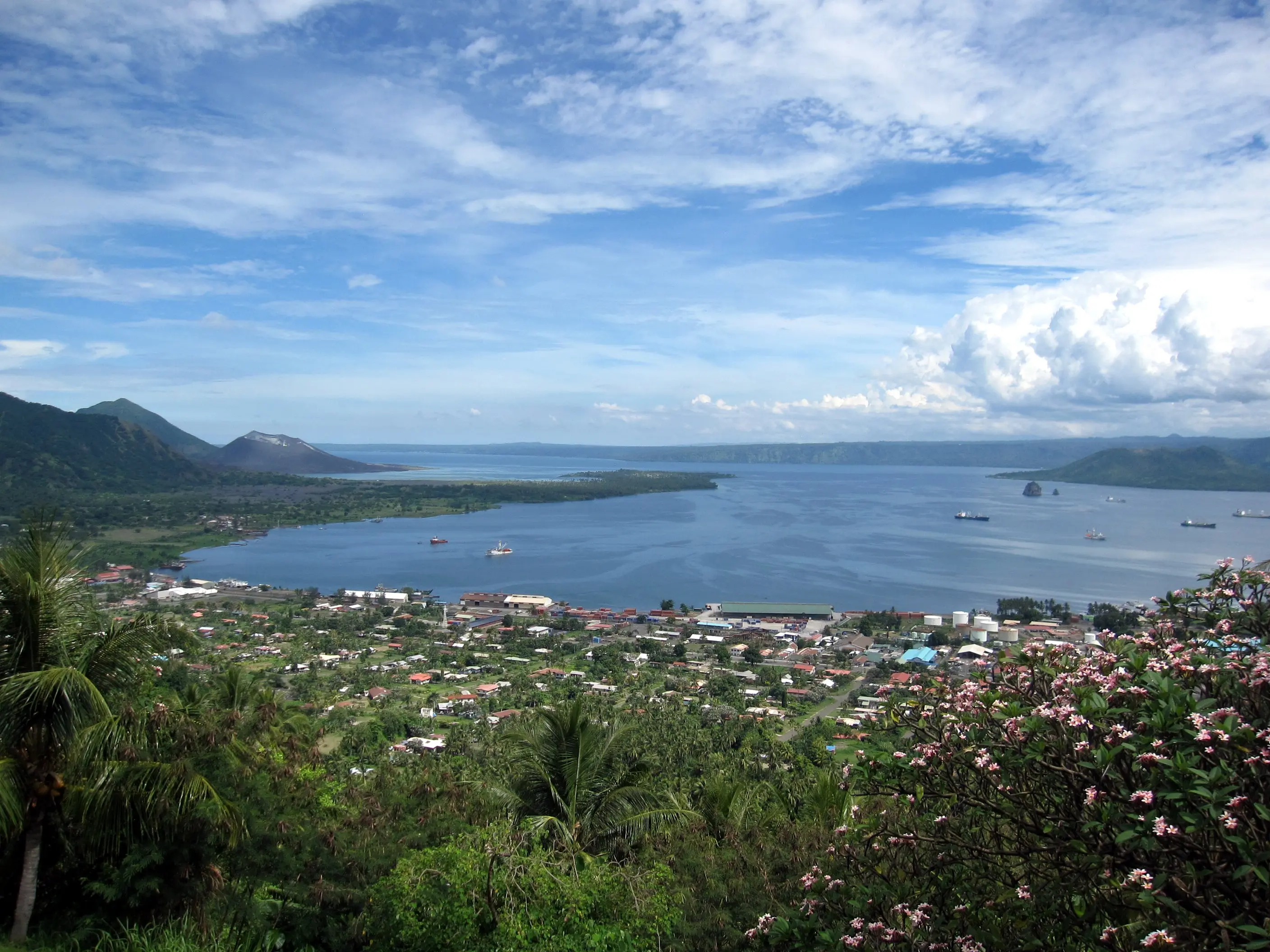
Most ships berth at Rabaul wharf on Simpson Harbour beside the old town; ships tender when the wharf is occupied.
Choose the Right Port Day
Best Overall
Half-day guided snorkeling or WWII history tour booked in advance. Combines safety, local expertise, and memorable activity in a condensed schedule.
Best Beach
Coconut Beach or nearby reef snorkeling sites accessed by boat; shore swimming is limited and coral-dependent.
With Kids
WWII history walks or guided reef tours with a local operator; avoid unguided wandering. Ensure kids are comfortable with heat and basic facilities.
Only 3-4 Hours
Book a pre-arranged snorkeling or WWII history tour through your ship. Guides save you time and logistics; self-exploration will eat into your window fast.
Cheapest Option
Walk to the town center, visit the Rabaul Museum (~US$5 entry), chat with locals, return by tender. Skip organized tours. Budget ~US$20–30 total.
What To Avoid
Do not wander alone at dusk or into residential areas; petty theft and street crime are real. Avoid booking tours with unknown operators on the dock—arrange via the ship or trusted agents beforehand.
Quick Take
- Port Type
- Expedition & History Port
- Best For
- History buffs, snorkelers, expedition cruise passengers, travelers seeking offbeat Pacific experiences.
- Avoid If
- You want nightlife, resorts, shops, or a predictable port experience; you have mobility issues.
- Walkability
- Low. Town center is ~1 km from tender landing; rough streets, limited sidewalks. Most activities require transport.
- Budget Fit
- Mid-range. Organized tours US$50–120; snorkeling gear rental/guides ~US$30–60; food and fuel surcharges apply.
- Good For Short Calls?
- Yes, if you book a pre-arranged tour. Self-guided exploration is slow and risky on a 4-hour port window.
Top Things To Do
1
Snorkeling & Reef Tours
Nearby reefs offer coral, tropical fish, and clear warm water. Guides provide equipment and transportation to snorkel sites. Coconut Beach and other reef access points are short boat rides away. Visibility is usually good, and marine life is healthy.
2
WWII History Sites & Rabaul Museum
Rabaul was a major Japanese naval and air base in WWII. The museum displays artifacts, maps, and photographs. Guided tours visit bunkers, gun emplacements, and historical landmarks around the town and bay. History is well-preserved but presented modestly.
3
Rabaul Market & Town Walk
The local market is small, colorful, and sells tropical fruits, vegetables, and local crafts. A walk through the town center gives a genuine, unhurried picture of small-town PNG life. No hard sell, minimal tourism.
Show 1 more thing to do in Rabaul
4
Volcanic Landscape & Bay Views
Rabaul sits in a dramatic volcanic caldera with iconic cone-shaped islands visible from the water. Boat tours or taxi rides to viewpoints offer landscape photography and understanding of the 1994 eruption and recovery.
Book with the ship, or on your own?
Booking independently
- Often noticeably cheaper than the ship’s version of the same tour.
- Smaller groups and local operators, with traveler reviews you can read before you pay.
- Free cancellation on most tours, usually up to 24 hours before.
When the ship’s excursion makes sense
- Short port calls or long transfers where the timing is tight.
- Tender-only stops where getting ashore can run late.
- The ship waits for its own delayed excursions — it won’t wait for independent ones, so leave a buffer before all-aboard.
We may earn a commission when you book through our links, at no extra cost to you — it’s how we keep these guides free.
Check The Port Traffic
Cruise Ships in Port
Once you have your shore plan, use the schedule to see how busy the harbour will be on your date, plus the ships, lines, and published call windows.
Sun
Mon
Tue
Wed
Thu
Fri
Sat
1
2
3
4
5
6
7
8
9
10
11
12
13
14
15
16
17
18
19
20
21
22
23
24
25
26
27
28
29
30
31
Quiet (1–2)
Busy (3–4)
Packed (5+)
0 scheduled calls
October 9, 2026
No scheduled cruise ship calls were found for this date selection. Pick a highlighted day on the calendar above, widen the range, or search for a different ship or line.
Port Overview
Rabaul is a small, quiet port on the eastern tip of New Britain island, Papua New Guinea. Ships anchor in the bay and tender ashore; there is no developed cruise terminal. The town was devastated by volcanic eruptions in 1994 and has remained modest since. Most cruisers come for two reasons: WWII history (Rabaul was a major Japanese base) and snorkeling on nearby reefs. The port is infrequent, served mainly by expedition and small-ship operators (Lindblad, Ponant, Hurtigruten, Quark). Infrastructure is basic—few shops, limited dining, and no tourist-specific amenities. A port day here works best if you book a guided activity in advance; independent exploration is slow, hot, and logistically challenging on a short window.
Is It Safe?
Rabaul is generally safe for organized, daytime activities, but petty theft and street crime do occur, especially after dark. Avoid walking alone outside the immediate town center or port area, particularly in late afternoon and evening. Do not flash valuables, cameras, or jewelry. Avoid residential streets and informal settlements. If you do walk, go in pairs or small groups and stick to main streets near the port. Use taxis rather than walking for longer distances. The port is stable and tourism-aware, so visiting via an organized tour is quite safe. Report any incidents to your ship immediately.
Accessibility & Walkability
Rabaul is challenging for travelers with mobility issues. The tender dock is basic with minimal infrastructure. Streets are rough and unpaved, with no sidewalks or curb cuts. The Rabaul Museum has limited wheelchair access. Snorkeling tours may require wading or boat boarding that is difficult for people with reduced mobility. Heat and humidity are intense. If you have mobility concerns, discuss options with the ship's shore excursion desk; most organized tours are not designed for wheelchair users, though staff may assist with boarding where feasible.
Outside the Terminal
You'll land at a simple dock with a small covered waiting area. The immediate environment is quiet and mellow—a few local vendors, taxis waiting, and the smell of tropical flowers and salt. The town center is a 10-minute walk, but it feels sleepy and not obviously touristy. There are no bustling souvenir shops or cruise infrastructure. Within the first 100 meters, you'll sense this is a working local port, not a tourist destination. Locals are friendly and curious about visitors.
Beaches Near the Port
Coconut Beach
Small sandy beach with reef access nearby. Used mainly by snorkeling tours. Sand is coarse, water is warm and clear. Basic facilities; no resorts or lifeguards.
East New Britain Reefs (General)
The bay and surrounding waters have multiple reef snorkel sites, not traditional beaches. Most access is by organized tour boat. Water is warm year-round.
Local Food & Drink
Rabaul has no formal restaurants catering to cruise passengers. A few small local eateries serve basic PNG fare (rice, fish, coconut-based dishes) for a few dollars. Your ship strongly recommends eating onboard or bringing food ashore. If you do try local food, stick to hot, freshly cooked items at the market or a busy small eatery. Tropical fruits (papaya, mango, coconut) are safe and delicious when bought fresh at the market. Tap water is not reliably potable; drink bottled water, soda, or coconut water. No cafés, no coffee culture, no international chain options.
Shopping
Rabaul is not a shopping destination. The market sells local produce and a few simple crafts—carved items, shells, woven goods—but selection is minimal and prices are cheap (US$2–10 for most items). A handful of small general stores near the town center stock basic supplies but no souvenirs. No duty-free, no gift shops, no brands. If you want gifts, buy directly from market vendors or artisans; haggle gently.
Money & Currency
- Currency
- Papua New Guinea Kina (PGK)
- USD Accepted?
- No
- Card Payments
- Extremely limited. Credit cards are rarely accepted outside a few hotels. ATMs exist but may not accept all cards; test before arrival or bring cash.
- ATMs
- 1–2 ATMs in town, unreliable. Withdraw cash in larger towns or before arrival if possible.
- Tipping
- Not customary. Small tips for guides or services are appreciated but not expected.
- Notes
- Exchange USD to PGK before or at arrival. Bring cash; cards are a backup only. Small bills are easier to use. Budget conservatively; informal pricing and negotiation are common.
Weather & Best Time
- Best months
- May to October (dry season). Cooler, less humid, lower rain risk.
- Avoid
- November to April (wet season). High rainfall, cyclone risk, intense heat and humidity.
- Temperature
- 80–88°F (27–31°C) year-round; humidity is always high.
- Notes
- Rabaul is tropical and hot. Cruises typically operate May–October. Even in the dry season, mornings can be humid and afternoon sun is intense. Bring sunscreen, hat, lightweight clothes, and plenty of water.
Airport Information
- Airport
- Rabaul Airport (RAB)
- Distance
- ~15 km northeast
- Getting there
- Taxi (~US$10–20, 20–30 minutes); minibus (~US$3–5, 45 minutes, unreliable schedule). Most cruise passengers do not use the airport; flights are infrequent and connect via Lae or Port Moresby.
- Notes
- Limited flight options. Rabaul is primarily accessed by sea. Not a practical embarkation or pre-cruise arrival point unless you are willing to spend a night nearby.
Getting Around from the Port
Tender
Ships anchor in the bay. Tenders run to a simple dock near the town center. Tender wait times can be 20–40 minutes at busy times.
Taxi or Minibus
Available near the tender dock. Drivers can take you to nearby sights (museum, WWII sites, snorkeling beaches). Negotiate fare before boarding; meters are rare.
Book a transfer 5% off with code TPO5 at checkoutOrganized Shore Excursion
Your cruise line typically offers guided snorkeling, WWII history walks, or combination tours. Guides handle logistics and safety.
Walking
The town center is walkable from the tender dock (~1 km), but streets are unpaved or rough, sidewalks are absent, and the pace is slow. Not recommended in afternoon heat.
Details last checked April 2026
Planning a cruise here?
Costa Cruises, Cunard Line, Windstar & more sail to Rabaul.
Practical Tips for Cruise Passengers
- Book snorkeling or WWII tours via your ship before arrival. Booking on the dock wastes time and offers fewer vetted options.
- Bring and drink plenty of water; heat and humidity dehydrate fast. Bottled water is available but limited in variety.
- Wear reef shoes or water sandals for snorkeling; sea urchins and sharp coral are common.
- If you walk town, go before 3 p.m. and avoid sketchy side streets. Stick to the main road near the port and market.
Frequently Asked Questions
Yes, if you use organized tours or stay in the immediate port area during daylight. Petty theft occurs; do not walk alone at dusk or in unfamiliar areas. Daytime visits in groups or on official excursions are generally safe.
Yes. Bunkers, gun emplacements, and historical landmarks are accessible via guided tours. The Rabaul Museum provides context. Most cruisers find a guided history tour essential to understand the sites and history.
Yes, reefs are healthy and close to port, with good visibility and diverse fish. Snorkeling tours are the most popular activity and usually worth the cost. Bring or rent reef shoes.
Find cruises to Rabaul, Papua New Guinea
Compare sailings and book with no fees — best price guaranteed.
We may earn a commission when you book through our links, at no extra cost to you — it’s how we keep these guides free.
✉ Sailing to Rabaul? Get your port-day plan
Tell us your sail date and we’ll email you a short Rabaul plan about 60 days out — when the good excursions start selling out — plus a final checklist 2 weeks before. Two emails, then done. We’ll send one note to confirm it’s really you — unsubscribe anytime.
Same itinerary network
View All
Ports Often Paired With Rabaul

Australia & Pacific

Asia
Asia
