Silver Cloud
Arrive 06:30 AM | Depart 05:00 PM
Itinerary: 23 Nights South Pacific Cruise (23 nights)
Chile
Ships anchor offshore; tender boats required to reach the small pier in San Juan Bautista.
Moderate uphill hike to a ridgeline with 360-degree island views, native vegetation, and sightings of endemic Juan Fernández petrels and other seabirds. Well-established trail, dramatic vistas, highlight of a Robinson Crusoe visit.
Self-guided exploration of the small village, including the Church of San Juan Bautista, the remains of El Fuerte (an old Spanish fort), and a small museum with artifacts on the island's castaway history and the Selkirk legend. Low-key, educational, and atmospheric.
The island is home to the endangered Juan Fernández fur seal, endemic birds, and unique plants found nowhere else on Earth. Most visible along lower trails and near coastal areas. Excellent for nature photographers and birders. Ship naturalist guides often lead this activity.
Small pebbly-sandy beach where the tender lands. Safe for wading and photos, but not ideal for swimming (cold water, swells). Spot seals and seabirds from the shore. Relax and soak in the island setting without hiking.
Book with the ship, or on your own?
Booking independently
When the ship’s excursion makes sense
We may earn a commission when you book through our links, at no extra cost to you — it’s how we keep these guides free.
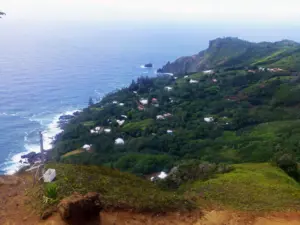
Robinson Crusoe Island (part of the Juan Fernández Archipelago, ~630 km west of mainland Chile) is a tiny, steep island visited by small expedition and upscale cruise lines. Ships anchor in Cumberland Bay and use tender boats to land at the small village of San Juan Bautista. This is remote, rugged, and largely undeveloped—there is no cruise infrastructure, no tour buses, and almost no commerce.
The island is famous for its isolation, unique endemic wildlife (Juan Fernández petrels, fur seals), and the legend of castaway Alexander Selkirk (the real-life inspiration for Robinson Crusoe). Most cruisers come here to hike, observe nature, and experience an off-the-beaten-path Pacific island. Expect steep terrain, no frills, and stunning solitude.
This port is best suited to adventure-minded travelers on small-ship itineraries (Seabourn, Ponant, Lindblad, Hurtigruten). A tender day-visit typically offers 4–6 hours ashore. Do not expect shops, restaurants, or easy transport; come prepared and self-reliant.
Robinson Crusoe Island is safe and crime-free. No theft, aggression, or security concerns for cruisers. The main hazards are environmental: uneven terrain, slippery trails after rain, exposed ridgelines with sudden wind, and strong afternoon sea conditions that can cancel tender operations.
Medical facilities on the island are minimal; basic first aid only. Serious injury requires helicopter evacuation to mainland Chile. Do not hike alone or venture off marked trails. Tell someone (crew, guide, or fellow cruiser) where you are going and when you expect to return.
Water is safe to drink from village taps. No vendors, no petty commerce, no aggressive solicitation—the island is quiet and low-key.
Robinson Crusoe Island has poor accessibility for people with mobility challenges. The village is built on steep slopes; walking between buildings and to trailheads involves uneven ground, stone steps, and significant elevation gain. The tender landing requires wading and sure-footedness. Wheelchair users will find the village largely inaccessible. A visitor with limited mobility can explore the immediate beachfront and lower village on a very short, flat walk, but should not attempt trail hiking. Speak with the ship's accessibility team before arrival.
The tender beach is small and pebbly. You step ashore into San Juan Bautista, a modest village of colorful wooden houses, a small plaza, and a few stone ruins. The setting is immediately quiet and remote—there is no hustle, no tourism machinery, just a handful of locals and fellow cruisers. A short uphill walk leads to the main village center (church, old fort foundations, small museum). The landscape is green, steep, and wild; the Pacific spreads out below.
Pebbly-sandy beach on the north shore near San Juan Bautista. Calm in good weather, scenic backdrop of green cliffs. Good for wading, snapping photos, and observing seals and seabirds. Water is cold (South Pacific); not a swimming destination.
There are no restaurants or food vendors on Robinson Crusoe Island. The village has a small shop (inconsistent hours, limited stock) where locals buy basics, but cruisers should not rely on it. Bring snacks, water, and lunch from the ship. Some expedition lines (Lindblad, Hurtigruten) may offer a packed lunch or host a small onshore barbecue if time and operations permit—confirm with your cruise line in advance.
If your ship has a long port window (6+ hours), a small local may prepare a simple meal (fish, rice) for groups by advance arrangement, but do not count on it. Best practice: eat a full breakfast on the ship, bring energy bars and electrolyte drinks, and plan the main meal after returning.
Shopping on Robinson Crusoe Island is minimal and not a draw. The village has one tiny store selling basic groceries, sodas, and a few local handicrafts, but hours are irregular and stock is sparse. No tourist shops, no souvenir malls, and no credit card payment—cash only (Chilean pesos preferred). Do not expect to buy anything meaningful. If you want a memento, look for very basic crafts or canned goods; most cruisers bring purchases from the ship or mainland.
Only way to reach the island. Ships anchor in Cumberland Bay; small boats ferry passengers to the village beach. Tender operations depend on sea conditions and can be cancelled if swells are unsafe.
Book ferry ticketsPrimary mode of exploring the island. Maintained trails connect the village to viewpoints, historic sites, and higher elevations. Routes range from easy village walks (flat, 20 minutes) to moderate ridge hikes (90+ minutes). No formal trail markings; local knowledge helpful but trails are obvious.
Book train ticketsSeabourn, Ponant, or Lindblad typically offer guided hikes or naturalist walks led by expedition staff. Usually included or low-cost add-on for cruise passengers.
Details last checked April 2026
Check The Port Traffic
Once you have your shore plan, use the schedule to see how busy the harbour will be on your date, plus the ships, lines, and published call windows.
Arrive 06:30 AM | Depart 05:00 PM
Itinerary: 23 Nights South Pacific Cruise (23 nights)
Planning a cruise here?
Seabourn, Ponant, Windstar Cruises & more sail to Robinson Crusoe Island.
Tender operations depend entirely on sea conditions. Rough swells or high winds in Cumberland Bay can force cancellation, sometimes with little notice. This is not uncommon, especially in afternoon hours. Accept the risk when booking a Robinson Crusoe island cruise; it is a remote anchorage, not a sheltered port.
Water is cold (12–16°C / 54–61°F), and waves can be rough. Swimming is not recommended. Snorkeling is possible but requires a wetsuit and is rarely organized. Most cruisers do not swim; the focus is hiking and wildlife viewing.
No ATM. One tiny village store with limited stock and irregular hours (cash only, pesos). No restaurants. Bring cash, food, and water from the ship; do not plan to buy anything on the island.
Find cruises to Robinson Crusoe Island, Chile
Compare sailings and book with no fees — best price guaranteed.
We may earn a commission when you book through our links, at no extra cost to you — it’s how we keep these guides free.
Tell us your sail date and we’ll email you a short Robinson Crusoe Island plan about 60 days out — when the good excursions start selling out — plus a final checklist 2 weeks before. Two emails, then done. Unsubscribe anytime.