
Northern Europe
Northern Europe
Runavik Cruise Port Guide: Hiking, Bird Watching & Practical Tips
Faroe Islands
Modern pier with direct access to town center; most ships dock alongside.
Choose the Right Port Day
Best Overall
Book a half-day guided bird-watching or hiking excursion through your cruise line or local guide service. Weather in the Faroes is unpredictable; a guide handles logistics and keeps you safe.
Best Beach
Not applicable. Faroe Islands have dramatic cliffs and rocky coastlines, not sandy beaches. Focus on coastal hikes instead.
With Kids
Guided walking tour in town + casual hike to nearby viewpoint. Faroes are rugged; avoid unsupervised hiking with young children due to weather and terrain.
Only 3-4 Hours
Skip independent exploration. Book a shore excursion (guided hike or bird-watching tour) with your cruise line—only realistic way to see something meaningful and return safely.
Cheapest Option
Walk around Runavik town center and waterfront (free). If time and weather allow, self-guided walk toward nearby hills. Budget $50–80 USD per person if hiring local transport.
What To Avoid
Do not assume you can rent a car easily or navigate unmarked trails in poor visibility. Weather can change in minutes. Avoid solo hiking without detailed maps and communication devices.
Quick Take
- Port Type
- Expedition/Scenic Nordic Port
- Best For
- Hikers, bird watchers, and nature photographers willing to move fast and manage logistics independently.
- Avoid If
- You need guaranteed shopping, restaurants, or easy mobility. Limited port infrastructure means self-sufficiency is required.
- Walkability
- Town center is walkable (10–15 min from dock). Hiking and attractions require transport or guide.
- Budget Fit
- Mid-to-high cost. Guides and transport add up; self-guided hiking is cheapest.
- Good For Short Calls?
- Poor. You need 6+ hours minimum to reach good bird sites or trails and return before departure.
Top Things To Do
1
Guided Bird-Watching Tour or Seabird Colony Boat Trip
The Faroes are home to millions of seabirds: puffins, fulmars, kittiwakes, razorbills. Guided excursions take you by boat or foot to nesting cliffs or colonies. This is the most rewarding wildlife activity and nearly impossible to experience well without a guide.
2
Hiking to Coastal Viewpoints or Mountain Passes
Well-marked trails lead to dramatic cliffs, highland passes, and valley views. Popular routes include ascents with 400–600 m elevation gain. Terrain is wet moorland and grass; very slippery. Excursions typically include an experienced guide, transport to trailhead, and weather contingency.
3
Runavik Town Walk and Waterfront Stroll
A casual walk through the town's colorful houses, small shops, and harbor. This is more for orientation and breathing in the Faroese vibe than for activities. The harbor itself is interesting—fishing boats, working docks, and views back to the ship.
Show 1 more thing to do in Runavik
4
Local Café or Restaurant (Lunch/Coffee Break)
Grab traditional Faroese food—fresh fish, lamb, local bread—at one of the few restaurants in town. Food is authentic and generous but pricey. Good for a break before or after hiking.
Book with the ship, or on your own?
Booking independently
- Often noticeably cheaper than the ship’s version of the same tour.
- Smaller groups and local operators, with traveler reviews you can read before you pay.
- Free cancellation on most tours, usually up to 24 hours before.
When the ship’s excursion makes sense
- Short port calls or long transfers where the timing is tight.
- Tender-only stops where getting ashore can run late.
- The ship waits for its own delayed excursions — it won’t wait for independent ones, so leave a buffer before all-aboard.
We may earn a commission when you book through our links, at no extra cost to you — it’s how we keep these guides free.
Check The Port Traffic
Cruise Ships in Port
Once you have your shore plan, use the schedule to see how busy the harbour will be on your date, plus the ships, lines, and published call windows.
Sun
Mon
Tue
Wed
Thu
Fri
Sat
1
2
3
4
5
6
7
8
9
10
11
12
13
14
15
16
17
18
19
20
21
22
23
24
25
26
27
28
29
30
31
Quiet (1–2)
Busy (3–4)
Packed (5+)
0 scheduled calls
October 9, 2026
No scheduled cruise ship calls were found for this date selection. Pick a highlighted day on the calendar above, widen the range, or search for a different ship or line.
Port Overview
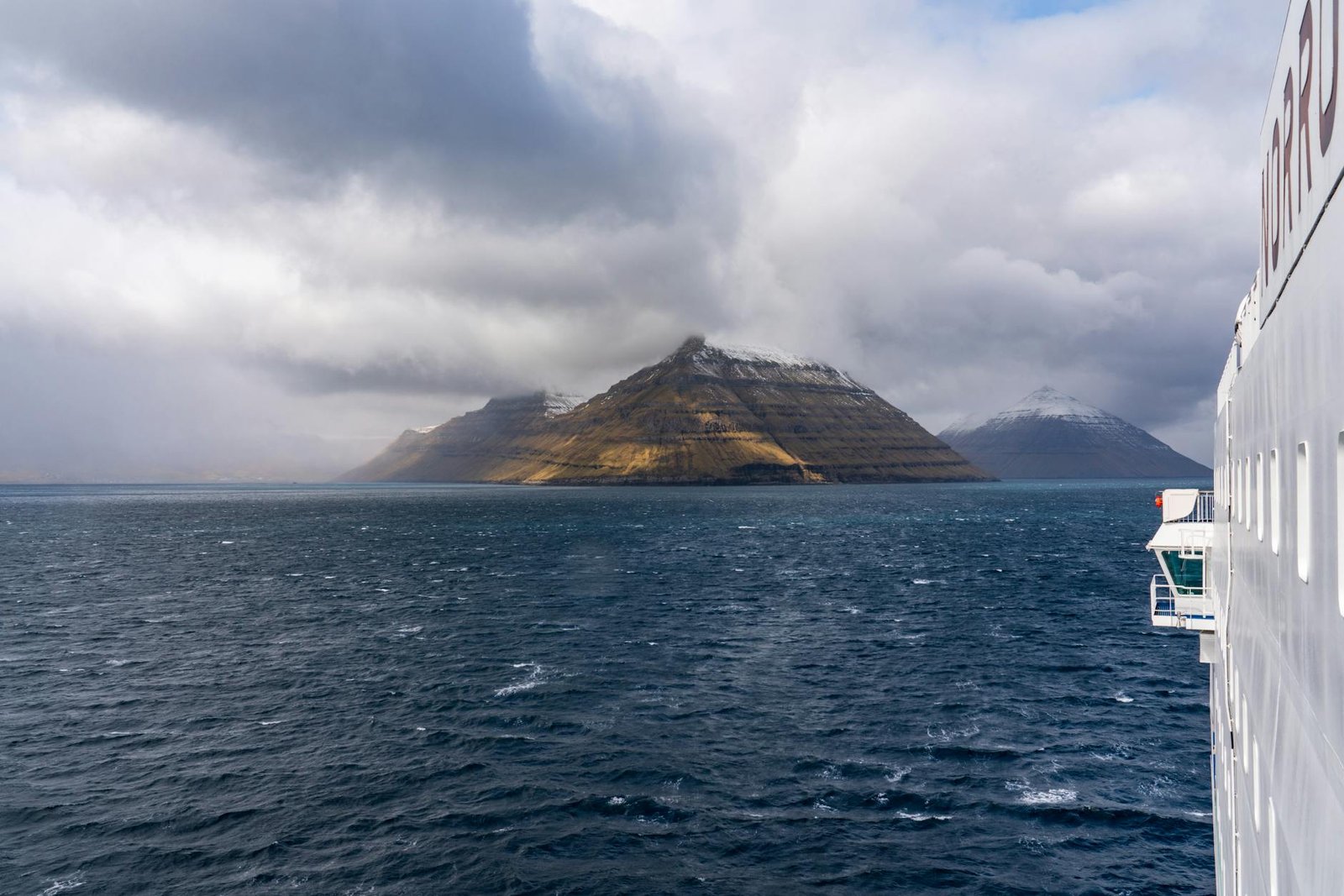
Runavik is a small port in the Faroe Islands, a self-governing territory between Iceland and Norway. Ships dock at a working pier; the town itself is modest with a few shops, restaurants, and a hotel. This is an expedition port, not a resort destination. The main appeal is access to dramatic cliffs, hiking, and seabird colonies—but these require planning and often a guide to reach safely within a port day.
Cruisers aboard Hurtigruten, Ponant, Lindblad, and other expedition lines typically visit for 1–2 days. Expect cold, wet, windy weather year-round. Public infrastructure is minimal; transport options are limited. Most cruisers book shore excursions rather than explore solo. If you love hiking and wildlife, this port is worthwhile. If you want restaurants, shops, and easy mobility, manage expectations.
Is It Safe?
Runavik and the Faroes are very safe in terms of crime. Petty theft is rare. The real hazard is the environment: weather is unpredictable and severe (wind, rain, low visibility, sudden storms). Terrain is steep, slippery when wet, and unforgiving. Cliffs are unguarded and easy to misjudge in poor light. Never hike alone or without proper gear, maps, and communication. Mobile coverage is unreliable outside town. If you do any hiking, inform someone of your plan and expected return time.
Roads are well-maintained but narrow and winding. Driving speeds look deceivingly slow but are appropriate for conditions. Pedestrians and cyclists are visible and respected. Stay alert near the dock when ships are loading/unloading.
Accessibility & Walkability
Runavik town is small and hilly but walkable for most mobility levels on flat streets near the harbor. Most shops and services cluster within a 10-minute walk. Terrain becomes steep and uneven quickly once you move uphill or toward coastal walks. Wheelchair users can access the town center and waterfront but will struggle with hiking trails and many viewpoints. No formal accessible trail infrastructure exists. Public restrooms near the harbor are basic. If you have mobility concerns, inform your excursion provider in advance; some guided walks can be shortened or modified.
Outside the Terminal
Exiting the pier, you step into a windswept, exposed harbor area. A small terminal building offers basic facilities. The town spreads uphill immediately to your left, with a few colorful buildings, a supermarket, restaurant, and hotel visible within a few minutes' walk. The landscape is treeless, dominated by green slopes, low stone walls, and moorland. Weather often feels raw and damp; even in summer, expect layers and waterproof jacket. No taxis queue automatically—arrange transport or walk into town to scout options.
Beaches Near the Port
Not applicable
The Faroes have no sandy beaches. The coastline is dominated by steep cliffs, rocky shores, and dramatic seascapes. Visitors seeking coastal scenery should focus on cliff-top hikes and boat tours instead.
Local Food & Drink
Dining options in Runavik are limited but authentic. Local specialties include fresh fish (arctic char, halibut), lamb (often slow-cooked), dried fish (a traditional staple), and rye bread. Portions are large and prices are high—expect $20–40 USD for a main course, $5–8 USD for coffee. The small hotel restaurant is the most reliable; a few casual eateries near the harbor serve lighter fare. Supermarkets stock snacks and drinks if you want to self-provision for a hike. Bring cash or cards; most places accept both, though small family-run spots may prefer cash. Book restaurant seating in advance if arriving with a large group.
Shopping
Shopping is minimal. The town has a small supermarket (for snacks, water, basic supplies), a souvenir shop selling local knitwear and crafts, and a few other small stores. Prices are very high due to import costs. Don't expect specialized outdoor gear, pharmaceuticals, or electronics. Most cruisers buy a woolly sweater or local spirits (duty-free advantage). The supermarket is your best bet for practical items. Shops close early (by 5–6 p.m.) and may have limited hours on weekends.
Money & Currency
- Currency
- Danish Krone (DKK); Faroese króna is not widely used
- USD Accepted?
- No
- Card Payments
- High. Visa and Mastercard accepted everywhere; some small businesses prefer cash.
- ATMs
- One or two ATMs near the harbor; withdrawal fees apply. Withdraw cash on your ship if possible.
- Tipping
- Not expected but appreciated. Rounding up or 10% on good service is friendly.
- Notes
- The Faroes are expensive due to isolation and imports. Budget accordingly. Exchange rates favor USD or EUR into DKK but costs remain steep.
Weather & Best Time
- Best months
- June–August (lighter, slightly warmer, more stable)
- Avoid
- November–February (very dark, frequent storms, coldest)
- Temperature
- May–September: 7–12°C (45–54°F); short daylight in May and early Sept.
- Notes
- The Faroes are cold and wet year-round. Even in summer, expect rain, wind, and layers. Weather can change in minutes. Pack waterproof jacket, hat, gloves, and sturdy waterproof hiking boots. Visibility can be poor; this affects bird watching and photography. Winter cruises have only 4–5 hours of daylight but attract winter-sports enthusiasts.
Airport Information
- Airport
- Vágar Airport (FAE)
- Distance
- Approximately 45 km (28 miles) from Runavik; 60–90 min by ferry and road
- Getting there
- Ferry from Runavik to Streymoy, then road transport to airport. No direct bus service; arrange through your hotel, a local taxi, or pre-book with your cruise line if arriving early or staying post-cruise.
- Notes
- The airport serves mainland Europe via Copenhagen. No car rental offices at the airport; arrange transport in advance. Runavik itself is not on the same island (Streymoy) and requires a ferry or tunnel crossing.
Getting Around from the Port
Cruise line shore excursion
Guided hikes, bird-watching tours, and boat trips to colonies are booked through your ship. These typically last 4–6 hours and include transport and interpretation.
Local taxi or minibus hire
Private drivers available at the dock for point-to-point transport or ad-hoc tours. Less structured than excursions but flexible.
Book a transfer 5% off with code TPO5 at checkoutWalking (town only)
Runavik town center, waterfront, and immediate surroundings are accessible on foot. Most businesses and the harbor are within 15 minutes.
Car rental (advance booking only)
One or two small rental agencies operate locally, but availability is extremely limited and prices high. Not recommended for same-day port visits.
Details last checked April 2026
Planning a cruise here?
Princess Cruises, Holland America Line, Seabourn & more sail to Runavik.
Practical Tips for Cruise Passengers
- Book your shore excursion in advance. The most popular bird-watching and hiking tours sell out fast on expedition cruises, and guides are essential for safe navigation in unpredictable weather.
- Pack waterproof layers, sturdy hiking boots, and a hat even if the forecast looks mild. Faroes weather is brutal and changes without warning.
- Bring extra cash (DKK or EUR) if you plan to eat or shop independently. ATM access is limited and card fees are high.
- Mobile coverage is unreliable away from town. Inform your ship or a contact of your plans if hiking independently; satellite communicators are recommended.
Frequently Asked Questions
If you like hiking, bird watching, or dramatic landscapes, yes—book a guided excursion and commit 6+ hours. If you're not interested in outdoor activity, stay onboard; the town itself is not a destination.
Yes, in the right season (May–August, peak June–July) on guided boat or hiking tours. Spring and early summer offer the best sightings. Excursions focus on nesting sites; booking through your ship gives you the best chance.
Not recommended. Terrain is steep and slippery, weather changes fast, and mobile coverage is spotty. Always use a guide, hike with companions, or stick to town walks. Guided excursions are the safer choice.
Find cruises to Runavik, Faroe Islands
Compare sailings and book with no fees — best price guaranteed.
We may earn a commission when you book through our links, at no extra cost to you — it’s how we keep these guides free.
✉ Sailing to Runavik? Get your port-day plan
Tell us your sail date and we’ll email you a short Runavik plan about 60 days out — when the good excursions start selling out — plus a final checklist 2 weeks before. Two emails, then done. We’ll send one note to confirm it’s really you — unsubscribe anytime.
Same itinerary network
View All
Ports Often Paired With Runavik

Northern Europe
Northern Europe

Northern Europe
