
South America
South America
Salaverry Cruise Port Guide: Things to Do & Practical Tips
Peru
Ships berth at the commercial pier in Salaverry; walking in the port is restricted.
Choose the Right Port Day
Best Overall
Full-day excursion covering Chan Chan and either Moche pyramid sites (Huaca del Sol/Luna) or the Moche Pottery Museum in nearby Trujillo. Skip the port itself entirely.
Best Beach
Not relevant. Salaverry beach is industrial and uninviting; no cruisers go ashore for beach time.
With Kids
Chan Chan has vast, partially ruined adobe structures kids can wander; bring water and sun protection. Moche pyramid sites are more static and require more patience.
Only 3-4 Hours
Skip independent exploration. Book ship excursion to Chan Chan archaeological site only (2 hours max on-site, rushed but doable with guide).
Cheapest Option
Book the ship's group Chan Chan excursion (~$40–60 USD all-in) rather than hiring private transport and paying separate entry (~$15–20 USD).
What To Avoid
Do not attempt to explore independently without Spanish fluency and knowledge of local taxi reliability. Salaverry town offers nothing for casual cruisers; all value is in organized archaeological access.
Quick Take
- Port Type
- Historic anchorage gateway
- Best For
- Archaeology and history enthusiasts; cruisers interested in pre-Columbian civilizations.
- Avoid If
- You want beach relaxation, nightlife, or ease of independent exploration; limited infrastructure for casual strolling.
- Walkability
- Port area itself is not walkable; all meaningful activities require organized transport or pre-booked excursions.
- Budget Fit
- Budget-conscious cruisers should book group excursions; independent transport + entry fees can exceed $50–80 USD per person.
- Good For Short Calls?
- Poor. Sites require 4–6 hours minimum; tenders add 30+ minutes each way.
Top Things To Do
1
Full Day Group shore excursions Tours from salaverry port
Discover the best of Trujillo in a single day with our exclusive Full Day Cruise Passenger Cruise, designed to take advantage of every minute without worry.…
4hFree cancellation
Our picks in Salaverry
2
Chan Chan Archaeological Site
The largest pre-Columbian adobe city in the Americas, built by the Chimú civilization (AD 1300–1470). UNESCO World Heritage Site. Visitors walk through partially excavated and restored adobe palaces, plazas, and walls. Highlights: the Tschudi Palace complex with intricate geometric friezes, vast scale showing urban planning sophistication.
3
Moche Pyramids (Huaca del Sol & Huaca de la Luna)
Two massive earthen pyramids built by the earlier Moche culture (AD 100–700). Huaca de la Luna (Pyramid of the Moon) is more accessible and better preserved; features colorful murals and ceremonial chambers. Huaca del Sol is larger but partially destroyed by Spanish conquistadors.
4
Moche Pottery Museum (Museo Moche)
Small, world-class museum in Trujillo displaying artifacts from the Moche civilization, including elaborate painted ceramics and fine metalwork. More manageable than site-hopping for time-limited cruisers.
Show 1 more thing to do in Salaverry
5
Trujillo City Center (Colonial architecture & dining)
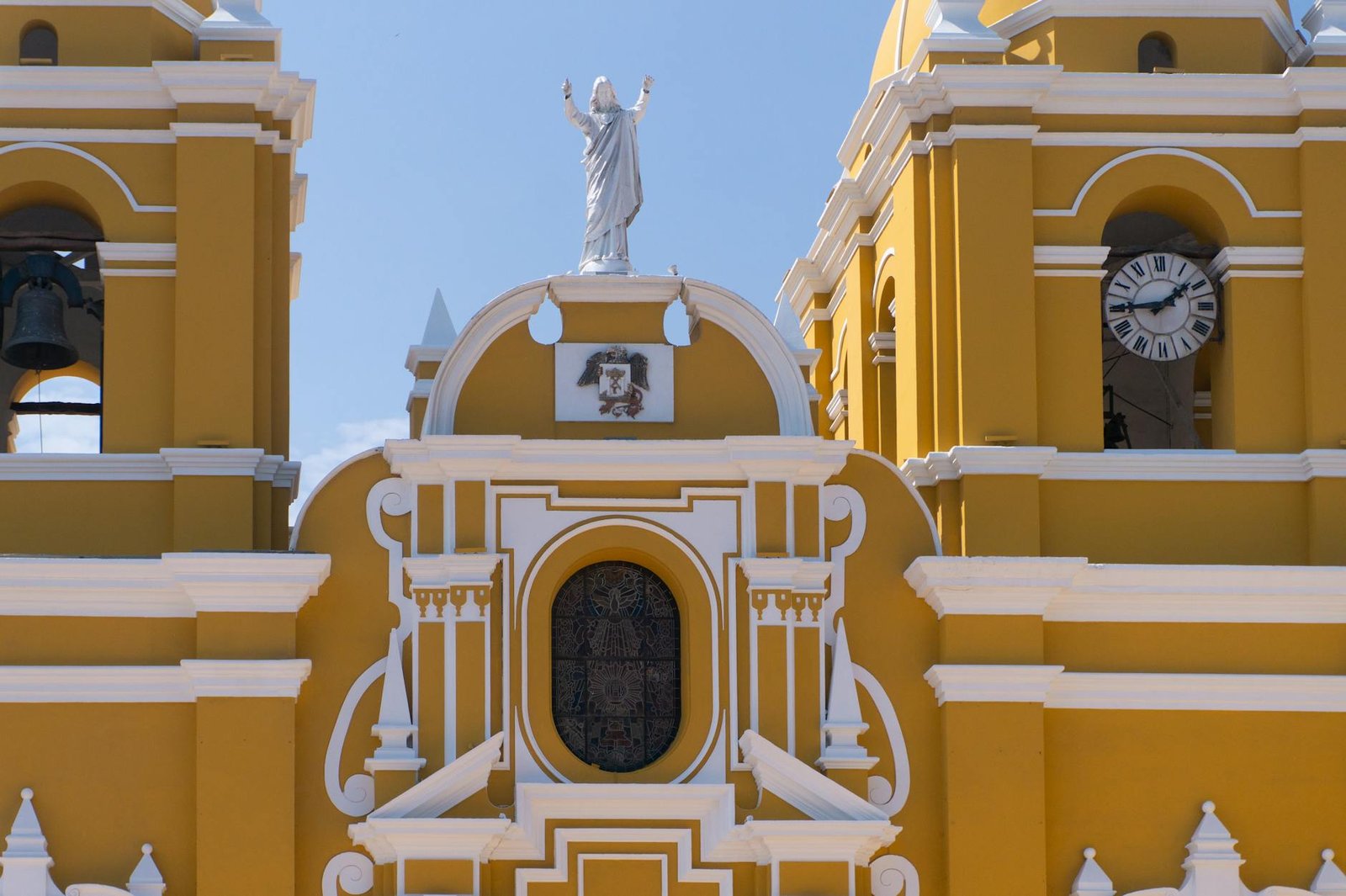
Peru's third-largest city, with a charming colonial plaza, cathedral, and regional restaurants. Less famous than Lima but a pleasant stop for lunch and a casual walk; primarily a base for archaeology tourism.
Book with the ship, or on your own?
Booking independently
- Often noticeably cheaper than the ship’s version of the same tour.
- Smaller groups and local operators, with traveler reviews you can read before you pay.
- Free cancellation on most tours, usually up to 24 hours before.
When the ship’s excursion makes sense
- Short port calls or long transfers where the timing is tight.
- Tender-only stops where getting ashore can run late.
- The ship waits for its own delayed excursions — it won’t wait for independent ones, so leave a buffer before all-aboard.
Going independent? Compare tours in Salaverry → — the best-reviewed ones sell out first.
We may earn a commission when you book through our links, at no extra cost to you — it’s how we keep these guides free.
Check The Port Traffic
Cruise Ships in Port
Once you have your shore plan, use the schedule to see how busy the harbour will be on your date, plus the ships, lines, and published call windows.
Sun
Mon
Tue
Wed
Thu
Fri
Sat
1
2
3
4
5
6
7
8
9
10
11
12
13
14
15
16
17
18
19
20
21
22
23
24
25
26
27
28
29
30
31
Quiet (1–2)
Busy (3–4)
Packed (5+)
0 scheduled calls
October 17, 2026
No scheduled cruise ship calls were found for this date selection. Pick a highlighted day on the calendar above, widen the range, or search for a different ship or line.
Port Overview
Salaverry is a small, industrial anchorage on Peru's north coast, roughly 40 km (25 miles) north of Trujillo. Ships anchor offshore; all passengers tender ashore. The port itself is utilitarian—a working harbor with limited passenger infrastructure. Salaverry exists primarily as a gateway to Peru's greatest pre-Columbian sites: Chan Chan (the largest adobe city in the Americas) and the Moche pyramids nearby. For archaeology lovers, a day here is worth the tender hassle and transport time. For everyone else, the port offers little reward for effort.
Is It Safe?
Salaverry itself is a working-class port town with no notable crime against tourists, but it has no tourist infrastructure and limited English. The surrounding region (Trujillo, archaeological sites) is generally safe during daylight in groups. Avoid walking alone at night or straying far from organized groups. Pickpocketing is rare but possible in crowded areas. Do not display large amounts of cash or expensive jewelry. Tap water is not safe; drink bottled water. The area is well-traveled by cruise tourists, so organized excursions are heavily trafficked and low-risk.
Accessibility & Walkability
Chan Chan and Moche sites involve walking on uneven, often sandy terrain with minimal shade and no handrails or designated accessible paths. Wheelchair access is not practical. Visitors with mobility limitations should inform excursion staff in advance; some routes can be shortened or modified. The tender from ship to shore involves steps and uneven platforms. Heat and sun exposure are significant; bring hat, sunscreen, and water even on short visits.
Outside the Terminal
The tender pier deposits you into a working harbor zone with informal taxi ranks, a few craft vendors, and general congestion. There is no organized terminal building or welcome area. The immediate surroundings are industrial: warehouses, fishing boats, and loading activity. Do not expect signage or English-speaking staff beyond your tour operator's representatives. Most cruisers are corralled into pre-arranged excursion groups immediately upon arrival.
Local Food & Drink
Salaverry itself has no worthwhile dining. Trujillo, 40 km south, offers regional Peruvian cuisine including ceviche, causa, and local anticuchos. Try informal restaurants on or near the Plaza Mayor for authentic, affordable meals ($5–12 USD). Most cruise excursions include a lunch stop in Trujillo or a set dining arrangement. Do not eat uncooked or unpasteurized items; stick to established restaurants recommended by your guide. Beverages: ask for bottled water everywhere; coffee and juice are widely available.
Shopping
Salaverry has minimal shopping. Trujillo's Plaza Mayor and surrounding streets have artisan markets selling textiles, pottery replicas, and alpaca goods. Quality and pricing vary; negotiate if buying from street vendors. Most cruisers buy Peruvian crafts in Lima or the airport rather than at this port. Excursion stops may include brief craft-market visits; expect mild pressure to buy.
Money & Currency
- Currency
- Peruvian Nuevo Sol (PEN)
- USD Accepted?
- Yes
- Card Payments
- Cards accepted in Trujillo restaurants and museums; unlikely at informal vendors or small sites.
- ATMs
- ATMs in Trujillo town center; none at port. Withdraw cash in advance or during city tour.
- Tipping
- Not obligatory; 10% in restaurants if service is good. Tour guides appreciate small tips ($5–10 USD per group).
- Notes
- USD is preferred and widely accepted. Small bills (1s, 5s) useful for vendors. Exchange rates are fair at ATMs and banks.
Weather & Best Time
- Best months
- May–September (austral winter/dry season: clear skies, cool mornings, warm afternoons, minimal rain).
- Avoid
- November–April (rainy season in highlands; coastal humidity increases; less comfortable for outdoor walking).
- Temperature
- Coastal Salaverry/Trujillo is dry year-round. Daytime 70–80°F (21–27°C); mornings cool. Sun exposure is intense; afternoon shade at sites is minimal.
- Notes
- Bring sunscreen, hat, and water even in cooler months. Dawn starts help avoid midday heat at exposed archaeological sites.
Airport Information
- Airport
- Jorge Chávez International Airport (Lima, LIM)
- Distance
- ~550 km (340 miles) south of Salaverry
- Getting there
- Fly into Lima; domestic flight or 8–10 hour drive to Salaverry area. Most cruisers embark/disembark in Lima, not Salaverry.
- Notes
- Salaverry is not a typical turnaround port. Pre-cruise stays are better arranged in Lima or Trujillo, not at this anchorage.
Getting Around from the Port
Organized ship excursion
Book through your cruise line's shore excursion program. Guides handle transport, entry, and basic narrative.
Private taxi or driver hire
Arrange through your hotel concierge or a local fixer before arrival. Taxi from tender point to Chan Chan or Trujillo.
Book a transfer 5% off with code TPO5 at checkoutTender to shore + local buses
Walk or taxi to local colectivos (shared minivans) heading to Trujillo or archaeological sites.
Book bus ticketsDetails last checked April 2026
Planning a cruise here?
Crystal Cruises, Holland America Line, Seabourn & more sail to Salaverry.
Practical Tips for Cruise Passengers
- Book your archaeological excursion through the ship before arrival; independent organizing is slow and unreliable, and guide quality varies dramatically.
- Wear sturdy, closed-toe hiking shoes (not sandals); sites involve walking on uneven sand and adobe rubble in intense sun.
- Bring at least 2 liters of water per person; shade and facilities at Chan Chan and Moche sites are minimal, and dehydration is a real risk.
- If you speak no Spanish, stay with your organized group; Salaverry and surrounding areas have minimal English, and independent navigation is frustrating and potentially unsafe.
Frequently Asked Questions
Yes, but only if you care about pre-Columbian archaeology. Chan Chan and Moche sites are world-class. If archaeology doesn't interest you, this port offers almost nothing; consider skipping or booking a light excursion and resting on the ship.
No. The port itself is industrial and non-touristy, with no English speakers or clear signage. All meaningful activities require organized transport. Independent cruisers should hire a private driver or book the ship's excursion.
A full day (6–7 hours) for a meaningful visit to Chan Chan plus one Moche site; 4–5 hours for a rushed half-day focusing on one major site. Tender time adds at least 1 hour round-trip.
Find cruises to Salaverry, Peru
Compare sailings and book with no fees — best price guaranteed.
We may earn a commission when you book through our links, at no extra cost to you — it’s how we keep these guides free.
✉ Sailing to Salaverry? Get your port-day plan
Tell us your sail date and we’ll email you a short Salaverry plan about 60 days out — when the good excursions start selling out — plus a final checklist 2 weeks before. Two emails, then done. We’ll send one note to confirm it’s really you — unsubscribe anytime.
Same itinerary network
View All
Ports Often Paired With Salaverry
South America

South America

Caribbean