

South America
South America
Salvador de Bahia Cruise Port Guide: Things to Do & Practical Tips
Brazil
Salvador has both a modern cruise terminal with direct pier access and anchorage options depending on ship size and itinerary.
Choose the Right Port Day
Best Overall
Spend the morning in Pelourinho — the most photogenic and culturally dense neighborhood in Brazil — then lunch at a local baiana restaurant serving moqueca or vatapá before returning to the ship.
Book Pelourinho Historic District from $60Best Beach
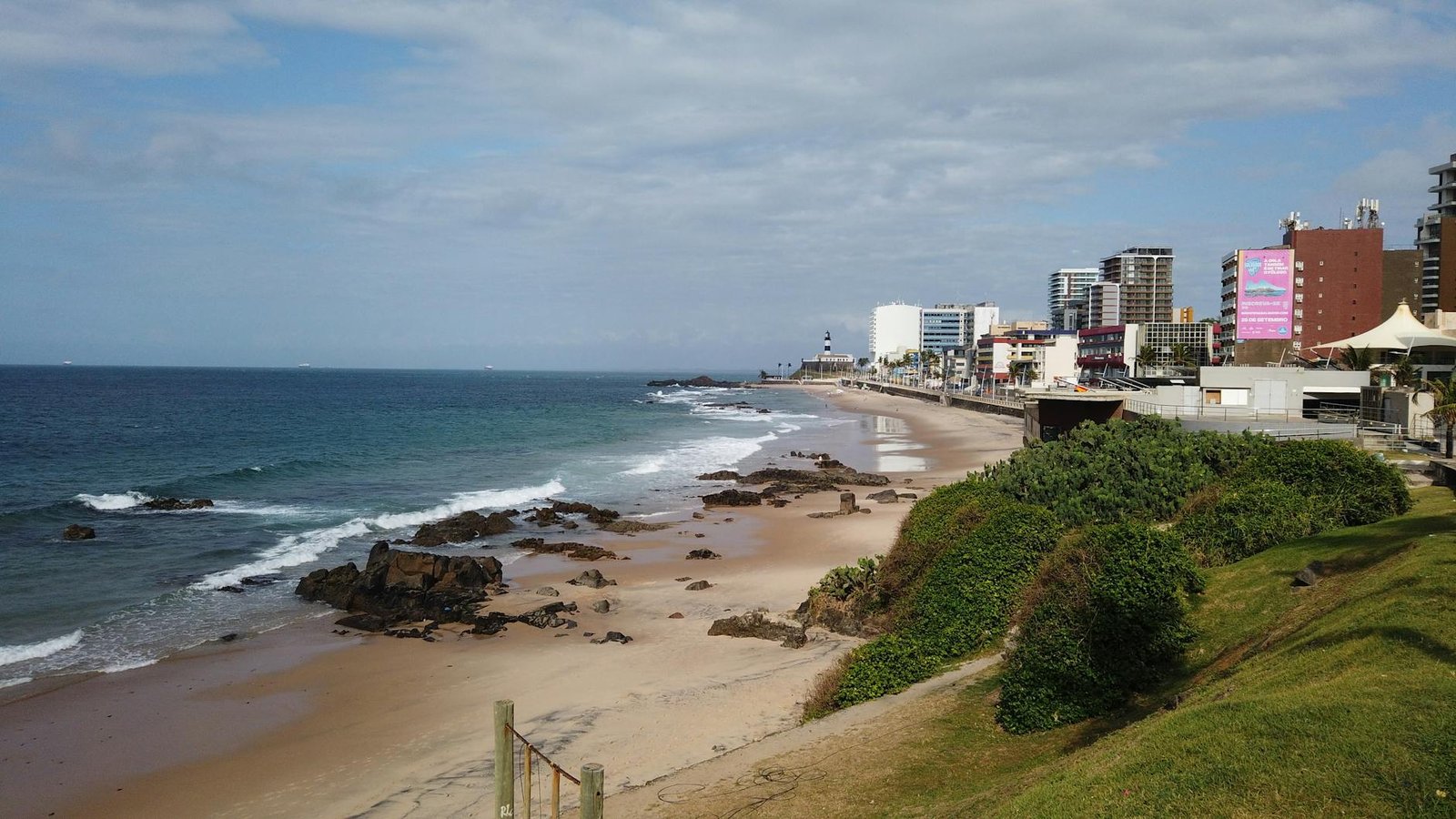
Porto da Barra Beach is the closest and most accessible urban beach, about 20–30 minutes by taxi from the port, but it is a city beach rather than a resort destination.
With Kids
The Lacerda Elevator ride and the colorful streets of Pelourinho are engaging for kids; the Museu Afro-Brasileiro has striking visual exhibits that hold attention without being too text-heavy.
Only 3-4 Hours
Take a taxi straight to the Lacerda Elevator, ride it up to the Cidade Alta, walk the Pelourinho, duck into the Igreja de São Francisco for the gold-covered interior, and eat acarajé from a street vendor before heading back.
Cheapest Option
Walk or taxi to the Lacerda Elevator (check locally for current rates), explore Pelourinho on foot, eat street food like acarajé and coxinha for under $5 USD total, and browse the craft market at Mercado Modelo.
What To Avoid
Avoid overpriced organized 'city highlights' bus tours that rush you through Pelourinho in 45 minutes; the area is best explored on foot at your own pace. Also skip the lower port area itself — Mercado Modelo is fine but the surrounding streets are not scenic and are best passed through quickly.
Quick Take
- Port Type
- Historic City Port
- Best For
- History lovers, foodies, cultural travelers, and anyone curious about Afro-Brazilian heritage
- Avoid If
- You want a beach day or are uncomfortable with crowded, uneven cobblestone streets
- Walkability
- High within the Pelourinho historic district; the lower city near the port requires a lift or taxi to reach the upper city
- Budget Fit
- Very good — food, churches, and street culture cost little; taxis and tours are inexpensive by Western standards
- Good For Short Calls?
- Yes — Pelourinho and the Lacerda Elevator can fill three solid hours comfortably
Top Things To Do
1
Cooking class in Salvador, fun hands on experience with caips
Traveling is about finding out new things. One of the best ways is through culinary. So, learning about it gives you a good sense of the…
4hFree cancellation
2
City Tour Salvador Historica
A city that was born in 1549 has a lot of history to tell. The country's first capital, land of Caramuru and Paraguay, will surprise you…
4hFree cancellation
Our picks in Salvador de Bahia
3
Pelourinho Historic District
The core of any Salvador visit. UNESCO-listed colonial squares, brightly painted 17th- and 18th-century buildings, street musicians, capoeira performers, and a density of churches, cafes, and craft shops all within easy walking distance. This is the reason to come ashore.
4
Igreja e Convento de São Francisco
One of the most ornate Baroque churches in Latin America, its interior covered floor to ceiling in gilded carved wood. Even non-religious visitors consistently find it stunning. A short walk from the main Pelourinho square.
5
Lacerda Elevator
The city's Art Deco public elevator connecting the lower and upper cities has been running since 1873 in various forms. The ride takes under a minute but gives a great view over the bay. Ride it at least once — it is a functional piece of living history.
Show 3 more things to do in Salvador de Bahia
6
Museu Afro-Brasileiro (MAFRO)
A serious, well-curated museum in Pelourinho dedicated to Afro-Brazilian art, religion, and culture. The carved wooden panels depicting Candomblé orishas are genuinely impressive. Not large — you can see it thoroughly in under an hour.
7
Porto da Barra Beach
The most accessible urban beach in Salvador, with calm bay water, a small fort at one end, and a working local scene. Not a tropical postcard beach, but pleasant for a swim and a cold drink if you want to decompress. Best visited in the morning before the city heat peaks.
8
Mercado Modelo
Large craft market in the lower city selling local artisan goods — leather items, woodcarvings, lace, musical instruments, and Candomblé-related items. Quality varies wildly. Good for picking up one or two meaningful souvenirs; skip it if you are short on time and have already decided you do not want to shop.
Book with the ship, or on your own?
Booking independently
- Often noticeably cheaper than the ship’s version of the same tour.
- Smaller groups and local operators, with traveler reviews you can read before you pay.
- Free cancellation on most tours, usually up to 24 hours before.
When the ship’s excursion makes sense
- Short port calls or long transfers where the timing is tight.
- Tender-only stops where getting ashore can run late.
- The ship waits for its own delayed excursions — it won’t wait for independent ones, so leave a buffer before all-aboard.
Going independent? Compare tours in Salvador de Bahia → — the best-reviewed ones sell out first.
We may earn a commission when you book through our links, at no extra cost to you — it’s how we keep these guides free.
Check The Port Traffic
Cruise Ships in Port
Once you have your shore plan, use the schedule to see how busy the harbour will be on your date, plus the ships, lines, and published call windows.
Sun
Mon
Tue
Wed
Thu
Fri
Sat
1
2
3
4
5
6
7
8
9
10
11
12
13
14
15
16
17
18
19
20
21
22
23
24
1 ship
25
1 ship
26
27
28
29
30
31
Quiet (1–2)
Busy (3–4)
Packed (5+)
0 scheduled calls
October 19, 2026
No scheduled cruise ship calls were found for this date selection. Pick a highlighted day on the calendar above, widen the range, or search for a different ship or line.
Port Overview
Cruise ships calling Salvador de Bahia dock at the Porto de Salvador terminal, located in the lower city (Cidade Baixa) near the commercial waterfront. The terminal itself is functional and straightforward, with taxis and tour operators immediately outside. The main reason to come ashore is the Pelourinho, the UNESCO-listed colonial center perched in the upper city — a roughly 15-minute ride by taxi or a short trip on the historic Lacerda Elevator, one of the city's iconic landmarks.
Salvador is the cultural heartbeat of Afro-Brazilian identity. More than 80 percent of its population traces roots to West Africa, and that heritage shapes everything here — the food, the music, the religion, and the street life. Candomblé ceremonies, capoeira demonstrations, and women in traditional white baiana dress are everyday sights, not tourist performances.
The city is genuinely rewarding for a port day if you go in with realistic expectations. It is vibrant, loud, dense, and authentically itself — it is not polished for cruise tourists. That is the point. If you want a sanitized experience, this port will feel uncomfortable. If you want one of the most culturally distinct cities in the Western Hemisphere, Salvador delivers easily within a single shore day.
Some cruise lines dock here on turnaround days and others as a transit call. If you are embarking here, consider arriving a day early — the city deserves more than a few hours, and the hotel and food scene in Pelourinho and Rio Vermelho neighborhoods is strong.
Is It Safe?
Salvador has a reputation as one of Brazil's edgier cities, and it is honest to acknowledge that. The Pelourinho historic district is well-policed during the day and reasonably safe for tourists, though petty theft and bag-snatching do occur. Keep cameras stowed when not in use, avoid displaying expensive jewelry or watches, and use a crossbody bag rather than a backpack.
Avoid wandering beyond the clearly tourist-oriented streets of Pelourinho into adjacent neighborhoods you have not researched. The port area and lower city can feel rough; move through them with purpose rather than lingering. Using Uber or 99 instead of hailing random taxis significantly reduces common scam risk.
Night safety is a different matter — after dark, the calculus changes quickly. For a standard port day, you will be back on the ship well before that becomes relevant. Day visitors who stay in the main tourist zones and use common sense have thoroughly manageable experiences here.
Accessibility & Walkability
Salvador is challenging for travelers with mobility limitations. Pelourinho's streets are uneven, steeply pitched cobblestones — wheelchair access is extremely limited and tiring even for able-bodied visitors. The Lacerda Elevator is accessible, but the streets at the top are not.
The port terminal itself is modern and manageable at dock level. If mobility is a concern, a taxi to Porto da Barra beach or a seated lunch at a restaurant near the base of the elevator is a more realistic option than the full Pelourinho walk. Check with your cruise line about any adapted shore excursion offerings if this is a concern.
Outside the Terminal
Exiting the port terminal, you immediately enter the lower city waterfront. The Mercado Modelo — a large craft and souvenir market — is directly in front of you and is the most obvious first landmark. It is worth a quick browse but not a long stop. The Lacerda Elevator entrance is a short walk from here, visible and well-signposted. Taxi and rideshare pickup zones are active right outside the terminal gates. It is not a scenic immediate area, and the best approach is to move efficiently toward the upper city rather than lingering at port level.
Beaches Near the Port
Porto da Barra
The best beach for a port day — calm, bay-facing water, easy to reach, and with a local rather than resort feel. The small Forte de Santo Antônio da Barra sits at the tip of the headland for a photo opportunity.
Local Food & Drink
Salvador has one of the most distinctive regional cuisines in Brazil and eating here is genuinely worth your time and money. Bahian food is built on West African foundations — dendê (palm) oil, coconut milk, fresh seafood, and spice — and it tastes like nothing else in South America.
Acarajé is the essential street food: black-eyed pea fritters fried in palm oil and stuffed with shrimp, vatapá paste, and hot sauce. Buy them from a baiana de acarajé — a woman in traditional white dress — for a few dollars. Moqueca (seafood stew in coconut milk and palm oil) and vatapá (a thick, savory shrimp paste) are the restaurant staples. A full moqueca lunch at a decent Pelourinho restaurant will run $10–18 USD per person.
Avoid tourist-trap restaurants directly on the main Pelourinho square — walk one or two streets back and the food quality improves and prices drop. The neighborhood of Rio Vermelho is the local dining favorite if you have time to venture further, but it is a longer taxi ride and mainly worth it for an evening rather than a port day.
Shopping
Mercado Modelo is the most convenient stop for crafts and gifts close to the port. Pelourinho itself has independent shops selling local art, musical instruments (especially percussion), Candomblé items like beads and figurines, and Bahian lace. Quality varies — take your time and handle items before buying.
Bargaining is expected at market stalls and acceptable in most small independent shops; less so in established stores. The best value buys are locally made ceramics, hand-painted tiles, and handmade percussion instruments. Branded fashion and international goods are not a reason to shop here.
Money & Currency
- Currency
- Brazilian Real (BRL)
- USD Accepted?
- No
- Card Payments
- Widely accepted at restaurants, hotels, and larger shops in tourist areas; smaller vendors and street food stalls are cash only
- ATMs
- ATMs available near Pelourinho and inside the port terminal; Banco do Brasil and Bradesco machines are most reliable for foreign cards
- Tipping
- 10% service charge is commonly added to restaurant bills; tip on top only for exceptional service. Small tips for street performers and guides are appreciated.
- Notes
- USD is not accepted in most places. Withdraw reais on arrival or at the port ATM. Inform your bank before travel. Avoid money changers on the street.
Weather & Best Time
- Best months
- September to March — lower humidity and drier conditions, though Salvador is warm year-round
- Avoid
- April to June bring the heaviest rainfall
- Temperature
- 26–32°C (79–90°F); humid
- Notes
- Salvador sits just south of the equator and is hot and humid at all times. Light, breathable clothing and sunscreen are essential. Even in the dry season, brief tropical downpours are possible — a small umbrella is useful.
Airport Information
- Airport
- Deputado Luís Eduardo Magalhães International Airport (SSA)
- Distance
- Approximately 28 km from the cruise terminal
- Getting there
- Taxi and rideshare (Uber/99) are the practical options; no direct metro connection. Journey time 35–60 minutes depending on traffic.
- Notes
- If you are embarking here, plan for potential traffic delays and allow at least 2.5 hours before your ship's all-aboard time if transferring from the airport on embarkation day.
Getting Around from the Port
Taxi
Most reliable option from the port to Pelourinho or Porto da Barra. Official taxis are metered; agree on a destination clearly and use metered rides or negotiate before getting in.
Book a transfer 5% off with code TPO5 at checkoutLacerda Elevator
Historic public elevator connecting the lower city (port level) to the upper city (Pelourinho level). Fast, cheap, and worth the ride for the view alone.
Uber / 99
App-based rideshare is available throughout the city and strongly recommended over street taxis for solo travelers and small groups.
Check Uber fareWalking
Once you are in Pelourinho, nearly everything worth seeing is walkable. The historic district is compact and best explored on foot.
Details last checked April 2026
Planning a cruise here?
MSC Cruises, Costa Cruises, Seabourn & more sail to Salvador de Bahia.
Practical Tips for Cruise Passengers
- Download Uber or 99 before you arrive — app-based rides are significantly safer and more transparent on price than hailing street taxis as a tourist.
- Wear flat, closed-toe shoes in Pelourinho; the cobblestones are steep and uneven and will punish sandals or heels within the first block.
- The Candomblé and Afro-Brazilian culture here is a living practice, not a performance. Be respectful when photographing religious items, altars, or people in ceremonial dress — always ask first.
- Carry small BRL bills for street food and market purchases; vendors rarely have change for large notes and cash-only is the norm outside of restaurants.
- If your ship departs in the evening, Salvador is safe and worthwhile in the late afternoon — the golden light on the Pelourinho facades is excellent for photography and the streets are lively.
- Pelourinho can feel overwhelming if you arrive with a large ship crowd all at once; head there early in your port day to beat the midday rush.
Frequently Asked Questions
The Pelourinho tourist district during daytime is reasonably safe with normal urban precautions — no flashy jewelry, bag held close, use Uber rather than random taxis. Petty theft happens, but visitors who stay in tourist areas and stay alert have manageable experiences.
Not practically — the terminal is in the lower city and Pelourinho is in the upper city, connected by a steep elevation change. Take the Lacerda Elevator or a taxi; the elevator is the cheapest and most interesting option.
Yes, for a first visit. Pelourinho, the São Francisco church, and a street food lunch can fill three to four solid hours without feeling rushed. A full day lets you add Porto da Barra beach and deeper neighborhood exploration.
Independent exploration works very well in Pelourinho — the area is compact, well-signposted, and easy to navigate on foot. A guide adds context on Candomblé and colonial history if that depth matters to you, but is not necessary for a good visit.
Acarajé from a street vendor is the non-negotiable food experience — fried fritters stuffed with shrimp and vatapá paste, eaten standing on the pavement. Follow it with a bowl of moqueca (seafood coconut stew) at lunch if your schedule allows.
Find cruises to Salvador de Bahia, Brazil
Compare sailings and book with no fees — best price guaranteed.
We may earn a commission when you book through our links, at no extra cost to you — it’s how we keep these guides free.
✉ Sailing to Salvador de Bahia? Get your port-day plan
Tell us your sail date and we’ll email you a short Salvador de Bahia plan about 60 days out — when the good excursions start selling out — plus a final checklist 2 weeks before. Two emails, then done. We’ll send one note to confirm it’s really you — unsubscribe anytime.
Same itinerary network
View All
Ports Often Paired With Salvador de Bahia

Mediterranean
South America

South America