


Mediterranean
Mediterranean
Santa Cruz de la Palma Cruise Port Guide: Things to Do & Practical Tips
Spain
Ships dock at Muelle de Cruceros (cruise pier) in the harbor; smaller vessels may use tender boats depending on berthing availability.
Choose the Right Port Day
Best Overall
Combine the historic town walk with a drive up to the Roque de los Muchachos observatory road for volcanic crater views — either by hire car or a small group excursion. This is what makes La Palma genuinely different from other Canary Island stops.
Book Roque de los Muchachos Observatory Viewpoint from $68Best Beach
La Palma is a volcanic island — most beaches are black sand or pebble. Charco Azul is a natural sea pool about 12 km north worth the trip if you want a swim, but don't come expecting a classic white-sand beach.
With Kids
Head to the harbour seafront and the replica of Columbus's ship Santa María, which is now a small naval museum — kids find it engaging and it is right next to the pier.
Only 3-4 Hours
Walk straight off the ship along Avenida Marítima, spend an hour in the historic centre around Plaza de España and the colourful Casas Colgantes (hanging houses), visit the Iglesia El Salvador, then grab lunch at a local tapas bar near Calle O'Daly before heading back.
Cheapest Option
Walk the old town entirely on foot, free of charge. Add lunch at a local café on Calle O'Daly for around €10-14 per person and you have a full, satisfying morning for very little.
What To Avoid
Do not waste the day in the immediate port shopping area — there is little of substance there. Also avoid rushing up to the Caldera de Taburiente without a plan; it is a long round trip and needs a full day with transport sorted in advance.
Quick Take
- Port Type
- Historic Small Port
- Best For
- Walkers, history lovers, volcano hikers, and anyone wanting a genuinely local Canarian experience without crowds
- Avoid If
- You need a beach day, duty-free shopping, or big resort amenities — this island does not deliver those
- Walkability
- Excellent in the town itself; the historic centre is flat, compact, and easy on foot within 15 minutes of the pier
- Budget Fit
- Strong — local restaurants and tapas bars are reasonably priced, and most town sights are free
- Good For Short Calls?
- Yes — the old town is fully doable in 3-4 hours; a volcano excursion needs a full day
Top Things To Do
1
Boat trip along the Northwest Coast of La Palma
Come and contemplate two million years of volcanic history, witnessing some of the wonders that the northeast of La Palma displays on its coast. Our walk…
2h
2
Visit Bodegas Teneguía winery in La Palma with wine Tasting
Visit Bodegas Teneguía, one of the most awarded wineries of the Canary Islands, where you get to know more about winemaking in La Palma, besides being…
1h
Our picks in Santa Cruz de la Palma
3
Walk the Historic Centre: Calle O'Daly and Plaza de España
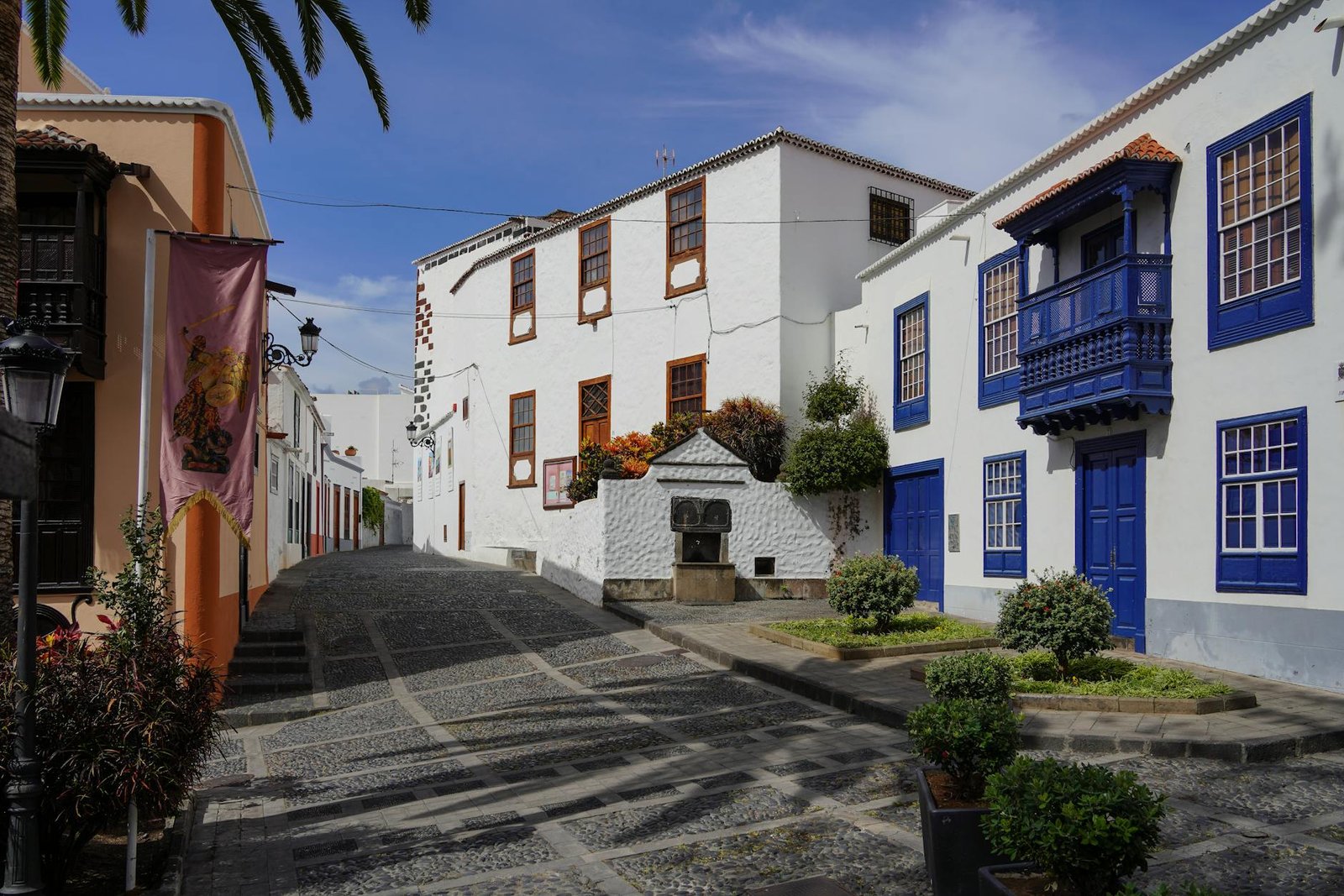
The pedestrianised Calle O'Daly is the spine of the old town — lined with well-preserved colonial architecture, local shops, and cafés. Plaza de España anchors the route with the 16th-century Iglesia El Salvador and the balconied town hall. This is the essential La Palma experience and it is entirely free.
4
Santa María Naval Museum
A full-scale replica of Columbus's flagship, moored on the waterfront and converted into a small naval museum. Modest but interesting, especially for families. It is steps from where your ship docks.
5
Roque de los Muchachos Observatory Viewpoint
Driving to the summit road at 2,426m gives views across the entire island, down into the Caldera de Taburiente, and on clear days out to Tenerife. The road itself is the experience — dramatic volcanic ridgeline with little traffic. Requires a hire car or organised excursion.
Show 3 more things to do in Santa Cruz de la Palma
6
Caldera de Taburiente National Park
One of the most impressive geological features in the Atlantic — a massive erosion crater you can view from above or enter via trail. The Visitor Centre near El Paso provides context. Access requires transport and a realistic time budget. Don't rush this.
7
Charco Azul Natural Sea Pool
A series of natural volcanic rock pools on the northern coast, filled by the sea. The water is clear and the setting dramatic. This is the best swimming option on the island for cruise visitors — far better than trying to find a conventional beach.
8
Tapas and Local Food in the Old Town
La Palma has a strong local food culture — mojo sauces, papas arrugadas (wrinkled potatoes), fresh fish, and local Malvasía wine. Several genuine local bars and restaurants cluster around Calle O'Daly and the market area. Budget one meal here; it is worth the time.
Book with the ship, or on your own?
Booking independently
- Often noticeably cheaper than the ship’s version of the same tour.
- Smaller groups and local operators, with traveler reviews you can read before you pay.
- Free cancellation on most tours, usually up to 24 hours before.
When the ship’s excursion makes sense
- Short port calls or long transfers where the timing is tight.
- Tender-only stops where getting ashore can run late.
- The ship waits for its own delayed excursions — it won’t wait for independent ones, so leave a buffer before all-aboard.
Going independent? Compare tours in Santa Cruz de la Palma → — the best-reviewed ones sell out first.
We may earn a commission when you book through our links, at no extra cost to you — it’s how we keep these guides free.
Check The Port Traffic
Cruise Ships in Port
Once you have your shore plan, use the schedule to see how busy the harbour will be on your date, plus the ships, lines, and published call windows.
Sun
Mon
Tue
Wed
Thu
Fri
Sat
1
2
3
4
5
6
7
8
9
10
11
12
13
14
15
16
17
18
19
20
21
22
23
24
25
26
27
28
29
30
Quiet (1–2)
Busy (3–4)
Packed (5+)
0 scheduled calls
September 26, 2026
No scheduled cruise ship calls were found for this date selection. Pick a highlighted day on the calendar above, widen the range, or search for a different ship or line.
Port Overview
Santa Cruz de la Palma sits on the eastern coast of La Palma, one of the least developed and most dramatically volcanic of the Canary Islands. Ships dock at the commercial port directly adjacent to the town centre — you step off and you are effectively already in the destination, which is a genuine advantage over many Canary Island ports where a transfer is needed.
The town itself is a well-preserved Spanish colonial grid, genuinely lived-in rather than tourist-polished. The Calle O'Daly pedestrian street and the Plaza de España form the social and architectural heart of the place, and both are walkable within minutes of the pier. You will not find a duty-free shopping mall or a beach strip here — the appeal is quiet streets, good food, and honest Canarian atmosphere.
For those willing to venture beyond town, La Palma rewards effort. The island holds the Caldera de Taburiente, one of the largest erosion craters in the world, and the Roque de los Muchachos at 2,426 metres hosts some of Europe's most important astronomical observatories. These landscapes are the real reason to extend the day — but they require transport and time. Be realistic about what fits into your ship's schedule.
If your ship has a short port call (under 5 hours), stay in town. If you have 7 or more hours, getting into the volcanic interior is worth the effort.
Is It Safe?
Santa Cruz de la Palma is a quiet, low-crime town and one of the most relaxed stops in the Canary Islands. Standard precautions apply — keep valuables out of sight in busy areas — but there is no meaningful safety concern for cruise visitors spending the day here.
The main practical risk is volcanic terrain: if you hike or drive into the caldera, stick to marked paths and do not attempt unsupported off-trail hiking. Weather in the highlands can shift quickly even on a sunny day in town. Carry a layer if heading up.
Accessibility & Walkability
The seafront promenade and main pedestrian street Calle O'Daly are flat and manageable for most mobility levels. The Plaza de España area is similarly accessible. However, streets inland from the waterfront climb steeply and quickly, making much of the residential town difficult for wheelchair users or those with limited mobility.
The volcanic interior, Caldera de Taburiente, and most hiking areas are not wheelchair accessible. Cruisers with mobility requirements will find the town centre a good half-day without needing to venture far, but the island's most dramatic scenery is largely off-limits without significant physical effort.
Outside the Terminal
You exit the terminal directly onto the seafront Avenida Marítima, which is pleasant and immediately gives you a view along the historic waterfront. The replica Santa María ship museum is visible almost immediately to your right. There is no aggressive taxi or tour-seller gauntlet — the port is calm and the town simply begins in front of you. Turn left and walk a few minutes to reach Calle O'Daly and the historic centre. It feels like arriving in a functioning Spanish town rather than a tourist trap, which is part of what makes it worth the stop.
Beaches Near the Port
Charco Azul Natural Sea Pools
Not a beach in the conventional sense — these are natural volcanic rock pools on the northern coast with clear Atlantic water. The most practical swim option for cruisers and more scenic than any sand beach on the island.
Puerto Naos Beach
The island's main black-sand beach, located on the southwest coast. It was significantly affected by the 2021 Tajogaite volcano eruption — access and conditions have changed. Check current status before making this a priority.
Local Food & Drink
The old town has several solid options for lunch and snacks without needing to wander far. Calle O'Daly and the streets immediately behind it have local tapas bars that cater mainly to residents and visiting Spaniards rather than cruise tourists — which keeps quality up and prices reasonable. Look for papas arrugadas with mojo verde or mojo rojo, fresh grilled fish, and local cheese. Malvasía wine from La Palma is worth trying if you are a wine drinker — the volcanic soil gives it a distinct character.
Avoid eating at the very first cafés right at the port gate — the quality drops and prices rise in that first 100 metres. Walk five minutes into town and the options improve significantly. Budget around €10-16 per person for a full lunch with a drink at a mid-range local restaurant.
Shopping
La Palma is not a shopping destination and does not pretend to be. There are no duty-free malls or brand-name streets. What you will find on Calle O'Daly are small independent shops selling local crafts, cigars (La Palma has a modest tobacco tradition), local honey, mojo sauces, and Malvasía wine. These make sensible and authentic souvenirs. Don't expect high-street retail; do expect a few genuinely local things worth taking home.
Money & Currency
- Currency
- Euro (EUR)
- USD Accepted?
- No
- Card Payments
- Cards accepted at most restaurants and shops in the town centre; carry some cash for smaller bars and market stalls
- ATMs
- ATMs available in the town centre near Plaza de España; no issues accessing cash
- Tipping
- Not obligatory in Spain; rounding up or leaving small change is appreciated at local bars and restaurants
- Notes
- La Palma is generally affordable by Western European standards; no currency surprises for cruisers used to Spain
Weather & Best Time
- Best months
- October to April for cruise visits; the island has a mild year-round climate
- Avoid
- No strong avoid period; summer is warm but less ideal for hiking due to heat at altitude
- Temperature
- 18-24°C at sea level during peak cruise season; significantly cooler at altitude — bring a layer if heading to the caldera or observatory
- Notes
- La Palma can be cloudier and wetter than the eastern Canary Islands (Lanzarote, Fuerteventura) due to its elevation and position. Do not assume Canary Island sunshine — check forecast before planning a summit drive
Airport Information
- Airport
- La Palma Airport (SPC)
- Distance
- Approximately 8 km south of Santa Cruz de la Palma
- Getting there
- Taxi from port to airport takes around 15-20 minutes; local bus services also connect the airport to the capital
- Notes
- Relevant mainly for embarkation or disembarkation cruisers. Fred. Olsen, which is heavily associated with La Palma, sometimes uses this as an embarkation point. Connections via mainland Spain and other Canary Islands are available but frequency is limited — plan ahead
Getting Around from the Port
Walking
The entire historic centre is walkable from the pier. Avenida Marítima runs along the waterfront and connects directly to the town's main streets.
Taxi
Taxis are available at the port and are the most practical way to reach beaches, natural pools, or hiking trailheads outside town.
Book a transfer 5% off with code TPO5 at checkoutHire Car
Best option for cruisers with a full day and ambitions to explore the volcanic interior, Caldera de Taburiente access roads, or northern sea pools.
Local Bus (Transportes Insular LP)
Public buses connect the capital to major towns and some coastal points, but schedules are infrequent and designed for residents not tourists.
Book bus ticketsShip Shore Excursion
Fred. Olsen, Silversea, and other lines calling here typically offer volcano and caldera tours. A sensible choice if you want the interior without navigating transport yourself.
Details last checked April 2026
Planning a cruise here?
Costa Cruises, CroisiEurope, Windstar & more sail to Santa Cruz de la Palma.
Practical Tips for Cruise Passengers
- If your ship arrives early, walk the historic centre before 10:00 — the streets are quiet, the light is good for photos, and the town feels genuinely Spanish rather than tourist-crowded.
- Check your ship's all-aboard time carefully before committing to a volcano or caldera trip — mountain roads take longer than maps suggest and missing the ship here is a real inconvenience given the island's limited onward connections.
- The 2021 Tajogaite volcanic eruption affected the southwest of the island significantly — Puerto Naos and some roads may still be partially restricted. Verify current conditions before heading to that area.
- Hire cars book up fast on port days. If you want one, reserve online before your cruise, not on the day.
- La Palma has a very local, non-touristy feel compared to Gran Canaria or Tenerife. Lean into this — eat where locals eat, walk without a rigid plan, and the day tends to take care of itself.
- If the weather is clear and you have a full day, the Roque de los Muchachos drive is one of the best scenic experiences in the Canary Islands. If it is cloudy at the summit (common), it is not worth the trip — check conditions before committing.
Frequently Asked Questions
Yes, genuinely. It is one of the more authentic Canary Island stops — a working Spanish colonial town with real character, good food, and dramatic volcanic scenery nearby. It rewards cruisers who appreciate history and landscape over beach resorts.
Yes. The historic centre, Calle O'Daly, Plaza de España, and the Santa María museum are all within easy walking distance of the ship. You do not need any transport for a town-based day.
Only with a full day ashore — 7 or more hours minimum. You need transport (hire car or excursion), the drive takes around 40 minutes each way, and the viewpoint or hiking adds significant time. Do not attempt it on a short port call.
The town of Santa Cruz de la Palma and the north of the island were largely unaffected. The southwest coast, including Puerto Naos beach, was significantly impacted and some restrictions or changes may still apply. Check current conditions before visiting that area.
It works well for families who enjoy outdoor exploration and history. The Santa María ship museum is an easy win near the pier. Beyond that, it suits older children and teenagers more than very young kids — there are no theme parks or dedicated beach resorts.
Find cruises to Santa Cruz de la Palma, Spain
Compare sailings and book with no fees — best price guaranteed.
We may earn a commission when you book through our links, at no extra cost to you — it’s how we keep these guides free.
✉ Sailing to Santa Cruz de la Palma? Get your port-day plan
Tell us your sail date and we’ll email you a short Santa Cruz de la Palma plan about 60 days out — when the good excursions start selling out — plus a final checklist 2 weeks before. Two emails, then done. We’ll send one note to confirm it’s really you — unsubscribe anytime.
Same itinerary network
View All
Ports Often Paired With Santa Cruz de la Palma
Mediterranean
Mediterranean

Mediterranean
