
Australia & Pacific
Asia
Triton Bay Cruise Port Guide: Things to Do & Practical Tips
Indonesia
Ships anchor offshore; tender boats required to reach shore.
Choose the Right Port Day
Best Overall
Guided snorkel excursion to a recognized reef site (Kri Island area, Wayag fringing reef, or house reef); expect prolific fish, coral, and chance of larger pelagics.
Best Beach
Not a beach destination; focus instead on water-based reef and marine access. Nearby fringing reefs offer the closest 'water entry' experience.
With Kids
Kids' snorkel trip in shallow house reef or calm lagoon site; check age/swim ability requirements with the cruise director before departure.
Only 3-4 Hours
Join the ship's guided snorkel trip to a nearby reef or house reef; dinghy ride + 1.5–2 hours in water + return. Minimal planning needed; included in most small-ship itineraries.
Cheapest Option
Ship-included reef snorkel or guided walk ashore (if available); optional paid dives or private guide services run $50–150 USD per person.
What To Avoid
Do not expect a walkable town, vendors, or casual exploration; Triton Bay is a working anchorage in a marine conservation zone. Unguided reef entry is discouraged and risky.
Quick Take
- Port Type
- Remote expedition anchorage
- Best For
- Snorkelers, divers, wildlife watchers, and travelers seeking pristine reef and marine life encounters
- Avoid If
- You need shops, restaurants, Wi-Fi, or don't want to spend hours in a dinghy or on the water
- Walkability
- Not applicable; port is an anchorage with no docking facility or developed shore infrastructure
- Budget Fit
- All-inclusive (most costs bundled in cruise); optional extras (guide tips, equipment rental) modest
- Good For Short Calls?
- Yes; most excursions run 3–5 hours and anchor-to-anchor
Top Things To Do
1
Guided snorkel at ship-designated reef sites (Kri Island, Wayag area, or house reef)
The main attraction: snorkel pristine coral gardens, schooling barracuda, rare Raja Ampat endemic fish, and occasionally sharks and rays. Reefs are healthy and colorful. Ship provides guide, snorkel gear, and safety briefing.
2
Scuba diving (recreational or advanced)
Advanced snorkelers and certified divers can join ship-led dives to deeper reefs, walls, or drift sites. Encounters include larger pelagics, schooling sharks, and pristine coral formations. Requires PADI certification or higher.
3
Island landing and short nature walk (if offered)
Some itineraries include a guided walk on a nearby island (e.g., Wayag, Arborek) to see tropical forest, local Papuan settlements, or viewpoints. Typically brief (1–2 hours) and lightly developed.
Book with the ship, or on your own?
Booking independently
- Often noticeably cheaper than the ship’s version of the same tour.
- Smaller groups and local operators, with traveler reviews you can read before you pay.
- Free cancellation on most tours, usually up to 24 hours before.
When the ship’s excursion makes sense
- Short port calls or long transfers where the timing is tight.
- Tender-only stops where getting ashore can run late.
- The ship waits for its own delayed excursions — it won’t wait for independent ones, so leave a buffer before all-aboard.
We may earn a commission when you book through our links, at no extra cost to you — it’s how we keep these guides free.
Check The Port Traffic
Cruise Ships in Port
Once you have your shore plan, use the schedule to see how busy the harbour will be on your date, plus the ships, lines, and published call windows.
Sun
Mon
Tue
Wed
Thu
Fri
Sat
1
2
3
4
5
6
7
8
9
10
11
12
13
14
15
16
17
18
19
20
21
22
23
24
25
26
27
28
29
30
31
Quiet (1–2)
Busy (3–4)
Packed (5+)
0 scheduled calls
October 28, 2026
No scheduled cruise ship calls were found for this date selection. Pick a highlighted day on the calendar above, widen the range, or search for a different ship or line.
Port Overview
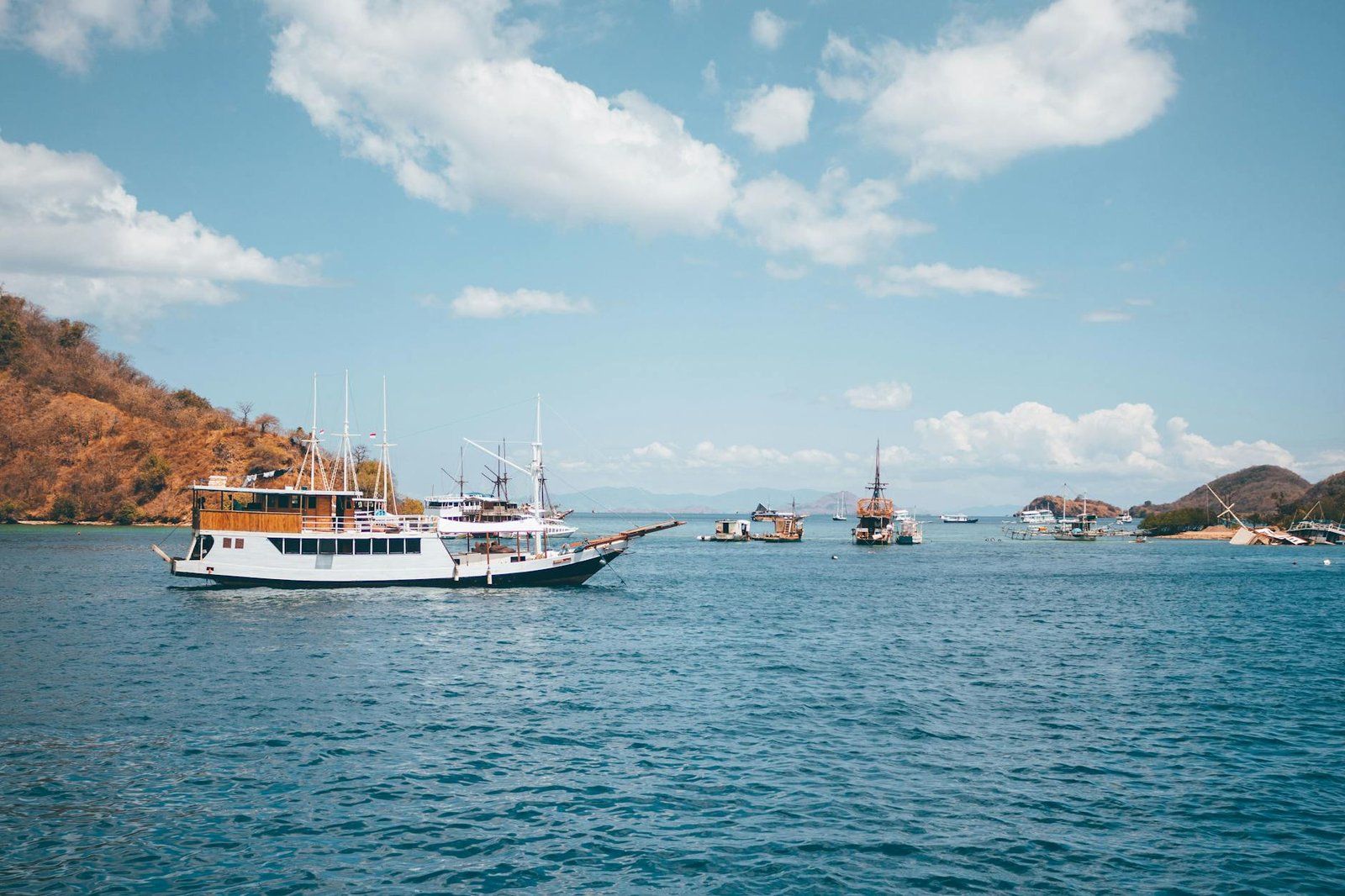
Triton Bay, located in Raja Ampat, West Papua, is a remote anchorage serving expedition and small luxury cruises (Seabourn, Ponant, Lindblad, Silversea). Ships drop anchor in protected waters; there is no pier or developed port facility. The bay is a UNESCO World Heritage site and global hotspot for marine biodiversity—pristine reefs, rare fish species, and stunning island scenery. Most shore time is spent in the water (snorkeling, diving) or on organized guided excursions via tender; casual town exploration is not an option. This is a specialist destination, not a general tourist port.
Is It Safe?
Triton Bay is a remote, strictly protected marine zone with minimal crime and no urban hazards. The main safety concern is water-related: strong currents, occasional rough tender passages, and limited rescue infrastructure. Never snorkel alone or outside designated sites; stick to ship-organized trips with trained guides. Decompression facilities are limited; divers with medical concerns should inform the ship physician in advance. Petty theft is rare but not unknown in anchorage settings; secure valuables in your cabin.
Accessibility & Walkability
Triton Bay is challenging for mobility-impaired guests. Tender boarding requires climbing a ladder or ramp in variable sea conditions; there is no wheelchair-accessible docking. Snorkeling itself is not accessible; neither is any shore walk. Guests with mobility concerns should contact the cruise line before booking to assess feasibility.
Outside the Terminal
There is no traditional terminal. Upon arrival, the ship anchors in open water. Tenders shuttle passengers from ship to reef sites, nearby island landings, or designated snorkel zones. The shoreline (if you land) is typically rocky, sandy, or overgrown tropical vegetation with minimal development—a working anchorage, not a resort or tourist hub. Expect to see other expedition ships and minimal human infrastructure.
Beaches Near the Port
Fringing reef shallow zones and nearby island approaches (Arborek, Pef, smaller islands)
Not traditional beaches; rather, rocky or sandy island foreshores with immediate reef access. Suitable for shallow snorkeling and wading but not sunbathing or long stays.
Local Food & Drink
Triton Bay has no restaurants, cafes, or food vendors. All meals are aboard the cruise ship. Ships in this region (Seabourn, Ponant, Silversea, Lindblad) provide high-quality onboard dining included in the cruise fare; menus often feature fresh seafood and locally-sourced ingredients when available. If you are on a very casual expedition cruise, pack snacks for long water days. No local food shopping is realistic.
Shopping
There are no shops in Triton Bay itself. A few nearby villages (Arborek, Pef) may have informal craft stalls or local guides selling small souvenirs (beaded items, carvings, post cards), but don't plan on substantial retail. Ship gift shops are the main outlet; prices are higher than Indonesia mainline. Bring cash (IDR or USD) if you plan to support local guides or artisans directly.
Money & Currency
- Currency
- Indonesian Rupiah (IDR); USD widely accepted on cruise ships and with local guides
- USD Accepted?
- Yes
- Card Payments
- Card payment aboard ship; not available ashore
- ATMs
- None in Triton Bay; withdraw cash before boarding or at a major Indonesian city
- Tipping
- Guide tips $10–20 USD per person for snorkel/dive guides; crew tips handled via shipboard account
- Notes
- Most cruise costs are pre-paid; carry small bills USD or IDR for occasional tips or informal transactions with local guides
Weather & Best Time
- Best months
- October–April (dry season); sea is calmer, visibility excellent, fewer rain squalls
- Avoid
- June–August (monsoon; rougher seas, occasional poor visibility)
- Temperature
- 28–30°C (82–86°F) year-round; water temperature 28–29°C
- Notes
- Rainy season (Nov–Feb) is still viable for cruising but expect afternoon showers. Sea conditions vary; small-ship expeditions operate year-round but high season (Oct–Apr) is preferred.
Airport Information
- Airport
- Sorong (SOQ) – Sorong International Airport
- Distance
- 100–130 km; ~2–3 hours by speedboat or small plane to Triton Bay
- Getting there
- Speedboat (charter), domestic flight to smaller airstrips, or transfer via cruise line pre-/post-cruise arrangement
- Notes
- Most expedition cruises are fly-in charters or include airport transfers in the package. Independent travel to Triton Bay is not practical.
Getting Around from the Port
Ship's tender (Zodiac or dinghy)
Primary transport from ship to reef sites, nearby islands, or any shore activity. Mandatory for all passengers.
Onboard dive/snorkel operation
Ship coordinates all reef access, guide assignments, and equipment; most passengers use ship-facilitated trips rather than independent booking.
Details last checked April 2026
Planning a cruise here?
Scenic Cruises sail to Triton Bay.
Practical Tips for Cruise Passengers
- Snorkel gear is usually provided by the ship, but bring or rent a quality underwater camera—the reef life is spectacular and fleeting; phone waterproof cases are adequate.
- Wear a rash guard or wetsuit to protect against sun and coral scrapes; reef shoes are essential if landing on rocky shores.
- Respect marine protected area rules: no collecting, no touching coral, no chasing fish. Triton Bay is a conservation zone; fines and removal are possible.
- If you are not a strong swimmer, inform the cruise director in advance; guides will assign you to shallow, protected snorkel sites with direct supervision.
Frequently Asked Questions
No. Triton Bay is a remote anchorage with minimal human infrastructure. All activities are water-based or organized by the ship. There is no casual town exploration.
No. Snorkeling is the main activity and is excellent for beginners. Diving is optional and requires certification; non-divers can snorkel the same reefs at shallower depths.
Tender operations may be delayed, curtailed, or rescheduled to calmer sites. The ship may stay anchored longer or move to a more protected area; your itinerary is flexible by design.
Find cruises to Triton Bay, Indonesia
Compare sailings and book with no fees — best price guaranteed.
We may earn a commission when you book through our links, at no extra cost to you — it’s how we keep these guides free.
✉ Sailing to Triton Bay? Get your port-day plan
Tell us your sail date and we’ll email you a short Triton Bay plan about 60 days out — when the good excursions start selling out — plus a final checklist 2 weeks before. Two emails, then done. We’ll send one note to confirm it’s really you — unsubscribe anytime.
Same itinerary network
View All
Ports Often Paired With Triton Bay

Australia & Pacific

Asia
Australia & Pacific
Papua New Guinea