
Australia & Pacific
Ships anchor offshore; tender boats required to reach the islands.
Choose the Right Port Day
Best Overall
Book the ship's guided lagoon snorkel or reef tour. It's organized, safe, and shows you what makes the atoll special without navigation stress.
Best Beach
Lagoon entrance or shallow atoll beach depends on which atoll your ship visits. Moorea or Fakarava atolls are most common. Beaches are narrow and modest; the lagoon itself is the main attraction.
With Kids
Guided shallow-water snorkel or glass-bottom boat tour; kids see fish and rays without long swims. Ask the ship's excursions desk what's age-appropriate.
Only 3-4 Hours
Book the ship's guided lagoon snorkel or reef exploration; it departs and returns on time and requires no logistics. Grab lunch at a beachside fare afterward if available.
Cheapest Option
Skip paid excursions. Wade or snorkel from the tender beach independently (free). Walk to nearby village, buy fresh fruit or a cold drink from a local shop ($2–5). Cost: minimal.
What To Avoid
Do not expect restaurants, shops, or facilities like those in Tahiti or Bora Bora. Many atolls have one small store and one or two family-run fare (establishments). Premium excursions (pearl farm tours, fish feeding, etc.) are pricey ($100–250) and not essential for a good visit.
Quick Take
- Port Type
- Remote atoll anchorage; expedition-focused.
- Best For
- Snorkeling, lagoon exploration, pearl farms, small-group interaction; passengers on luxury expedition ships.
- Avoid If
- You need infrastructure, busy shopping, multiple dining options, or ease of solo exploration.
- Walkability
- Limited. Most activity is water-based or requires local guide.
- Budget Fit
- Medium-high. Activities are guided and limited; bring cash.
- Good For Short Calls?
- Yes. Most visits are 4–6 hours; enough for snorkel, village walk, lunch.
Top Things To Do
1
Lagoon snorkel (ship excursion or independent)
Guided or self-guided snorkel in the atoll lagoon. Coral gardens, reef fish (parrotfish, surgeonfish, groupers), rays, and sometimes small sharks are common. Water is shallow (3–10 meters), clear, and warm. Ship excursions include guide, boat, and snorkel gear; independent snorkeling means you go from the beach on your own or with a local guide.
2
Pearl farm or atoll village tour (guided)
Visit a black-pearl farm (common on some atolls like Fakarava and Arutua) to see oyster cultivation. Guides explain the harvest process and show samples. Some tours include a village walk and lunch at a local fare. Educational and cultural, but pricey.
3
Village walk and local interaction
Walk to the nearest village, observe daily life, visit a small shop or café, and chat with locals. No formal tour needed. You'll see houses, breadfruit trees, fishing boats, and a very quiet pace of life. Bring cash to buy a snack or craft item if offered.
Book with the ship, or on your own?
Booking independently
- Often noticeably cheaper than the ship’s version of the same tour.
- Smaller groups and local operators, with traveler reviews you can read before you pay.
- Free cancellation on most tours, usually up to 24 hours before.
When the ship’s excursion makes sense
- Short port calls or long transfers where the timing is tight.
- Tender-only stops where getting ashore can run late.
- The ship waits for its own delayed excursions — it won’t wait for independent ones, so leave a buffer before all-aboard.
We may earn a commission when you book through our links, at no extra cost to you — it’s how we keep these guides free.
Check The Port Traffic
Cruise Ships in Port
Once you have your shore plan, use the schedule to see how busy the harbour will be on your date, plus the ships, lines, and published call windows.
Sun
Mon
Tue
Wed
Thu
Fri
Sat
1
2
3
4
5
6
7
8
9
10
11
12
13
14
15
16
17
18
19
20
21
22
23
24
25
26
27
28
29
30
31
Quiet (1–2)
Busy (3–4)
Packed (5+)
0 scheduled calls
October 2, 2026
No scheduled cruise ship calls were found for this date selection. Pick a highlighted day on the calendar above, widen the range, or search for a different ship or line.
Port Overview
The Tuamotus is an archipelago of 78 atolls east of Tahiti, visited mainly by luxury small-ship and expedition cruises (Paul Gauguin, Windstar, Regent, Silversea, Ponant, Lindblad). Ships anchor in the lagoon and tender passengers ashore; there is no formal cruise terminal. Each atoll is small, with minimal tourism infrastructure—typically one or two villages, a handful of shops, and no organized transport network.
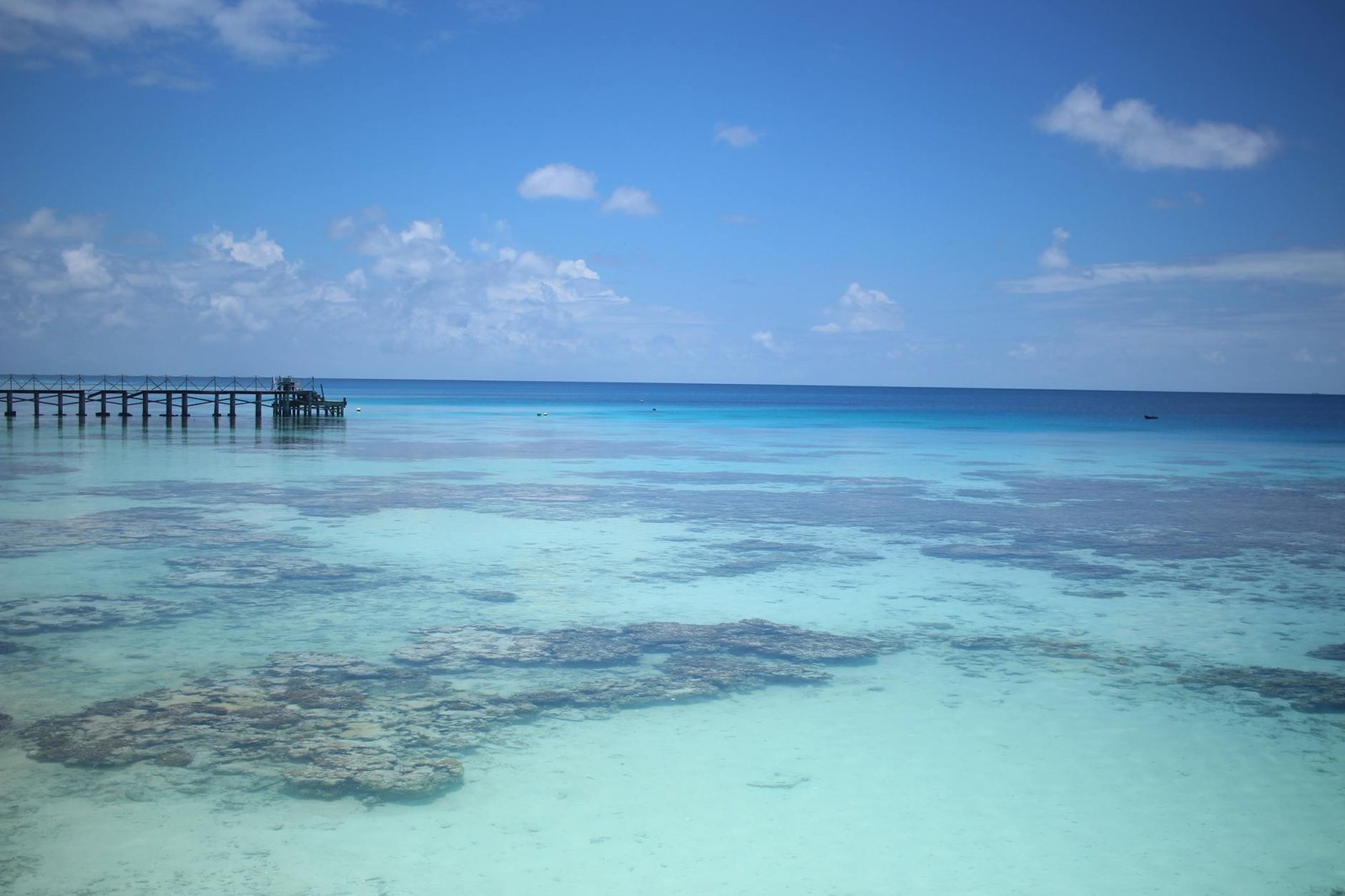
The real draw is the lagoon itself: world-class snorkeling, stunning coral, marine life, and isolation. A port day here is less about sightseeing and more about water activities, lagoon exploration, and brief interaction with quiet Polynesian communities. If you're on one of these ships, you chose this itinerary for the atolls, not for amenities.
Do not plan a full day of independent exploration or shopping. Plan 4–6 hours, book a ship excursion or snorkel independently, and expect to spend most of your time in or near the water. Cash is essential; ATMs may not exist on smaller atolls.
Is It Safe?
Tuamotus atolls are very safe. Crime against tourists is virtually nonexistent. Locals are friendly and welcoming. The main hazards are environmental: strong sun, coral cuts (wear reef shoes), stonefish and sea urchins in shallow water, and occasional strong currents in lagoon passes. Ask your guide or ship staff about water conditions before snorkeling. Dehydration is common; bring plenty of water. Mosquitoes are present, especially at dusk; bring repellent. No serious medical facilities on remote atolls; evacuation to Tahiti can take hours. Travel insurance with evacuation cover is strongly recommended.
Accessibility & Walkability
Atolls are not wheelchair-accessible. Terrain is sand, coral, and irregular. Tender transfers require good mobility and balance. Village walks are short but uneven. If you have mobility concerns, discuss options with your ship's crew before arrival; some excursions may be modified, but infrastructure on atolls is minimal. The lagoon itself is accessible if you can enter water safely with assistance.
Outside the Terminal
There is no terminal. Upon disembarking the tender, you step onto a sandy beach, usually lined with a few palm trees and a small village structure or fale (open-air shelter) in the distance. You will see a handful of locals, possibly a ship representative, and very few tourists. The air is warm, humid, and smells of salt and vegetation. The lagoon is immediately visible and striking—usually brilliant turquoise with visible coral. The beach may have a small shop, a café, or neither; do not assume services are available. Ask crew or guides about amenities before heading inland.
Beaches Near the Port
Atoll lagoon beach (landing area)
Small, sandy beach where tenders land. Narrow strip of white or pale sand backed by palms and village structures. Not a resort beach; very simple. Swimming is safe in designated areas; ask crew about currents and stonefish.
Lagoon reef beach (excursion sites)
Some ship excursions include transport to outer lagoon reefs or motu (small islets) with better beach access and fewer people. Water is shallow, clear, and excellent for snorkeling. Varies by atoll.
Local Food & Drink
Food options are extremely limited. The village may have one small café or fale serving basic meals: fish, rice, coconut dishes, and fruit. A meal costs $8–20 USD. Coffee and bottled water are available but may be pricey ($3–5 USD). Bring snacks and a water bottle from the ship if you're concerned. Some ships offer packed lunches as part of shore excursions; ask when you book. Fresh coconut, papaya, and breadfruit may be available from locals for $2–5 USD. Do not rely on restaurants; plan to eat lightly or eat before or after your port visit.
Shopping
Shopping is minimal. Small village shops (if they exist) stock basic groceries, cold drinks, and occasionally local crafts (shell necklaces, pareo, wood carvings). Prices are higher than in Papeete. Most atolls have no formal shops; goods are sold informally by locals. Black pearls are sold on some atolls but are expensive ($100–500+ USD) and should be purchased with caution; verify authenticity and provenance. Bring cash; cards are rarely accepted.
Money & Currency
- Currency
- CFP franc (XPF)
- USD Accepted?
- No
- Card Payments
- Rare or nonexistent on remote atolls. Assume cash only.
- ATMs
- Unlikely on most atolls. Larger atolls (Fakarava, Moorea) may have one ATM, but do not count on it. Withdraw cash in Papeete before your cruise.
- Tipping
- Not customary but appreciated for guides and informal services. Tip in cash if satisfied.
- Notes
- CFP franc is pegged to the euro. US$1 ≈ 100 XPF (approximate). Bring several hundred USD in small bills for exchange or use as backup. Credit cards work on ships but not ashore. Inform your bank of travel to avoid card blocks.
Weather & Best Time
- Best months
- May–October (dry season, cooler, fewer mosquitoes).
- Avoid
- November–April (cyclone season, humidity, rain, mosquitoes). Cruises still run but conditions are muggier and sea state can be rough.
- Temperature
- 78–84°F (26–29°C) year-round; humidity 70–85%.
- Notes
- Water temperature is warm (79–82°F / 26–28°C) year-round. Sun is intense; sunscreen SPF 50+ is essential. Afternoon showers are common in the wet season but brief. Strong trade winds (May–October) can kick up lagoon chop; tender transfers may be bumpy.
Airport Information
- Airport
- Arue International Airport (PPT) – Papeete, Tahiti (main hub).
- Distance
- Tuamotus are 300–400 km east of Papeete; typically reached by 1–2 hour interisland flight from PPT.
- Getting there
- Most passengers fly into Papeete, stay overnight or take a tour, then join the ship in the Tuamotus or vice versa. Air Tahiti operates flights to individual atolls (Fakarava, Arutua, Manihi, etc.). Cost: $150–300 USD one-way. Ships often coordinate pre-cruise flights and hotels.
- Notes
- Tuamotus have small airstrips but limited commercial service. Assume your cruise begins or ends in Papeete (Tahiti) with a connecting flight to the atoll. Book flights early; inventory is limited.
Getting Around from the Port
Tender (small boat from ship)
Ships anchor in the lagoon; tenders ferry passengers to a beach or dock. Tender schedules are set by the ship and are non-negotiable. Return times are strict.
Book ferry ticketsWalking
Once ashore, most atolls are small enough to walk. Villages are compact; lagoon beaches are adjacent to landing points.
Local guide or ship excursion
Ship organizes guided snorkel tours, reef walks, pearl farm visits, and village tours. Local guides may offer informal tours if you ask at the beach.
Details last checked April 2026
Planning a cruise here?
Paul Gauguin Cruises, Windstar Cruises, Regent Seven Seas Cruises & more sail to Tuamotus.
Practical Tips for Cruise Passengers
- Bring extra cash (CFP francs or USD) in small denominations. ATMs are unreliable or absent; you will need it for food, guides, and incidentals.
- Pack reef shoes or water socks to protect your feet from coral cuts and stonefish. Do not walk barefoot in the lagoon.
- Book ship excursions in advance if available. They fill quickly and are the safest, most efficient way to explore. Independent snorkeling from the beach is free and excellent but requires confidence.
- Sunscreen and insect repellent are essential. The sun is intense, and mosquitoes emerge at dusk. Bring SPF 50+ and DEET-based repellent from home; they are expensive or unavailable on atolls.
- Respect local customs. Ask before photographing people or buildings. Leave nothing behind and take all trash with you.
Frequently Asked Questions
Yes, if you enjoy snorkeling and water activities. The lagoon is exceptional, and the experience is unique compared to busier ports. If you want shopping, restaurants, or walking tours, skip it or manage expectations.
You can snorkel independently from the landing beach with your own gear or rented locally. Ship excursions are safer, include a guide, and often visit better reef sites. Both are valid; choose based on confidence and time.
Tuamotus are remote, quiet, and water-focused with minimal infrastructure. Tahiti and Bora Bora have restaurants, shops, and organized tours. If you want amenities and activity variety, visit the main islands; if you want pristine lagoon snorkeling and isolation, choose atolls.
Find cruises to Tuamotus, French Polynesia
Compare sailings and book with no fees — best price guaranteed.
We may earn a commission when you book through our links, at no extra cost to you — it’s how we keep these guides free.
✉ Sailing to Tuamotus? Get your port-day plan
Tell us your sail date and we’ll email you a short Tuamotus plan about 60 days out — when the good excursions start selling out — plus a final checklist 2 weeks before. Two emails, then done. We’ll send one note to confirm it’s really you — unsubscribe anytime.
Australia & Pacific
View All
More Australia & Pacific Ports
Australia & Pacific

French Polynesia
Makatea Island Cruise Port Guide: Things to Do & Practical Tips
Australia & Pacific
French Polynesia
Ua Pou Cruise Port Guide: Things to Do & Practical Tips
Australia & Pacific
French Polynesia