


Asia
Asia
Varanasi Cruise Port Guide: Things to Do, Getting Around & Practical Tips
India
Choose the Right Port Day
Best Overall
An early morning boat ride on the Ganges followed by a walk along the main ghats from Dashashwamedh to Manikarnika. Nothing else in India looks quite like this.
Best Beach
Not relevant — Varanasi is an inland river city on the Ganges with no beaches.
With Kids
A morning boat ride along the ghats is manageable and memorable for older children. Keep it short, stay hydrated, and avoid taking young kids deep into the crowded old city lanes.
Only 3-4 Hours
Head straight to Dashashwamedh Ghat by auto-rickshaw, take a 45-minute dawn or morning boat ride on the Ganges to see the ghats from the water, then walk the narrow lanes of the old city toward Vishwanath Gali for chai and street food before returning to the pier.
Cheapest Option
Auto-rickshaw to the ghats (under $2 each way), a shared rowboat ride ($3-5 per person), chai and street snacks for under $2 — a full morning for under $15 total.
What To Avoid
Avoid touts offering 'free' temple visits or silk shops — these almost always involve commission shops and wasted time. Manikarnika Ghat is a working cremation site; approach respectfully and ignore anyone demanding entry fees, which are not official.
Quick Take
- Port Type
- Sacred River City & Cultural Heritage Port
- Best For
- Spiritual seekers, history lovers, photographers, travelers who want a genuinely immersive Indian city experience
- Avoid If
- You dislike crowds, are sensitive to intense sensory environments, have mobility issues, or want a relaxing beach day
- Walkability
- Moderate to low — the historic ghats and old city lanes are walkable but narrow, chaotic, and uneven; auto-rickshaws or tuk-tuks are essential for getting around
- Budget Fit
- Very good — food, transport, and many sights are extremely affordable
- Good For Short Calls?
- Yes — the Dashashwamedh Ghat area and a morning boat ride can be done comfortably in 3-4 hours
Top Things To Do
1
Hidden Secrets of Varanasi: Vibrant Tradition (Guided Tour)
We are local guides. Our families have lived for many generations in Varanasi allowing us to know every hidden corner of this beautiful and ancient city,…
3hFree cancellation
2
Banaras Wala Tours
My name is Vinay Singh. I was born and raised in Varanasi and have spent over a decade guiding visitors — from solo travelers to YouTubers…
3hFree cancellation
Our picks in Varanasi
3
Morning Boat Ride on the Ganges
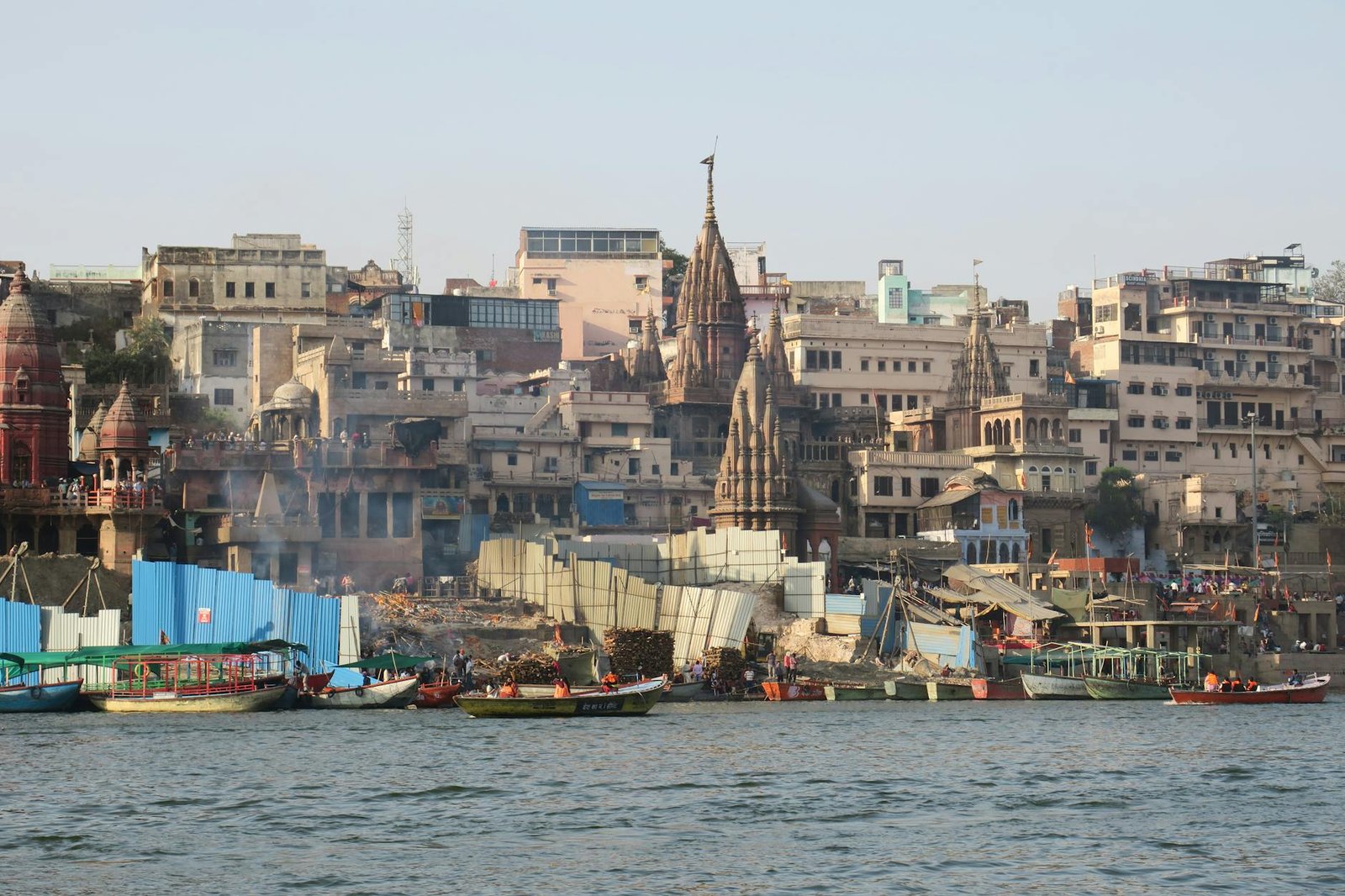
Hire a rowboat at dawn or in the morning to drift along the 7 km ghat waterfront. You see the entire city from the water — bathing pilgrims, temple spires, burning ghats, sadhus meditating — in a way you simply cannot get on foot. This is the definitive Varanasi experience.
4
Ganga Aarti Ceremony at Dashashwamedh Ghat
Every evening at dusk, priests perform the Ganga Aarti — a coordinated ritual of fire, bells, incense, and chanting that draws thousands of pilgrims and visitors. It is genuinely spectacular and completely free to watch from the steps or from a boat on the river.
5
Walking the Main Ghats
The stone steps of the main ghats — Dasaswamedh, Munshi, Scindia, Panchganga — form a long riverside promenade that is endlessly interesting to walk. Each ghat has its own character and daily activity. Allow time to sit, watch, and let the city wash over you.
Show 7 more things to do in Varanasi
6
Kashi Vishwanath Temple Complex
One of the 12 Jyotirlinga shrines of Shiva, this newly expanded temple corridor opened in 2021 and is far more navigable than the old cramped alley access. Non-Hindus can visit the complex (though not the inner sanctum). The architecture and the pilgrim energy are worth seeing.
7
Old City Lanes (Vishwanath Gali)
The medieval lanes behind the ghats are chaotic, narrow, and fascinating — silk shops, flower stalls, tea sellers, temples tucked into every corner. It is easy to get turned around, which is half the point. A local guide makes this more rewarding and less frustrating.
8
Manikarnika Ghat (Cremation Ghat)
The main Hindu cremation site on the Ganges, burning 24 hours a day, 365 days a year. It is profound and confronting in equal measure. Approach respectfully from the steps — photography is not permitted. Ignore anyone demanding a fee to stand nearby.
9
Sarnath (Deer Park & Buddhist Ruins)
A short ride from Varanasi, Sarnath is where the Buddha gave his first sermon after enlightenment. The Dhamek Stupa, excavated ruins, and Sarnath Museum housing the famous Lion Capital make this a genuinely significant historical site worth the detour if time allows.
10
Varanasi Silk Weaving
Banarasi silk is famous across India and the world. The weaving lanes in the Lallapura and Madanpura areas are where small workshops produce the real thing. Visiting a genuine workshop (not a commission shop) is interesting, and buying direct from weavers is the best value.
11
Ramnagar Fort
Across the Ganges from the main ghats, this 18th-century fort was the seat of the Maharaja of Varanasi. It houses a museum with vintage cars, palanquins, and antique weaponry. Less visited than the ghats, which means less hustle.
12
Street Food Breakfast Near the Ghats
Varanasi's street food is exceptional — kachori sabzi (fried bread with spiced potato), jalebi, thandai (a spiced milk drink), and the best lassi in India at places like Blue Lassi near Vishwanath Gali. This is not a detour, it is part of the experience.
Book with the ship, or on your own?
Booking independently
- Often noticeably cheaper than the ship’s version of the same tour.
- Smaller groups and local operators, with traveler reviews you can read before you pay.
- Free cancellation on most tours, usually up to 24 hours before.
When the ship’s excursion makes sense
- Short port calls or long transfers where the timing is tight.
- Tender-only stops where getting ashore can run late.
- The ship waits for its own delayed excursions — it won’t wait for independent ones, so leave a buffer before all-aboard.
Going independent? Compare tours in Varanasi → — the best-reviewed ones sell out first.
We may earn a commission when you book through our links, at no extra cost to you — it’s how we keep these guides free.
Check The Port Traffic
Cruise Ships in Port
Once you have your shore plan, use the schedule to see how busy the harbour will be on your date, plus the ships, lines, and published call windows.
Sun
Mon
Tue
Wed
Thu
Fri
Sat
1
2
3
4
5
6
7
8
9
10
11
12
13
14
15
16
17
18
19
20
21
22
23
24
25
26
27
28
29
30
31
Quiet (1–2)
Busy (3–4)
Packed (5+)
0 scheduled calls
October 13, 2026
No scheduled cruise ship calls were found for this date selection. Pick a highlighted day on the calendar above, widen the range, or search for a different ship or line.
Port Overview
Varanasi — also called Benares or Kashi — is one of the oldest continuously inhabited cities on earth and Hinduism's holiest pilgrimage site. Ships visiting as part of Ganges river cruise itineraries typically dock or moor at Raj Ghat pier, on the northern end of the ghat waterfront, placing you within striking distance of the famous stepped embankments that define the city.
This is not a port that eases you in gently. Varanasi is loud, intensely crowded, spiritually charged, and unlike almost anywhere else. The narrow lanes of the old city (the Vishwanath Gali area) are a labyrinth of temples, flower sellers, sadhus, and motorbikes. The ghats stretch for roughly 7 km along the river and are the real reason to come ashore.
Varanasi is also a major embarkation and disembarkation point for Ganges river cruises. If you are starting or ending your voyage here, budget an extra day — the city rewards time, and the chaos of arrival or departure day is much easier to handle without a boarding deadline.
For shore-day visitors, the city is absolutely worth the effort. But go in knowing it demands patience, comfortable shoes, and a willingness to simply absorb rather than control your experience.
Is It Safe?
Varanasi is generally safe for tourists in terms of violent crime, but petty scams are common and persistent. The most frequent issue is touts steering you toward commission-based silk shops or offering 'free' temple blessings that end with a donation demand. Politely decline and keep moving.
The Ganges is heavily polluted — do not swim or allow river water to get in your mouth during boat rides. Food safety is worth being careful about: stick to hot, freshly cooked street food and avoid cut fruit or anything left sitting out. Bottled water only.
The ghat areas after dark, particularly around Manikarnika (the main cremation ghat), are not recommended for solo travelers unfamiliar with the city. If you are on a ship that arrives in the afternoon, plan your ghat visit for early evening at Dashashwamedh Ghat to witness the Ganga Aarti ceremony, which is public and well-attended.
Accessibility & Walkability
Varanasi is challenging for travelers with mobility limitations. The ghats consist entirely of stone steps that are often uneven, wet, slippery, and crowded. The old city lanes are far too narrow and chaotic for wheelchairs. Even for able-bodied travelers, the terrain is demanding — expect a lot of uneven surfaces, sudden steps, and crowds.
Cruise lines offering Varanasi as a port typically provide guided shore excursions that handle logistics, which is the most practical option for anyone with mobility concerns. The boat rides on the Ganges involve stepping in and out of low wooden boats from stone steps, which also requires reasonable balance and mobility.
Outside the Terminal
Raj Ghat pier sits at the northern end of the ghat waterfront, close to the old railway bridge. The immediate area outside the terminal is functional rather than scenic — expect auto-rickshaws, taxis, and touts offering tours. It is not a polished port welcome area. Your cruise line or a pre-arranged guide will typically meet you here. If you are going independently, agree on an auto-rickshaw price to Dashashwamedh Ghat before walking away from the terminal gate.
Local Food & Drink
Varanasi is one of the best street food cities in India, and eating well here costs almost nothing. The local breakfast staple is kachori sabzi — crispy fried bread with spiced potato curry — available at tiny storefronts near every ghat from early morning. The lassi shops near Vishwanath Gali (Blue Lassi is the most famous) serve thick, creamy yogurt drinks that are genuinely worth the short queue.
For sit-down meals, the ghat-side rooftop restaurants cater heavily to tourists but offer decent food and great views — Brown Bread Bakery near Assi Ghat is a reliable choice for Western and Indian options. Keshari Restaurant near Godaulia Chowk is a local institution for North Indian vegetarian food. Most restaurants near the ghats are vegetarian or vegan by default, which is both a religious and practical norm in this city.
Note that Varanasi is traditionally vegetarian and alcohol is restricted — some tourist-facing restaurants serve beer, but do not expect a cocktail menu. Stick to bottled water, avoid ice from unknown sources, and trust the food that comes off a hot tawa.
Shopping
Varanasi's most worthwhile purchase is Banarasi silk — the city has been weaving silk brocade for centuries and the quality is genuinely high. The key is buying from actual weavers or established fixed-price shops rather than tout-led emporia with inflated commission prices. The lanes near Madanpura and government-run emporiums on Vishwanath Gali offer fairer pricing.
Beyond silk, the ghat lanes sell brass diyas, sandalwood items, rudraksha beads, and temple offerings — mostly inexpensive and easy to carry. Bargaining is expected everywhere except fixed-price shops. If a tout is leading you somewhere, the price will be higher regardless of what they say.
Money & Currency
- Currency
- Indian Rupee (INR)
- USD Accepted?
- No
- Card Payments
- Limited in the old city and ghat areas. Most street vendors, boats, and small shops are cash-only. Larger restaurants and hotels accept cards.
- ATMs
- ATMs are available near Godaulia Chowk and in the newer parts of the city. Not always reliable inside the old city lanes. Withdraw cash before heading to the ghats.
- Tipping
- Tipping is appreciated but not mandatory. 10% at sit-down restaurants is appropriate. Boat rowers and guides typically expect a small tip of $1-3 USD.
- Notes
- Exchange currency at authorised money changers or banks. Street money changers should be avoided. USD is not practically usable for day-to-day transactions.
Weather & Best Time
- Best months
- October to March
- Avoid
- June to September (monsoon season — heavy rain, humidity, and ghat flooding possible)
- Temperature
- 17-28°C (63-82°F) in peak season; can exceed 40°C (104°F) in May-June
- Notes
- Winter mornings (November-February) are cold and foggy, which creates beautiful light on the river but requires layers. Summer is genuinely brutal — heat and humidity can make a long shore day uncomfortable and potentially dangerous.
Airport Information
- Airport
- Lal Bahadur Shastri International Airport (VNS)
- Distance
- 25 km from Raj Ghat pier
- Getting there
- Prepaid taxis from the airport cost approximately $8-12 USD and take 45-60 minutes depending on traffic. Ola and Uber are available. No rail link to the airport.
- Notes
- VNS handles domestic and limited international flights. If connecting internationally, most passengers route through Delhi (DEL) or Mumbai (BOM). Pre-arrange airport transfers — the road to the old city can be slow during rush hours.
Getting Around from the Port
Auto-Rickshaw (Tuk-Tuk)
The standard way to move between the pier, the main ghat area, and the old city. Drivers are everywhere near the terminal.
Cycle Rickshaw
Slower but practical for short distances along wider roads near the ghats.
Taxi / App-Based Cab
Ola and Uber both operate in Varanasi. More predictable pricing than negotiating with auto drivers.
Book a transfer 5% off with code TPO5 at checkoutBoat on the Ganges
Rowboats and motorboats are available at every main ghat and offer the best vantage point of the city.
Book ferry ticketsWalking
The ghat promenade itself is walkable if you are comfortable on uneven stone steps and in crowds. The old city lanes require confident navigation.
Details last checked May 2026
Planning a cruise here?
Scenic Cruises, Uniworld, Pandaw & more sail to Varanasi.
Practical Tips for Cruise Passengers
- Book a sunrise boat ride for your first morning — the light, the stillness, and the activity on the ghats at dawn are entirely different from any other time of day.
- Remove your shoes before entering any ghat temple area or when asked — wear slip-on footwear so this is not a hassle each time.
- Download Google Maps offline for Varanasi before you go ashore — the old city lanes are not well-signed and it is genuinely easy to lose your bearings.
- Ignore anyone who tells you that the temple or ghat you want to visit is 'closed today' and offers to take you somewhere else — this is the most common tourist redirect scam in the city.
- The Ganga Aarti at Dashashwamedh Ghat starts roughly at sunset, which shifts throughout the year — check the exact time on the day you arrive so you do not miss it.
- Carry small denomination rupee notes (10, 20, 50 INR) for boats, chai, and small purchases — vendors rarely have change for large bills.
- If visiting during summer or in heat above 35°C, limit your walking to early morning and late afternoon — the midday heat near the stone ghats is intense and dehydration risk is real.
- A local guide is genuinely worth hiring for the old city lanes — not just for navigation but for context, and they significantly reduce the hassle from touts.
Frequently Asked Questions
Ganges river cruise vessels typically moor at or near Raj Ghat on the northern end of the ghat waterfront. The exact mooring point varies by vessel size and water level. Your cruise director will confirm the disembarkation point.
Yes, violent crime against tourists is rare. The main issues are persistent touts, scams involving commission shops, and the general chaos of the old city. Stay alert, decline pushy offers firmly, and you will be fine.
Not strictly necessary for the main ghats and boat rides, but a guide is highly recommended for navigating the old city lanes and getting genuine context about what you are seeing. Budget around $15-25 USD for a half-day local guide.
The new Kashi Vishwanath Corridor is open to non-Hindus for the outer areas, though the inner sanctum is restricted. Many smaller ghats and open-air shrines are accessible to everyone. Dress modestly and follow posted rules.
Avoid direct contact with the river water. The Ganges in Varanasi is heavily polluted and swimming or ingesting the water poses real health risks. Boat rides are fine as long as you do not put your hands in the water.
Lightweight, modest clothing that covers shoulders and knees is appropriate, both for respect and practical reasons. You will be removing shoes frequently, so sandals or slip-ons are better than lace-up shoes.
A half day is enough for a boat ride and a walk along the main ghats. A full day allows you to add Sarnath, the old city lanes, and the evening Ganga Aarti. If this is an embarkation or disembarkation port, spend at least one full day before or after your cruise.
Photography is generally fine on the main ghats for scenery and the Aarti ceremony. Do not photograph at Manikarnika Ghat (the cremation ghat) and always ask permission before photographing people, especially pilgrims. Some temple interiors prohibit cameras.
Find cruises to Varanasi, India
Compare sailings and book with no fees — best price guaranteed.
We may earn a commission when you book through our links, at no extra cost to you — it’s how we keep these guides free.
✉ Sailing to Varanasi? Get your port-day plan
Tell us your sail date and we’ll email you a short Varanasi plan about 60 days out — when the good excursions start selling out — plus a final checklist 2 weeks before. Two emails, then done. We’ll send one note to confirm it’s really you — unsubscribe anytime.
Asia
View All


