
Asia
Ships anchor offshore; tender boats required to reach the small downtown pier.
Choose the Right Port Day
Best Overall
Half-day city walk (Motael, Resistance Museum, Nicolau Lobato Monument) plus lunch at Café Zeitgeist or similar; skip organized shore excursions unless doing Cristo Rei or a village trip.
Best Beach
Beaches are not the draw here. Areia Branca is closest (10 km) but rough access; skip unless on an organized tour.
With Kids
Cristo Rei statue viewpoint (15 km by taxi, $15–20 return) offers views and a short walk; Motael area is compact and safe for supervised exploring.
Only 3-4 Hours
Skip beaches. Walk the harborfront and Motael Church area (30 min), grab lunch at a local café, visit Timorese Resistance Museum (1.5 hrs, $2 entry), return by taxi.
Cheapest Option
Self-guided walk: harborfront to Motael Church to Timorese Resistance Museum (~2 km, $2 museum entry, $0 street exploration).
What To Avoid
Avoid overpriced ship tours; local taxis are cheap and reliable. Don't expect Caribbean-style infrastructure or English signage; bring a map or offline Google Maps. Beaches here are not swimming-safe; stick to cultural/urban exploration.
Quick Take
- Port Type
- Small expedition & cultural gateway
- Best For
- Cultural explorers, history buffs, travelers seeking authentic Southeast Asia without crowds; expedition cruise passengers
- Avoid If
- You want beach resort amenities, nightlife, or extensive shopping; you need wheelchair accessibility or high-comfort infrastructure
- Walkability
- City center is walkable but streets are uneven; hills and heat limit comfortable walking; taxis are necessary for most excursions
- Budget Fit
- Low cost overall; meals $3–8 USD, local transport $1–3 USD, but organized tours run $40–80 USD
- Good For Short Calls?
- Yes; a 4–5 hour port allows a walking city tour or one museum visit plus lunch
Top Things To Do
1
Timorese Resistance Museum
Small but powerful museum documenting Indonesia's occupation (1975–1999) and Timor-Leste's independence struggle. Exhibits include photography, videos, and personal artifacts. Deeply moving for history-minded visitors; not a typical cruise-port museum.
2
Cristo Rei and viewpoint
30-meter concrete Christ statue (modeled on Rio's Cristo Redentor) overlooking Dili and the coast. Built post-independence as a symbol of freedom. Short walk to the base; views are dramatic. Popular photo spot and a pilgrimage site for locals.
3
Harborfront walk & Motael Church
Compact self-guided walk along Dili's waterfront, past colonial buildings, local markets, and the white Motael Church (a key symbol during independence). Authentic, low-cost, and gives real flavor of the city. Markets are lively in early morning.
Show 1 more thing to do in Dili
4
Local markets & street food
Tais Mercado (main market) and smaller street markets sell fresh produce, handicrafts, and textiles. Chaotic, colorful, and thoroughly local. Street vendors offer grilled fish skewers, rice cakes, and tropical fruit. Not polished, but genuine.
Book with the ship, or on your own?
Booking independently
- Often noticeably cheaper than the ship’s version of the same tour.
- Smaller groups and local operators, with traveler reviews you can read before you pay.
- Free cancellation on most tours, usually up to 24 hours before.
When the ship’s excursion makes sense
- Short port calls or long transfers where the timing is tight.
- Tender-only stops where getting ashore can run late.
- The ship waits for its own delayed excursions — it won’t wait for independent ones, so leave a buffer before all-aboard.
We may earn a commission when you book through our links, at no extra cost to you — it’s how we keep these guides free.
Check The Port Traffic
Cruise Ships in Port
Once you have your shore plan, use the schedule to see how busy the harbour will be on your date, plus the ships, lines, and published call windows.
Sun
Mon
Tue
Wed
Thu
Fri
Sat
1
2
3
4
5
6
7
8
9
10
11
12
13
14
15
16
17
18
19
20
21
22
23
24
25
26
27
28
29
30
31
Quiet (1–2)
Busy (3–4)
Packed (5+)
0 scheduled calls
October 17, 2026
No scheduled cruise ship calls were found for this date selection. Pick a highlighted day on the calendar above, widen the range, or search for a different ship or line.
Port Overview
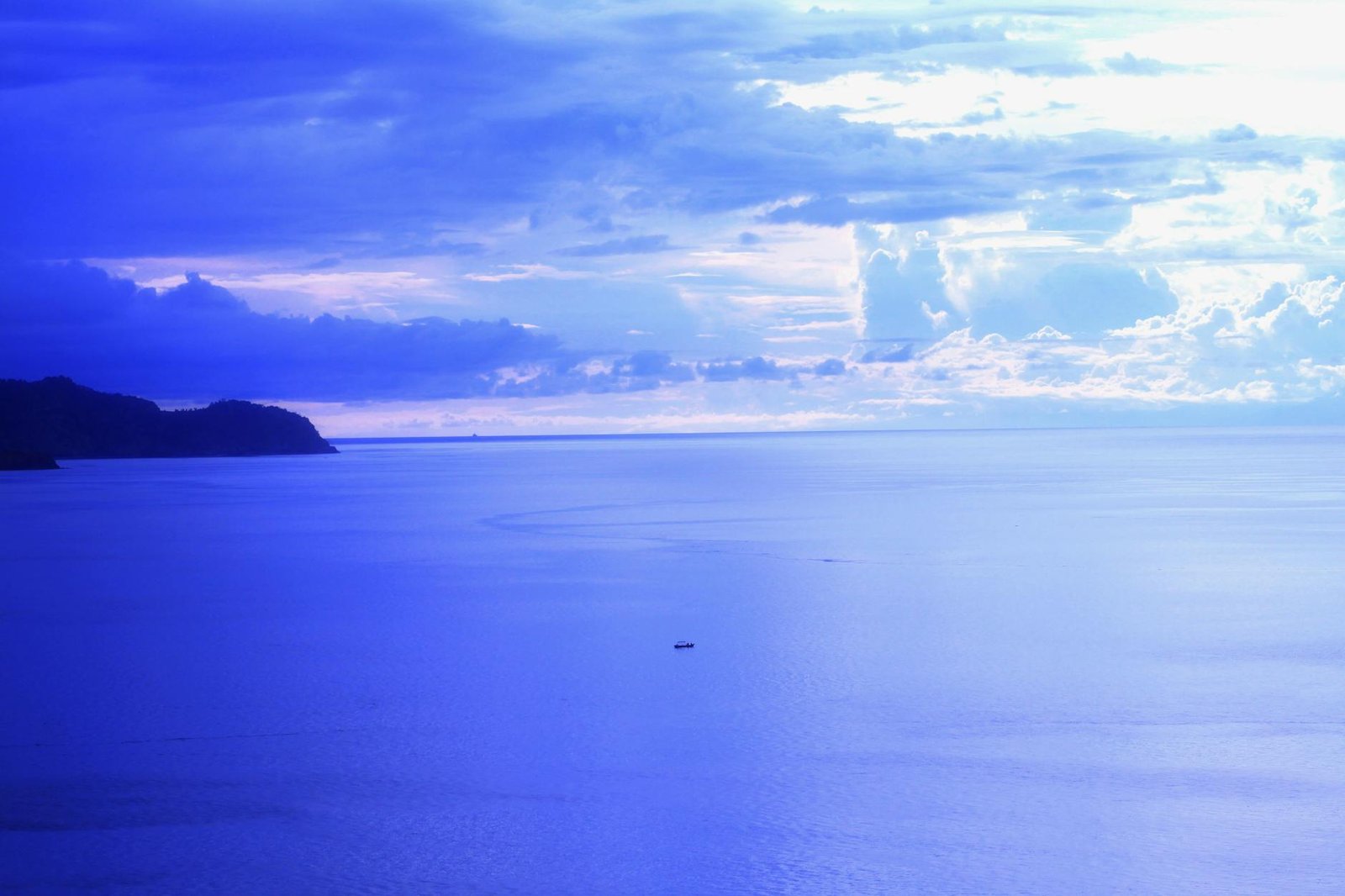
Ships anchor in Dili Bay; there is no dedicated cruise terminal, and tendering ashore is the norm. Dili is the capital of Timor-Leste, a young nation (independent 2002) with a raw, authentic character—not a polished cruise destination. The harborfront is compact and walkable, with colonial Portuguese architecture, local markets, and museums reflecting its complex history. This is an expedition port for Ponant, Hurtigruten, and Lindblad passengers seeking culture and off-the-beaten-path Asia, not resort amenities. A port day here rewards curiosity and flexibility; expect basic infrastructure, limited English, and genuine local encounters.
Is It Safe?
Dili is generally safe for tourists in daylight and busy areas. Petty theft (bag-snatching, pickpocketing) occurs in markets and crowded spots; keep valuables secure and don't flash cash or cameras. Avoid walking alone after dark or in isolated neighborhoods. Police presence is light. Roads are potholed and driving is chaotic; trust taxi drivers over self-driving. Water quality is poor; drink bottled water only. No major violent crime against tourists, but exercise common sense and stay aware.
Accessibility & Walkability
Dili has no wheelchair infrastructure. Sidewalks are broken, streets are steep, and most buildings lack ramps or accessible toilets. Tender landings may be difficult for mobility-impaired passengers. Taxis are basic and not equipped for wheelchairs. If you have limited mobility, coordinate with the cruise line in advance; organized shore excursions may be your only viable option.
Outside the Terminal
The tender landing beach or jetty is basic—no covered waiting area or organized facility. You'll step directly onto sand or a small pier into a mix of local activity: vendors, taxi drivers, and fishermen. The harborfront is immediately walkable, lined with simple buildings, palm trees, and colorful boats. English is rare; signage is minimal. The atmosphere is informal and genuinely local, not tourist-oriented. First 10 minutes involve negotiating a taxi or choosing a walking route; there's no confusion, but no hand-holding either.
Beaches Near the Port
Areia Branca
Sandy beach 10 km west of the city, used by locals for swimming. Water quality is questionable; no amenities or lifeguards. Rough road access; not a tourist beach.
Local Food & Drink
Dili's food scene is modest but authentic. Local restaurants serve Timorese and Portuguese-influenced cuisine: fish, rice, cassava, and palm oil-based dishes. Café Zeitgeist (harborfront) and Fatoluku serve good coffee and local fare at $4–8 USD per meal. Street vendors sell grilled fish skewers, rice cakes, and fresh fruit for $1–2 USD. Hygiene varies; eat at busy places with high turnover. Avoid tap water; bottled water is cheap and widely available. International food is limited; don't expect familiar chains. English menus are rare; gesturing or showing pictures on your phone works.
Shopping
Tais (woven traditional cloth) and handicrafts are the main buys. Markets sell textiles, wood carvings, and beads at low prices ($2–20 USD). Quality varies widely; inspect items carefully. Tais Mercado is the main hub but can be intimidating for first-time visitors; ask a taxi driver to help you navigate. Most shops don't haggle formally, but prices for tourists are negotiable. Avoid buying from aggressive street vendors; established market stalls are safer. ATMs are available if you need cash for larger purchases.
Money & Currency
- Currency
- US Dollar (USD) is official; some places accept Australian dollars. Local currency (Timorese Centavo) exists but is rarely seen.
- USD Accepted?
- Yes
- Card Payments
- Cards accepted at larger hotels, restaurants, and some shops in central Dili; many small vendors, markets, and taxis accept cash only.
- ATMs
- ATMs present in central Dili near banks and major streets; withdrawals work but can be slow. Withdraw cash early in your port day if needed.
- Tipping
- Not customary; rounding up or small change ($0.50–1 USD) is appreciated but not expected.
- Notes
- Carry small bills and coins; large notes may not be easily broken. Many vendors cannot make change. Bring cash for taxis, markets, and street food.
Weather & Best Time
- Best months
- May to November (dry season); cooler and less humid.
- Avoid
- December to April (wet season); heavy rain, humidity, and rough seas increase tender cancellations.
- Temperature
- 25–32°C (77–90°F) year-round; humidity always high.
- Notes
- Dili is equatorial; expect heat and sudden showers. Early morning is most pleasant. Bring sunscreen, light clothing, and an umbrella.
Airport Information
- Airport
- Nicolau Lobato International Airport (DIL)
- Distance
- 13 km, 20–30 min by taxi
- Getting there
- Taxi (~$15–20 USD one-way), no shuttle buses or Uber.
- Notes
- Airport is basic; few international connections. Used mainly by pre-cruise embarkation and post-cruise disembarkation. Allow extra time for slow check-in processes.
Getting Around from the Port
Tender
Ships anchor offshore; small boats ferry passengers to a makeshift jetty or beach landing. Typical 10–15 minute ride. Can be wet and unsteady in rough seas.
Taxi
Abundant and cheap; drivers usually negotiate fares or use informal meters. Not all cars are air-conditioned. Most drivers speak limited English; show destination written in Portuguese or on a map.
Book a transfer 5% off with code TPO5 at checkoutWalking
Harborfront and downtown core are walkable, but streets are steep in places, uneven, and hot. Not practical for reaching most attractions or for all-day exploration.
Organized shore excursion
Ships offer tours (Cristo Rei, village visits, Resistance Museum packages). Convenient but pricey; local taxis and self-guided routes are better value.
Details last checked April 2026
Planning a cruise here?
Windstar, SeaDream Yacht Club sail to Dili.
Practical Tips for Cruise Passengers
- Book taxis at the tender landing; agree on price before departing. Most drivers are honest, but negotiating saves money compared to ship-organized transfers.
- Download an offline map (Google Maps works if cached beforehand) and take screenshots of key sites or addresses in Portuguese; English signage is minimal.
- Visit the Resistance Museum early in your port day if interested; it's small, powerful, and often quiet in the morning. Lunch crowds are minimal.
- Bring cash in small denominations ($1–5 USD bills) for taxis, markets, and street vendors; ATMs work but are not always reliable, and you'll rarely get change.
Frequently Asked Questions
For cultural and history travelers: yes. For beach or resort seekers: no. A 5–6 hour port allows you to walk the harborfront, visit one museum, and have lunch. If you have 8+ hours, Cristo Rei or a village excursion becomes realistic. Most cruisers find 4–5 hours sufficient for a good taste of the city.
Self-exploring is safe and rewarding; local taxis are cheap and drivers are honest. Ship excursions are convenient but overpriced. Book a ship tour only if your port time is very short (<4 hours) or if you want a guided cultural narrative. Otherwise, walk the harborfront and hire a taxi for Cristo Rei.
In the dry season (May–November), tendering is usually reliable. During wet season (December–April), rough seas can cause delays or cancellations; check with your cruise line on your sea day before arrival. If cancelled, you'll receive a credit or alternative port.
Find cruises to Dili, Timor-Leste
Compare sailings and book with no fees — best price guaranteed.
We may earn a commission when you book through our links, at no extra cost to you — it’s how we keep these guides free.
✉ Sailing to Dili? Get your port-day plan
Tell us your sail date and we’ll email you a short Dili plan about 60 days out — when the good excursions start selling out — plus a final checklist 2 weeks before. Two emails, then done. We’ll send one note to confirm it’s really you — unsubscribe anytime.
Same itinerary network
View All
Ports Often Paired With Dili
Asia

Australia & Pacific

Australia & Pacific
Papua New Guinea