


South America
South America
Guayaquil Cruise Port Guide: Transport, Excursions & Planning Tips
Ecuador
Ships berth at Puerto Maritimo, a commercial port south of downtown; shuttles or tours run to the city.
Choose the Right Port Day
Best Overall
Unless you have 4+ hours and genuine interest in Ecuador's coast or pre-cruise exploration, stay near the port or board early. Guayaquil is not worth the transport hassle for a quick visit. If staying overnight pre-cruise, a guided city tour or Parque Histórico makes sense.
Best Beach
Not relevant. Guayaquil has no beaches; it's an inland river port. The Galápagos or Amazon cruise itself is your destination.
With Kids
If docked overnight, visit Parque Histórico (historical open-air museum) during morning hours before departure. It has animals, historic buildings, and is more engaging than wandering downtown. Taxi 20 mins from port, ~$10-15.
Only 3-4 Hours
Skip the port. Use the time to board early, rest in your cabin, finalize packing, or dine. If you must leave, take a taxi directly to Malecón 2000 (downtown waterfront) for a quick 1-hour walk and lunch. Budget 30 mins each way for transport.
Book Malecón 2000 waterfront promenade on ViatorCheapest Option
Walk Malecón 2000 for free. Grab a local comida (meal) for $4-6 USD at a streetside vendor. Taxi to/from port ~$5 each way.
What To Avoid
Avoid wandering the port area or industrial zones alone. Do not rely on walking from the dock to downtown; it's unsafe and time-consuming. Organized tours or a vetted taxi are mandatory if you venture out.
Quick Take
- Port Type
- Gateway / Transit Port
- Best For
- Embarkation point for Galápagos and Amazon cruises; not a destination port itself.
- Avoid If
- You want to spend a full port day ashore in a vibrant destination. The port area is industrial and the city requires transport time.
- Walkability
- Poor. The dock is in an industrial zone. Downtown (Malecón 2000) is 2-3 km away; taxi or organized transport needed.
- Budget Fit
- Mid-range to premium. Excursions and transport add up quickly. City options are modest.
- Good For Short Calls?
- Not recommended unless you're just killing time before departure. Better to rest or prepare for your main cruise.
Top Things To Do
1
Best Highlights in Guayaquil
This tour offers a complete vision of the most emblematic places in Guayaquil, combining history, culture and natural beauty in an unforgettable experience.
3hFree cancellation
2
Small Group Guayaquil and Cocoa Farm Full-Day Tour
This is a great combination for a 7-hour day trip of Guayaquil. In this private tour, travelers get to see the countryside of Ecuador and check…
7hFree cancellation
Our picks in Guayaquil
3
Malecón 2000 waterfront promenade
Downtown's main attraction: a 2.5 km waterfront park with colonial-era buildings, plazas, the Civic Center, and the National Museum. It's clean, safe during daytime, and offers a taste of Guayaquil without deep exploration.
4
Parque Histórico
Open-air historical museum with colonial architecture, tropical animals, and indigenous displays. More curated and safer than wandering downtown. Popular for pre-cruise downtime or family visits.
5
Pre-cruise preparation & port shopping
Run last-minute errands: exchange currency at ATMs in the terminal or downtown, buy snacks, phone SIM cards, or last-minute supplies. The terminal has a small duty-free shop and currency exchange.
Show 1 more thing to do in Guayaquil
6
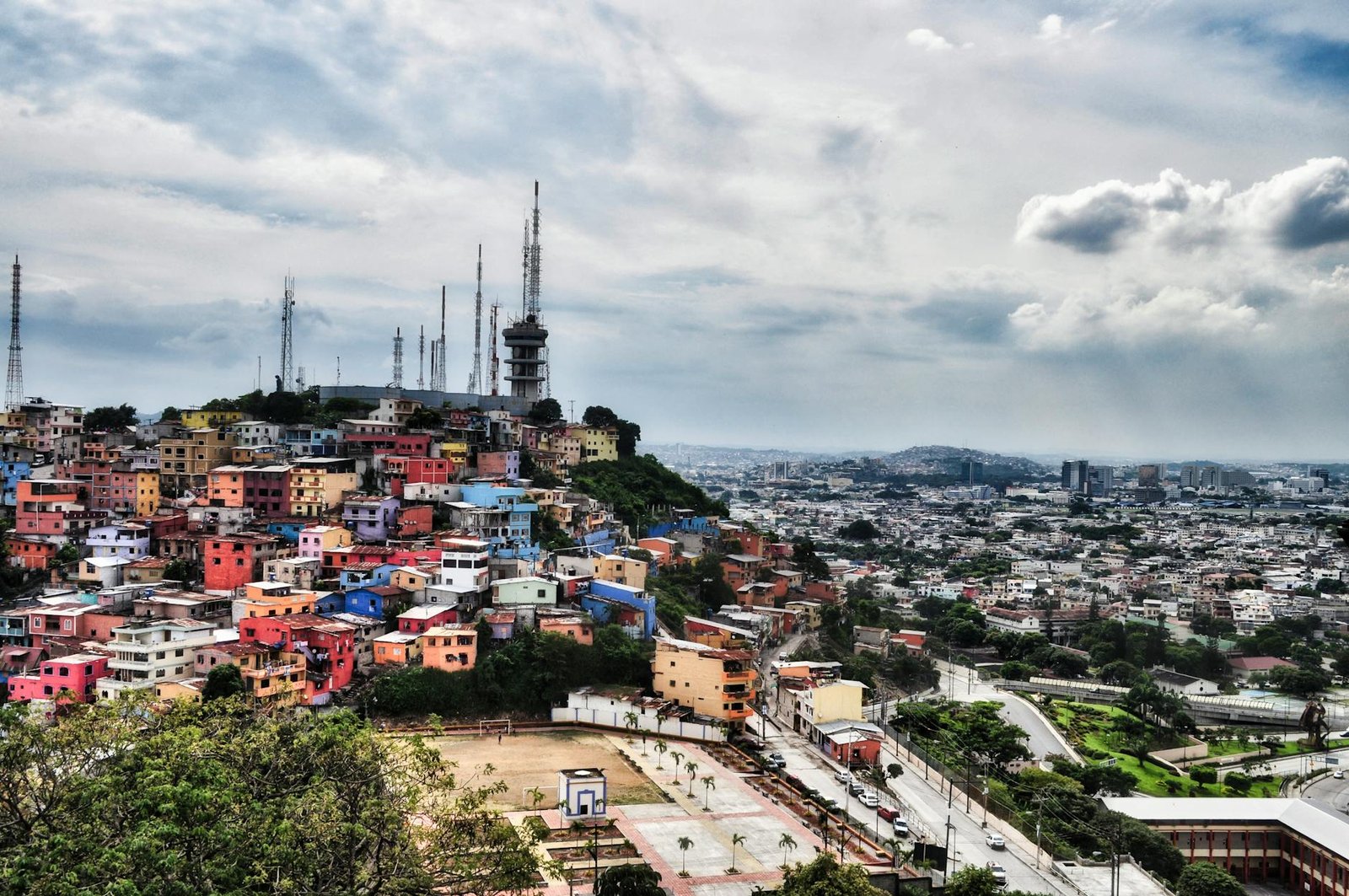
Las Peñas neighborhood (old town)
Historic hillside neighborhood with colorful houses, narrow streets, and local charm. Less touristy than Malecón, but requires a guide or trusted taxi driver and is only worth a visit if you have 3+ hours and genuine interest in local flavor.
Book with the ship, or on your own?
Booking independently
- Often noticeably cheaper than the ship’s version of the same tour.
- Smaller groups and local operators, with traveler reviews you can read before you pay.
- Free cancellation on most tours, usually up to 24 hours before.
When the ship’s excursion makes sense
- Short port calls or long transfers where the timing is tight.
- Tender-only stops where getting ashore can run late.
- The ship waits for its own delayed excursions — it won’t wait for independent ones, so leave a buffer before all-aboard.
Going independent? Compare tours in Guayaquil → — the best-reviewed ones sell out first.
We may earn a commission when you book through our links, at no extra cost to you — it’s how we keep these guides free.
Check The Port Traffic
Cruise Ships in Port
Once you have your shore plan, use the schedule to see how busy the harbour will be on your date, plus the ships, lines, and published call windows.
Sun
Mon
Tue
Wed
Thu
Fri
Sat
1
2
3
4
5
6
7
8
9
10
11
12
13
14
15
16
17
18
19
20
21
22
23
24
25
26
27
28
29
30
31
Quiet (1–2)
Busy (3–4)
Packed (5+)
0 scheduled calls
October 21, 2026
No scheduled cruise ship calls were found for this date selection. Pick a highlighted day on the calendar above, widen the range, or search for a different ship or line.
Port Overview
Guayaquil is Ecuador's largest port city and primary gateway for Galápagos and Amazon expeditions. Ships dock at Puerto de Guayaquil in the industrial zone on the Guayas River, roughly 2-3 km from the city center. The port itself is utilitarian—cranes, cargo, security checkpoints—and not an attraction. Most cruisers are here either embarking for multi-day Galápagos or Amazon tours, or briefly transiting before departure.
The city has potential interest (Malecón 2000 waterfront, historic neighborhoods, local cuisine) but requires organized transport and realistic time investment. A 4-6 hour port call leaves little room for meaningful exploration after accounting for security and travel time. Many cruisers wisely stay aboard, rest, or run last-minute errands before their main expedition departs.
Is It Safe?
Guayaquil has a mixed reputation. Petty theft and street crime occur, especially in industrial areas near the port and in certain neighborhoods after dark. The port zone itself is controlled and monitored, but the streets immediately outside can feel rough. Do not wander solo, especially at night. The Malecón 2000 waterfront (east of downtown) is relatively safer, well-lit, and has security presence during daytime. If you venture beyond that area, stick with organized tours or a trusted taxi driver. Avoid displaying valuables, cameras, or large amounts of cash. The city is generally safe for daylight visitors who stay alert and use common sense; after-hours exploration is not advisable for cruise passengers.
Accessibility & Walkability
The port terminal has paved walkways and basic accessibility features for boarding and initial queuing. Once outside, downtown Guayaquil's infrastructure is uneven: Malecón 2000 has smooth, wide pathways suitable for wheelchairs, but older neighborhoods have inconsistent sidewalks, steep terrain, and worn pavement. Taxis are plentiful but cars are older and getting in/out requires mobility. If you use a wheelchair or have mobility challenges, arrange an organized tour through the ship or hire a private car with a driver; public transport is not practical.
Outside the Terminal
Exiting the terminal, you'll encounter a wide, secured entrance with taxi stands, tour operators holding signs, and security staff. The immediate surroundings are industrial: cargo containers, warehouses, and traffic. There is no appealing street-level activity within 100 meters of the dock. Once past security, taxis are ready; agree on a fare or use an app. The air can smell of diesel and salt water. Weather is hot and humid year-round. This is not a port where you step off and find charm; transport away from the terminal is the first step.
Beaches Near the Port
N/A—Guayaquil has no beaches
Guayaquil is on the Guayas River estuary, not the coast. The water is murky, tidal, and unsuitable for swimming. If you want beaches, they are part of your Galápagos cruise or a separate overnight stay in coastal Ecuador (Salinas, Manta), both requiring significant additional time and cost.
Local Food & Drink
Guayaquil's local cuisine centers on seafood, plantains, and coastal ingredients. Ceviche (lime-cured fish), encocado (coconut stews), and fresh fish are staples. If you venture downtown, small local comedores (eateries) serve hearty three-course meals (almuerzo) for $4-7 USD. Mid-range restaurants along Malecón 2000 offer more comfort and English menus at $10-20 USD per main. The terminal has a small food court with familiar chains and local options; not gourmet but safe and convenient. If dining ashore, stick to established, busy venues; avoid street food unless confident in cleanliness. Water should be bottled; ice in drinks is generally safe at restaurants but risky at street vendors.
Shopping
The port terminal has a small duty-free shop with rum, chocolate, and souvenirs. Downtown Guayaquil (Malecón and surrounding streets) has shops selling crafts, textiles, and local goods, but for a cruise passenger with limited time, the terminal is more practical. Haggling is expected at open markets but not in shops. Currency exchange is available at terminal kiosks and downtown ATMs, though rates are better at banks. Do not carry large sums of cash if shopping; use cards where possible. For serious souvenir hunting, the Galápagos and Amazon portions of your cruise will offer more curated and tourist-friendly options.
Money & Currency
- Currency
- USD (United States Dollar). Ecuador uses USD as official currency.
- USD Accepted?
- Yes
- Card Payments
- Visa and Mastercard accepted at most restaurants and shops in downtown areas. ATMs are plentiful in the city center and terminal zone. Smaller vendors and street stalls prefer cash.
- ATMs
- ATMs are abundant in downtown Guayaquil and inside/near the terminal. Withdraw cash before leaving the terminal if possible; rates are fair.
- Tipping
- Tipping is not mandatory but appreciated. Restaurants: 10% is standard if service is good. Taxi drivers: round up or add $1-2. Guides and organized tours: $5-10 per person if satisfied.
- Notes
- USD usage simplifies currency exchange, though you may receive coins in smaller denominations. Notify your bank of Ecuador travel to avoid card blocks.
Weather & Best Time
- Best months
- June to November (dry season, cooler nights, lower humidity).
- Avoid
- December to May (hot, humid, rainy season).
- Temperature
- Most cruises depart year-round. Dec–May: 75–85°F (24–29°C), humid, occasional rain. Jun–Nov: 70–80°F (21–27°C), less humid.
- Notes
- Guayaquil is always warm. Humidity is high year-round due to coastal location. Pack light clothing, sunscreen, and a light rain jacket. The port area has no shade; plan ashore activities for early morning or late afternoon if possible.
Airport Information
- Airport
- José Joaquín de Olmedo International Airport (GYE)
- Distance
- ~7 km north of port, 15-20 mins by taxi
- Getting there
- Taxi ($10-15 USD), Uber/Cabify ($8-12 USD), organized airport transfer from cruise line ($25-40 USD). No public shuttle.
- Notes
- If arriving pre-cruise or departing post-cruise, arrange airport transfer through your cruise line or a taxi app. The airport has currency exchange, a duty-free shop, and basic facilities. Allow 2+ hours for check-in on departure.
Getting Around from the Port
Taxi
Safest and most direct option from port to city center or airport. Taxis are abundant outside terminal security.
Book a transfer 5% off with code TPO5 at checkoutOrganized port excursion
Ship-arranged tours (city tour, Parque Histórico, airport transfer) include transport and a guide.
Public bus
Local buses (estaciones) run throughout the city but are crowded and not recommended for tourists unfamiliar with the system.
Book bus ticketsWalking
Downtown Malecón 2000 is walkable once you arrive by taxi. The waterfront is pleasant for 1-2 hours.
Details last checked April 2026
Planning a cruise here?
Seabourn, Crystal Cruises, Regent Seven Seas Cruises & more sail to Guayaquil.
Practical Tips for Cruise Passengers
- Guayaquil is a transit port, not a destination. If you have fewer than 4 hours between tender/boarding and departure, stay aboard. If overnight, book an organized tour or use your time to rest and prepare for your Galápagos or Amazon expedition.
- Always use a taxi, Uber, or organized tour to travel beyond the port terminal. Do not walk the 2+ km from dock to downtown; the route is unsafe and time-consuming.
- Exchange currency or withdraw USD at the terminal ATMs before leaving; downtown ATMs work but rates may vary. Have USD coins and small bills for taxis and tips.
- The Malecón 2000 waterfront is the only worthwhile casual ashore spot, but even that requires 1-2 hours of transport/walking. Plan accordingly if time is tight.
Frequently Asked Questions
No, unless you're staying overnight pre-cruise or have genuine interest in Ecuadorian urban culture. The port itself is industrial, and meaningful city exploration requires 3-4 hours of transport and walking. Most cruisers skip ashore and board early.
No. The port is 2-3 km from downtown, and the route is unsafe. Always use a taxi, Uber, or ship-organized tour.
Consider staying in a hotel near the airport or downtown (book via your cruise line's pre-cruise packages). Explore Malecón 2000 in daylight, rest, and return to the port 2-3 hours before boarding. An organized city or Parque Histórico tour is a safe, efficient option.
Find cruises to Guayaquil, Ecuador
Compare sailings and book with no fees — best price guaranteed.
We may earn a commission when you book through our links, at no extra cost to you — it’s how we keep these guides free.
✉ Sailing to Guayaquil? Get your port-day plan
Tell us your sail date and we’ll email you a short Guayaquil plan about 60 days out — when the good excursions start selling out — plus a final checklist 2 weeks before. Two emails, then done. We’ll send one note to confirm it’s really you — unsubscribe anytime.
Same itinerary network
View All
Ports Often Paired With Guayaquil
South America

Caribbean
South America
