Australia & Pacific

Papua New Guinea
Papua New Guinea
Ships anchor offshore; tenders required to reach shore.
Walk through Losuia or a neighboring village with a local guide. Visit family gardens (yams, taro, coconut), watch canoe building or weaving, learn about matrilineal kinship and Trobriand customs. Photography encouraged with permission. Most immersive activity on the island.
⚡ Popular — books out early. Reserve before you sail.
Boat trip to coral reefs off Kiriwina's eastern shore. Good visibility (20–40 ft), colorful reef fish, occasional turtles. Conditions tide- and weather-dependent. Most snorkeling is via ship excursions; independent boat hire possible but less predictable.
Visit a family or community workspace where traditional outrigger canoes are built by hand. Ask your guide for access; usually informal and free to observe, though a small donation ($5–10 USD) is appreciated.
If timing aligns, visit a local market or village gathering (women's groups, ceremonies, or informal meet-ups). Irregular and unpredictable; ask your guide if anything is happening. No commercial market for tourists—purely local.
Book with the ship, or on your own?
Booking independently
When the ship’s excursion makes sense
We may earn a commission when you book through our links, at no extra cost to you — it’s how we keep these guides free.
Kiriwina Island is the largest of the Trobriand Islands, a remote archipelago off Papua New Guinea's southeastern coast. Ships anchor offshore; all movement ashore is by tender or ship-arranged boats. There are no cruise port facilities, paved roads, or commercial tourism infrastructure—this is a genuine cultural destination, not a resort port.
The appeal is straightforward: access to Trobriand culture (traditional gardens, canoe building, matrilineal society, local language) and reef snorkeling in pristine waters. Most cruisers are on expedition lines (Ponant, Lindblad, Hurtigruten, Seabourn, Silversea, Paul Gauguin) that pre-arrange guides and activities. Independent exploration is possible but requires hiring a local guide and managing logistics on the fly.
Expect basic conditions: villages have no electricity, limited fresh water, and minimal English. Locals are welcoming but this is not a tourist destination. Port time is usually 6–10 hours; use it for cultural exchange and snorkeling, not shopping or dining out.
Kiriwina is generally safe for organized shore excursions and guided village tours. Locals are accustomed to cruise visitors and are friendly. The main risks are logistical: rough sea state canceling tenders, poor snorkeling conditions, and limited medical facilities.
Do not wander alone. Hire a guide (cheap and essential) and stay with your group or guide at all times. Avoid photographing people or sacred sites without permission—ask your guide first. Keep valuables secure; petty theft is rare but possible in crowded areas.
Medical care is extremely limited. The island has a small health post but no pharmacy, hospital, or dentist. Ships carry doctors; serious injuries require evacuation by helicopter. Bring any medications you need, plus basic first aid (blister pads, anti-diarrhea meds, antiseptic). Tap water is not reliably safe; drink only bottled water or use purification tablets.
Kiriwina is not wheelchair-friendly. Villages have no paved paths, footbridges span streams, and terrain is uneven coral and sand. The tender ride itself can be rough in choppy seas. Mobility-impaired visitors should consult their ship's medical team before committing to a full excursion.
Walking tours involve 1–2 miles of village exploration on foot. Sturdy shoes with ankle support are essential; trails are rocky and wet. No shaded rest areas or benches are standard—bring a hat, water, and sunscreen. Elderly visitors are welcome but should choose shorter 2–3 hour walks over full-day snorkeling programs.
There is no terminal building. Tenders land on a beach in Losuia village or nearby. Expect sand, a few canoes, and local people. Your guide will be waiting or will arrive within minutes of your tender landing. The village is very basic: simple wooden or corrugated-iron houses, no shops, no visible commerce. Kids may gather curiously; ignore aggressive begging politely and stay with your group. The water is warm and clear but shallow near shore; reef snorkeling requires a boat trip outward.
Sandy beach where tenders land. Shallow, warm, clear water but not a swimming beach—mainly the access point. Good for wading and photographs.
There are no restaurants, cafes, or food vendors on Kiriwina. Bring snacks and water from your ship; you will not find food or drinks ashore. Some ship excursions include a picnic lunch at the beach or in a village (ask your cruise director). If you hire an independent guide, offer to bring food to share—it's polite and practical.
Local diet is root crops (yams, taro), coconut, and fish; if you're staying overnight (rare for cruise passengers), a guide might arrange a meal with a family, but this is not a standard shore excursion activity. Drinking water is unsafe unless bottled or purified; carry your own supply.
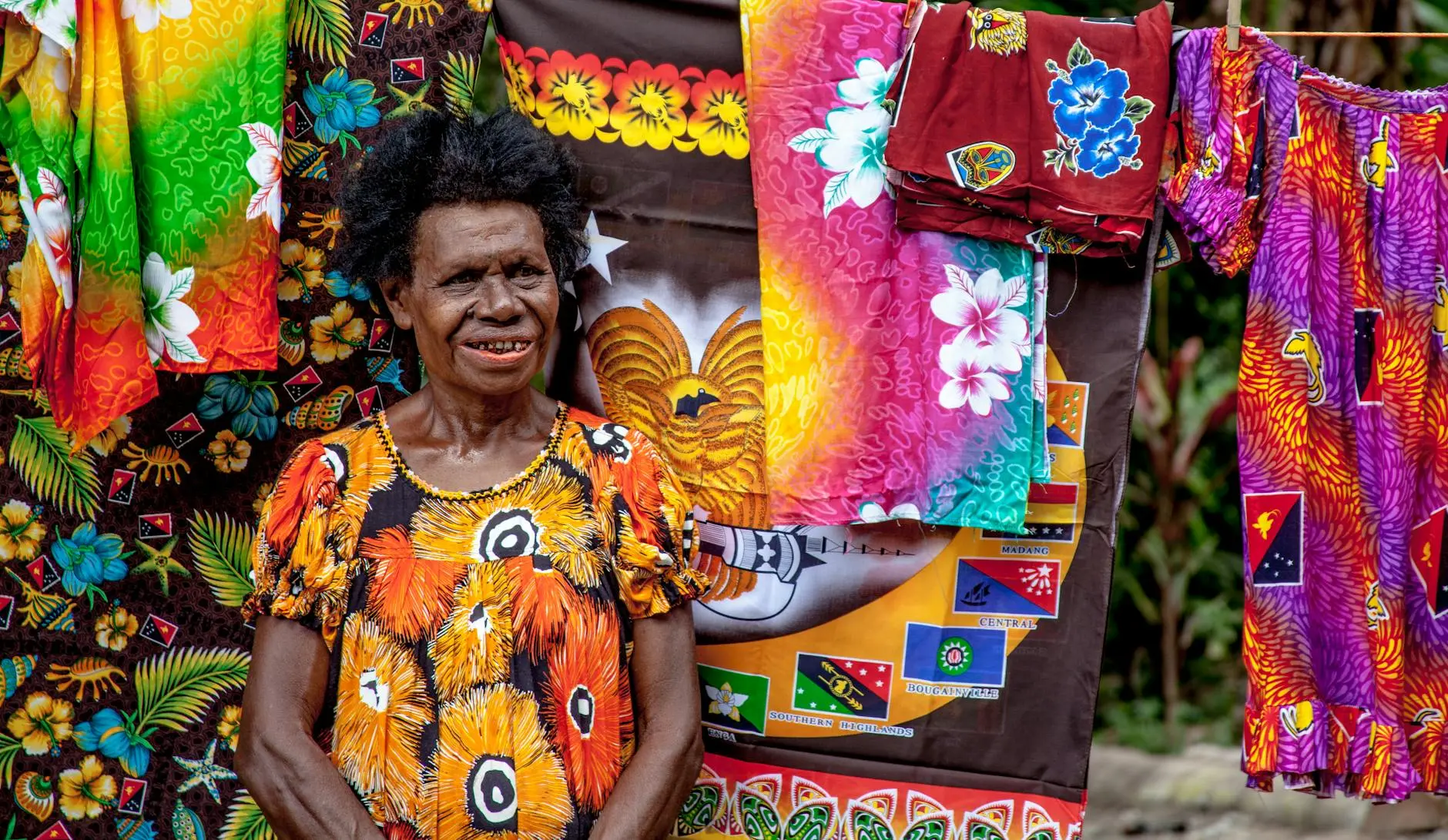
There is no shopping on Kiriwina in any conventional sense. No shops, markets, or tourist stalls exist. You can buy small handmade items directly from locals (woven bags, shell necklaces, small crafts) if offered, but expect no formal commercial structure. Prices are low ($2–10 USD); bring cash in small bills. Your guide can help negotiate and ensure authenticity. Don't expect variety or selection; items are occasional, not curated for tourists.
Only way from ship to shore; operated by cruise line. Runs every 30–60 min depending on sea state.
Walk through villages with a hired guide. Guides meet tenders or are arranged by ship. Most efficient for 3–4 hour explorations.
For snorkeling or visiting outer reefs; arranged by guide or ship excursion coordinator. Required for reef access.
Book ferry ticketsSome guides arrange canoe trips in lagoons or bicycle rides through villages (rare and very basic).
Details last checked April 2026
Check The Port Traffic
Once you have your shore plan, use the schedule to see how busy the harbour will be on your date, plus the ships, lines, and published call windows.
Planning a cruise here?
Ponant, Lindblad Expeditions, Hurtigruten & more sail to Kiriwina Island.
Yes, if you stay with a guide and follow crew guidelines. The main risks are logistical (tender cancellations, rough seas) rather than crime. Locals are used to cruise visitors and are welcoming. Avoid wandering alone and keep valuables secure.
You can hire a private boat guide ($30–60 USD split among a group), but ship-arranged snorkeling is safer, better-organized, and includes safety briefings. Either way, snorkeling requires a boat; reef is not walkable from shore.
Cash (USD), water, snacks, reef shoes, sun protection, and any medications. There are no shops, pharmacies, restaurants, or ATMs on the island. Bring everything you need for the day.
Find cruises to Kiriwina Island, Papua New Guinea
Compare sailings and book with no fees — best price guaranteed.
We may earn a commission when you book through our links, at no extra cost to you — it’s how we keep these guides free.
Tell us your sail date and we’ll email you a short Kiriwina Island plan about 60 days out — when the good excursions start selling out — plus a final checklist 2 weeks before. Two emails, then done. Unsubscribe anytime.