
Antarctica
Antarctica
Peter I Island Cruise Port Guide: What to Expect, Logistics & Tips
Antarctica
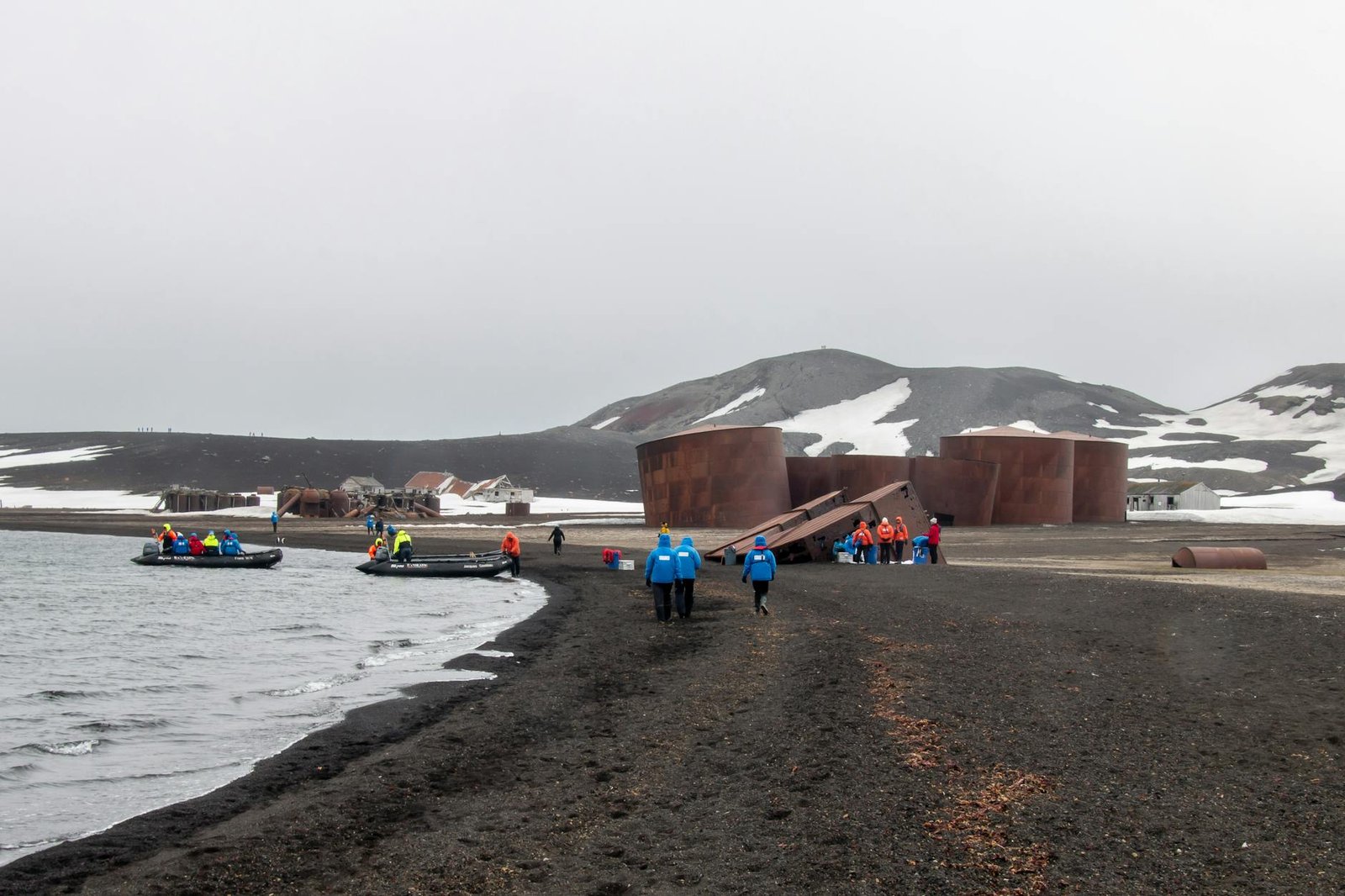
Ships anchor offshore; Zodiac tender landings only, weather dependent and frequently cancelled.
Choose the Right Port Day
Best Overall
Zodiac circumnavigation or landing attempt for close wildlife observation and dramatic polar scenery; manage expectations for weather-driven cancellations.
Best Beach
Not relevant. No beaches; rocky, glacier-bound shoreline accessible only by zodiac under strict expedition protocols.
With Kids
Zodiac ride and iceberg/wildlife spotting if conditions allow and children meet age/health minimums; otherwise ship-based polar education and viewing from deck.
Only 3-4 Hours
Hope for a zodiac landing and wildlife viewing (seals, penguins, skuas); stay aboard if weather prevents landing and enjoy the ship's expert talks and library instead.
Cheapest Option
Visit is cruise-inclusive; no independent exploration or spending possible. All activities depend on ship operations.
What To Avoid
Do not plan independent exploration or assume a landing will happen; bring motion-sickness medication for zodiac rides; underestimating cold—dress in full expedition gear even for short outings.
Quick Take
- Port Type
- Expedition-only, polar extreme-latitude destination
- Best For
- Polar enthusiasts, photographers, wildlife watchers, expedition cruisers comfortable with uncertainty and weather-dependent landings
- Avoid If
- You need guaranteed beach time, town exploration, shopping, or reliable shore access; you have mobility limitations; you dislike cold or unpredictable conditions
- Walkability
- Not applicable; zodiac-only access, no settlement or trails
- Budget Fit
- Included in expedition cruise (no independent travel possible); no local spending opportunities
- Good For Short Calls?
- Port visit entirely weather and zodiac-dependent; landings may be cancelled or heavily restricted
Top Things To Do
1
Zodiac landing and wildlife viewing
Weather permitting, zodiac groups land on rocky beaches or navigate the shoreline for close views of Weddell seals, leopard seals, chinstrap and Adélie penguins, and skuas. Guides provide naturalist commentary on behavior and ecology. Landings are brief (15–30 min) and heavily supervised.
2
Zodiac circumnavigation and iceberg photography
If landing is unsafe, zodiacs may circumnavigate the island for scenic photography, iceberg observation, and wildlife spotting from the water. Conditions permitting, this provides excellent close-up views of glaciers, rocky headlands, and polar seabirds.
3
Ship-based polar education and expert talks
Attend onboard lectures on Antarctic ecology, glaciology, seal and penguin biology, polar exploration history, and climate science delivered by expedition naturalists. View icebergs and wildlife through ship scopes from deck.
Book with the ship, or on your own?
Booking independently
- Often noticeably cheaper than the ship’s version of the same tour.
- Smaller groups and local operators, with traveler reviews you can read before you pay.
- Free cancellation on most tours, usually up to 24 hours before.
When the ship’s excursion makes sense
- Short port calls or long transfers where the timing is tight.
- Tender-only stops where getting ashore can run late.
- The ship waits for its own delayed excursions — it won’t wait for independent ones, so leave a buffer before all-aboard.
We may earn a commission when you book through our links, at no extra cost to you — it’s how we keep these guides free.
Check The Port Traffic
Cruise Ships in Port
Once you have your shore plan, use the schedule to see how busy the harbour will be on your date, plus the ships, lines, and published call windows.
Sun
Mon
Tue
Wed
Thu
Fri
Sat
1
2
3
4
5
6
7
8
9
10
11
12
13
14
15
16
17
18
19
20
21
22
23
24
25
26
27
28
29
30
31
Quiet (1–2)
Busy (3–4)
Packed (5+)
0 scheduled calls
October 9, 2026
No scheduled cruise ship calls were found for this date selection. Pick a highlighted day on the calendar above, widen the range, or search for a different ship or line.
Port Overview
Peter I Island is one of the remotest landfalls on Earth—a 400 sq km, largely ice-covered Norwegian island deep in the Bellingshausen Sea, rarely visited and seldom approachable. Ships anchor offshore and access is via zodiac tender only; landing depends entirely on weather, sea state, and ice conditions, and is often not possible. The island has no settlement, no facilities, and minimal tourism infrastructure. Why go ashore if you can? Wildlife (leopard seals, Weddell seals, chinstrap and Adélie penguins, skuas), dramatic glaciated terrain, and the profound isolation make it a bucket-list moment for polar enthusiasts. Why you might not: landings are cancelled far more often than not, and even successful visits mean a brief, heavily supervised zodiac ride or a short rocky beach scramble in extreme cold.
Is It Safe?
Peter I Island is governed by extreme polar conditions: water temperature ~0–2°C, air temps –5 to 5°C, high wind, fog, and rapidly changing visibility. All zodiac passengers must wear USCG-approved or equivalent survival suits provided by the ship. Hypothermia risk is acute if immersed; never enter water. Landing sites are slippery, rocky, and occasionally accessed across fragile ice or snow; follow crew instructions precisely. The island is remote; helicopter evacuation is possible but slow and rare. All zodiac operations are captain's call and can be cancelled immediately. Leopard seals and elephant seals are present; wildlife must never be approached or provoked. Do not separate from your group or crew.
Accessibility & Walkability
Peter I Island offers no accessibility for wheelchairs, reduced mobility, or those with difficulty boarding zodiacs or navigating rocky/icy terrain in heavy survival suits. Zodiac transfers alone are challenging for anyone with balance issues, back pain, or claustrophobia. Ship-based observation is the only realistic alternative for passengers with mobility constraints. Confirm with the cruise line before booking if you have any physical limitations.
Outside the Terminal
There is no terminal. Ships anchor 1–2 km offshore. Crew will brief you on deck about zodiac launch procedures, survival suit fitting, and timing. The first impression is one of vast, empty ocean, grey sky, and glaciated land in the distance. If landings are possible, zodiac departure typically takes 20–30 minutes; you will be suited up, seated in the open boat, and exposed to spray and wind. If landing is cancelled, you return to the ship or remain aboard.
Beaches Near the Port
Rocky shoreline (weather-dependent landing site)
Not a beach in the traditional sense. Landings occur on rocky outcrops or snow-covered headlands accessible only by zodiac. No amenities, no swimming, extremely cold water, wildlife present.
Local Food & Drink
Food is served exclusively aboard ship. There are no restaurants, cafes, or shops on Peter I Island. Expedition cruises typically offer buffet breakfast, lunch, and multi-course dinners; some include afternoon tea and late-night snacks. Dietary requirements must be communicated to the cruise line before departure. Bring any personal snacks or specialty items you expect you will need.
Shopping
No shopping exists on Peter I Island. The ship may operate a small expedition shop selling books, maps, wildlife guides, and polar-themed merchandise, but no local goods or souvenirs are available. Plan to bring any personal supplies or medications you require.
Money & Currency
- Currency
- Norwegian Krone (NOK) on the island itself (none used); USD and EUR accepted aboard ship
- USD Accepted?
- Yes
- Card Payments
- No card machines on island; ship sales accept credit cards
- ATMs
- None on island or nearby
- Tipping
- Included in expedition cruise fees; shipboard tipping is optional but standard practice (USD 10–15 per day per crew member, pooled)
- Notes
- Virtually all spending is ship-based and pre-paid via cruise fare. Carry USD or credit cards for onboard purchases only.
Weather & Best Time
- Best months
- December–January (Antarctic summer)
- Avoid
- May–September (deep winter, extreme cold, long darkness, ice pack thickens)
- Temperature
- December–January: –5 to 5°C (23–41°F) air, 0–2°C (32–36°F) water. Wind and katabatic gusts common.
- Notes
- Landing success rates are lowest in December and January due to loose pack ice and fog. Weather can shift within minutes. Hypothermia and frostbite risk is high; dress in full expedition-grade gear at all times. 24-hour daylight during December–January aids wildlife viewing.
Airport Information
- Airport
- Not applicable
- Distance
- Peter I Island has no airport. Cruises typically depart from Ushuaia (Argentina) or Chilean or New Zealand ports.
- Getting there
- Fly to Ushuaia or Santiago; embark/disembark via the cruise ship
- Notes
- See your cruise itinerary for your home port details.
Getting Around from the Port
Zodiac tender
Only method of shore access; ship-operated, capacity ~10–12 passengers per boat, with crew and naturalist guide. Weather and sea state determine departure and duration.
Ship-based observation
If landing is cancelled, view island from deck, attend expert talks on polar ecology, wildlife, and geology, and use ship telescopes and binoculars.
Details last checked April 2026
Planning a cruise here?
Hurtigruten Expeditions, Ponant, Lindblad Expeditions & more sail to Peter I Island.
Practical Tips for Cruise Passengers
- Do not assume you will land; plan ship-based activities and reading as your main entertainment, and treat any zodiac sortie as a bonus.
- Bring robust motion-sickness medication (tablets or patches); zodiac rides in polar waters are rough, and few cruisers escape nausea.
- Wear every layer your expedition gear includes, even on short zodiac trips; wind chill and cold water make 5 minutes feel freezing.
- Bring a fast camera or smartphone with extra batteries—cold drains power quickly, and wildlife moments are brief and unpredictable.
Frequently Asked Questions
No. Landing depends on weather, sea state, and ice conditions and is cancelled more often than it succeeds. Expect ship-based observation as your primary experience and treat any zodiac sortie as a gift.
The ship provides a survival suit, but bring warm layers, wool socks, waterproof gloves, a warm hat, and sunscreen. Motion-sickness medication, a waterproof camera, and extra batteries are essential.
No. Peter I Island is visited by only a handful of expedition cruises per season, and landing is so weather-dependent that visitor numbers are minimal. It remains one of Earth's most remote and least-visited destinations.
Find cruises to Peter I Island, Antarctica
Compare sailings and book with no fees — best price guaranteed.
We may earn a commission when you book through our links, at no extra cost to you — it’s how we keep these guides free.
✉ Sailing to Peter I Island? Get your port-day plan
Tell us your sail date and we’ll email you a short Peter I Island plan about 60 days out — when the good excursions start selling out — plus a final checklist 2 weeks before. Two emails, then done. We’ll send one note to confirm it’s really you — unsubscribe anytime.
Antarctica
View All
More Antarctica Ports

Antarctica

Antarctica

Antarctica
