
Antarctica
Antarctica
Ross Island Cruise Port Guide: What to Expect, Logistics & Tips
Antarctica
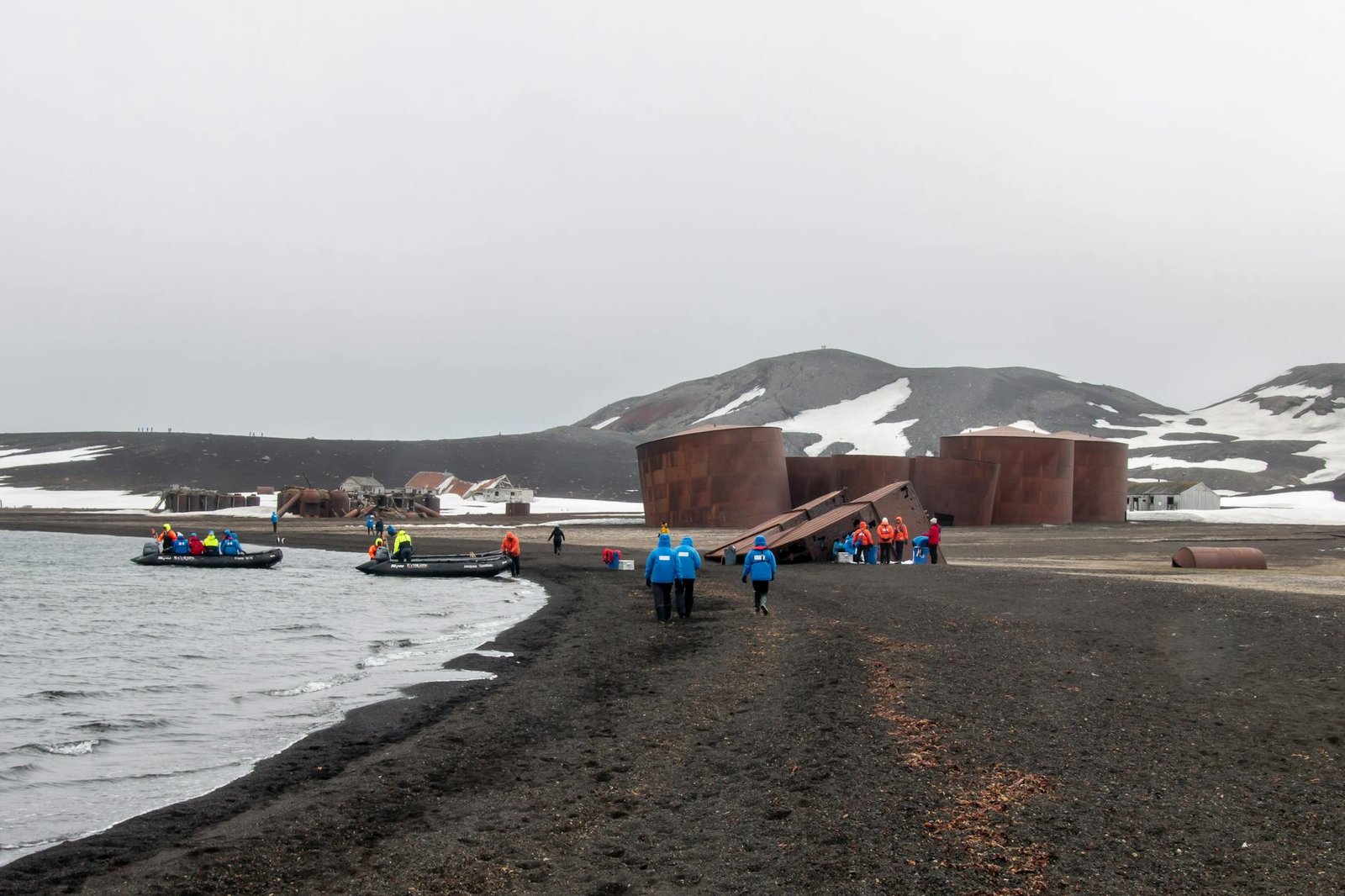
Ships anchor offshore; passengers transferred via Zodiac boats to landing sites.
Choose the Right Port Day
Best Overall
Land at Cape Royds if weather allows to see Adélie penguin colonies up close and explore Scott's hut (1911). This is the primary ashore highlight. If conditions prevent landing, zodiac cruising around Ross Island and Mt. Erebus views compensate.
Best Beach
Not applicable. No beaches. Ice shelves and rocky shores only.
With Kids
Children 10+ only on licensed expedition cruises. Landing is conditional on sea state and ice; zodiac transfers are rough. Onboard educational talks about penguins and polar research offer guaranteed engagement.
Only 3-4 Hours
Request a zodiac landing at Cape Royds or Cape Evans if conditions permit. Expect 1–2 hours ashore photographing Adélie penguin colonies and historic expedition huts. Dress in full polar gear; wind chill drops below −40°C.
Cheapest Option
All Ross Island visits are via expedition cruise operator (Quark, Lindblad, Ponant, Hurtigruten, Aurora). No day-trip option. Cost is bundled in cruise fare ($8,000–$20,000+).
What To Avoid
Do not expect guaranteed landing. Expect 30–50% of Ross Island calls result in zodiac-only cruising due to ice, swell, or permit restrictions. Do not underestimate cold: −30 to −50°C wind chill is common; inadequate gear is dangerous.
Quick Take
- Port Type
- Antarctic Expedition Port
- Best For
- Extreme-latitude adventurers, polar researchers, penguin and wildlife enthusiasts, Antarctic history buffs.
- Avoid If
- You want comfort, guaranteed ashore time, or any shopping/dining. Weather cancellations are frequent.
- Walkability
- Not applicable. No town. Zodiac tender required; landing depends on conditions and permit availability.
- Budget Fit
- High. Expedition cruises to Ross Island cost $8,000–$20,000+. No additional ashore spend needed.
- Good For Short Calls?
- Rare. Landing windows often 2–4 hours when weather and ice permit; full days common if conditions align.
Top Things To Do
1
Cape Royds—Adélie Penguin Colony
Visit the world's southernmost penguin colony (3,500+ breeding pairs, November–January). Walk among nesting birds, observe chicks, and see penguin highways across ice. Peak viewing is December. Guides keep you 5+ meters from nests. Photography is excellent but requires good cold-weather equipment.
2
Cape Evans—Scott's Terra Nova Hut (1911)
Explore the expedition hut used by Robert Scott's 1910–1913 Antarctic expedition. Remarkably preserved due to freezing; supplies, papers, and equipment remain intact. Small museum explains the history. Highly regulated; only 50 visitors per day permitted. Weather often closes this site.
3
Zodiac Cruising—Mt. Erebus & Ice Shelf Views
If weather prevents landing, zodiac tours circumnavigate the island, offering views of Mt. Erebus (3,794 m, Earth's southernmost active volcano), the Ross Ice Shelf edge, and seal colonies. Narrated by expedition naturalists.
Book with the ship, or on your own?
Booking independently
- Often noticeably cheaper than the ship’s version of the same tour.
- Smaller groups and local operators, with traveler reviews you can read before you pay.
- Free cancellation on most tours, usually up to 24 hours before.
When the ship’s excursion makes sense
- Short port calls or long transfers where the timing is tight.
- Tender-only stops where getting ashore can run late.
- The ship waits for its own delayed excursions — it won’t wait for independent ones, so leave a buffer before all-aboard.
We may earn a commission when you book through our links, at no extra cost to you — it’s how we keep these guides free.
Check The Port Traffic
Cruise Ships in Port
Once you have your shore plan, use the schedule to see how busy the harbour will be on your date, plus the ships, lines, and published call windows.
Sun
Mon
Tue
Wed
Thu
Fri
Sat
1
2
3
4
5
6
7
8
9
10
11
12
13
14
15
16
17
18
19
20
21
22
23
24
25
26
27
28
29
30
31
Quiet (1–2)
Busy (3–4)
Packed (5+)
0 scheduled calls
October 10, 2026
No scheduled cruise ship calls were found for this date selection. Pick a highlighted day on the calendar above, widen the range, or search for a different ship or line.
Port Overview
Ross Island sits 900 km south of the Antarctic Circle and is home to McMurdo Station (U.S.) and Scott Base (New Zealand)—the largest human settlements in Antarctica. Ships anchor offshore in the Ross Sea and access the island only by zodiac tender (small inflatable boats). Landing is weather-dependent, environmentally regulated, and subject to daily permits from the Antarctic Treaty System. The primary attraction is Cape Royds, where Adélie penguin colonies nest from November to January, or Cape Evans, site of Scott's Terra Nova expedition hut (1911). Ashore time is typically 2–4 hours when conditions permit. Expect extreme cold (−30 to −50°C with wind), whiteout conditions, ice-choked approaches, and frequent cancellations. This is a destination for committed polar explorers, not casual cruisers.
Is It Safe?
Ross Island is one of Earth's most extreme environments. Temperatures range −20 to −50°C; wind chill can exceed −60°C. Hypothermia and frostbite occur within minutes of exposure. All passengers must wear provided or expedition-approved extreme-weather gear (waterproof parkas, insulated boots, gloves, hats). Zodiac boarding requires balance and agility; rough seas increase capsize risk (rare but real). Medical evacuation from the island is difficult and slow; only passengers in good health are permitted to land. The Antarctic Treaty and environmental regulations strictly limit where you can walk and how close you can approach wildlife. Violations result in fines and ejection from the site. Bring seasickness medication; the Ross Sea is rough. Never stray from your guide or marked zones.
Accessibility & Walkability
Zodiac boarding and landing are not wheelchair accessible. Terrain is uneven, icy, and unpredictable. Passengers with mobility impairments cannot safely access ashore areas. The ship itself may have accessible cabins, but ashore time is not feasible for anyone with limited mobility, balance issues, or cold sensitivity. Pre-cruise communication with the operator is essential.
Outside the Terminal
There is no terminal. Upon anchor, the ship becomes your only shelter. Zodiacs launch from the ship's davit or tender gate. Zodiac stations and gear distribution happen on deck 1–2 hours before scheduled departure. The experience is staged—briefings, gear checks, passenger lists, and emergency drills before you even board a zodiac. Expect noise, busy organizers, and 30+ other passengers suiting up. Once ashore, you are on a rocky, windswept beach with no infrastructure, no shelter, and no services. The first sensation is wind, cold, and vast emptiness.
Local Food & Drink
No food is available ashore. You eat onboard. Most expedition cruises include all meals (breakfast, lunch, dinner, snacks). Dietary restrictions must be flagged before embarkation. Some operators offer landing-day packed lunches if you are ashore during meal times. Hydration is critical; carry water in an insulated bottle (it freezes quickly). Hot drinks (tea, coffee) are served on the ship before and after zodiac excursions.
Shopping
No shops, no souvenirs, no commerce. You cannot buy anything on Ross Island. Expedition operators usually offer a small onboard gift shop (books, patches, maps) and sometimes auction collectibles. Some cruises include a gift (e.g., Ross Island commemorative coin). Bring any personal items (sunscreen, lip balm, batteries) from home or the ship's shop before departure.
Money & Currency
- Currency
- Not applicable
- USD Accepted?
- No
- Card Payments
- Not applicable
- ATMs
- None
- Tipping
- Not applicable ashore. Tip expedition crew and naturalists onboard at the end of the cruise ($10–20 USD per person per day is standard).
- Notes
- All costs are pre-paid as part of the expedition cruise. No currency exchange needed. Gratuities are settled on the ship via onboard account.
Weather & Best Time
- Best months
- December–January (summer; −10 to −20°C, longer daylight, penguin breeding season)
- Avoid
- February–November (winter; extreme cold −40 to −60°C, perpetual darkness or twilight, ice-choked sea)
- Temperature
- −15 to −30°C during peak season (Dec–Jan); wind chill often −40 to −50°C
- Notes
- Landing windows are unpredictable. Blizzards, katabatic winds (100+ km/h), and pack ice can cancel ashore access within hours of arrival. Bring full polar gear even if landing is unlikely. Expect perpetual daylight (late Nov–early Jan) or extended twilight (Oct–Feb). The ship is your only warmth.
Airport Information
- Airport
- Not applicable
- Distance
- Not applicable
- Getting there
- Not applicable
- Notes
- Ross Island has no commercial airport. Access is exclusively by ship (typically from Christchurch, New Zealand or Ushuaia, Argentina). Expedition cruises typically include international airfare from major hubs to embarkation ports.
Getting Around from the Port
Zodiac tender from ship
Ship anchors offshore. All ashore access is via zodiac (10–12 passenger boats). Operators brief passengers on zodiac boarding, wave entry, and ice-navigation protocols. Rough seas or high ice concentration can delay or cancel departures.
Walking on shore
Landing sites are rocky beaches or ice shelves. No established paths. Terrain is uneven, icy, and restricted by environmental zones marked with ropes.
Details last checked April 2026
Planning a cruise here?
Hurtigruten, Ponant, Lindblad Expeditions & more sail to Ross Island.
Practical Tips for Cruise Passengers
- Book with an Antarctic Treaty-certified operator (Quark, Lindblad, Ponant, Hurtigruten, Aurora). They ensure legal compliance and environmental protection. Smaller or unregistered operators risk fines and permit denial.
- Pack or rent extreme-weather gear onboard. Thin jackets and casual gloves are useless. Drysuits, insulated boots, goggles, and balaclavas are mandatory. Most ships provide rental; confirm before booking.
- Expect 30–50% of Ross Island calls to be zodiac-only due to weather or ice. Landing is never guaranteed. Plan ashore activities flexibly and stay hydrated between attempts.
- Bring high-speed memory cards and charged batteries. Cold drains electronics fast. Photograph during daylight (24 hours in December) but protect camera lenses from condensation when moving between cold and warm air.
Frequently Asked Questions
No. Ross Island requires 10–14 day expedition cruises from Christchurch or Ushuaia due to distance (4,000+ km) and weather risk. Day trips don't exist.
Zodiac-only cruising around the island (Mt. Erebus, ice shelf views, wildlife) replaces planned landings. This is common and is included in your cruise; no refunds are issued for weather cancellations.
Expect −20 to −50°C with 40–60 km/h winds (wind chill −50 to −70°C). Wear waterproof parkas, insulated pants, wool or synthetic base layers, insulated boots (−40°C rated), thick gloves, hat, balaclava, and goggles. Most cruise operators provide heavy gear or rental; confirm before booking.
Find cruises to Ross Island, Antarctica
Compare sailings and book with no fees — best price guaranteed.
We may earn a commission when you book through our links, at no extra cost to you — it’s how we keep these guides free.
✉ Sailing to Ross Island? Get your port-day plan
Tell us your sail date and we’ll email you a short Ross Island plan about 60 days out — when the good excursions start selling out — plus a final checklist 2 weeks before. Two emails, then done. We’ll send one note to confirm it’s really you — unsubscribe anytime.
Antarctica
View All
More Antarctica Ports

Antarctica

Antarctica

Antarctica
